Byerlys Wild Rice Soup Recipe – Creamy Chicken Soup Copycat

The Byerly’s wild rice soup recipe is a quintessential Midwest comfort dish known for its velvety texture, earthy wild rice, and savory poultry blend. This guide breaks down the essential techniques to recreate this restaurant-quality classic in your own kitchen throughout 2026 and beyond.
- Rice Prep: Cook wild rice separately to ensure it remains firm and doesn’t cloud the soup.
- Dairy Care: Add heavy cream at the very end of the cooking process to prevent curdling.
- Flavor Base: Sautéing the mirepoix (onion, carrot, celery) in butter creates the foundation for a rich.
- Texture Balance: Use a roux to achieve the signature thickness that distinguishes this restaurant-style classic.
- Food Safety: Always store dairy-based leftovers in the refrigerator within two hours of cooking.
The Ultimate Byerlys Wild Rice Soup Recipe: A Comfort Food Classic
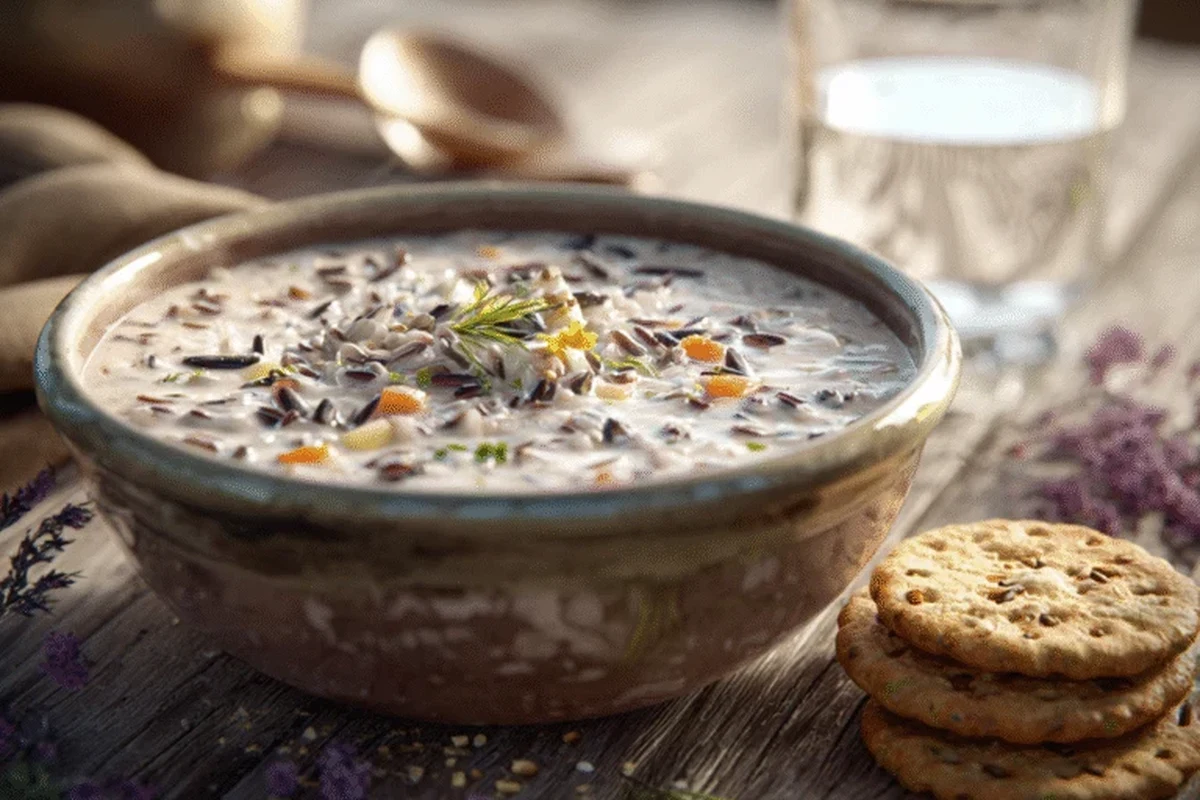
For many home cooks, the allure of a creamy wild rice soup lies in the balance of textures: the chewiness of the grain against the silkiness of a perfectly emulsified cream base. Mastering this dish requires an understanding of how aromatics and slow-cooked rice interact to create a cohesive, warming experience.
What Makes Byerly’s Wild Rice Soup So Iconic?
A Brief History of the Midwest Staple
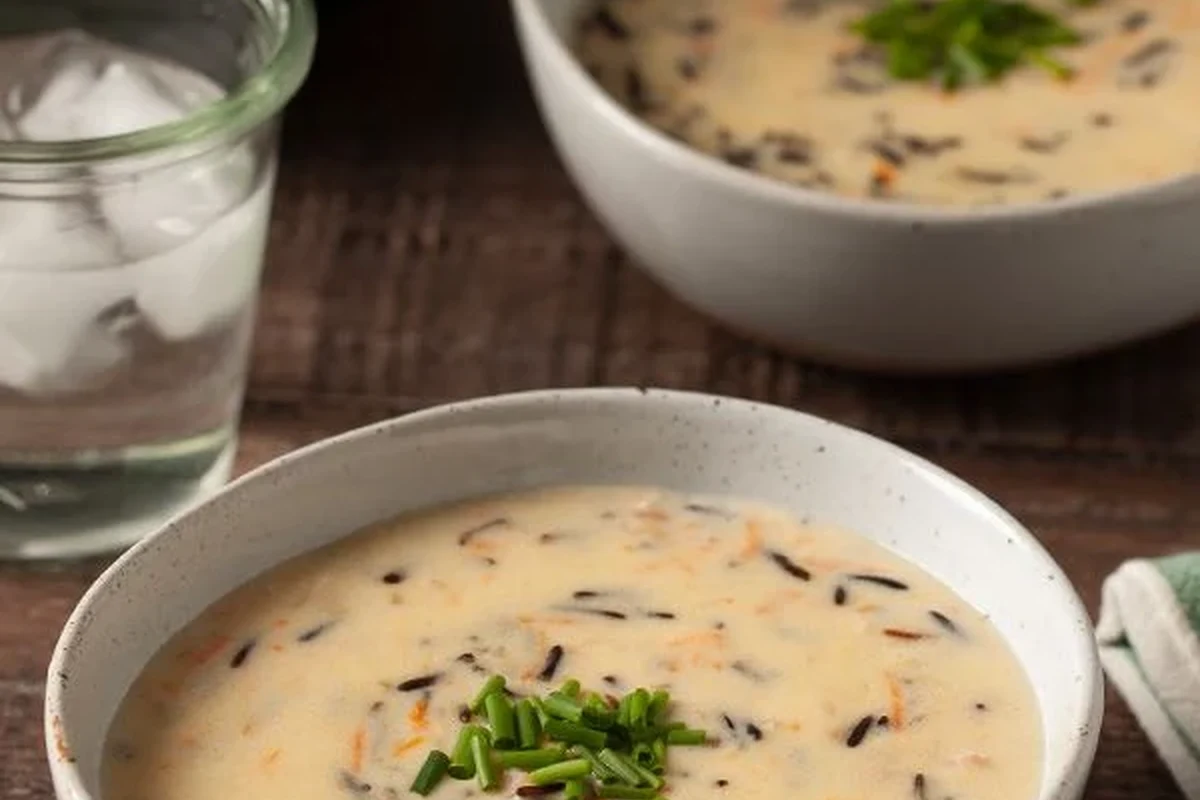
Originating from the culinary culture of Minnesota, wild rice soup has long been a staple of grocery store delis and fine-dining establishments alike. The specific “Byerly’s” style is celebrated for its commitment to high-quality ingredients and a specific ratio of rice to broth that ensures every spoonful is satisfying without being overly heavy. Byerly’s wild rice soup
The Flavor Profile: Why It Defines Cozy Dining
The flavor profile relies on a traditional mirepoix (onions, carrots, and celery) sautéed until tender, providing a sweet base that cuts through the richness of the cream. The wild rice adds a nutty, deep flavor that is distinct from white or brown rice, making it the anchor of the dish.
Essential Ingredients for Your Homemade Batch
Selecting the Right Wild Rice
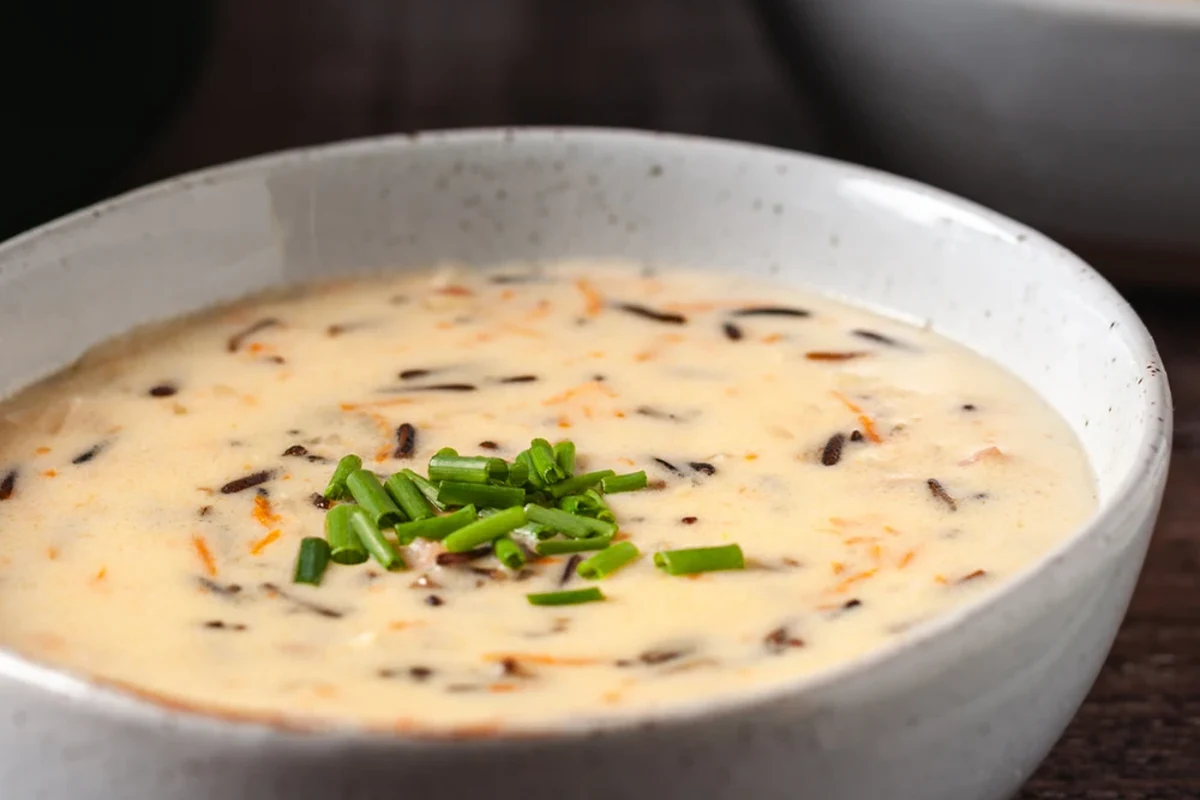
True wild rice is actually a semi-aquatic grass, not a grain. Look for “hand-harvested” or “paddy-grown” varieties that are dark, nearly black, and have a firm texture. Avoid pre-cooked or instant rice blends, as they will break down too quickly during the simmering process.
The Importance of Quality Poultry and Aromatics
Using a high-quality chicken or vegetable stock serves as the canvas for your soup. If using chicken, rotisserie leftovers work well for convenience, but poaching fresh chicken breasts in the stock base allows for a more controlled shredding size and flavor integration.
The Creamy Base: Achieving the Perfect Consistency
The hallmark of this soup is the cream base. A classic roux—fat cooked with flour—is the most reliable way to thicken the broth before adding heavy cream or a half-and-half mixture. Adding the dairy at the end of the cooking process is crucial to prevent curdling. Byerly’s wild rice soup
Step-by-Step Cooking Technique: Mastering the Texture
Pro-Tips for Substitutions and Dietary Adjustments
- Use a gluten-free flour blend for the roux.
- Alternatively, use cornstarch or arrowroot slurry to thicken the soup.
- Full-fat coconut milk can substitute cream, though it will alter the flavor profile.
- Cashew cream provides a neutral, creamy texture for dairy-free needs.
Common Mistakes to Avoid When Cooking Wild Rice Soup
- Use low-sodium broth to maintain control over the final salt level.
- Keep the heat low once the cream is added to maintain a smooth emulsion.
- Don’t overcook the rice; it should retain a slight “pop” when bitten.
- Avoid boiling the soup after the cream has been added, as this causes separation.
Food Safety, Storage, and Reheating Guidelines
When reheating, use a low-heat setting on the stove. If the soup appears too thick after refrigeration, add a small splash of broth or water to restore the desired consistency, stirring gently to re-emulsify the fats. Byerly’s wild rice soup
Is This Recipe Worth the Effort? A Value and Verdict
Making this soup from scratch is significantly more cost-effective than purchasing deli-counter portions, especially when using bulk wild rice and home-cooked chicken stock. In 2026, as food prices fluctuate, learning to assemble this dish from pantry staples offers both financial savings and a higher-quality ingredient profile.
Frequently Asked Questions
While you can use pre-cooked rice to save time, it is often softer and may become mushy when simmered in soup. If you choose this route, add it at the very end just to heat through.
Curdling usually happens if the soup is boiled after the cream is added or if the cream was added to an overly acidic base. Keep the heat low and add dairy at the final stage.
Following food safety standards, store the soup in an airtight container for 3 to 4 days. Always ensure it is cooled quickly before refrigerating.
Creamy soups often separate upon thawing. It is best to freeze the soup base without the cream and stir the dairy in once the soup is reheated.
You can use a cornstarch slurry or a blended potato base to thicken the soup. Both methods provide a smooth texture without using wheat-based thickeners.
Yes, it is manageable for beginners. The main challenges are mastering the roux and managing the heat, both of which become easier with practice.