Beef Barley and Mushroom Soup Recipe | Hearty & Easy Homemade

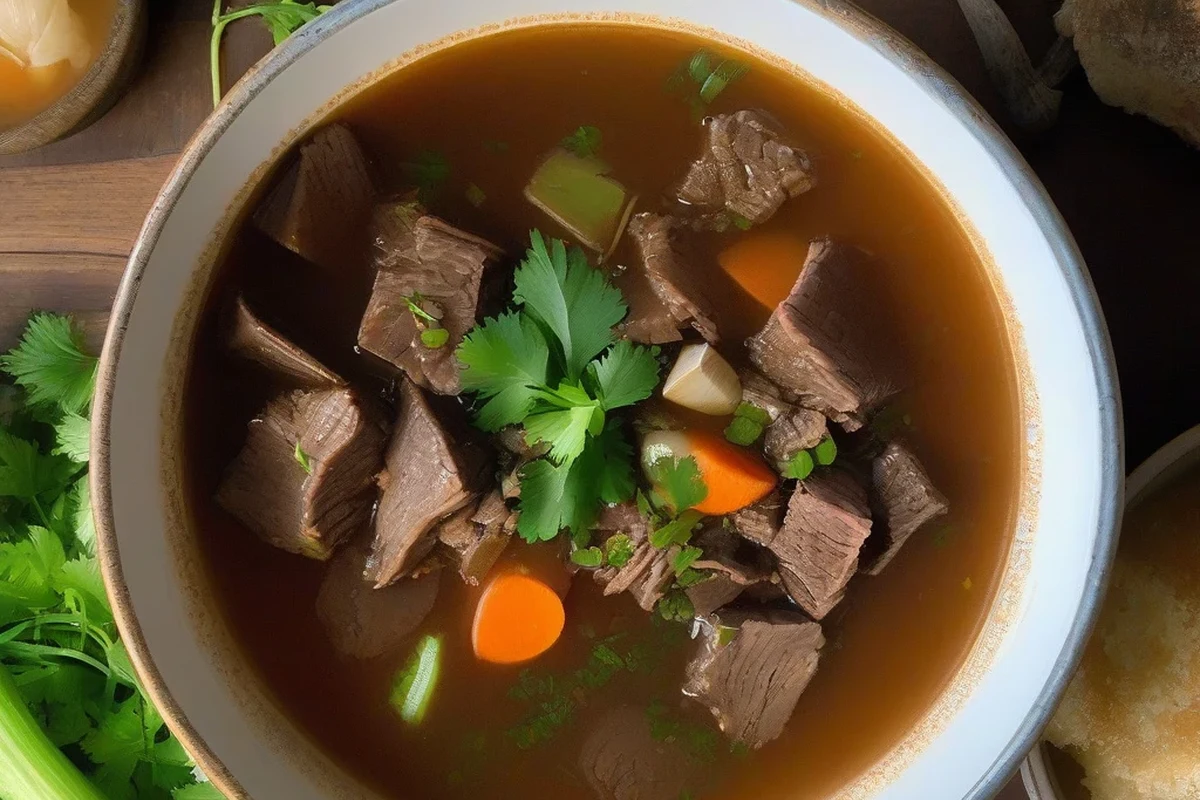
Beef barley and mushroom soup is a quintessential comfort meal that combines tender, slow-simmered protein with the earthy, umami-rich depth of forest mushrooms and the chewy, satisfying texture of barley. This dish remains a staple for home cooks in 2026, offering a balanced, nutrient-dense profile that warms the soul and satisfies the palate during cooler months.
- Flavor profile: Combines savory beef with earthy mushrooms and chewy barley.
- Best cuts: Use chuck roast or shank for long-simmering tenderness.
- Pro tip: Rinse barley before cooking to keep the broth clear and clean.
- Storage: Freezes exceptionally well for up to three months.
What Is Beef Barley and Mushroom Soup? A Hearty Belizean-Inspired Comfort
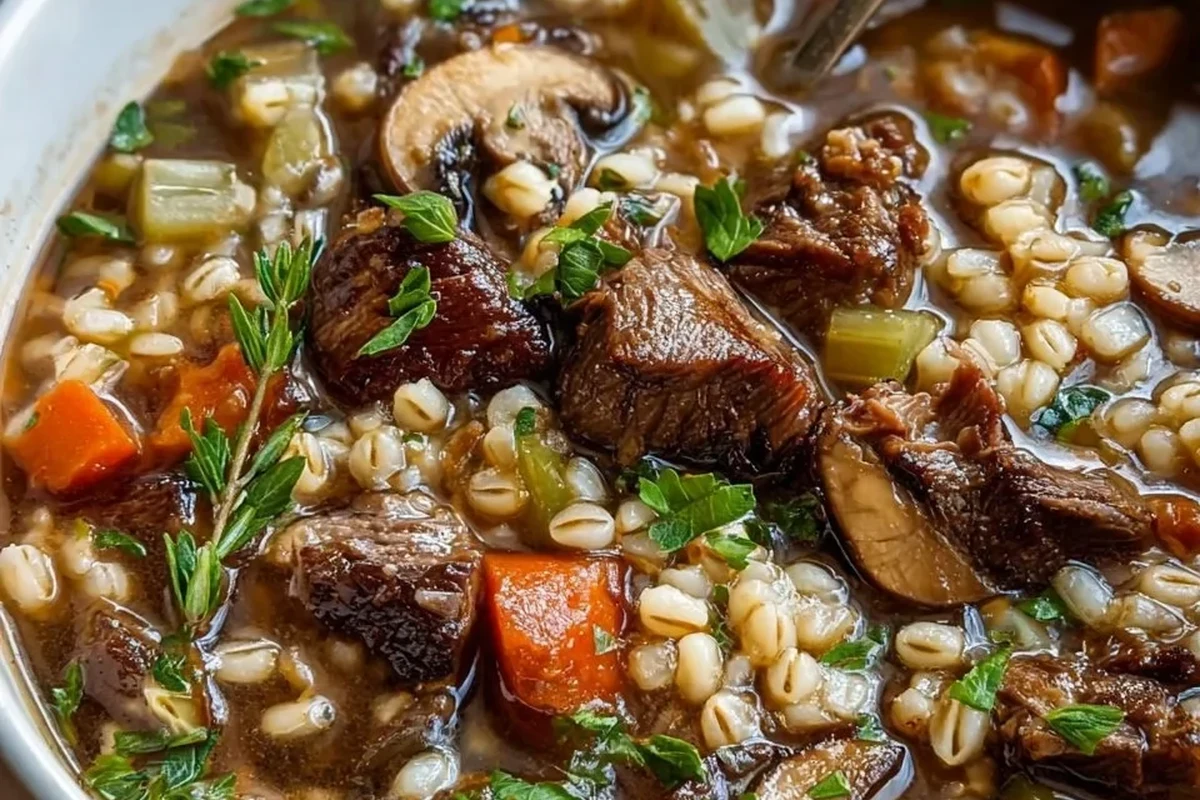
At its core, this soup is a masterclass in layering flavors. While many variations exist globally, a Belizean-inspired approach prioritizes a robust, slow-cooked broth that highlights humble ingredients. The key is the interaction between the beef’s savory juices and the mushrooms, which act as a natural flavor enhancer. Unlike lighter broths, this soup is designed to be a meal in itself, providing a rustic, filling experience that feels both traditional and timeless.
Why This Beef Barley and Mushroom Soup Deserves a Spot in Your 2026 Meal Rotation
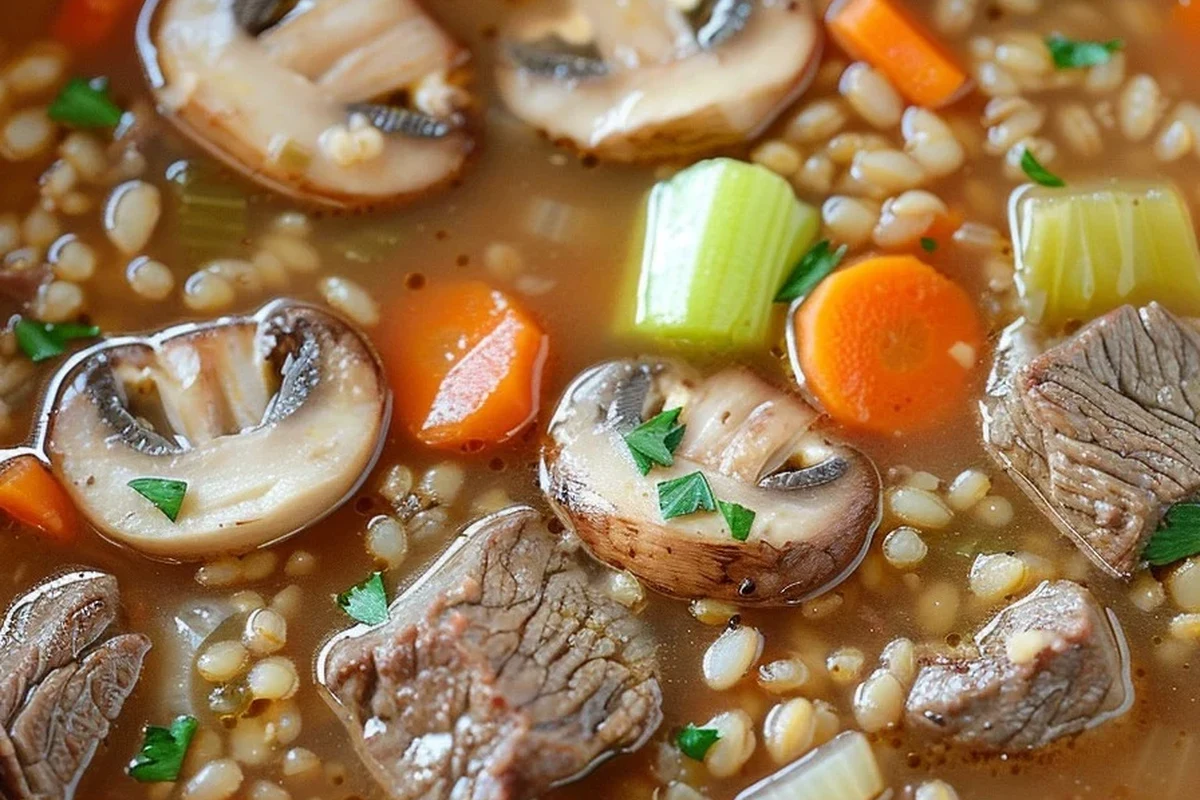
As we navigate 2026, the focus in home kitchens has shifted toward efficient, batch-cookable meals that do not sacrifice quality. This soup excels in meal prep, as the flavors often intensify after a night in the refrigerator. It is an economical choice, allowing for the use of more affordable cuts of meat that benefit from long, gentle simmering. Moreover, it serves as a reliable “kitchen sink” recipe, easily welcoming seasonal root vegetables or whatever fresh herbs you have on hand.
Essential Ingredients: Choosing the Best Components for Depth and Flavor
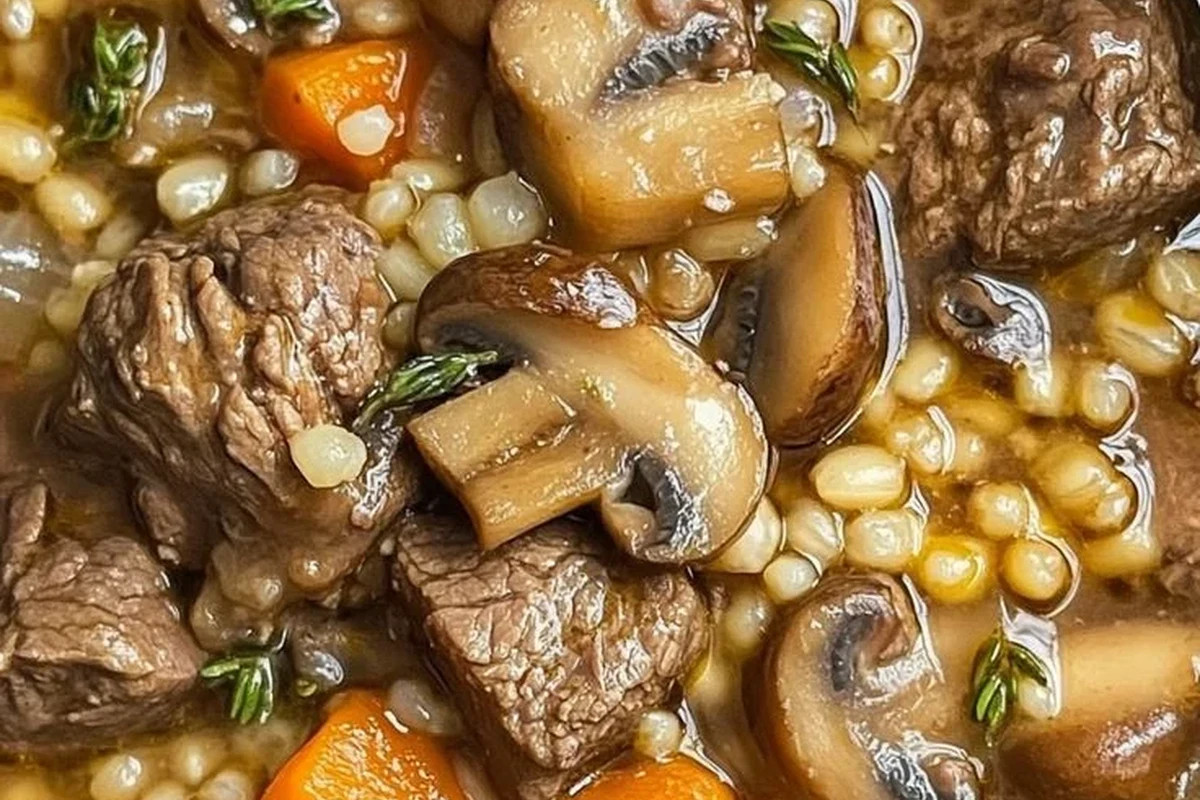
- Select marbled beef cuts for the best fat-to-meat ratio.
- Choose pearl or hulled barley based on your desired texture.
- Use a mix of mushroom varieties to maximize umami.
- Ensure you have a high-quality beef stock or bone broth base.
Selecting the Right Cut of Beef for Slow-Simmered Tenderness
For the best results, look for cuts with sufficient connective tissue, such as chuck roast or beef shank. As these break down during the simmering process, they release collagen, which gives the soup a rich, silky mouthfeel. Avoid lean cuts like sirloin, which can become tough and dry when subjected to prolonged heat.
Read more: Homemade Beef Bone Soup
The Role of Barley: Pearl vs. Hulled Varieties
Barley is the structural backbone of this dish. Pearl barley is the most common variety; it has been polished to remove the outer bran, meaning it cooks relatively quickly and creates a thicker, starchier broth. Hulled barley retains more of its bran, offering a nuttier flavor and a firmer, chewier bite. If you prefer a faster cook time, pearl is your best option.
Mushroom Mastery: Umami Profiles for a Robust Broth
To achieve a truly savory depth, do not rely on a single mushroom type. A blend of cremini, shiitake, and dried porcini mushrooms provides varying degrees of earthiness. Dried mushrooms, in particular, are a secret weapon; reconstituting them in warm water creates a concentrated mushroom “tea” that can be added to your broth for an extra punch of flavor.
Step-by-Step Cooking Guide: Achieving the Perfect Texture and Aroma
Techniques for Searing Beef and Building a Flavor Foundation
Always ensure your pot is sufficiently hot before adding the beef. If the meat is crowded in the pan, it will steam rather than sear. By working in batches, you ensure the meat develops a deep crust, which later deglazes into the liquid to form the base of your soup’s complexity.
Managing the Simmer: Balancing Barley Hydration and Vegetable Integrity
Barley is thirsty. It will continue to absorb liquid even after the heat is turned off. If you find your soup is becoming too thick, simply add a splash of water or extra broth during the reheating process. To keep vegetables like carrots and celery from turning to mush, consider adding them halfway through the cooking time if you prefer a slight bite. Homemade Beef Bone Soup
Substitutions and Customizations: Adapting the Recipe to Your Pantry
Gluten-Free and Vegetarian Alternatives for Modern Diets
For a gluten-free version, replace the barley with brown rice or wild rice, keeping in mind that these grains have different cooking times. To make this soup vegetarian, substitute the beef with hearty root vegetables like parsnips or sweet potatoes and use a high-quality vegetable stock, potentially adding a splash of soy sauce or miso paste to mimic the umami of meat.
Adding a Belizean Twist: Spices and Aromatics for a Local Flair
To infuse a Belizean character, consider incorporating a small amount of habanero (used whole and removed before serving for subtle heat) or a touch of allspice. These aromatics bridge the gap between traditional European-style beef soups and the vibrant, bold flavor profiles found in Caribbean cooking. Nutrition facts for beef and mushrooms
Common Mistakes to Avoid When Cooking Beef Barley Soup
- Rinse your barley thoroughly before adding to the pot to remove excess starch.
- Use a heavy-bottomed Dutch oven for consistent heat distribution.
- Boiling the soup vigorously, which toughens the beef.
- Adding salt too early; wait until the end to avoid over-salting as the broth reduces.
Preventing Mushy Barley and Overcooked Beef
The most common error is cooking everything for the same duration. Meat needs time to break down, while barley can turn into a paste if over-simmered. Monitor the grain texture closely; it should be tender but still hold its shape. If the beef is slow to tenderize, you may need to cover the pot tightly to trap moisture.
Balancing Salt and Acidity for a Balanced Mouthfeel
If the soup tastes “flat,” it often lacks a bright acidity. A small squeeze of fresh lime juice or a teaspoon of apple cider vinegar added just before serving can “wake up” the flavors of the mushrooms and beef, providing a clean finish to a heavy dish.
Food Safety and Proper Handling of Meat-Based Broths
Internal Temperature Guidelines and Cooling Protocols
Beef should be cooked until it reaches a tender, shreddable consistency, which typically corresponds to an internal temperature well above the safety threshold. When storing, ensure your refrigerator is set to 40°F or below to prevent bacterial growth.
Storage, Reheating, and Maximizing Shelf Life
This soup is a champion of the freezer. It stores well for up to three months when placed in airtight, freezer-safe containers. When reheating, do so slowly on the stovetop over medium-low heat. Remember that the barley will have absorbed much of the broth while frozen, so keep extra stock on hand to restore the desired consistency.
Final Verdict: Elevating Your Home Cooking with This Classic Soup
Frequently Asked Questions
Yes, ground beef works well for a faster-cooking version of this soup. However, you will lose the traditional texture of slow-simmered beef chunks.
The barley should be tender but still retain a slight, pleasant chewiness. If it becomes mushy, it has been cooked for too long.
Soaking is not strictly necessary but can reduce cooking time. Simply rinsing it thoroughly is sufficient for most recipes.
Stored in an airtight container, this soup will safely last for three to four days in the refrigerator. Always ensure it is cooled properly before storing.
Absolutely. Potatoes, kale, or peas are excellent additions that add texture and nutrition. Add delicate greens at the very end of the cooking process.
Thaw the soup in the refrigerator overnight and reheat it slowly on the stovetop. Add a little extra broth if the soup has thickened too much.