Pressure Cooker Frozen Chicken

Yes, you can safely cook frozen chicken in a pressure cooker by adjusting the timing to ensure the internal temperature hits 165°F. Always use a digital thermometer to verify safety before serving.
Cooking dinner when you have forgotten to thaw your protein is a common kitchen dilemma. Fortunately, using a pressure cooker to safely prepare frozen chicken is a highly effective method that saves time without sacrificing flavor or safety.
- Safety First: Always verify that the thickest part of the chicken reaches 165°F.
- Liquid Ratio: Ensure you have at least one cup of liquid to generate sufficient steam.
- Time Adjustment: Increase standard cook times by 20–50% for frozen cuts.
- Natural Release: Use a natural pressure release for at least 10 minutes to keep the meat.
Can You Safely Cook Frozen Chicken in a Pressure Cooker?
Yes, cooking frozen chicken in a pressure cooker is safe, provided you follow specific food-safety guidelines. Pressure cookers are designed to bring food to a safe internal temperature quickly, bypassing the “danger zone” where bacteria multiply rapidly. As of 2026, food safety authorities recognize that pressure cooking is an efficient way to transition poultry from a frozen state to a fully cooked, safe-to-eat meal.
Why the Pressure Cooker is a Game-Changer for Busy Home Cooks
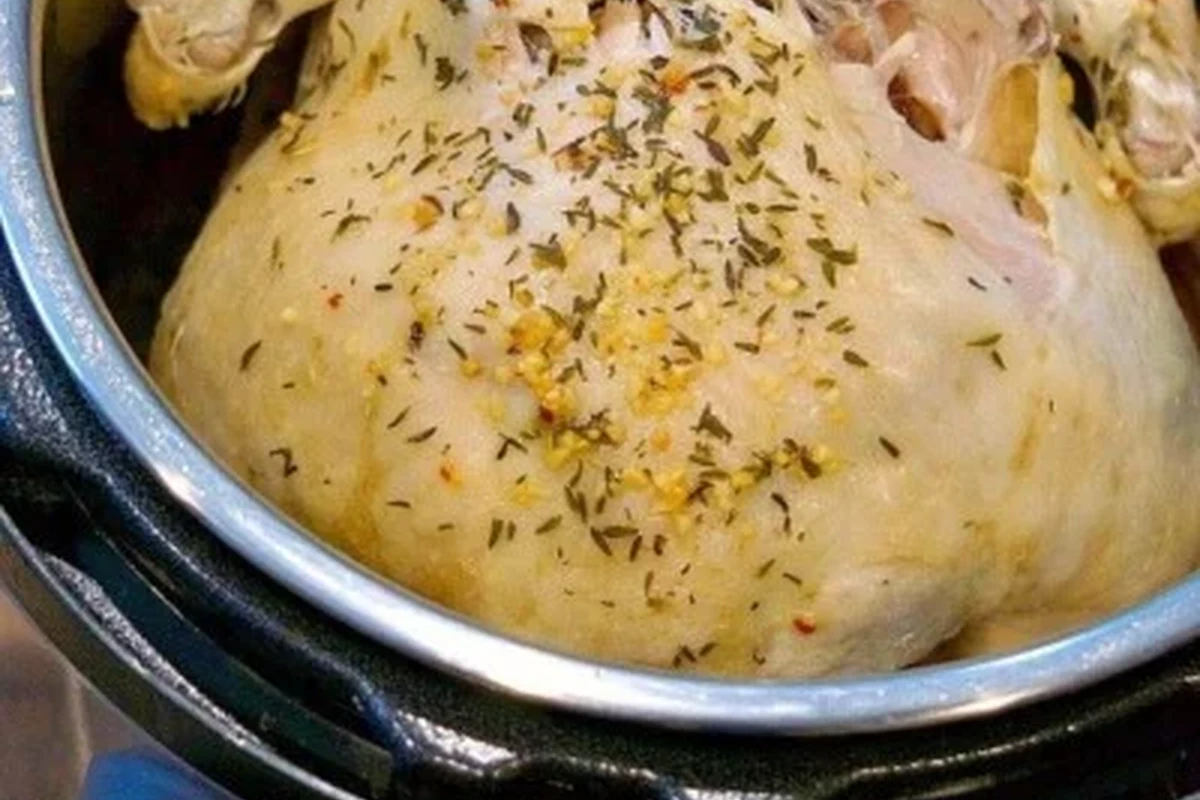
For many, the biggest hurdle to home cooking is time management. The pressure cooker eliminates the need for overnight thawing, allowing you to go from freezer to table in under an hour.
The Science of Pressure Cooking Frozen Poultry
Pressure cookers work by trapping steam, which increases the boiling point of water and pushes heat into the center of the meat much faster than an oven or stovetop. When cooking frozen chicken, the device effectively thaws and cooks the meat simultaneously, ensuring the internal temperature reaches the required 165°F (74°C) without the exterior becoming rubbery or dry.
Efficiency Meets Flavor: The Belizean Kitchen Perspective
In a bustling kitchen, efficiency is key. Whether you are preparing a quick frozen chicken breast in an Instant Pot or working with thighs, the sealed environment locks in moisture. By using aromatics and a flavorful cooking liquid, you can infuse the chicken with depth that mimics slow-cooked results, even when starting with a block of ice-cold poultry.
Always ensure your chicken pieces are not frozen into one solid, inseparable block. If they are stuck together, run them under cool water for a few seconds to separate them before placing them in the pot for even cooking.
How to Properly Prepare Frozen Chicken for the Instant Pot
Choosing the Right Cuts: Breasts vs. Thighs vs. Whole Birds
Not all cuts perform the same under pressure. Boneless, skinless breasts are the most common choice, but they can dry out if overcooked. Thighs are more forgiving due to their higher fat content, making them ideal for pressure cooking. While whole birds can be cooked from frozen, they require significant adjustments to timing and positioning to ensure the cavity and deep meat reach safe temperatures.
The Essential Liquid-to-Meat Ratio for Steam Circulation
Pressure cookers require liquid to build pressure. For frozen chicken, you need at least one cup of liquid—such as broth, water, or a seasoned sauce—to ensure the machine can build enough steam. If you are struggling with timing, consult our guide on how long to cook frozen chicken breast in an Instant Pot to calibrate your specific cut and weight.
Step-by-Step Guide: Cooking Frozen Chicken to Perfection
Food Safety Protocols: Ensuring Your Chicken Reaches Safe Internal Temperatures
Never assume the timer alone guarantees doneness. You must confirm that the meat has reached a safe internal temperature of 165°F (74°C) as measured by a reliable digital food thermometer.
Always insert the thermometer into the thickest part of the chicken, avoiding bone or cartilage, to get an accurate reading. If the center is still frozen or below 165°F, seal the pot and cook for an additional 2–3 minutes.
Common Mistakes to Avoid When Cooking Frozen Poultry
Overcrowding the Pot: Why Airflow Matters
Even in a pressure cooker, airflow is essential. If you pile too many frozen pieces on top of each other, the center of the stack may remain undercooked while the outside turns stringy. Aim for a single layer if possible.
Neglecting the “Frozen” Time Adjustment
A common error is using the same cook time for fresh chicken. Frozen chicken requires extra time to thaw under pressure. If you are looking for specific timing, refer to resources like our Instant Pot frozen chicken breast breakdown for precise estimates.
Storage, Reheating, and Repurposing Leftovers
Once cooked, chicken should be cooled within two hours and stored in an airtight container. It will keep in the refrigerator for 3–4 days. To reheat without drying it out, add a splash of broth or water to the container and warm it gently on the stove or in the microwave at a lower power setting.
Final Verdict: Is Pressure Cooking Frozen Chicken Right for You?
Pressure cooking frozen chicken is an essential skill for the modern, busy home cook. It is an ideal method for weeknight meals where convenience is the priority. While it may not provide the crispy skin of a roasted bird, the resulting tender, juicy meat is perfect for shredded tacos, soups, or salads. If you value time-saving techniques without compromising on food safety, this method is a highly effective addition to your culinary repertoire.
Common Questions
No, the pressure cooker is designed to handle frozen chicken, provided you increase the cook time accordingly.
It is best to cook them separately, as the extra time needed for frozen chicken will turn most vegetables into mush.
Yes, pressure cooking is an excellent way to achieve tender, shredded-style chicken quickly.
It is better to cook the chicken in broth first, then add your sauces and seasonings after the pressure is released.
Most electric pressure cookers work effectively for this; always follow the manual specific to your brand.
Frequently Asked Questions
Yes, you should always ensure you have the minimum required liquid for your specific pressure cooker model to build steam properly. Frozen chicken releases some water, but it is not a substitute for the required liquid base.
It is not recommended. The breading will become soggy and potentially fall off during the pressure cooking process, which can clog the pressure release valve.
Use a digital meat thermometer to ensure the thickest part of the chicken reaches an internal temperature of 165°F (74°C). This is the only way to confirm it is safe to eat.
It is better to cook the chicken separately first. Combining frozen chicken with other ingredients in a casserole often leads to uneven cooking and potential food safety issues.
While technically possible, it is difficult to achieve an even internal temperature. It is safer and produces better results to thaw the bird fully before cooking.
Do not eat it. Simply secure the lid, bring the pot back up to pressure, and cook for an additional 2–3 minutes, then re-check the internal temperature.