Chicken Roaster

A chicken roaster elevates your bird to ensure even heat circulation and perfectly crispy skin on all sides. It is a simple tool that prevents the meat from steaming in its own juices, resulting in a more succulent final dish.
A chicken roaster is a specialized kitchen tool designed to hold a whole bird upright or in a stable position, ensuring even heat circulation and perfectly crispy skin. For any home cook looking to elevate their Sunday dinner, this simple equipment is the secret to achieving professional-level results without the hassle of uneven cooking.
- Better Airflow: Elevating the chicken allows heat to reach the bottom, ensuring uniform cooking.
- Crispy Skin: Using a roaster prevents the bird from sitting in juices, which keeps the skin.
- Safety First: Always use a thermometer to verify an internal temperature of 165°F (74°C).
- Material Matters: Choose between cast iron for heat retention or stainless steel for easy maintenance.
What Is a Chicken Roaster and Why Every Belizean Kitchen Needs One
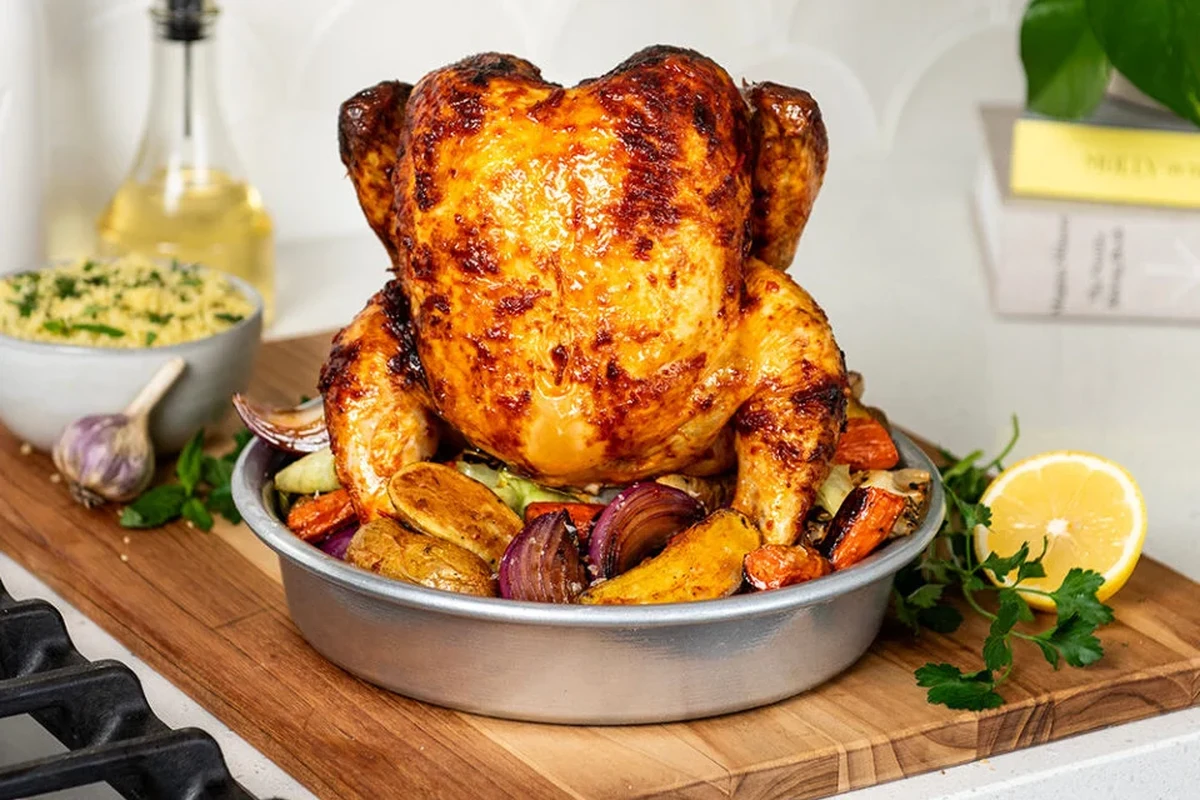
In Belizean cooking, where succulent roasted chicken is a centerpiece for family gatherings, the way a bird is prepared often defines the final quality. A chicken roaster—whether it is a vertical rack, a specialized pan with a rack, or a ceramic beer-can style stand—is designed to solve the two biggest problems in roasting: soggy skin and dry breast meat. By elevating the chicken or providing a stable base, a roaster allows hot air to circulate underneath the bird, which is essential for rendering fat and achieving that golden, crispy exterior we all crave.
Elevating your bird on a rack prevents the bottom of the chicken from steaming in its own juices, which is the primary cause of rubbery, pale skin on the underside of a roast.
How to Choose the Best Chicken Roaster for Your Needs
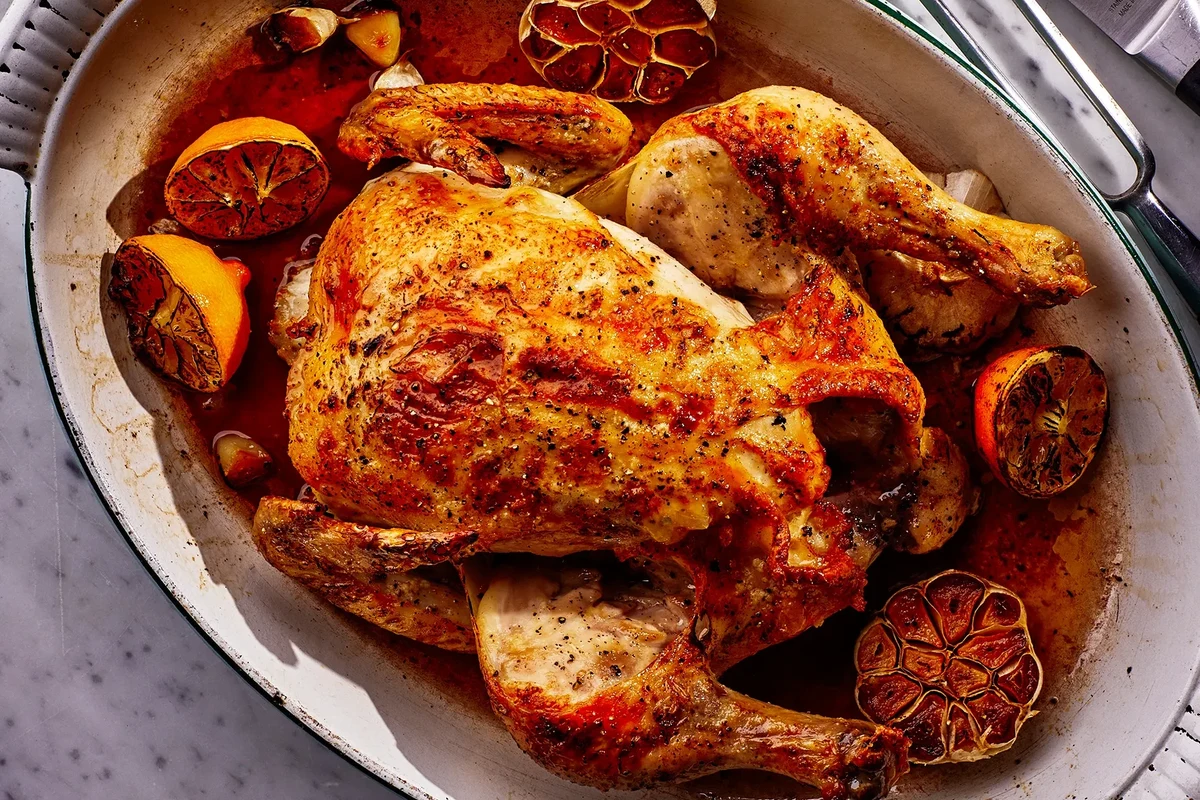
Selecting the right roaster depends largely on your oven size and how often you host larger gatherings. You don’t need a complex piece of equipment, but you do need one that fits your lifestyle.
Material Matters: Cast Iron vs. Stainless Steel vs. Ceramic
The material of your roaster affects heat retention and cleanup. Cast iron is a favorite for its ability to retain heat, which helps crisp the skin, though it requires more maintenance. Stainless steel is durable, dishwasher-safe, and lightweight, making it a reliable choice for busy kitchens in 2026. Ceramic stands, often used for vertical roasting, are excellent for moisture retention but can be fragile.
Sizing for Your Household: From Small Birds to Family Feasts
If you typically roast smaller chickens for weeknight meals, a compact vertical stand is ideal. For those who frequently prepare large birds for Sunday lunch, a heavy-duty roasting pan with a removable rack offers the most versatility. Ensure your choice fits comfortably inside your oven while leaving enough room for air to flow around the sides.
Essential Ingredients for the Perfect Belizean-Style Roasted Chicken
The soul of a great roast lies in the seasoning. To bring out the best flavors, you should explore the best spices for chicken that complement the natural richness of the meat.
The Spice Rub: Mastering the Recado and Local Aromatics
In Belize, we often rely on recado rojo (annatto paste) to give our chicken that signature vibrant color and earthy flavor. Combine your rub with fresh garlic, thyme, black pepper, and a touch of lime juice to create a marinade that penetrates the meat deeply. Applying this under the skin is the most effective way to ensure flavor reaches every bite.
Choosing the Right Bird: Freshness and Weight Considerations
Always opt for a fresh, high-quality bird. A chicken weighing between 3.5 and 4.5 pounds is usually the “sweet spot” for most home roasters, as it cooks evenly without drying out. If you are accustomed to other preparation methods, such as chicken oven grill techniques, you will find that a dedicated roaster requires slightly less attention during the cooking process.
Step-by-Step: Mastering the Art of the Roasted Chicken
Pat the chicken completely dry with paper towels. Moisture is the enemy of crispy skin.
Rub your spice mixture over the skin and, if possible, underneath it to season the meat directly.
Place the bird on your roaster. If using a vertical rack, ensure it is stable before moving to the oven.
Preparation Techniques for Crispy Skin and Succulent Meat
For the best results, let the seasoned chicken sit at room temperature for about 30 minutes before roasting. This helps the meat cook more uniformly. If you want to refine your skills further, experimenting with different meal prep ideas with chicken breast can help you understand how different cuts react to oven heat, though a whole bird remains the king of the dinner table.
Temperature Control and Cooking Times for Optimal Results
Start your oven at a higher temperature, around 425°F (220°C), for the first 15 minutes to sear the skin, then lower it to 375°F (190°C) for the remainder of the cooking time. This two-stage approach ensures a crispy finish while keeping the interior juicy.
Common Mistakes to Avoid When Using a Chicken Roaster
The most common error is overcrowding the roasting pan with vegetables, which blocks airflow. Keep the base of your roaster clear to allow the heat to circulate properly.
Preventing Dry Meat and Uneven Browning
Avoid opening the oven door too frequently. Every time you peek, the temperature drops, extending the cooking time and drying out the bird. If the skin begins to brown too quickly, tent it loosely with aluminum foil.
The Importance of Resting Your Chicken
Always let your chicken rest for at least 15 to 20 minutes after removing it from the oven. This allows the juices to redistribute throughout the meat, ensuring every slice is moist.
Food Safety and Handling: Ensuring a Healthy Meal
Always use a meat thermometer to ensure your chicken reaches a safe internal temperature of 165°F (74°C) at the thickest part of the thigh, away from the bone.
Internal Temperatures and Doneness Cues
Don’t rely on time alone, as oven calibration varies. A meat thermometer is the only reliable way to guarantee the bird is fully cooked. If the juices run clear when you pierce the thigh, it is a good indicator, but the temperature reading remains the gold standard.
Proper Storage and Reheating Guidelines for Leftovers
Store leftovers in an airtight container in the refrigerator within two hours of cooking. Use them within 3 to 4 days. When reheating, add a small splash of water or broth to the container to prevent the meat from becoming stringy or dry.
Real-Kitchen Benefits: Why Roasting Beats Frying for Weeknight Dinners
Roasting is significantly less messy than frying, and it allows you to multitask while the oven does the heavy lifting. It is a healthier alternative that produces a complex, deep flavor profile that is hard to replicate with other methods. Whether you are cooking for a large family or just preparing for the week ahead, the consistency of a chicken roaster makes it an indispensable tool.
Final Recommendation: Investing in Your Culinary Success
For those who love the tradition of a perfectly roasted bird, a quality chicken roaster is a worthwhile investment. It simplifies the process, guarantees better texture, and makes hosting or meal planning much more efficient. By choosing a durable material and following basic food safety and temperature guidelines, you can consistently serve restaurant-quality roasted chicken from your own kitchen in 2026 and beyond.
Common Questions
A vertical roaster holds the bird upright, which allows fat to render efficiently and ensures the skin crisps evenly all around.
Yes, you can place vegetables at the bottom of the pan to soak up the drippings, but don’t pack them too tightly as this blocks airflow.
Avoid overcooking by using a meat thermometer and letting the chicken rest for at least 15 minutes before carving.
Most stainless steel racks are dishwasher safe, but always check the manufacturer’s specific care instructions for your model.
Yes, ensure your bird fits the roaster size; a bird that is too large may touch the heating elements or prevent the oven door from closing properly.
Frequently Asked Questions
While you can roast a chicken on a baking sheet, using a roaster or rack improves airflow significantly. This helps achieve crispier skin and prevents the bottom of the bird from becoming soggy.
Pat the bird very dry before seasoning and start at a higher oven temperature for the first 15 minutes. Avoiding excessive basting with liquid during the final stages also helps maintain crunch.
You should wash your roaster thoroughly after every use with warm, soapy water. If it is dishwasher-safe, check the manufacturer’s instructions to ensure the material can handle the heat.
Yes, many vertical roasters or roasting pans are versatile enough to handle other poultry like duck or Cornish hens. Always ensure the size is appropriate for the weight of the meat.
Use a digital meat thermometer inserted into the thickest part of the thigh, making sure it does not touch the bone. The chicken is safe to eat once it reaches an internal temperature of 165°F (74°C).
Store leftover chicken in the refrigerator in an airtight container for up to 3 to 4 days. Always ensure it is refrigerated within two hours of cooking to maintain safety.