What to Cook with Chicken Sausage

Chicken sausage is a lean, versatile protein that excels in quick skillet meals, pasta dishes, and roasted sheet-pan recipes. Its pre-seasoned nature makes it an ideal shortcut for flavorful weeknight dinners.
Chicken sausage is a remarkably versatile, lean alternative to traditional pork-based links, offering a quick way to add protein and bold flavor to any meal. Whether you are looking for a weeknight dinner shortcut or a centerpiece for a weekend feast, this ingredient adapts beautifully to everything from Mediterranean skillets to hearty Caribbean-inspired stews.
- Lean Protein: Chicken sausage offers a lighter alternative to pork with plenty of flavor.
- Versatility: It pairs well with vegetables, grains, pasta, and various global spice profiles.
- Cooking Methods: Pan-searing, roasting, and grilling are all excellent ways to achieve a delicious finish.
- Safety First: Always cook to an internal temperature of 165°F (74°C) to ensure it is safe.
What to Cook with Chicken Sausage: The Versatile Kitchen Staple
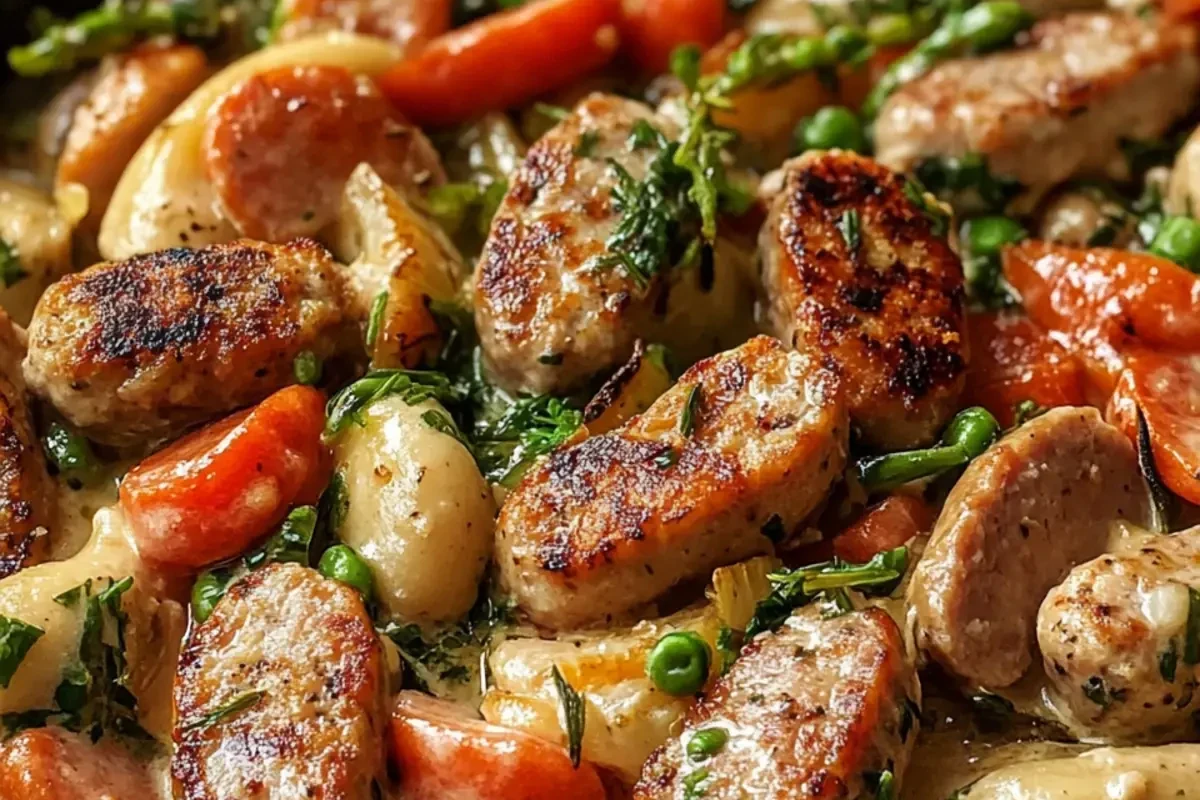
In the modern kitchen, efficiency is key. Chicken sausage stands out as a “pre-seasoned” hero, meaning much of the heavy lifting in terms of flavor development is already done for you. Because it is typically lower in fat than traditional sausage, it pairs effortlessly with a wide array of vegetables, grains, and starches.
Understanding Chicken Sausage: What Is It and Why Choose It?
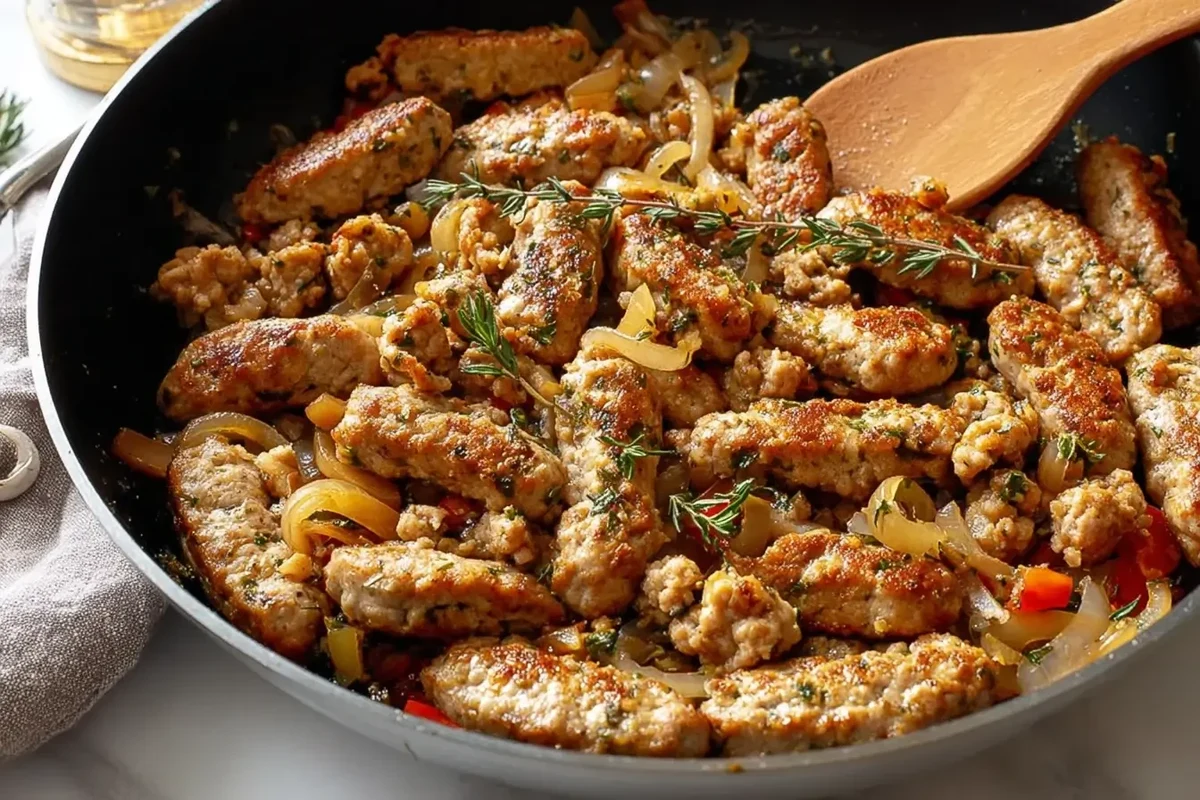
Chicken sausage is primarily made from ground chicken—often a mix of breast and thigh meat—combined with herbs, spices, and occasionally cheese or sun-dried tomatoes. Unlike its pork counterpart, which can be quite heavy, chicken sausage offers a lighter profile that doesn’t weigh down the palate.
The Nutritional Profile: Lean Protein Meets Flavor
While nutritional content varies by brand and specific recipe, chicken sausage is generally recognized as a lean protein source. Many versions available in 2026 are crafted with fewer additives, making them a popular choice for home cooks focusing on simple, recognizable ingredients. Always check the nutrition label for sodium content, as the curing process and seasonings can significantly impact the final count.
Who Benefits Most from Cooking with Chicken Sausage?
This ingredient is a boon for busy parents, individuals focused on meal prep, and beginners who want to build confidence in the kitchen. If you enjoy experimenting with meal prep with chicken breast, you will find that chicken sausage acts as a perfect, low-effort companion to your pre-cooked grains and roasted vegetables.
When swapping chicken sausage into recipes that traditionally call for pork, consider adding a splash of chicken broth or a drizzle of olive oil to the pan; because chicken sausage has less fat to render, these additions help keep the overall dish moist and flavorful.
Buying Guide: How to Select the Best Chicken Sausage for Your Recipe
Deciphering Labels: Natural Casings vs. Skinless
You will typically find chicken sausage in two forms: encased and skinless. Natural casings provide that classic “snap” when you bite into them, which is ideal for grilling or pan-searing. Skinless versions, often sold as loose ground meat or pre-formed patties, are excellent for crumbling into pasta sauces or soups.
Flavor Profiles and Seasoning Considerations
The flavor spectrum for chicken sausage is vast. You can find everything from sweet apple and sage varieties to fiery jalapeño and cilantro blends. When planning your menu, consider the dominant spice profile. A mild, herb-forward sausage works wonders in a creamy pasta, while a spicy variety is better suited for a bold chicken leek and potato soup recipe.
The Belizean Twist: Infusing Local Flavors into Global Dishes
In Belizean cuisine, we embrace bold, aromatic seasonings. You can easily elevate standard chicken sausage by sautéing it with a base of onions, sweet peppers, and garlic, then finishing it with a touch of habanero or fresh cilantro. This approach transforms a simple sausage skillet into a vibrant dish that reflects the warmth of our local culinary traditions.
Essential Cooking Techniques for Perfect Chicken Sausage
Pan-Searing for Crispy Skin and Juicy Interiors
For encased sausages, pan-searing is the gold standard. Start with a cold pan and a small amount of oil, turning the heat to medium-low. This allows the fat to render slowly and the skin to brown evenly without burning. If you have been searching for ways to diversify your cooking, check out our guide on the grilled chicken on grill pan technique, which applies perfectly to these sausages as well.
Baking and Roasting: The Hands-Off Approach
Roasting is ideal for sheet-pan dinners. Toss your sausages with chopped potatoes, bell peppers, and red onions. Roast at 400°F (200°C) until the sausages are browned and the vegetables are tender. It is an effortless way to feed a crowd.
Grilling: Achieving the Perfect Char
Grilling imparts a smoky depth that complements the herbal notes in chicken sausage. Use indirect heat to ensure the inside is cooked through before moving the links over the flame for a final, appetizing sear.
Regardless of the cooking method, always ensure your chicken sausage reaches an internal temperature of 165°F (74°C). Use a meat thermometer to verify doneness, especially if the sausages are thick.
Recipe Spotlight: Quick and Flavorful Meal Ideas
One-Pan Mediterranean Chicken Sausage Skillet
Combine sliced chicken sausage with cherry tomatoes, kalamata olives, artichoke hearts, and baby spinach. Sauté until the tomatoes burst and create a natural sauce that coats the sausage perfectly.
Caribbean-Inspired Chicken Sausage and Vegetable Stew
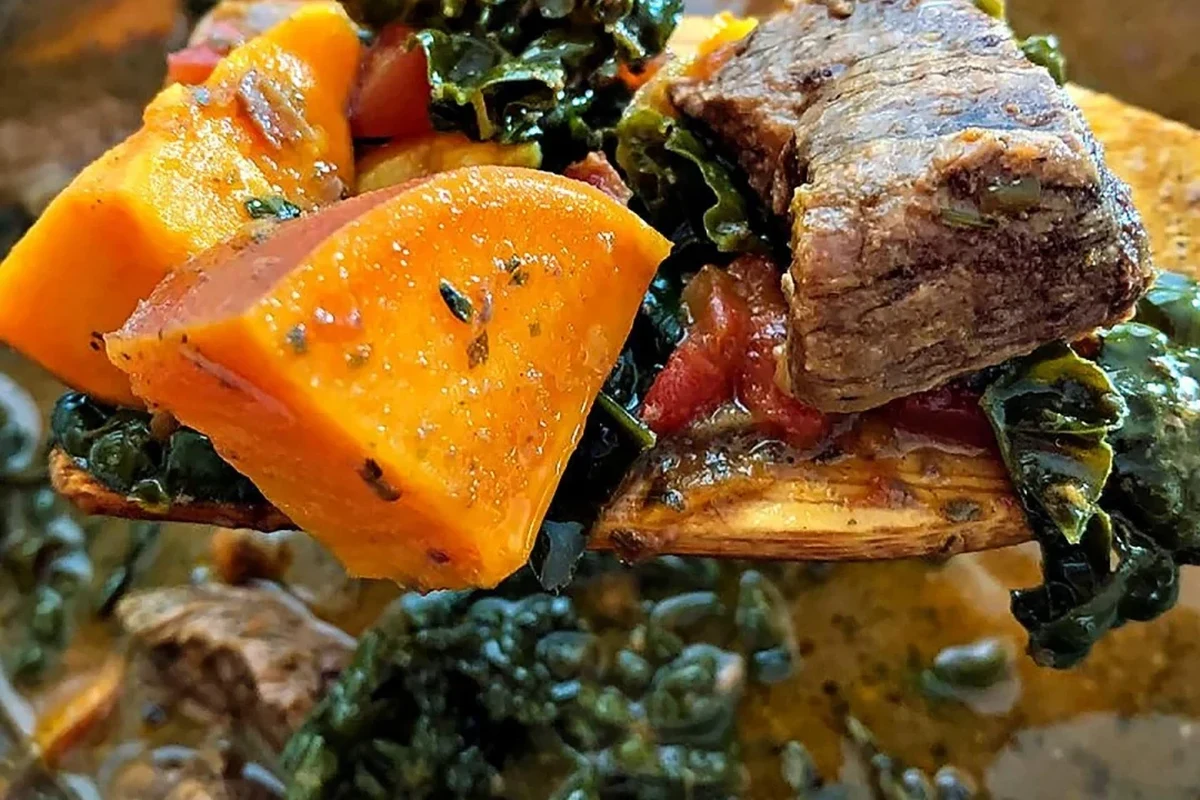
Simmer sliced sausages with diced pumpkin, carrots, and coconut milk. The creaminess of the coconut milk balances the spice of the sausage, creating a comforting, hearty stew.
Hearty Chicken Sausage Pasta with Fresh Herbs
Crumble skinless chicken sausage into a pan and brown it with garlic and chili flakes. Toss with your favorite pasta, a handful of fresh parsley, and a generous grating of Parmesan cheese.
Safe Handling, Storage, and Shelf Life
Food Safety Standards: Internal Temperature and Doneness Cues
Always keep raw chicken sausage refrigerated at or below 40°F (4°C). Cross-contamination is a risk, so ensure you wash cutting boards and utensils thoroughly after they touch raw poultry.
Proper Storage: Fridge vs. Freezer Longevity
In the refrigerator, fresh chicken sausage should be consumed within 1 to 2 days. If you buy in bulk, the freezer is your best friend. Properly wrapped, it can maintain quality for up to 2 to 3 months.
Value and Versatility: Why Chicken Sausage Belongs in Your 2026 Kitchen
As we move through 2026, the demand for accessible, high-quality proteins continues to grow. Chicken sausage bridges the gap between convenience and culinary creativity. It requires minimal preparation time and offers enough flavor to stand on its own, making it a reliable staple for any home cook looking to maximize value without sacrificing taste.
Final Recommendation: Elevating Your Weekly Meal Prep
To get the most out of your chicken sausage, focus on high-quality links that feature simple, whole-food ingredients. Use it as a versatile base to experiment with different flavor profiles—from classic Mediterranean herbs to tropical Caribbean spices. By mastering the basic searing and roasting techniques, you will find that this humble ingredient becomes one of the most reliable items in your kitchen repertoire.
Common Questions
It is generally a lean protein source, but always check the nutrition label for sodium levels and additives.
The casing is edible and helps the sausage hold its shape, but you can remove it if you prefer to use the meat as a crumble.
It is best to thaw the sausage in the refrigerator overnight to ensure even cooking and better texture.
It works perfectly with bell peppers, onions, potatoes, hearty greens, and pasta.
If it has reached 165°F (74°C), it is safe; however, some sausages may retain a slight pink hue due to curing ingredients or seasonings.
Frequently Asked Questions
The only reliable way to ensure safety is using a meat thermometer. Chicken sausage should reach an internal temperature of 165°F (74°C).
Yes, it is a great substitute. Since chicken is leaner, you may need to add a little extra liquid or oil to the pan to prevent the dish from becoming dry.
Fresh chicken sausage should be kept in the refrigerator and consumed within 1 to 2 days of purchase for the best quality and safety.
Avoid overcooking by using medium-low heat during searing. Adding vegetables that release moisture, like tomatoes or peppers, also helps keep the links juicy.
Absolutely. Wrap it tightly in freezer-safe packaging to prevent freezer burn. It will maintain its quality for approximately 2 to 3 months.
Discard any sausage that has a slimy texture, an off-smell, or a change in color. When in doubt, it is always safer to throw it away.