Chicken Italiano

Chicken Italiano is a simple, tomato-based braised dish perfect for a quick yet flavorful weeknight dinner. It combines seared chicken with aromatic herbs and a savory sauce that pairs beautifully with pasta or crusty bread.
Chicken Italiano is a vibrant, comforting dish that brings together tender poultry, robust tomato sauces, and aromatic herbs in a single pan. It is a staple for home cooks looking to elevate their weekday dinner routine with minimal cleanup and maximum flavor.
- Searing is key: Always sear your chicken until golden-brown to build the flavor base.
- Internal temperature: Ensure chicken reaches 165°F (74°C) for food safety.
- Aromatics matter: Always bloom your garlic and onions in oil before adding the liquid.
- Storage: Keep leftovers in the fridge for up to 4 days or freeze for up.
What is Chicken Italiano? Defining the Flavor Profile
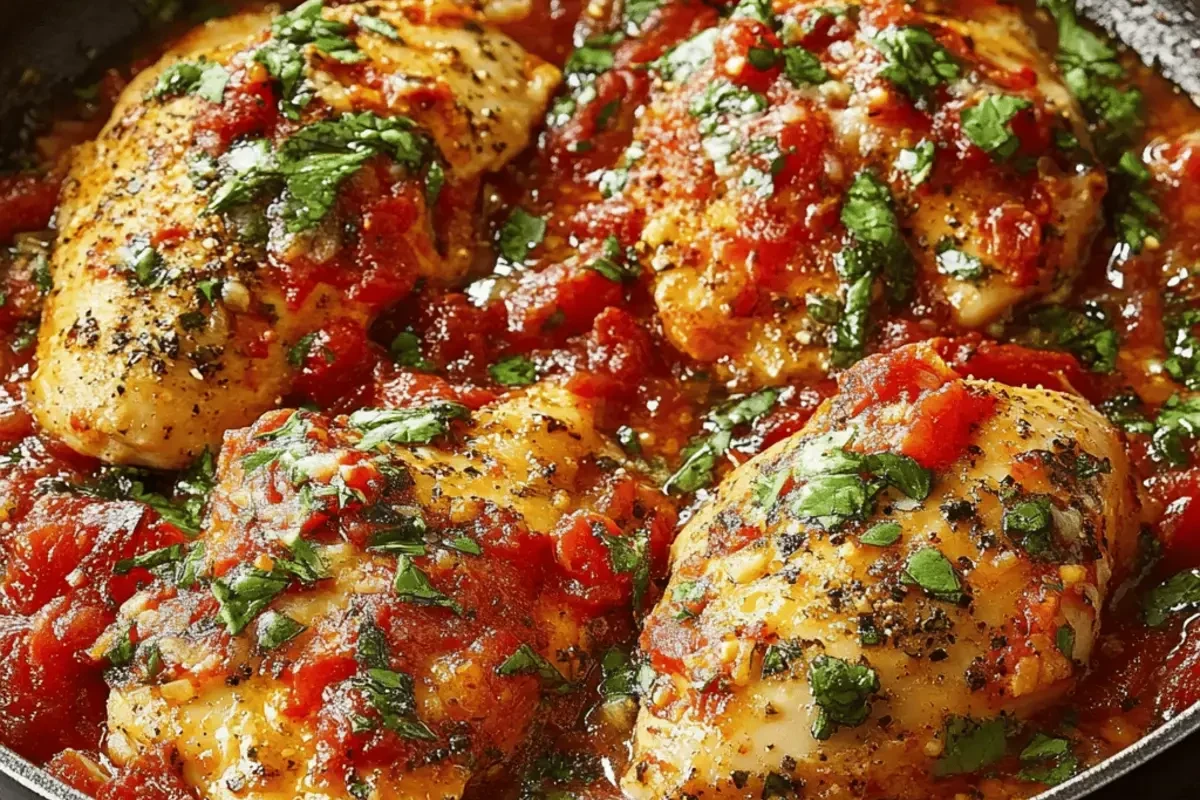
At its core, Chicken Italiano is a rustic, tomato-based braised chicken dish. Unlike complex French stews or heavily spiced Caribbean curries, this dish relies on the harmony of Mediterranean ingredients. The flavor profile is defined by the acidity of tomatoes, the earthiness of dried or fresh herbs, and the savory foundation provided by aromatics like garlic and onions. It is designed to be served over pasta, crusty bread, or polenta, allowing the sauce to be fully enjoyed.
Why Chicken Italiano is a Must-Have for Your 2026 Kitchen

As we navigate the culinary landscape of 2026, the demand for “slow-cooked” flavor in a “fast-paced” schedule remains high. Chicken Italiano fits this need perfectly. It is an incredibly forgiving recipe, making it an ideal choice for busy families or those looking to expand their repertoire beyond basic meal prep ideas with chicken breast. Because it improves in flavor as the ingredients meld, it is also a fantastic candidate for batch cooking, ensuring you have a high-quality, homemade meal ready even on your busiest days.
Essential Ingredients for an Authentic Chicken Italiano
Selecting the Perfect Cut: Breast vs. Thigh
The choice of meat significantly alters the texture of the finished dish. Using a chicken fillet breast provides a lean, quick-cooking option that is excellent for those prioritizing protein density. However, chicken thighs offer a higher fat content, which keeps the meat succulent during the simmering process, preventing it from drying out if the heat fluctuates.
The Role of Aromatics and Italian Herbs
Aromatics are the backbone of the sauce. Fresh garlic and yellow onion are non-negotiable. When it comes to seasoning, utilizing the best spices for chicken—such as dried oregano, basil, and a touch of red pepper flakes—creates a depth that mimics long-simmered sauces. Always toast your dry herbs in the oil for a few seconds before adding the liquid to bloom their essential oils.
Choosing the Right Tomato Base
For the best results, opt for high-quality canned crushed tomatoes or San Marzano whole peeled tomatoes that you crush by hand. The quality of the tomato base will dictate the final sweetness and acidity of your sauce.
If your tomato sauce tastes too acidic, add a small pinch of sugar or a finely grated carrot during the simmer. This balances the pH without masking the authentic Italian flavor.
Step-by-Step Cooking Technique: Achieving the Perfect Sear and Simmer
Mastering the Golden-Brown Crust
Before the braise, you must sear the chicken. Ensure the chicken is patted dry with paper towels to remove surface moisture. A hot pan is essential; if the pan is cold, the chicken will steam rather than brown. Aim for a deep, golden crust, as this “fond” (the brown bits stuck to the bottom of the pan) provides the base for a rich sauce.
Balancing the Sauce Consistency
Once you add the tomatoes, bring the mixture to a gentle simmer. Avoid a rolling boil, which can toughen the meat. If the sauce is too thin, continue to simmer uncovered for an additional 5–10 minutes to allow evaporation to concentrate the flavors.
Season the chicken pieces generously with salt, pepper, and dried herbs.
Brown the chicken in olive oil over medium-high heat until golden on both sides; remove and set aside.
Sauté onions and garlic in the same pan until translucent.
Add the tomatoes and return the chicken to the pan; cover and simmer until the chicken reaches a safe internal temperature.
Common Mistakes to Avoid When Cooking Chicken Italiano
One common mistake is overcrowding the pan during the searing phase. If the chicken is packed too tightly, the temperature drops, and you lose the sear. Another error is failing to deglaze; always add a splash of broth or wine to the pan after the aromatics are sautéed to scrape up those flavorful browned bits.
Food Safety and Doneness: How to Tell When It’s Ready
According to USDA food safety guidelines, chicken must reach an internal temperature of 165°F (74°C) as measured by a food thermometer. Always insert the probe into the thickest part of the meat, avoiding the bone, to ensure an accurate reading.
Storage, Reheating, and Meal Prep Guidelines
Maximizing Freshness: Proper Storage Techniques
Store leftovers in an airtight glass container in the refrigerator for up to 3 to 4 days. If you intend to keep it longer, you can freeze the chicken and sauce for up to 3 months. Ensure it is cooled completely before placing it in the freezer to prevent ice crystal formation.
Restoring Texture: The Best Ways to Reheat
Reheat on the stovetop over low heat, adding a tablespoon of water or broth to loosen the sauce. Avoid the microwave if possible, as it can cause the chicken to become rubbery.
Customization and Substitutions: Adapting the Recipe to Your Pantry
Ingredient Swaps for Dietary Restrictions
For a gluten-free version, ensure your thickeners (if any) are cornstarch-based. If you are watching your sodium intake, opt for “no salt added” canned tomatoes and use fresh herbs to boost flavor without the need for extra salt.
Elevating the Dish: Recommended Pairings and Sides
Pair this dish with a crisp green salad or roasted seasonal vegetables to round out the meal. For a hearty dinner, serve it over al dente penne or alongside a piece of toasted focaccia to soak up the sauce.
Final Verdict: Why This Recipe Remains a Timeless Classic
Chicken Italiano is a masterclass in simplicity. By focusing on quality ingredients and the proper searing technique, you create a dish that is both sophisticated and approachable. Whether you are a beginner cook or a seasoned home chef, this recipe offers a reliable, delicious result that earns its place in any 2026 kitchen rotation.
Common Questions
The secret is using high-quality crushed tomatoes and properly deglazing the pan after searing the chicken to capture all the flavor.
Yes, bell peppers, zucchini, or mushrooms are excellent additions that complement the tomato base perfectly.
Dried herbs work perfectly well; just add them early in the cooking process so they have time to rehydrate and infuse the sauce.
Absolutely, it reheats beautifully and the flavors often improve after sitting in the refrigerator for a day.
Wine is optional but adds a nice complexity; you can substitute it with chicken broth if you prefer not to use alcohol.
Frequently Asked Questions
Yes, you can use chicken breast. Just be mindful that it cooks faster and can dry out, so reduce the simmering time accordingly.
Simmer the sauce uncovered for the last 10 minutes of cooking. This allows excess moisture to evaporate and concentrates the tomato flavor.
Leftovers can be stored safely in an airtight container in the refrigerator for 3 to 4 days.
Dried herbs are excellent for the simmering phase as they release flavor over time. Fresh herbs like basil or parsley should be added just before serving for a bright finish.
The chicken is safely cooked when a meat thermometer registers an internal temperature of 165°F (74°C) at the thickest part.
Yes, it freezes well. Ensure it is fully cooled, then store in a freezer-safe container for up to 3 months.