Chicken Tips

Achieving perfect Belizean chicken relies on consistent marination techniques and careful temperature control during the cooking process. Use a thermometer to ensure your poultry is safe and juicy every time you cook.
Mastering poultry in the Belizean kitchen requires a blend of respect for traditional techniques and an understanding of how to handle fresh ingredients in a tropical climate. These chicken tips provide the foundational knowledge you need to elevate your home cooking throughout 2026 and beyond.
- Flavor Base: Use authentic recado and citrus-based marinades for traditional flavor.
- Safety First: Always reach an internal temperature of 165°F to ensure food safety.
- Moisture Control: Pat skin dry before searing to achieve a golden, crispy crust.
- Proper Storage: Keep raw chicken in a sealed container on the lowest refrigerator shelf.
Mastering Poultry: Essential Chicken Tips for the Belizean Kitchen
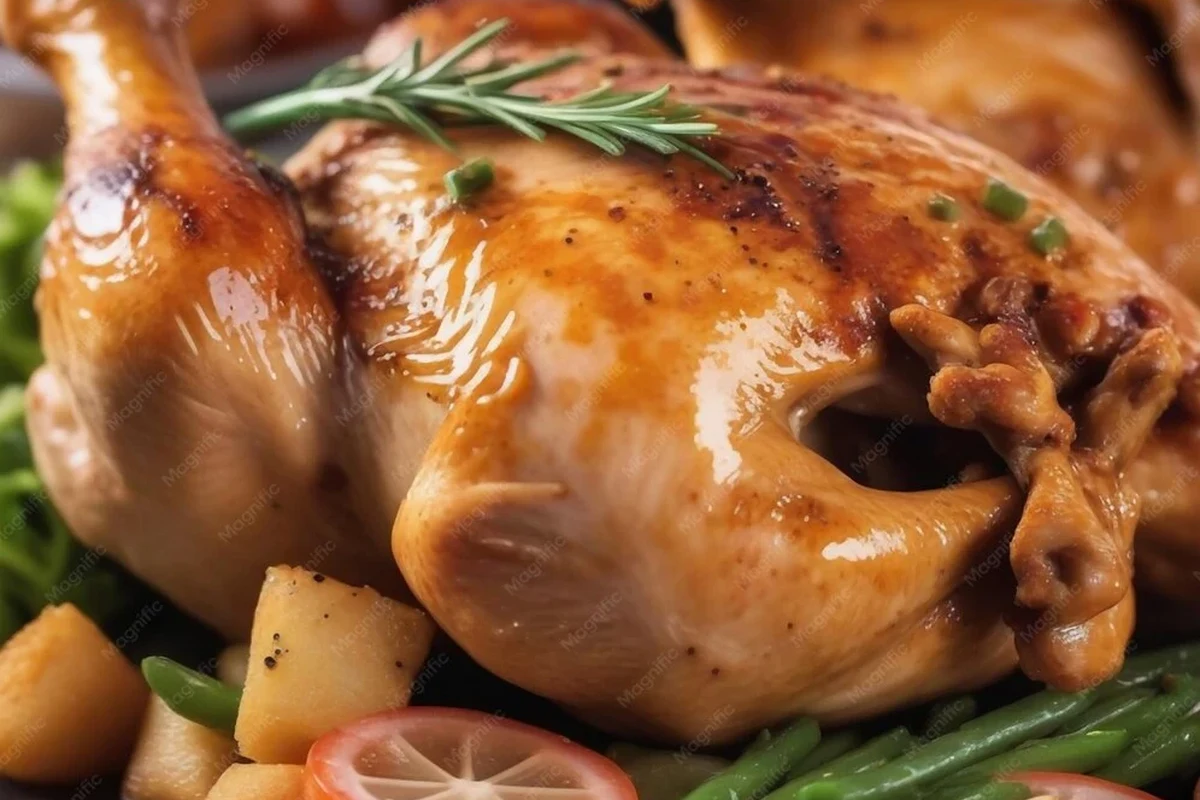
In Belize, chicken is the heartbeat of the daily menu, appearing in everything from Sunday dinner stews to quick weekday lunches. Achieving that signature depth of flavor isn’t just about the recipe; it is about how you treat the bird from the moment it enters your kitchen.
What Makes the Perfect Belizean-Style Chicken?
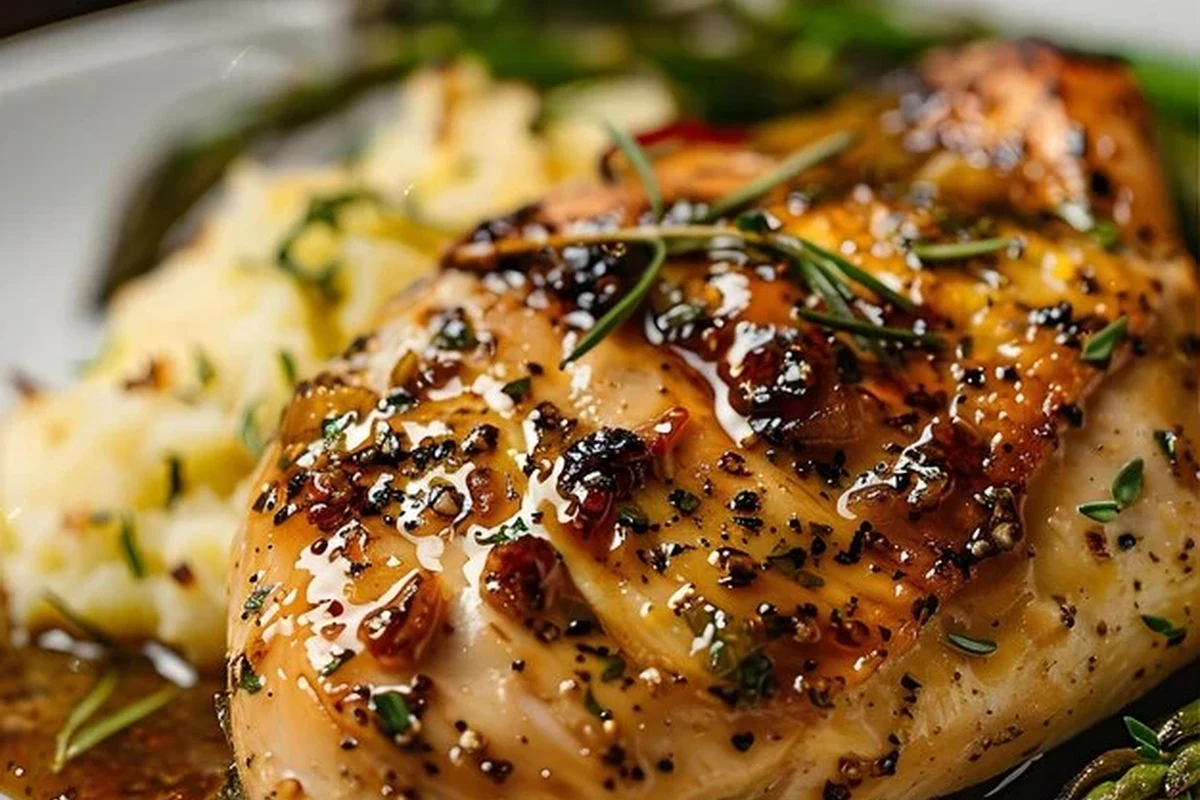
Defining the Flavor Profile: Recado and Beyond
The hallmark of Belizean chicken is the use of recado—a vibrant spice paste, often achiote-based, that provides color and earthy depth. Beyond the paste, success lies in balancing acidic marinades, such as sour orange or lime juice, with savory aromatics like garlic and onion. To truly master these flavors, you must familiarize yourself with the best spices for chicken to ensure your base seasoning is robust enough to stand up to long simmering times.
Why Technique Matters More Than the Bird
While high-quality poultry is important, your technique determines the final texture. Whether you are aiming for a fall-off-the-bone stew or a crisp, golden-skinned roast, controlling the heat and moisture is paramount. It is rarely the fault of the chicken when a dish turns out dry; it is almost always a matter of timing and temperature management.
Buying Guide: Selecting the Best Chicken for Your Recipe
Fresh vs. Frozen: What the Local Market Offers
In our tropical climate, fresh chicken is the gold standard, but frozen poultry is a staple for many households due to its accessibility. When purchasing frozen options, ensure the packaging is airtight and free of ice crystals, which indicate refreezing. If you find yourself frequently using frozen portions, learning the nuances of using frozen chicken in an Instant Pot can save you significant time without sacrificing safety.
Understanding Cuts: Bone-in vs. Boneless for Traditional Dishes
Bone-in chicken is essential for traditional Belizean stews, as the bones contribute collagen and flavor to the sauce. Boneless cuts, such as fillets, are better suited for quick sautés or lighter preparations. If you are looking for versatility, knowing how to work with a chicken fillet breast allows you to bridge the gap between quick weekday meals and more elaborate weekend feasts.
Always keep a thermometer handy. Regardless of the recipe, chicken is safely cooked when it reaches an internal temperature of 165°F (74°C) at its thickest part.
Preparation Techniques: From Cleaning to Marinating
The Proper Way to Clean Chicken for Tropical Climates
Cleaning chicken is a standard practice in many Belizean kitchens. Use cold water and a splash of lime juice or vinegar to rinse the meat. Always perform this in a way that avoids splashing water onto surrounding countertops to prevent cross-contamination.
The Science of Marination: Infusing Flavor into Every Fiber
Marinating is not just about surface flavor; it is about tenderizing. Because of our warm climate, always marinate chicken in the refrigerator. Acidic ingredients like lime juice start to “cook” the protein if left too long, so aim for 2 to 4 hours for smaller cuts and up to overnight for whole birds.
Cooking Methods: Achieving the Iconic Belizean Sear and Stew
Mastering the Stew: Low and Slow Techniques
A true Belizean stew requires patience. After searing the meat to lock in juices, reduce the heat to a gentle simmer. This allows the spices to penetrate the meat while the connective tissues break down, resulting in a tender, flavorful dish.
Grilling Secrets: Avoiding Flare-ups and Dry Meat
Grilling over an open flame is an art form. To keep the meat juicy, avoid moving it constantly. Let the chicken develop a crust before flipping. If you are working with larger portions, consider a two-zone fire to sear the meat over direct heat and finish it through indirect heat.
Stovetop Frying: Achieving the Perfect Golden Crust
For a crispy finish, ensure your oil is hot before adding the chicken. If the oil is too cold, the breading or skin will absorb the fat and become greasy rather than crispy. Use a heavy-bottomed pan to maintain consistent heat throughout the cooking process.
Common Mistakes and How to Avoid Them
- Use a meat thermometer for accuracy.
- Pat the chicken skin dry before searing.
- Let the meat rest for 5–10 minutes after cooking.
- Overcrowding the pan during frying.
- Adding seasoning too late in the process.
- Rinsing chicken in a way that splashes the sink area.
Food Safety and Storage Best Practices
Food safety is non-negotiable. Always wash your hands, utensils, and surfaces thoroughly after handling raw poultry. Store raw chicken on the lowest shelf of your refrigerator in a sealed container to prevent juices from dripping onto other foods.
Never leave raw or cooked chicken at room temperature for more than two hours. In humid, tropical conditions, this window can shrink to one hour.
Troubleshooting: Fixing Dry or Under-Seasoned Chicken
Salvaging Overcooked Poultry
If your chicken turns out dry, do not discard it. Shred the meat and toss it with a small amount of broth, lime juice, or a fresh salsa. This rehydrates the fibers and makes it perfect for tacos or salads.
Adjusting Flavors Mid-Cook: A Culinary Rescue Guide
If you realize your stew is under-seasoned, don’t just add salt. Add a concentrated “flavor bomb”—a quick sauté of garlic, onion, and fresh herbs—to the pot. This adds a fresh layer of aromatics that can balance out a bland dish.
Final Recommendations: Elevating Your Daily Chicken Routine
The most important step in improving your chicken dishes is consistency. By adopting a standard cleaning routine, utilizing a meat thermometer, and respecting the marination time, you will see a noticeable shift in the quality of your meals throughout 2026. Start by mastering one method—like a classic stew—before experimenting with more complex grilling or frying techniques.
Common Questions
Avoid overcooking by using a meat thermometer and letting the meat rest for at least five minutes before carving.
Rinsing with lime or vinegar is a traditional practice, but do it carefully to avoid splashing bacteria onto your countertops.
Pat the chicken skin thoroughly dry with paper towels before adding it to a hot pan or grill.
Raw chicken should be used within 1-2 days, while cooked chicken can last for 3-4 days when stored correctly.
Adding salt to your marinade helps the seasoning penetrate deeper into the meat fiber compared to seasoning just before cooking.
Frequently Asked Questions
For the best results, marinate chicken for 2 to 4 hours for smaller cuts. Whole birds can be marinated overnight in the refrigerator to allow flavors to penetrate deeply.
Tough chicken is often the result of cooking at too high a temperature for too long. Use a low and slow simmer to allow the collagen to break down properly.
The safest method is to thaw chicken in the refrigerator overnight. Avoid thawing on the counter, as this encourages bacterial growth in warm climates.
While a thermometer is recommended, you can check by piercing the thickest part; the juices should run clear. If they are pink or cloudy, it needs more time.
No, never reuse marinade that has touched raw chicken unless it has been boiled vigorously for several minutes to kill bacteria. It is safer to discard it.
Store leftovers in an airtight container in the refrigerator for up to 3 to 4 days. Ensure it is cooled within two hours of cooking.