How to Boil Chicken Tenders

To boil chicken tenders, submerge them in a pot of simmering broth or water with aromatics for 8 to 12 minutes. Ensure the liquid stays at a gentle tremor rather than a rolling boil to keep the meat moist and tender.
Boiling chicken tenders is a gentle, efficient way to prepare lean protein for salads, wraps, or shredded recipes without the need for added fats. By using a controlled poaching technique, you can ensure the meat remains moist, tender, and perfectly cooked every time.
- Temperature Control: Always poach at a gentle simmer, never a rolling boil, to prevent rubbery meat.
- Safety First: Use a meat thermometer to ensure the chicken reaches an internal temperature of 165°F.
- Flavor Infusion: Use broth and aromatics like garlic and herbs to add depth to the neutral.
- Meal Prep Ready: Boiled chicken is perfect for shredding and storing for quick, healthy meals throughout the.
How to Boil Chicken Tenders: The Ultimate Guide for Tender, Juicy Results
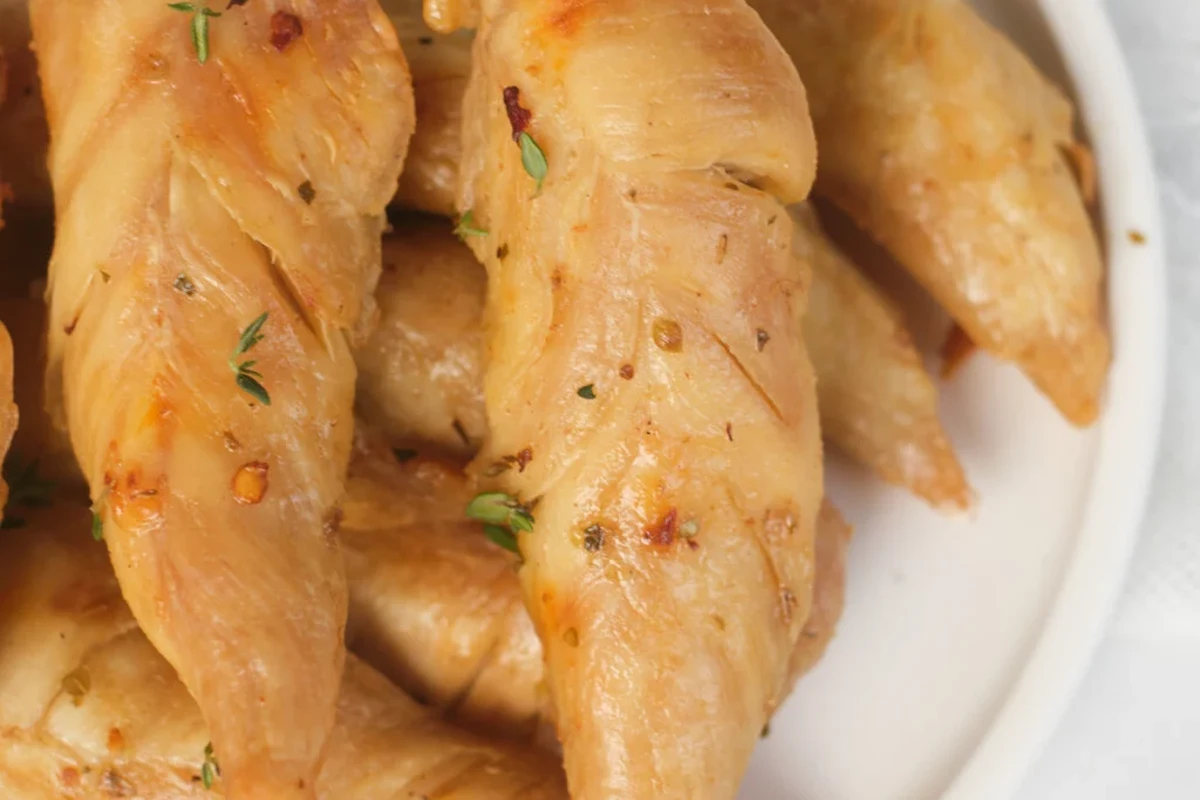
While many home cooks associate boiling with overcooking, when done correctly, it is one of the most reliable methods for achieving consistently soft chicken. Because chicken tenders are naturally lean and uniform in size, they respond well to a low-temperature poach, which preserves their texture better than aggressive, high-heat boiling.
What Are Boiled Chicken Tenders and Why Choose This Method?
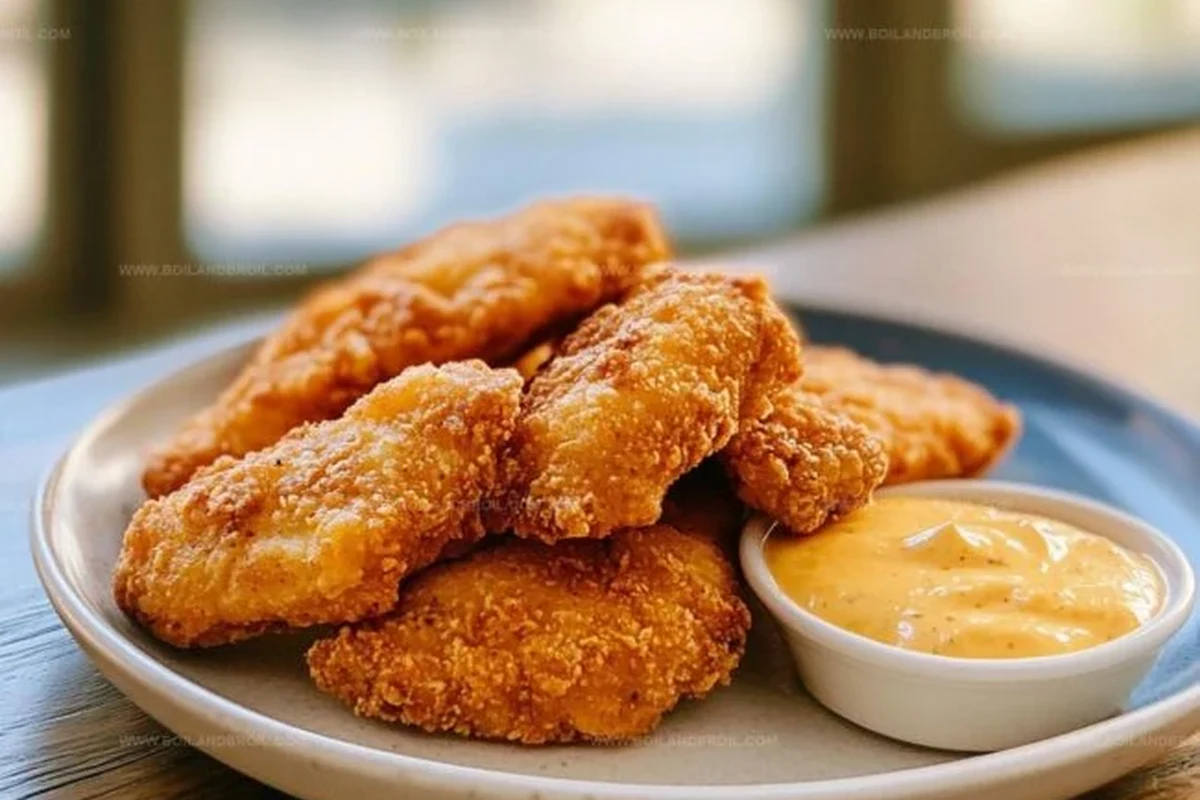
Boiled—or more accurately, poached—chicken tenders are cooked by submerging the meat in liquid heated to just below the simmering point. Unlike pan-searing or grilling, this method does not rely on fats for flavor, making it a clean, neutral base for various dishes.
The Benefits of Poaching vs. Boiling
True “boiling” involves vigorous bubbling, which can cause lean protein to toughen and turn rubbery. Poaching, however, keeps the liquid at a gentle tremor. This subtle difference is the secret to succulent results. Poaching allows the heat to penetrate the tenders evenly, preventing the exterior from drying out before the center is cooked through.
Who Should Use This Cooking Technique?
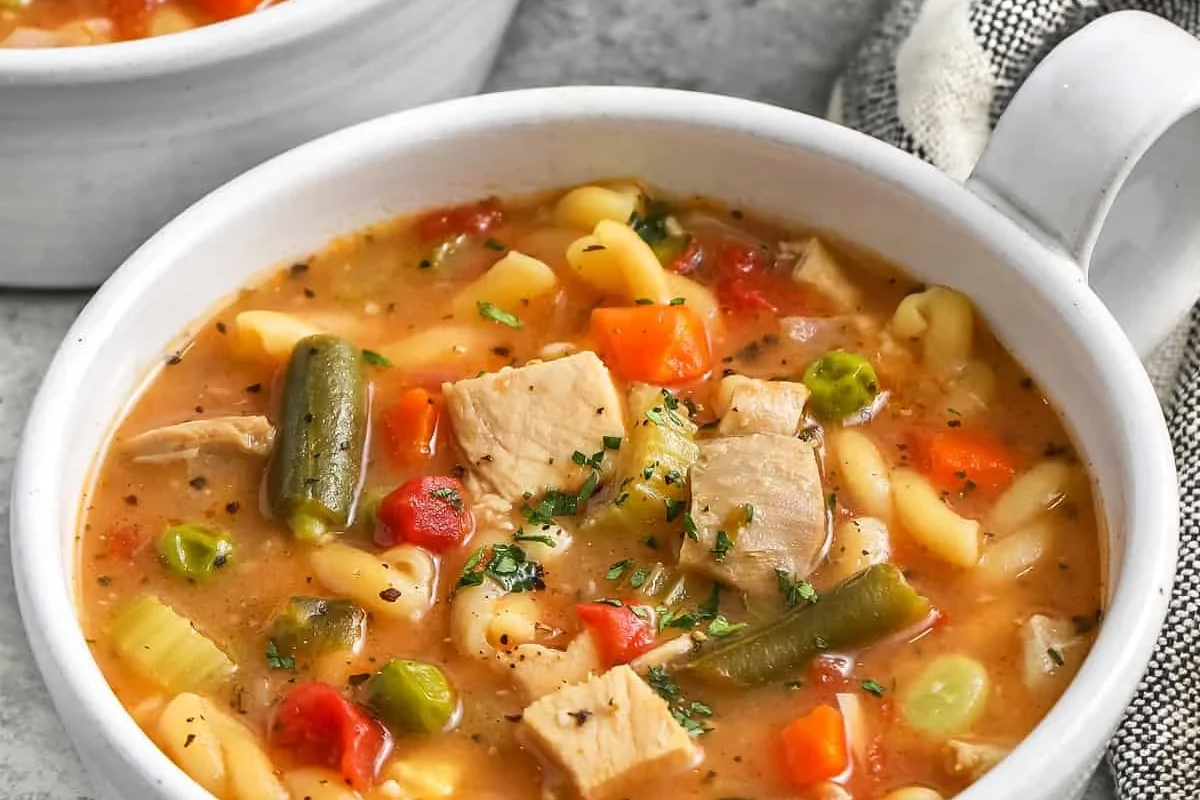
This method is ideal for meal preppers who need a large batch of shredded chicken for the week. It is also perfect for those who want a neutral, healthy protein source to add to a Zupas chicken noodle soup recipe or to use as a base for cold chicken salads. Since the process is hands-off, it fits perfectly into a busy kitchen routine in 2026.
Essential Ingredients and Equipment for Perfect Results
You don’t need fancy tools to get great results. A standard pot with a tight-fitting lid is the most important piece of equipment.
Selecting Quality Chicken Tenders
Always look for tenders that are firm and pink. Avoid any that appear gray or have a strong odor. Since tenders are small, they cook quickly, so try to select pieces of similar size to ensure they finish at the same time.
Aromatics and Liquids to Enhance Flavor
Water is the baseline, but you can elevate the flavor by using chicken stock, vegetable broth, or even a splash of white wine. Adding aromatics like garlic cloves, bay leaves, peppercorns, or onion slices to the liquid infuses the chicken with subtle depth. You can even experiment with how to use soup packets in the Belizean kitchen to create a highly flavorful poaching liquid.
Step-by-Step Guide: How to Boil Chicken Tenders Properly
Place your liquid (water or broth) and aromatics into a pot. Bring to a gentle boil, then reduce the heat to low.
Carefully lower the tenders into the liquid. Ensure they are fully submerged.
Cover the pot and maintain a very low heat. Do not let the water reach a rolling boil.
Cook for approximately 8 to 12 minutes, depending on the thickness of the tenders, until the internal temperature reaches 165°F.
Common Mistakes to Avoid When Boiling Chicken
The most common error is using too much heat. High-heat boiling creates a “shock” effect on the proteins, resulting in a stringy, tough bite. Additionally, avoid overcrowding the pot, as this lowers the water temperature too quickly and results in uneven cooking.
- Keep the liquid at a gentle simmer
- Use a meat thermometer for accuracy
- Boiling the liquid vigorously
- Overcooking the chicken past 165°F
Flavor Infusions: Elevating Your Boiled Chicken
Boiled chicken is a blank canvas. If you find the flavor too mild, try adding fresh herbs like thyme, rosemary, or parsley to the pot. Using a high-quality bone broth instead of water also adds richness that penetrates the meat during the poaching process.
Safe Handling and Food Safety Protocols
Always handle raw chicken with care to prevent the spread of bacteria. Wash your hands thoroughly after contact with raw poultry. According to food safety guidelines, ensure the chicken reaches an internal temperature of 165°F (74°C) as measured by a food thermometer.
Never leave chicken out at room temperature for more than two hours. If you are not eating it immediately, refrigerate it promptly in an airtight container.
Storage, Reheating, and Culinary Applications
Boiled chicken tenders store well in the refrigerator for up to 3–4 days. When reheating, do so gently in a microwave or on the stovetop with a splash of broth to prevent drying out. You can use your prepared chicken for many recipes, such as a quick Belizean chicken tacos recipe or shredded for salads.
Value and Efficiency: Why This Method Wins in a Busy Kitchen
Compared to pan-searing, which requires constant monitoring and cleanup of grease splatters, boiling is remarkably efficient. It is a “set it and forget it” method that produces a clean, versatile protein suitable for almost any meal.
Boiling—or poaching—chicken tenders is the best method for those prioritizing health, simplicity, and texture. While it lacks the crispy exterior of frying, it remains the most reliable way to produce moist, shredded chicken for a wide variety of meals throughout 2026.
Common Questions
Yes, boiling is a healthy, fat-free cooking method that preserves the moisture of lean proteins.
It is safer to thaw chicken tenders completely in the refrigerator before cooking to ensure even heat distribution.
Chicken or vegetable stock provides the best flavor, though seasoned water with aromatics works well too.
Some water-soluble vitamins may leach into the liquid, but using the liquid as a base for soups retains those nutrients.
Using enough liquid to fully cover the tenders and poaching at a low temperature prevents sticking and uneven cooking.
Frequently Asked Questions
Chicken tenders typically take between 8 to 12 minutes to cook when poached in simmering water. The exact time depends on the size and thickness of the tenders.
Using chicken or vegetable broth adds significantly more flavor to the meat than plain water. For the best results, use a high-quality stock.
The chicken is safely cooked when it reaches an internal temperature of 165°F (74°C) as measured by a food thermometer. This is the standard for food safety.
Rubbery texture usually occurs from cooking the chicken at too high a temperature or overcooking it past the recommended internal temperature. Keep the heat low and steady.
Yes, store it in an airtight container in the refrigerator for up to 3–4 days. Ensure it is cooled to room temperature before placing it in the fridge.
Adding garlic, bay leaves, peppercorns, onions, or fresh herbs like parsley will infuse the chicken with flavor. You can also use bouillon or herb-infused soup packets.