Recipes Using Chicken Stock

Chicken stock is a versatile, nutrient-dense base that adds depth and savory complexity to soups, stews, and rice dishes. By using a gentle simmer and proper storage techniques, you can easily elevate your home cooking with this essential ingredient.
Chicken stock is the backbone of flavorful cooking, providing a savory, complex foundation that transforms simple ingredients into memorable meals. Whether you are simmering a traditional stew or looking to enhance your everyday grains, understanding how to utilize this liquid gold is essential for any home kitchen.
- Flavor Foundation: Use stock instead of water to instantly add complexity to grains and sauces.
- Quality Matters: Choose low-sodium versions to keep control over your dish’s final seasoning.
- Clarity Technique: Always simmer stock gently rather than boiling to avoid cloudiness.
- Safe Storage: Cool stock rapidly in an ice bath before refrigerating or freezing to ensure food.
What is Chicken Stock and Why It’s the Secret to Belizean Flavor

In Belizean cooking, the depth of a dish often relies on the quality of its base. Chicken stock is created by simmering chicken bones, connective tissues, and aromatics for an extended period, which extracts collagen and creates a rich, mouth-coating texture. Unlike thin broths, true stock carries a body and depth that acts as a canvas for our signature spices and herbs. It is the invisible ingredient that elevates a humble pot of rice or a hearty soup from standard to extraordinary.
The Essential Guide to Choosing and Buying High-Quality Chicken Stock
Selecting the right stock can be overwhelming given the variety on grocery store shelves as of 2026. Understanding the difference between products ensures you have the right building block for your specific recipe.
Deciphering Labels: Store-Bought vs. Homemade
When reading labels, look for “stock” rather than “broth.” Stock is typically made from bones, resulting in a higher gelatin content, whereas broth is usually made from meat and is lighter in body. If you are buying store-bought, opt for “low-sodium” versions whenever possible; this gives you total control over the seasoning of your final dish, preventing it from becoming overly salty as the liquid reduces.
Key Ingredients and Decision Criteria for Quality
Check the ingredient list for natural aromatics like onions, carrots, celery, and herbs. Avoid products that rely heavily on yeast extract, artificial flavorings, or excessive preservatives. A high-quality stock should be clear when chilled—if it jiggles slightly, that is a sign of good collagen extraction, which promises a superior texture in your finished recipes.
Always keep a few cartons of high-quality, low-sodium stock in your pantry. It is the ultimate insurance policy for when you need to quickly assemble a nutritious meal like our Chicken Leek and Potato Soup Recipe.
Mastering the Foundation: How to Make Rich Chicken Stock at Home
Making stock at home is a rewarding way to reduce kitchen waste while maximizing flavor. It allows you to control the exact concentration of aromatics and the quality of the bones.
The Perfect Ratio of Aromatics and Bones
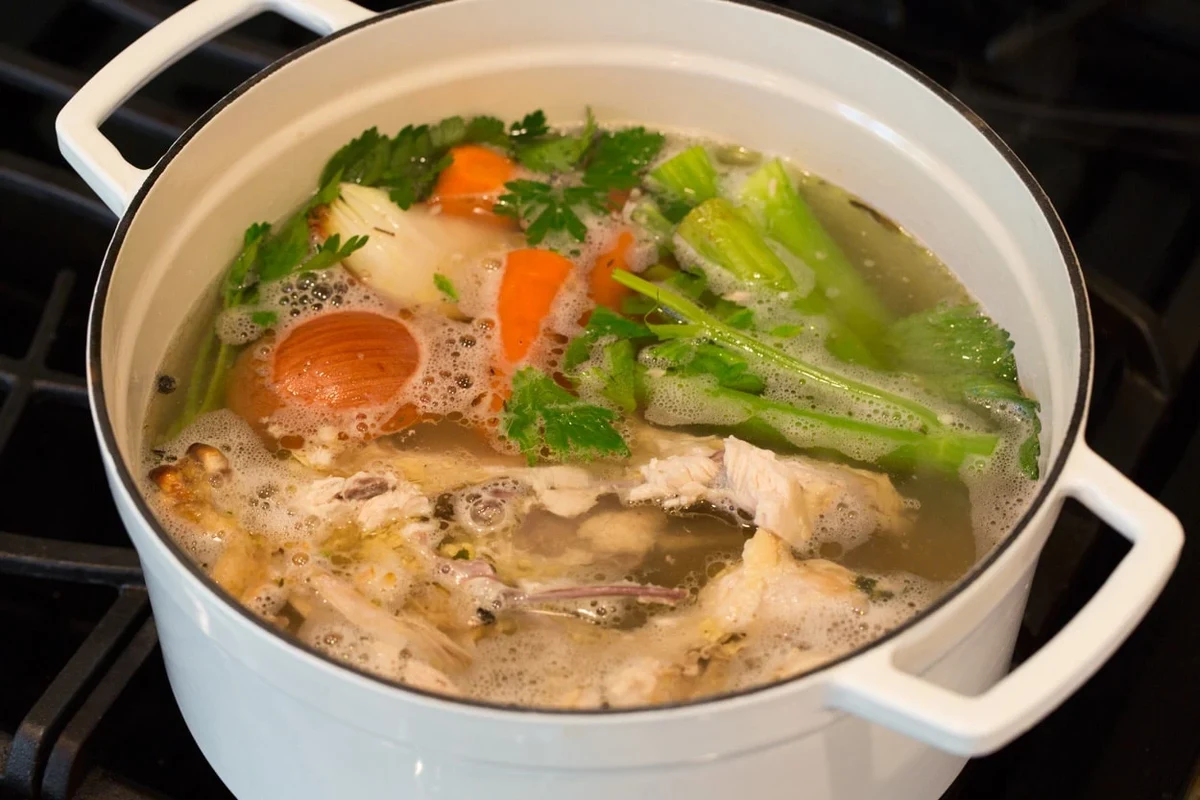
A standard starting point is approximately 2 pounds of chicken bones (roasted for extra color) to 3 quarts of water. Add a “mirepoix” of two onions, two carrots, and two stalks of celery, along with a bundle of fresh herbs like thyme, parsley, and a bay leaf. The goal is to submerge the ingredients just enough to cover them; adding too much water will result in a diluted, weak flavor.
Techniques for Achieving Clarity and Depth
The secret to a clear stock is a gentle simmer—never a rolling boil. Boiling emulsifies the fats into the liquid, making it cloudy. Skim the surface regularly to remove foam and impurities as the stock cooks. Once finished, strain the solids through a fine-mesh sieve or cheesecloth, then cool it rapidly before storing.
Versatile Recipes Using Chicken Stock: From Soups to Savory Sides
Chicken stock isn’t just for soups; it is a versatile tool for enhancing almost any savory dish.
Belizean-Inspired Escabeche: Elevating the Broth
Escabeche is a staple, and using a robust chicken stock instead of plain water adds a layer of savory complexity that balances the acidity of the vinegar and onions. It transforms the broth into a rich, flavorful sauce that perfectly coats the chicken and vegetables.
Creamy Coconut Rice: The Role of Stock in Texture
Using stock to cook rice is a game-changer. By substituting half or all of the water with chicken stock when preparing coconut rice, you infuse the grains with savory notes that complement the sweetness of the coconut milk. This technique ensures every bite is packed with depth.
Hearty Chicken and Vegetable Stew: A One-Pot Staple
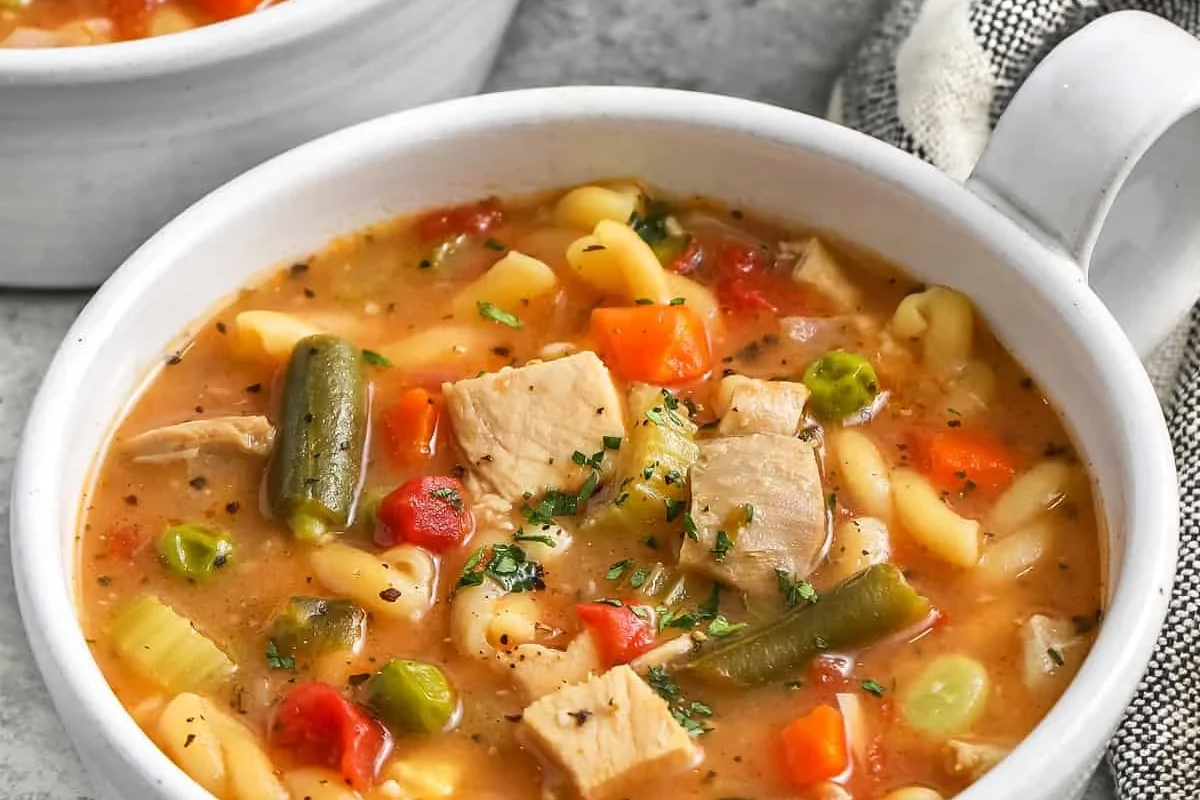
A good stew relies on the reduction of the stock. As the vegetables and chicken simmer, the stock thickens slightly, creating a comforting, velvety consistency. For those who enjoy variety, exploring different flavor profiles is easy; for instance, you might enjoy the comforting depth of a Chicken Noodle Soup Over Mashed Potatoes, where the stock serves as the primary bridge between the starch and the protein.
Gather your bones and aromatics, ensuring they are clean and chopped into large, uniform pieces.
Bring to a boil, then immediately reduce to a very low simmer for 3–4 hours, skimming the surface as needed.
Remove solids and transfer the liquid into clean containers; cool quickly in an ice bath before refrigerating.
Substitution Guide: What to Use When You’re Out of Stock
If you find yourself without stock, don’t panic. There are several ways to pivot without sacrificing the integrity of your meal.
When to Use Water, Bouillon, or Vegetable Broth
If a recipe calls for a large volume of liquid, water can work if you increase the aromatics (garlic, onion, herbs) in the dish itself. Bouillon is a convenient shortcut, but be mindful of its high salt content. Vegetable broth is an excellent alternative, though it lacks the specific savory depth of chicken bones; you might consider adding a dash of soy sauce or Worcestershire to mimic that umami profile.
Adjusting Seasoning Profiles for Different Substitutions
When switching to water or vegetable broth, you may need to adjust your salt and herb levels. Taste as you go, and remember that you can always add more seasoning, but you cannot remove it once it is in the pot.
Safe Handling, Storage, and Shelf-Life Best Practices
Proper storage is vital for maintaining the quality and safety of your chicken stock.
Cooling and Refrigeration Techniques for Food Safety
Never leave stock out at room temperature for extended periods. To cool it quickly, place the pot in an ice-water bath, stirring occasionally. Once cooled, store it in airtight containers in the refrigerator for up to 3–4 days, following standard food safety guidelines.
Freezing and Long-Term Preservation Methods
Stock freezes exceptionally well. Pour it into freezer-safe bags or containers, leaving room for expansion. You can also freeze it in ice cube trays for easy, portioned additions to pan sauces or sautéed vegetables. Frozen stock typically maintains its best quality for up to 3–6 months.
Always ensure your stock reaches a rolling boil for at least one minute before using it in a recipe if it has been stored in the refrigerator for more than 48 hours, or if you have any concerns about storage temperature fluctuations.
Troubleshooting Common Kitchen Issues with Chicken Stock
Even experienced cooks face challenges with stock. Here is how to handle common issues.
Fixing Over-Salted Broths and Cloudy Results
If your stock is too salty, adding a peeled, raw potato and letting it simmer for 15 minutes can help absorb some of the excess salt. For cloudy stock, while it doesn’t affect the flavor, it can be clarified by passing it through a coffee filter or using a “raft” of egg whites if you are feeling adventurous.
Managing Fat Content for Healthier Cooking
If you prefer a leaner stock, the easiest method is to chill the finished product in the refrigerator overnight. The fat will solidify on the surface, allowing you to lift it off with a spoon before reheating. This is a great way to manage the richness of your final dishes, such as when preparing a lighter version of the Chicken Mulligatawny Soup.
Final Recommendation: Integrating Chicken Stock into Your Weekly Meal Prep
Chicken stock is the ultimate foundational ingredient. By keeping a supply of homemade or high-quality store-bought stock on hand, you significantly reduce your prep time and guarantee a deeper, more professional flavor profile in your weeknight meals. Start by incorporating it into your grains and sauces this week to see how it transforms your cooking routine.
Common Questions
Stock is primarily made from simmering bones, which releases collagen and creates a richer texture. Broth is typically made from meat and is lighter in body and flavor.
Add a raw, peeled potato to the pot and let it simmer for about 15 minutes; the potato will absorb some of the excess salt.
Yes, roasting the bones until they are browned will significantly increase the depth of color and flavor in your final stock.
Yes, it is a great alternative, but you may need to add a splash of soy sauce or herbs to replicate the savory, umami notes of chicken stock.
Freezing is the best method for long-term storage; use freezer-safe containers or ice cube trays to portion it out for future recipes.
Frequently Asked Questions
Yes, you can, but you will lose significant depth of flavor. If you must use water, consider adding extra aromatics like onions, garlic, and fresh herbs to compensate.
Homemade chicken stock should be stored in an airtight container and used within 3 to 4 days. Always ensure it is cooled rapidly after cooking to maintain food safety.
Cloudy stock is typically caused by boiling the bones too vigorously, which emulsifies the fat into the liquid. To keep it clear, maintain a gentle, low simmer.
Homemade stock generally offers superior flavor and collagen content. However, high-quality store-bought, low-sodium stock is a convenient and effective alternative for busy kitchens.
Yes, chicken stock freezes very well. Use freezer-safe bags or ice cube trays for easy, portioned storage, and try to use it within 6 months for the best quality.
The most effective way is to chill the stock until the fat solidifies on the surface. You can then easily scrape the hardened fat off with a spoon.