Halved Chicken Breast

A halved chicken breast is a single portion separated from a whole breast, ideal for quick and even cooking. It is a versatile, lean protein that responds beautifully to marinades and high-heat searing.
A halved chicken breast is a versatile, lean cut obtained by slicing a whole double-lobed chicken breast into two individual portions. Mastering this cut allows for faster, more uniform cooking, making it an essential skill for preparing traditional dishes like a Belizean BBQ chicken recipe or quick weeknight meals.
- Uniformity: Always pound breasts to even thickness for consistent cooking.
- Safety: Use a digital thermometer to ensure an internal temperature of 165°F.
- Moisture: Pat the surface dry before searing to achieve a better crust.
- Flavor: Use acidic marinades like lime to tenderize and brighten the meat.
What is a Halved Chicken Breast and Why Use It?
Defining the Cut: Anatomy of a Halved Breast
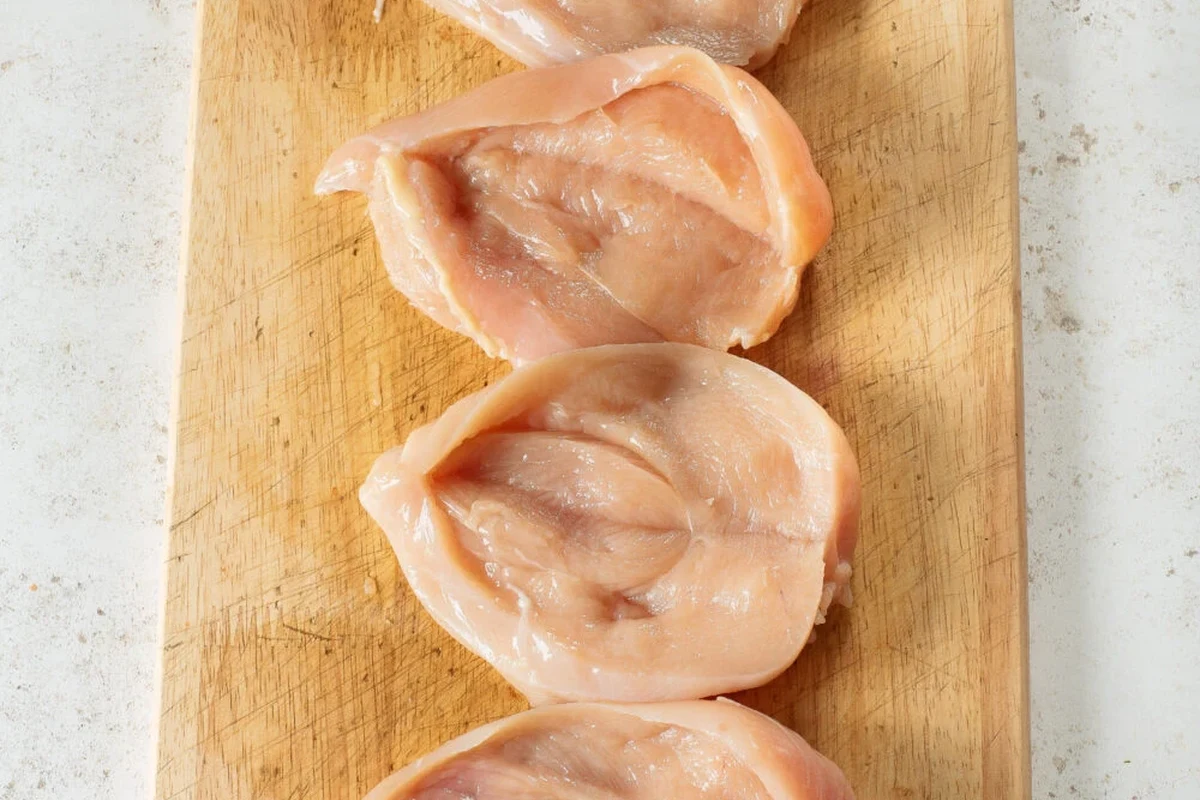
A whole chicken breast, often referred to as a “split breast” when on the bone, consists of two lobes connected by a central breastbone. When you “halve” the breast, you are separating these lobes to create two distinct, boneless or bone-in pieces. This cut is the standard for most supermarket chicken packs because it offers the perfect ratio of meat to surface area for searing, grilling, or poaching.
The Benefits of Halving for the Home Cook
Halving a breast isn’t just about portion control; it’s about culinary efficiency. Because chicken breasts are naturally tapered—thick at one end and thin at the other—they often cook unevenly. By isolating the halves, you can easily pound them to a uniform thickness, ensuring the entire piece reaches the correct internal temperature without drying out the thinner edges.
Always pat your chicken dry with paper towels before seasoning. Removing excess surface moisture is the secret to achieving a golden-brown sear rather than steaming the meat in the pan.
Buying Guide: Selecting the Best Halved Chicken Breast
Fresh vs. Frozen: What to Look For at the Butcher Counter
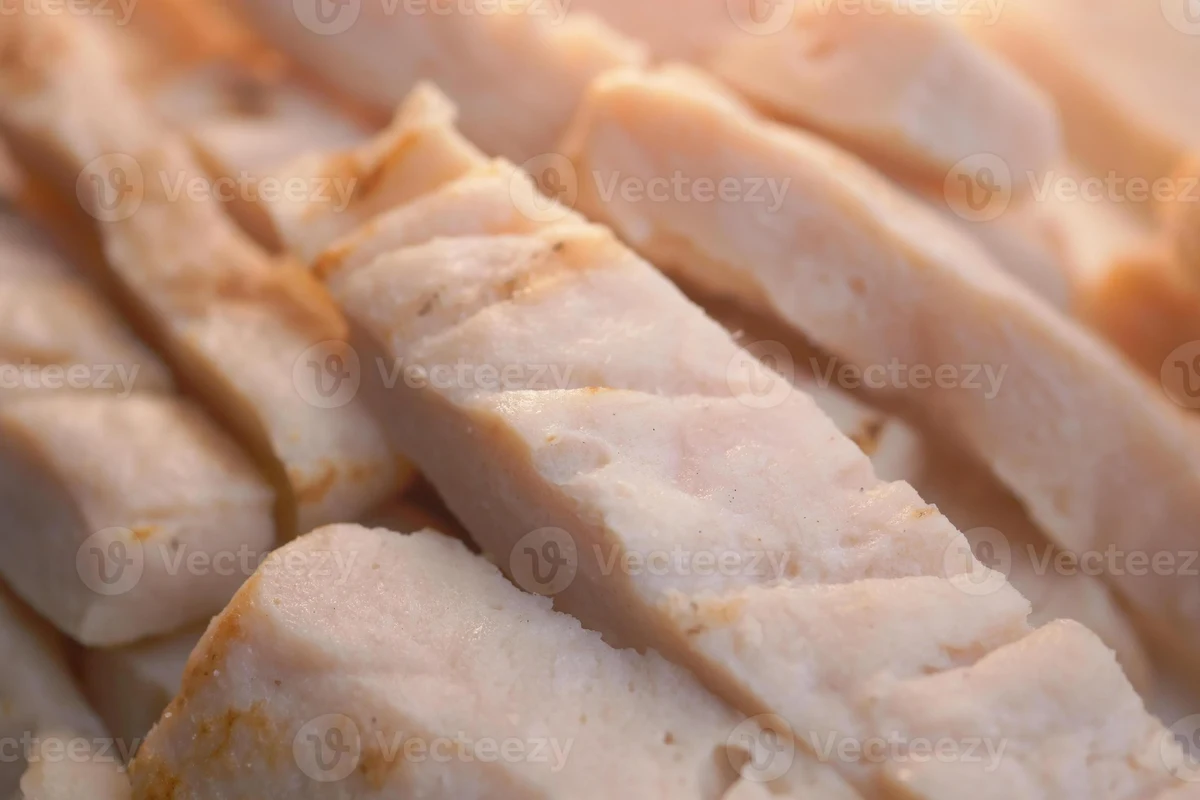
In 2026, home cooks have access to a wide array of options at the butcher counter. When selecting fresh breasts, look for meat that is firm to the touch and pale pink in color. Avoid packages with excessive liquid, as this can indicate temperature fluctuations during transit. If you opt for frozen, ensure the packaging is airtight to prevent freezer burn, which manifests as dry, grayish patches on the meat.
Understanding Grading and Sourcing for Belizean Dishes
While government grading (such as Grade A) ensures quality and cleanliness, the source of the chicken often dictates the flavor. For robust dishes like a Belizean curry chicken recipe, look for free-range or air-chilled options if available. Air-chilling results in less water retention, meaning the chicken will absorb your spice rubs and marinades more effectively.
How to Properly Halve a Whole Chicken Breast
Tools You Need for Precision Cutting
To cut a breast cleanly, you need a sharp chef’s knife and a stable, non-slip cutting board. Avoid serrated knives, which can tear the muscle fibers and lead to uneven cooking. A boning knife is an excellent alternative if you are working with bone-in breasts, as its flexibility allows you to glide along the ribcage with minimal waste.
Step-by-Step Technique for Uniform Thickness
Place the whole breast skin-side down on your cutting board.
If the breast is on the bone, feel for the center ridge of the keel bone.
Using a steady downward motion, cut along one side of the bone. Repeat on the other side to release the two halves.
Cooking Techniques: Achieving the Perfect Texture
Stovetop Searing: Locking in Moisture
Searing is ideal for halved breasts because it creates a flavorful crust. Use a heavy-bottomed skillet over medium-high heat. Once the pan is hot, add a high-smoke-point oil. Place the chicken in the pan and resist the urge to move it for at least 3–4 minutes, allowing the natural sugars in the meat to caramelize.
Oven-Roasting for Even Heat Distribution
For larger batches, oven roasting is the most consistent method. Preheat your oven to 400°F (204°C). Season the breasts generously, place them on a parchment-lined baking sheet, and roast until the internal temperature reaches 165°F (74°C). This hands-off approach is perfect when preparing ingredients for a Belizean chicken tacos recipe.
Grilling Tips for That Signature Belizean Char
Grilling provides that smoky depth essential to Caribbean-inspired cooking. Keep the grill grates clean and well-oiled to prevent sticking. Use direct heat for the initial sear, then move the chicken to the cooler side of the grill to finish cooking through gently.
Essential Ingredients and Flavor Profiles for Belizean Recipes
The Role of Recado and Local Spices
Recado (achiote paste) is a cornerstone of Belizean cooking. It adds an earthy flavor and a vibrant red color to the chicken. When using halved breasts, apply the recado as part of a wet marinade, allowing the meat to sit for at least two hours before cooking to let the color and spice profile penetrate the lean tissue.
Marinades and Rubs: Enhancing Lean Meat
Because chicken breast is lean, it benefits greatly from acidity. Ingredients like lime juice, sour orange, or vinegar help tenderize the meat. Always balance your acid with aromatics like garlic, onion, and habanero peppers to achieve that authentic, bold Belizean profile.
Food Safety and Handling: Best Practices for 2026
Never rinse raw chicken in the sink. Splashing water can spread bacteria throughout your kitchen. Simply pat the meat dry with paper towels and discard them immediately.
Preventing Cross-Contamination in the Kitchen
Designate a specific cutting board for raw poultry and sanitize all surfaces, knives, and hands thoroughly after contact. In 2026, the use of color-coded cutting boards—typically yellow for poultry—is a highly recommended practice for home kitchens to avoid accidental contamination.
Determining Doneness: Using a Digital Thermometer
Visual cues like “juices running clear” are unreliable. Always use a digital instant-read thermometer inserted into the thickest part of the breast. The USDA recommends an internal temperature of 165°F (74°C) for safe consumption.
Troubleshooting Common Cooking Mistakes
- Cooks very quickly
- High protein content
- Versatile flavor profile
- Easily overcooked
- Can become dry if unsalted
- Requires careful handling
If your chicken turns out tough, it is almost certainly overcooked. If you find the exterior is burning before the center is done, reduce your heat and finish the chicken in the oven. For uneven cooking, use a meat mallet to gently pound the thicker end of the breast until it matches the thickness of the rest of the piece.
Storage, Shelf Life, and Reheating Strategies
Safe Refrigeration and Freezing Methods
Raw chicken should be stored in the coldest part of your refrigerator (usually the bottom shelf) for no more than 1–2 days. For longer storage, wrap the breasts tightly in plastic wrap followed by heavy-duty foil to prevent freezer burn; they will maintain quality for up to 3–4 months in the freezer.
Reheating Without Sacrificing Quality
Reheating chicken breast is notoriously difficult. To keep it moist, add a splash of water or broth to the pan or dish, cover it, and reheat slowly over low heat or in the microwave at 50% power. This prevents the proteins from tightening and turning rubbery.
Final Verdict: Why Halved Chicken Breast is a Kitchen Staple
The halved chicken breast is a fundamental cut that bridges the gap between convenience and culinary quality. By mastering the preparation and cooking techniques—from proper seasoning to the use of a thermometer—you can ensure that every meal is both safe and delicious. Whether you are experimenting with complex spice rubs or keeping it simple with a quick sear, this cut remains the most reliable component in a home cook’s repertoire.
Common Questions
A whole breast consists of two lobes attached by a bone, while a halved breast is a single lobe, making it easier to portion and cook quickly.
Use a digital meat thermometer inserted into the thickest part of the breast; it is safe to eat once it hits 165°F.
A sharp, non-serrated chef’s knife is the best tool for making clean, precise cuts through the meat.
Yes, skin-on chicken takes slightly longer to cook and requires higher heat initially to render the fat and crisp the skin.
Yes, wrap them in plastic wrap and place them in a freezer-safe bag to prevent freezer burn and allow for easy single-portion removal.
Frequently Asked Questions
The key is to avoid overcooking by using a meat thermometer to pull the chicken at 165°F. Additionally, brining the meat for 30 minutes before cooking can help it retain moisture.
No, you should never rinse raw chicken. It splashes bacteria around your kitchen and does not remove pathogens, which are only killed through proper cooking temperatures.
Raw chicken should be stored in the coldest part of your refrigerator and consumed within 1 to 2 days for optimal safety and quality.
Yes, but be aware that breasts are leaner and cook faster than thighs. You may need to adjust your cook time and add extra fat or marinade to compensate for the lower fat content.
Pounding the meat to an even thickness using a meat mallet is the most effective physical way to tenderize. Acidic marinades containing lime or citrus also help break down fibers over time.
Yes, you can cook frozen chicken, but it will take about 50% longer to cook through. It is safer to thaw the chicken in the refrigerator overnight for more even results.