Halved Chicken Breast

A halved chicken breast is a single fillet sliced horizontally to create two thin, uniform pieces for faster, more even cooking. This technique is ideal for quick-searing methods where consistent thickness is vital for food safety and flavor.
A halved chicken breast refers to a single, skinless, boneless breast fillet that has been sliced horizontally to create two thinner, more uniform pieces. This preparation technique is essential for ensuring even cooking and faster results in your favorite home-cooked meals.
- Uniformity: Slicing ensures even thickness, preventing overcooked edges.
- Efficiency: Thinner cuts reduce cooking time, perfect for weeknight meals.
- Safety: Always use a sharp knife and maintain a clean, sanitized workspace.
- Doneness: Use a meat thermometer to ensure an internal temperature of 165°F.
The Direct Answer About halved chicken breast
A halved chicken breast, often called a “thin-cut” or “butterfly” cut, is created by placing the chicken breast flat on a cutting board and slicing it parallel to the surface to reduce its thickness. This process transforms a thick, uneven breast into two thin cutlets that cook significantly faster and retain moisture better than a whole, thick portion.
What It Is and Who It Is For
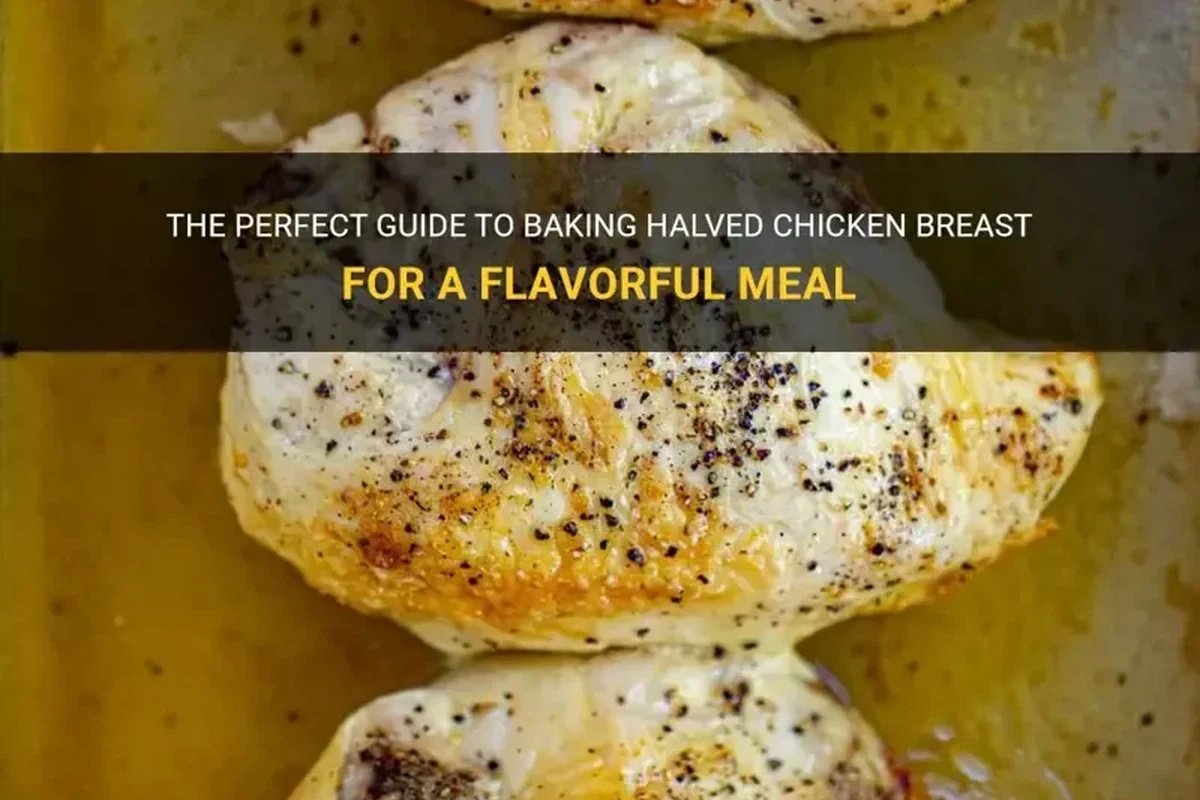
In the culinary world, the terms “halved” and “butterflied” are often used interchangeably, though they differ slightly in execution. A halved breast is sliced completely through to create two separate pieces, while a butterflied breast is sliced almost all the way through and opened like a book. This preparation is ideal for home cooks who prioritize efficiency without sacrificing flavor. Whether you are preparing a quick Belizean BBQ chicken recipe or a light weeknight sauté, thinning your protein ensures the edges don’t dry out before the center reaches a safe temperature.
Reduces cooking time, making dinner ready in minutes.
Uniform thickness allows for predictable cooking batches.
Helps avoid the common mistake of having raw centers and burnt exteriors.
Key Ingredients and What to Check
When selecting chicken breasts for halving, look for plump, firm fillets with a pinkish hue. Avoid packages with excessive liquid or those that feel slimy to the touch. As of 2026, many grocery retailers provide pre-halved “thin-sliced” breasts, which can save time if your knife skills are still developing. However, buying whole breasts and performing the cut yourself often provides better value and allows for custom thickness control.
- Ensure the breast is fully thawed if frozen; partially frozen meat is easier to slice evenly.
- Use a sharp, non-serrated chef’s knife for clean, safe cuts.
- Check the label for sodium solutions or “plumping” additives, which can change how the meat browns.
Benefits, Limitations, and Real-Kitchen Trade-Offs
The primary benefit of a halved chicken breast is the surface-area-to-thickness ratio. Because the meat is thinner, it absorbs marinades and spice rubs more effectively. However, the trade-off is a shorter window of forgiveness; because they are thin, they can overcook in a matter of seconds if left unattended. This method is excellent for high-heat applications like pan-searing, but perhaps less ideal for long-simmering dishes like a Belizean curry chicken recipe, where thicker chunks are preferred to maintain texture.
- Faster cook times
- More consistent texture
- Even seasoning distribution
- Easier to overcook
- Requires basic knife safety
- Not suitable for slow-braising
Food Safety, Prep, and Common Mistakes
Safety is paramount when handling raw poultry. Always use a dedicated cutting board, preferably plastic, and sanitize it thoroughly after use to prevent cross-contamination. A common mistake is trying to slice the chicken while it is slippery; patting the breast dry with paper towels provides a better grip. If you are preparing a dish like Ninja Woodfire Grill chicken breast, ensure your cuts are uniform so that every piece finishes at the same time.
Always cook chicken to an internal temperature of 165°F (74°C) as measured by a food thermometer. Never rely on visual cues like “juices running clear,” as color can be deceptive.
Storage, Reheating, or Substitutions
Raw halved breasts should be stored in the coldest part of your refrigerator and consumed within 1-2 days. If you have leftovers, store them in an airtight container for up to 3 days. When reheating, add a tablespoon of water or broth to the container to prevent the meat from drying out, as thin cuts lose moisture rapidly. If you find yourself without chicken breast, pork tenderloin medallions or firm white fish fillets can serve as reasonable substitutes depending on the flavor profile of your recipe.
Value, Alternatives, and Final Recommendation
Halving your own chicken breasts is a simple, cost-effective way to elevate your home cooking. While pre-cut options exist, the ability to control the thickness of your protein is a valuable skill in any kitchen. For most quick-cooking applications, this method is the gold standard for achieving succulent, evenly cooked results every time.
Common Questions
Pat the chicken breast dry with a paper towel before cutting, as excess moisture makes the surface slippery.
Avoid serrated knives, as they tear the meat; use a sharp, smooth-edged chef’s knife for a clean cut.
It can dry out if overcooked, so monitor the internal temperature closely and remove from heat as soon as it hits 165°F.
Butterflying keeps the meat connected for larger portions, while halving creates two distinct pieces, which is better for individual servings.
Only if you need it even thinner; if the slice is already uniform, pounding is unnecessary and can damage the meat fibers.
Frequently Asked Questions
Halving creates thinner, uniform pieces that cook faster and more evenly. This helps prevent the exterior from burning before the center is fully cooked.
Buying pre-halved chicken is a matter of convenience. While it saves time, cutting it yourself allows you to control the thickness and often costs less per pound.
Place the breast on a stable cutting board, pat it dry for grip, and use a sharp, non-serrated chef’s knife. Keep your fingers tucked away from the blade and slice horizontally.
Store raw, properly wrapped halved chicken in the refrigerator for 1 to 2 days. Cooked leftovers should be kept in an airtight container and used within 3 days.
Yes, they freeze well. Place them in a freezer-safe bag with as much air removed as possible to prevent freezer burn and use within 3 to 4 months for best quality.
Regardless of how it is cut, all chicken must reach an internal temperature of 165°F (74°C) to be considered safe to eat.