Shredded Chicken Meal Ideas

Shredded chicken is a versatile, time-saving staple that can be prepared in bulk to simplify your weekly meal planning. It serves as a perfect foundation for everything from traditional Belizean snacks to quick, modern comfort food dishes.
Shredded chicken is a foundational component for efficient home cooking, offering a neutral, protein-rich canvas that adapts to countless flavor profiles. By mastering a few simple preparation techniques, you can transform a single batch of poultry into a week’s worth of diverse, satisfying meals.
- Efficiency: Batch cooking shredded chicken saves significant prep time during the work week.
- Versatility: It serves as a neutral base that works in tacos, soups, salads, and casseroles.
- Safety: Always ensure the chicken reaches an internal temperature of 165°F (74°C).
- Storage: Properly stored in an airtight container, it lasts 3-4 days in the fridge or.
Shredded Chicken Meal Ideas: The Ultimate Versatile Staple for Your Kitchen
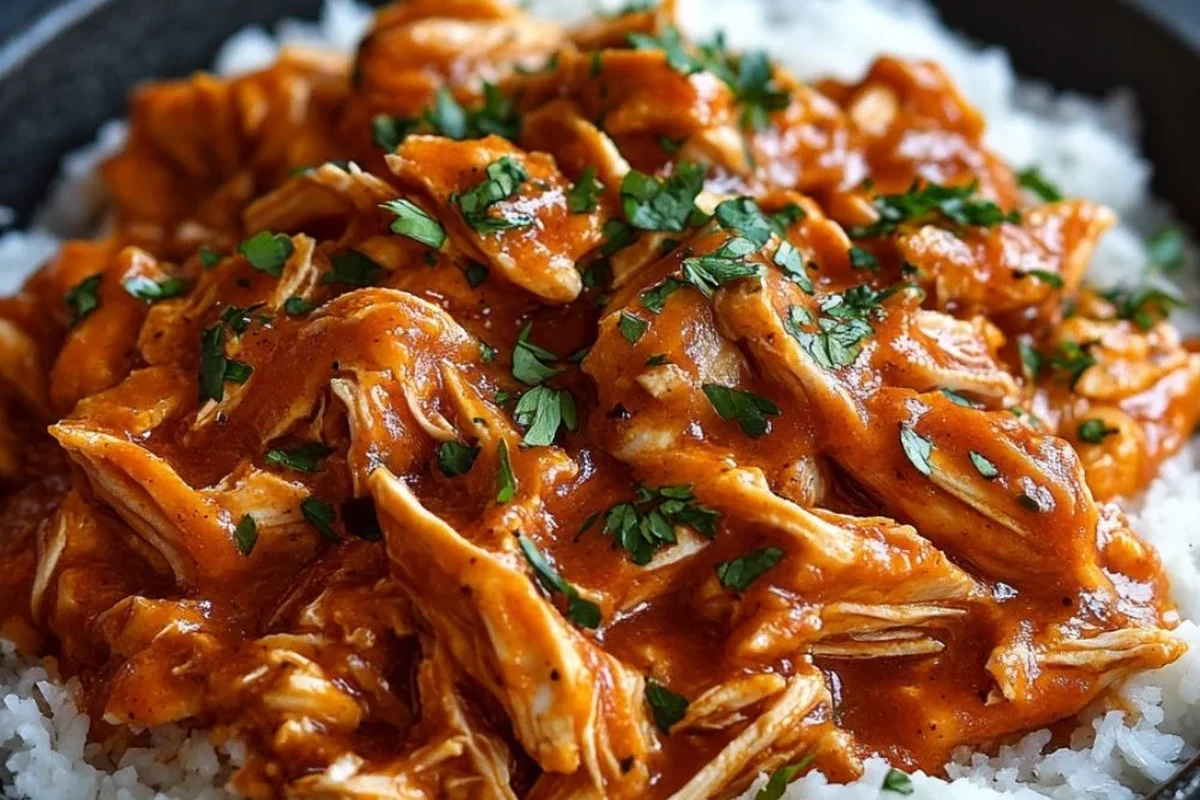
In 2026, the demand for streamlined kitchen workflows has never been higher. Shredded chicken stands out as the ultimate “workhorse” ingredient because it removes the time-consuming step of cooking protein during the evening rush. Whether you are looking to assemble quick lunches or complex dinners, having a container of pre-cooked, shredded chicken in the refrigerator turns a blank slate into a finished meal in minutes.
What Makes Shredded Chicken the King of Meal Prep?

The Nutritional and Efficiency Benefits
Shredded chicken provides a lean source of high-quality protein that integrates seamlessly into balanced diets. From an efficiency standpoint, cooking a large portion at once—often referred to as “batch cooking”—minimizes cleanup and maximizes your time. By preparing a few pounds of chicken over the weekend, you eliminate the daily need to defrost, season, and sear individual cutlets.
Who Benefits Most from Keeping Shredded Chicken on Hand?
This method is ideal for busy parents, students, and professionals who prioritize nutrition but lack extended hours for daily meal preparation. It is also an excellent strategy for those practicing budget-conscious menu planning, as buying whole chickens or large packs of breasts in bulk significantly reduces the cost per serving.
When shopping, look for family-pack portions of chicken breasts or thighs. Removing the skin and excess fat before cooking ensures the shredded meat remains clean and versatile for any recipe, from tacos to soups.
Mastering the Technique: How to Achieve Perfect Shredded Chicken
The Poaching Method: Clean and Simple
Poaching is the most straightforward way to produce tender, neutral-flavored chicken. By simmering the meat in water or broth seasoned with onions, garlic, and bay leaves, you keep the chicken succulent. Once cooked through, the meat should pull apart effortlessly with two forks.
The Slow Cooker Technique: Deep Flavor Infusion
The slow cooker allows for a “set it and forget it” approach. Placing chicken breasts in the crockpot with a splash of salsa or citrus juice allows the meat to braise gently, absorbing the liquid’s essence. This method is particularly useful if you intend to use the chicken for dishes like Belizean chicken tacos.
The Pressure Cooker Shortcut: Speed Without Sacrifice
For those short on time, a pressure cooker can transform raw chicken into shreddable perfection in under 20 minutes. The high-pressure environment forces moisture into the fibers, preventing the dry, stringy texture that often plagues quick-cooked poultry.
Common Mistakes to Avoid During Cooking
The most frequent error is overcooking the chicken, which leads to a rubbery texture. Always use a digital thermometer to verify that the internal temperature reaches a safe 165°F (74°C). Another mistake is shredding the chicken while it is ice-cold; it is much easier to process while still warm.
Key Ingredients to Elevate Your Shredded Chicken Base
Flavor Profiles: From Mild to Bold
If you plan to use the chicken for multiple meals, keep the base neutral by poaching with water, salt, and aromatics. If you know you are making specific dishes, incorporate cumin, chili powder, or lime juice directly into the cooking liquid to infuse the flavor deep into the fibers.
Essential Aromatics and Liquids for Moisture
Never discard the cooking liquid. This “chicken stock” is packed with flavor and can be used to keep your shredded chicken moist when reheating. Adding a splash of this broth to a pan before tossing in your chicken helps revive the texture.
Belizean-Inspired Shredded Chicken Meal Ideas
Salpicón-Style Shredded Chicken Salad
Salpicón is a refreshing, cold salad that highlights the versatility of shredded chicken. By tossing the meat with finely diced radishes, onions, cilantro, and a bright lime-based vinaigrette, you create a dish that is perfect for hot afternoons.
Shredded Chicken Panades and Garnaches
In Belizean kitchens, shredded chicken is the soul of beloved snacks. It serves as the primary filling for panades—corn dough pockets fried to golden perfection—and is often piled atop crunchy tortillas to create classic garnaches. These traditional preparations rely on the chicken being well-seasoned and slightly dry so the dough remains crispy.
The Classic Belizean Chicken Tostada
The tostada is a staple for a reason. By layering shredded chicken over a crispy fried tortilla, topped with a vibrant cabbage slaw and a touch of tomato-based sauce, you achieve a balance of texture and flavor that is hard to beat.
When preparing dishes for garnaches or panades, ensure your chicken is shredded into fine, uniform pieces. This consistency ensures that every bite provides an even distribution of protein and spices.
Quick Weeknight Meal Ideas Using Pre-Cooked Shredded Chicken
Global Fusion: Tacos, Wraps, and Bowls
Beyond traditional Belizean fare, shredded chicken is a global pantry staple. Use it to create a quick teriyaki chicken rice bowl by tossing the meat in a sweet and savory glaze. Alternatively, roll it into tortillas with fresh vegetables and a creamy dressing for a convenient lunch wrap.
Comfort Food: Soups, Casseroles, and Pot Pies
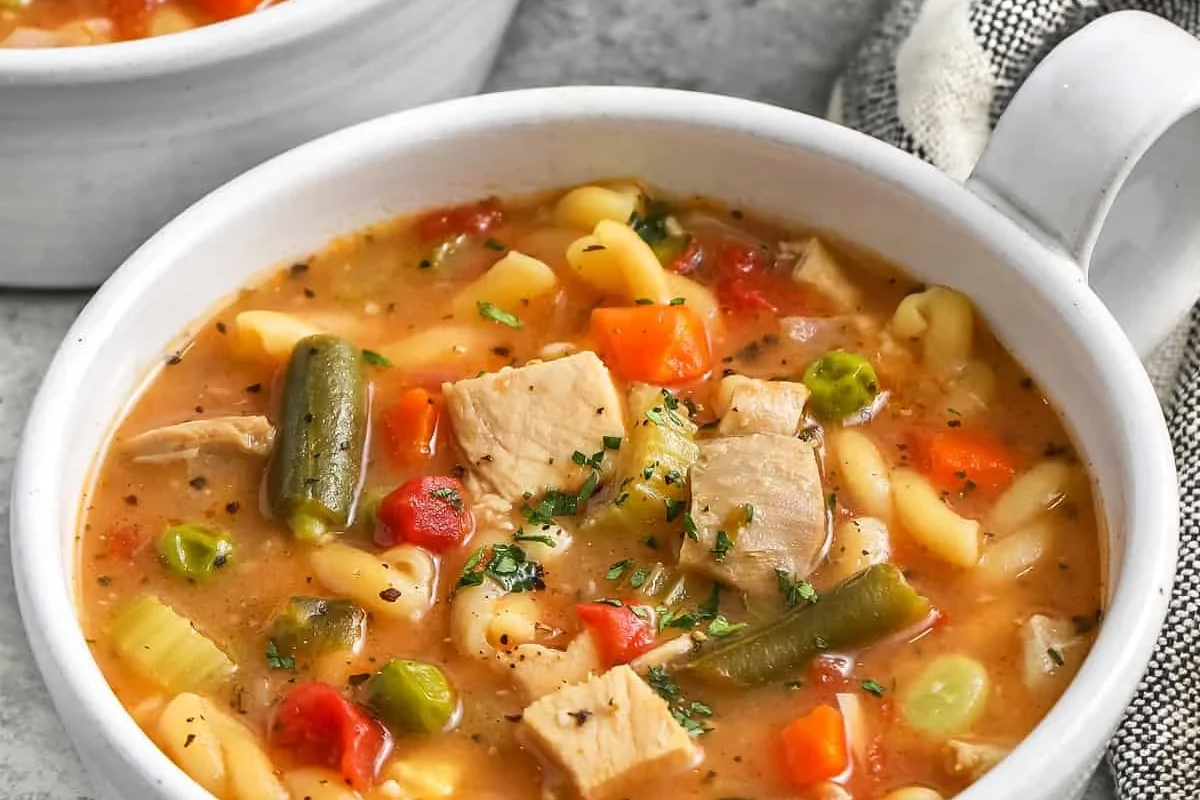
When the weather cools down, shredded chicken is essential for hearty soups. It acts as the perfect protein anchor for a white chicken chili or a classic pot pie. The pre-cooked nature of the meat means you can have a comforting, scratch-made soup on the table in less than 30 minutes.
Safe Handling, Storage, and Shelf Life
Food Safety Cues: Doneness and Temperature Guidelines
According to food safety standards, all poultry must reach an internal temperature of 165°F (74°C) to ensure it is safe for consumption. Never rely on visual cues alone; use a calibrated food thermometer inserted into the thickest part of the meat.
Proper Cooling and Refrigeration Techniques
To avoid bacterial growth, do not leave cooked chicken out at room temperature for more than two hours. Divide large batches into shallow containers to allow for rapid cooling in the refrigerator, where it will safely keep for three to four days.
Always store cooked chicken in airtight containers. If you notice an off-odor or a slimy film upon opening the container, discard the meat immediately. Food safety is the top priority in any home kitchen.
Freezing Strategies for Long-Term Convenience
Shredded chicken freezes exceptionally well. For the best results, portion the meat into freezer-safe bags, removing as much air as possible to prevent freezer burn. It can be stored for up to three months, making it an excellent “emergency” protein source.
Troubleshooting Common Issues
Fixing Dry or Stringy Chicken
If your chicken turns out dry, do not throw it away. Incorporate a sauce—such as a salsa, gravy, or even a bit of mayonnaise—to rehydrate the fibers. Alternatively, use the chicken in a soup or casserole where it can reabsorb moisture during the cooking process.
Reviving Flavor in Reheated Shredded Chicken
Reheating can sometimes mute flavors. A quick squeeze of fresh lime juice, a sprinkle of fresh herbs, or a dash of hot sauce can “wake up” the meat, making it taste freshly prepared.
The Value Proposition: Why Shredded Chicken Saves Time and Money
Cost-Effective Bulk Prep Strategies
By shifting your shopping habits to include bulk chicken, you significantly lower your grocery bill. Preparing this protein in advance prevents the impulse to order takeout on busy weeknights, further protecting your budget in 2026.
Final Recommendation: Elevating Your Weekly Menu
Shredded chicken is more than just a convenience; it is a culinary strategy. By keeping this versatile staple in your refrigerator, you provide yourself with the flexibility to create everything from quick, everyday meals to complex, flavor-forward dishes. Start by poaching a simple batch this week and observe how much time you reclaim in your daily routine.
Common Questions
Using a stand mixer with the paddle attachment on a low setting is the fastest way to shred large batches, though two forks work perfectly for smaller portions.
Yes, rotisserie chicken is an excellent shortcut for recipes that require pre-cooked shredded chicken, saving you the initial cooking step.
It is likely overcooked; ensure you pull the chicken off the heat the moment it reaches 165°F and store it with some broth to retain moisture.
Poaching with salt, black peppercorns, bay leaves, and a slice of onion provides a clean, neutral flavor that won’t clash with any future dish.
Yes, it is a lean, high-protein food that fits well into balanced diets, especially when prepared without excessive added fats.
Frequently Asked Questions
Cooked shredded chicken can be safely stored in an airtight container in the refrigerator for three to four days.
Yes, shredded chicken freezes very well. Store it in airtight freezer bags for up to three months for the best quality.
Store the chicken with a small amount of its cooking liquid or broth. When reheating, adding a splash of liquid helps maintain moisture.
All chicken must reach an internal temperature of 165°F (74°C) to be considered safe for consumption.
It is significantly easier to shred chicken while it is still warm, as the muscle fibers pull apart with less resistance.
The most common mistakes are overcooking the meat, which leads to a rubbery texture, and not using a thermometer to verify doneness.