Cooking Jerk Chicken in Oven

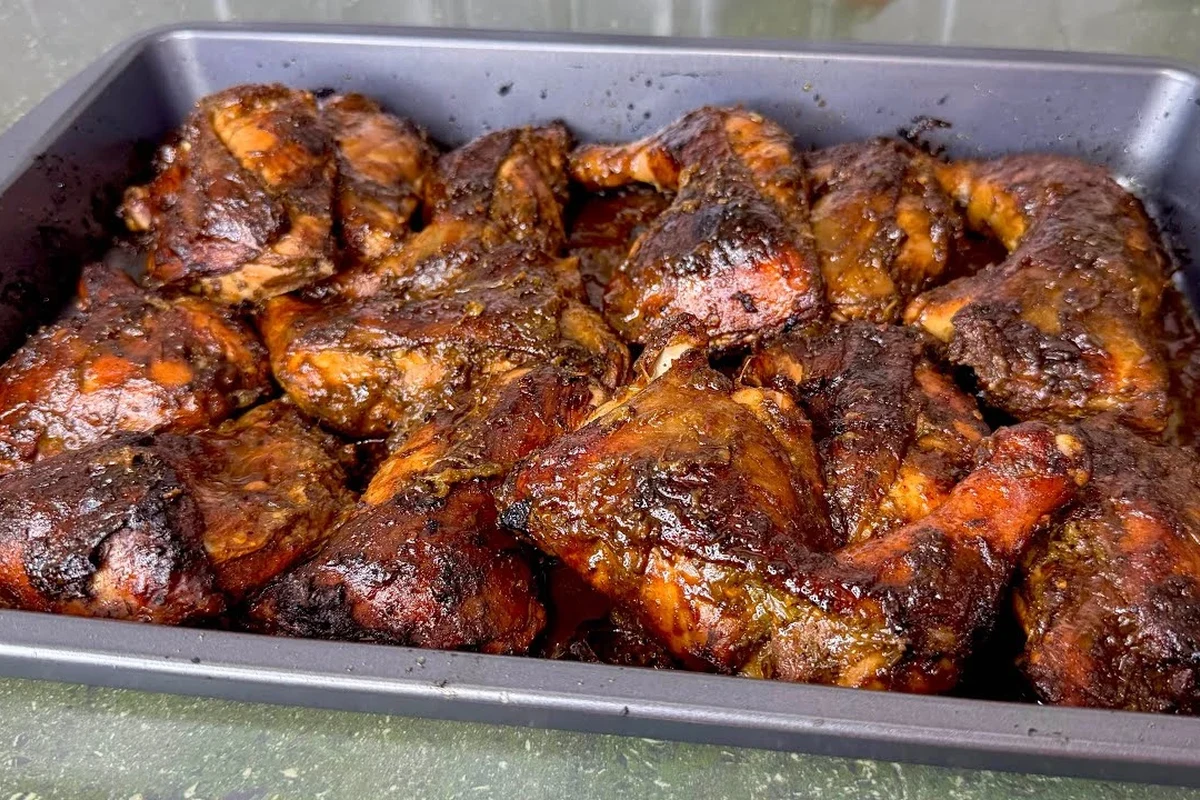
Cooking jerk chicken in the oven requires a long marination period and a high-heat roasting technique to mimic the smoky, charred finish of a traditional grill. Using a wire rack over a baking sheet is the most effective way to ensure the meat stays juicy while the skin becomes perfectly crisp.
Cooking jerk chicken in the oven allows you to capture the bold, smoky, and spicy essence of Caribbean tradition without needing a backyard grill. By using the right marinade and proper roasting techniques, you can achieve succulent meat and flavorful, charred skin right in your own kitchen.
- Marination: Allow at least 12–24 hours for the marinade to penetrate the meat.
- Airflow: Always use a wire rack to ensure heat reaches all sides of the chicken.
- Temperature: Use a meat thermometer to ensure a safe internal temperature of 165°F.
- Flavor: Incorporate authentic aromatics like Scotch bonnet peppers and fresh allspice.
The Secret to Authentic Jerk Chicken in Your Home Oven
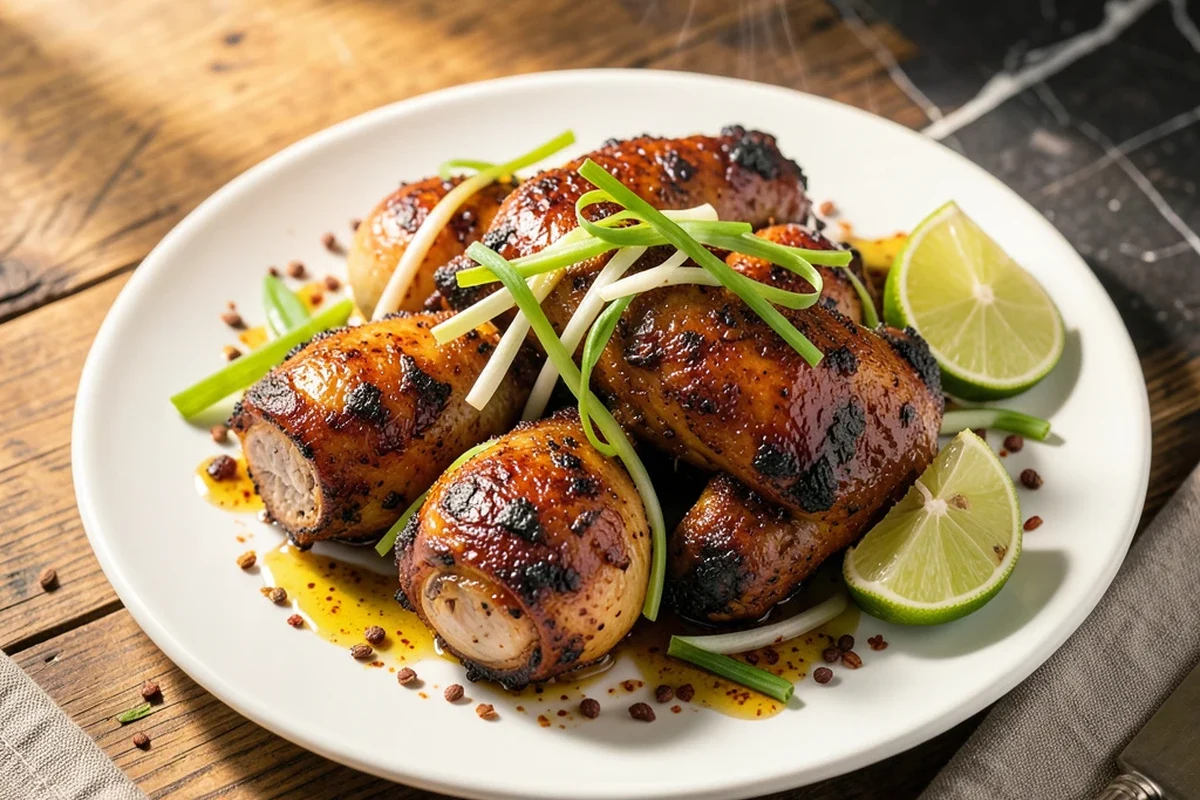
Can You Really Get Authentic Jerk Flavor Without a Grill?
Many home cooks worry that moving away from a traditional pimento-wood fire means sacrificing the “jerk” experience. While the outdoor grill adds a specific type of wood-smoke depth, the oven method excels at consistency and moisture control. By focusing on a high-quality marinade and using your oven effectively, you can replicate the complex flavor profile that defines this iconic dish.
Understanding the Jerk Tradition: From Caribbean Roots to Your Kitchen
Defining Jerk: More Than Just a Spice Rub
Jerk is not merely a seasoning; it is a historical method of preservation and slow-cooking. At its heart, it relies on the marriage of heat from Scotch bonnet peppers and the aromatic, earthy tones of allspice (pimento). In 2026, home cooks are increasingly finding that the key to authenticity lies in the balance of these base ingredients rather than the cooking vessel itself.
Why the Oven Method Works for Modern Home Cooks
The oven provides a controlled environment, which is particularly beneficial for bone-in chicken cuts that can dry out quickly over high-intensity direct flames. It allows the marinade to penetrate deeply while the skin renders slowly, creating a texture that is both tender and flavorful.
Essential Ingredients for a Belizean-Style Jerk Marinade
The Holy Trinity: Scotch Bonnet Peppers, Allspice, and Thyme
To capture the true spirit of the Caribbean, your marinade must include fresh Scotch bonnet peppers for heat, ground allspice berries for that signature woody aroma, and plenty of fresh thyme. These form the aromatic backbone of the dish.
Fresh vs. Dried Ingredients: Maximizing Flavor Impact
While dried spices are convenient, using fresh aromatics like scallions, garlic, ginger, and fresh thyme makes a noticeable difference in the final output. If you must use dried allspice, ensure it is freshly ground to preserve its volatile oils.
Substitution Guide: Adapting for Local Availability
If Scotch bonnet peppers are unavailable, habanero peppers provide a similar heat profile. For a milder version, you can reduce the number of peppers or remove the seeds and membranes entirely.
Mastering the Preparation: Techniques for Maximum Flavor Penetration
The Importance of Proper Marination Time
Jerk chicken requires patience. For the best flavor, allow your chicken to marinate for at least 12 hours, though 24 hours is ideal. This gives the acids in the marinade time to break down the proteins and infuse the meat with flavor.
Scoring the Chicken: Enhancing Surface Area for Marinade Absorption
Use a sharp knife to score the chicken skin and flesh. These small incisions allow the wet marinade to reach the bone, ensuring that the interior of the meat is as flavorful as the exterior.
Why Wet Rubs Outperform Dry Rubs in the Oven
In a dry oven environment, a wet marinade—containing oil, vinegar, and aromatics—acts as a protective coating. It helps keep the chicken moist while the sugars in the marinade caramelize, providing the “char” effect typically associated with grilling.
Step-by-Step: Cooking Jerk Chicken in the Oven for Perfect Results
Equipment Essentials: Why a Wire Rack Over a Baking Sheet is Vital
To prevent the chicken from steaming in its own juices, place it on a wire rack set over a rimmed baking sheet. This allows hot air to circulate around the entire piece of chicken, resulting in crispier skin on all sides.
Optimizing Oven Temperatures for Crispy Skin and Juicy Meat
Start your oven at a higher temperature (around 400°F or 200°C) for the first 15–20 minutes to set the skin, then reduce it to 350°F (175°C) to finish cooking the meat through. This two-stage process mimics the transition from high-heat searing to indirect cooking.
The Role of Smoke: Using Liquid Smoke or Smoked Paprika Substitutes
Since you are not using a wood fire, a small amount of liquid smoke can be added to your marinade to provide that missing “outdoor” flavor. Alternatively, smoked paprika can add a subtle depth without the intensity of liquid smoke.
Blend peppers, onions, ginger, garlic, thyme, allspice, soy sauce, and lime juice until smooth.
Coat the chicken thoroughly and refrigerate for 12–24 hours.
Place chicken on a rack over a sheet pan to ensure even airflow.
Bake until the internal temperature reaches 165°F (74°C).
Food Safety and Doneness: Ensuring a Safe Belizean Feast
Internal Temperature Guidelines for Poultry
Always use a digital meat thermometer to ensure your chicken reaches a safe internal temperature of 165°F (74°C). Check the thickest part of the meat without touching the bone.
Troubleshooting Common Oven-Jerk Mistakes
Preventing Burnt Sugars and Dry Meat
If your marinade contains brown sugar or honey, the sugars can burn quickly. If the skin begins to darken too fast, tent the chicken loosely with aluminum foil for the remainder of the cooking time.
Managing Excessive Smoke in a Residential Kitchen
If you are using high heat, ensure your kitchen ventilation is running. If you find the oven smoking too much, check that the bottom of your baking sheet is clean and that no marinade has dripped onto the floor of the oven.
Storage, Reheating, and Maximizing Leftover Value
Proper Cooling and Refrigeration Techniques
Store leftover chicken in an airtight container in the refrigerator for up to 3–4 days. Do not leave cooked poultry at room temperature for more than two hours.
How to Reheat Without Losing Texture or Moisture
Reheat your chicken in an oven or toaster oven at 350°F until warmed through. Avoid the microwave if possible, as it tends to soften the skin and dry out the meat, though it remains a common convenience for quick meals.
Final Verdict: Elevating Your Weeknight Dinner with Oven-Baked Jerk
Cooking jerk chicken in the oven is a reliable, high-reward method for any home cook. By prioritizing a long marination time and using a wire rack for airflow, you can achieve a result that honors the traditional flavors of the Caribbean. While it may not replace the experience of a pimento-wood fire, it stands as a delicious, accessible technique for your 2026 recipe rotation.
Common Questions
If the sugars in your marinade start to darken too quickly, loosely cover the chicken with aluminum foil for the final stage of cooking.
Yes, habanero peppers are the closest substitute in terms of heat and flavor profile.
It is not strictly necessary if you use a wire rack, but flipping halfway through can help ensure even browning if your oven has hot spots.
A small amount of liquid smoke or using smoked paprika in your rub can provide that desired depth of flavor.
Yes, scoring the meat helps the marinade reach the bone and improves the overall flavor intensity of the final dish.
Frequently Asked Questions
Yes, but be careful. Chicken breast dries out faster than thighs or legs, so monitor the internal temperature closely to avoid overcooking.
For the best flavor, marinate for at least 12 hours. A full 24 hours is recommended to ensure the spices penetrate the meat deeply.
Yes, store leftovers in an airtight container in the refrigerator for up to 3-4 days. Always ensure it is reheated to an internal temperature of 165°F.
While allspice is essential for the authentic taste, a small blend of cinnamon, cloves, and nutmeg can mimic the aromatic profile in a pinch.
Excess moisture is the enemy of crispy skin. Ensure the chicken is patted dry before applying the marinade and use a wire rack for better airflow.
It is best to leave the skin on during the cooking process to protect the meat and keep it juicy, even if you choose to remove it before eating.