How to Cook Fish in Oven

Bake your fish at 375°F to 400°F until the flesh turns opaque and flakes easily with a fork. Using parchment paper to seal the fish helps lock in moisture and flavor for the best results.
Learning how to cook fish in the oven is a transformative skill for any home cook, offering a reliable way to achieve succulent, flaky results without the mess of stovetop frying. By mastering temperature control and moisture retention, you can elevate simple fillets into a restaurant-quality meal right in your own kitchen.
- Temperature Control: Bake at 375°F-400°F for consistent, gentle cooking.
- Moisture Lock: Use parchment paper to steam the fish in its own juices.
- Visual Cues: Look for opaque flesh that flakes easily to avoid overcooking.
- Prep Work: Always pat the fish dry before seasoning to ensure better texture.
How to Cook Fish in the Oven: The Ultimate Guide to Perfectly Flaky Results
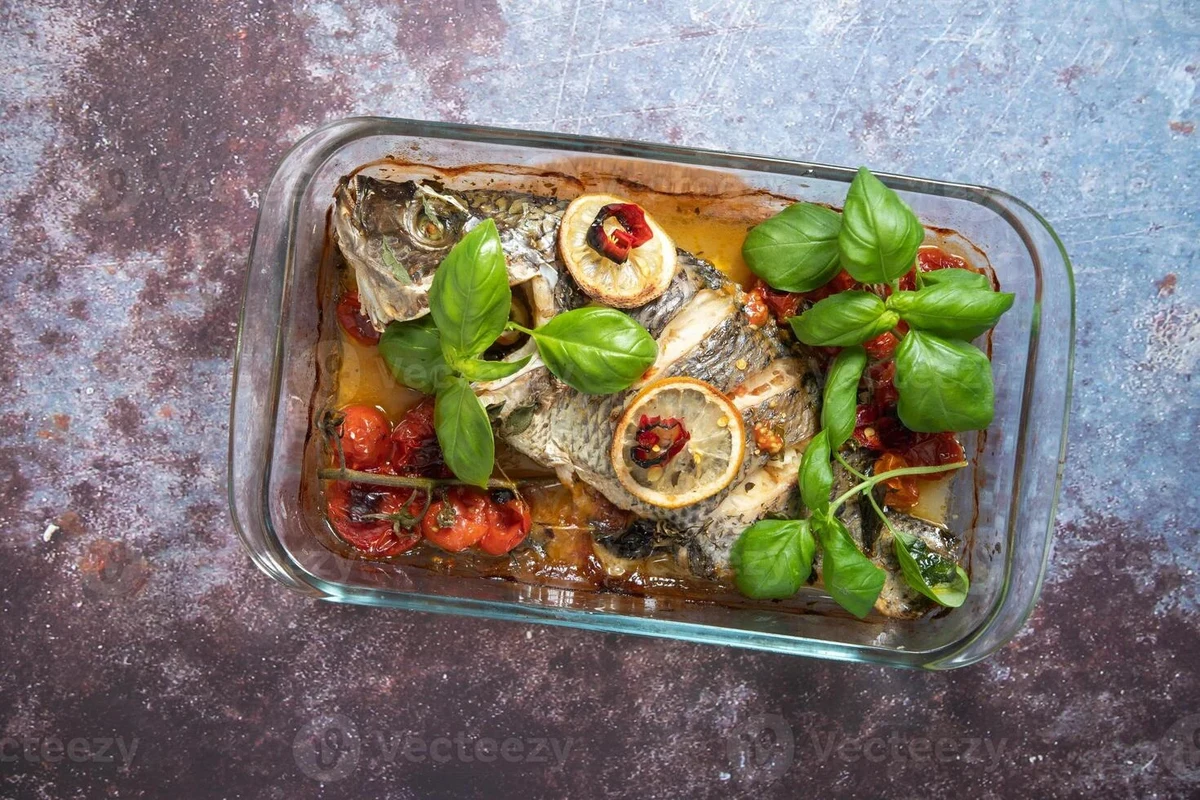
Baking fish is one of the most forgiving and efficient methods to prepare a healthy dinner. Whether you are working with a best 36 inch gas oven or a standard compact range, the oven provides consistent ambient heat that cooks fish gently. This guide covers the essential techniques to ensure your seafood remains tender rather than dry, providing you with the foundation needed for everything from quick weeknight suppers to impressive Sunday dinners.
What is Oven-Baked Fish and Why It’s a Belizean Kitchen Staple
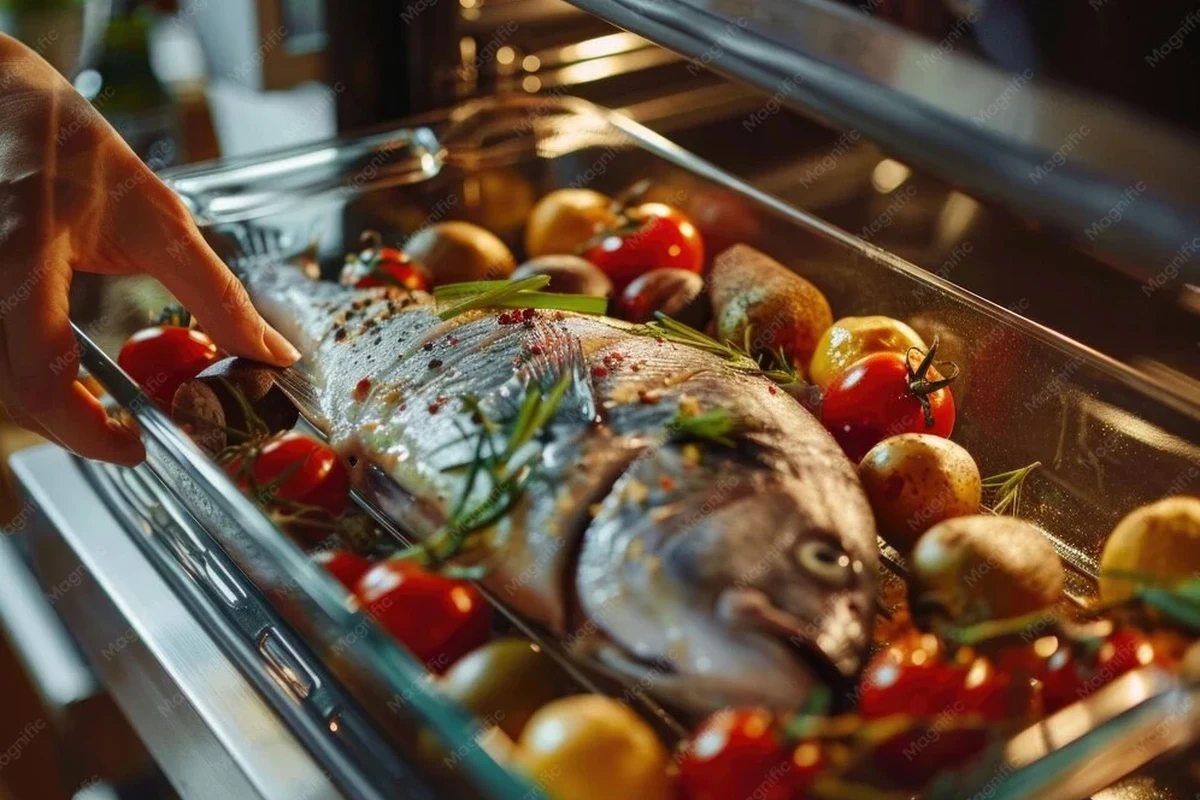
In Belize, fresh seafood is a cornerstone of our culinary heritage. While frying remains popular, oven-baking is increasingly favored for its ability to highlight the natural sweetness of local catch like snapper, grouper, or barracuda. Unlike frying, which adds a heavy crust, baking allows the aromatics—such as culantro, habanero, and lime—to infuse the flesh deeply. This method is a staple because it is hands-off, allowing you to prepare side dishes like coconut rice or plantains while the fish cooks perfectly.
Selecting the Best Fish: A Buyer’s Guide for Freshness and Sustainability
Identifying High-Quality White Fish vs. Oily Fish
When choosing your protein, it is helpful to understand the difference between varieties. White fish, such as tilapia or snapper, has a mild flavor and a delicate, flaky texture that benefits from gentle heat. Oily fish, like salmon or mackerel, contains higher fat content, which keeps it moist even at slightly higher temperatures. Always look for firm flesh that springs back when pressed and has a clean, oceanic scent rather than a pungent “fishy” odor.
Sustainable Sourcing: What to Look For at the Market
Sustainability is vital for the health of our oceans. When shopping in 2026, look for labels indicating wild-caught fish from managed fisheries or responsible aquaculture certifications. If you are uncertain about the source, don’t hesitate to ask your fishmonger about the catch method and origin. Choosing seasonal, locally available fish often ensures the highest level of freshness and supports smaller, more sustainable fishing communities.
Always inspect the eyes and gills of whole fish; they should be clear and bright, not cloudy or dull, which are signs of aging.
The Essential Ingredients and Flavor Profiles
Building the Perfect Belizean-Inspired Marinade
A great bake starts with a balanced marinade. Combine citrus juices—lime is traditional—with crushed garlic, sea salt, and black pepper. For a true Belizean flair, incorporate a touch of recado or local hot sauce to add depth and a vibrant color to the finished dish. Allow the fish to marinate for no longer than 15 to 20 minutes to prevent the acid from “cooking” the delicate proteins before they hit the heat.
Choosing Your Aromatics: Herbs, Citruses, and Spices
Aromatics are the secret to a fragrant, flavorful fish. Thinly sliced onions, bell peppers, and sprigs of fresh thyme or cilantro create a aromatic bed for the fish to rest on. Placing these beneath the fillet keeps the fish from sticking to the tray and steams the underside with flavorful vapors.
Step-by-Step Technique: How to Cook Fish in the Oven
Preparation: Cleaning, Drying, and Seasoning
Before seasoning, rinse your fish under cold water and pat it thoroughly dry with paper towels. Moisture on the surface of the fish can cause it to steam rather than roast, preventing any potential for a light browning. Once dry, coat the fish lightly in olive oil or melted butter to help the seasonings adhere and to protect the flesh.
Temperature Control: The Low-and-Slow vs. High-Heat Method
For most white fish, a temperature of 375°F to 400°F (190°C–200°C) is ideal. High heat (425°F+) works well for thicker, heartier cuts that can handle a quick roast, while lower temperatures (300°F) are best for very delicate fillets that require gentle handling. If you are using a modern electric range with double oven, use the smaller oven for better heat control when baking smaller portions.
The Parchment Paper Technique: Locking in Moisture
Wrapping fish in parchment paper—a technique known as en papillote—is the ultimate way to ensure success. The paper traps steam, effectively poaching the fish in its own juices and the aromatics you have added. This creates a moist, flavorful result that is nearly impossible to overcook.
Set your oven to 375°F and ensure the rack is in the center position.
Place a layer of sliced aromatics on a piece of parchment paper large enough to fold over the fish.
Place the fish on the aromatics, season with your marinade, and fold the parchment edges to seal tightly.
Place the packet on a baking sheet and bake for 12–15 minutes, depending on the thickness of the fillet.
Real-Kitchen Benefits and Nutritional Value
Why Baking Beats Frying for Weeknight Dinners
Baking is significantly less labor-intensive than frying, which requires constant monitoring and cleanup of oil splatters. It is a cleaner, more efficient way to get dinner on the table. For those interested in more complex preparations like Belizean Fish Soup Recipe, oven-roasting the fish separately can sometimes provide better control over texture before adding it to the broth.
Preserving Omega-3s and Healthy Fats
High-heat frying can degrade some of the delicate healthy fats found in fish. Baking at moderate temperatures preserves these essential nutrients while keeping the dish light and digestible, making it a better option for health-conscious families.
Common Mistakes to Avoid for Restaurant-Quality Results
Preventing Overcooking: How to Tell When Fish is Done
The most common error is leaving the fish in the oven too long. According to USDA safety guidelines, fish should be cooked to an internal temperature of 145°F. However, in practice, you can tell it is done when the flesh becomes opaque and flakes easily when gently prodded with a fork.
The Pitfalls of Improper Seasoning
Fish is a blank canvas, but it is easily overpowered. Avoid using heavy, thick sauces before baking; instead, use light marinades or rubs. Save thicker sauces or glazes for the last two minutes of cooking or as a finishing touch after the fish has been removed from the oven.
Food Safety, Storage, and Reheating Best Practices
Safe Handling: Preventing Cross-Contamination
Always wash your hands, utensils, and surfaces thoroughly after handling raw fish. Use separate cutting boards for fish and other ingredients to prevent cross-contamination.
Proper Storage: Keeping Your Leftovers Fresh
Store leftover cooked fish in an airtight container in the refrigerator for no more than 2 days. For the best quality, consume it as soon as possible, as the texture of fish changes significantly once refrigerated.
The Art of Reheating: Avoiding the Rubber-Texture Trap
Never reheat fish in the microwave, as it will likely become rubbery and dry. Instead, place it in a low-temperature oven (275°F) with a splash of water or broth in the pan, covered with foil, until it is just warmed through.
Final Recommendations for the Home Chef
To master oven-baked fish, focus on the quality of your ingredients and the accuracy of your oven temperature. Start with simple, white-fleshed fish and use the parchment method to guarantee moisture. By treating the fish with care and monitoring it closely as the timer nears the end, you will consistently achieve a flaky, delicious result that brings the flavors of the Caribbean into your 2026 kitchen.
Common Questions
375°F to 400°F is ideal for most fish fillets to ensure even cooking.
Most fillets take 12 to 15 minutes, depending on thickness.
Yes, foil works well, but ensure it is tightly sealed to trap steam.
No, there is no need to flip fish when baking as the heat surrounds the fillet.
Yes, 145°F is the recommended internal temperature for safe fish consumption.
Frequently Asked Questions
Most fish fillets bake best at 375°F to 400°F. This range allows the fish to cook through while maintaining moisture.
The fish is done when it reaches an internal temperature of 145°F or when the flesh is opaque and flakes easily with a fork.
Covering the fish, especially with parchment paper, helps trap steam and keep the fish moist. It is highly recommended for delicate fillets.
It is best to thaw fish in the refrigerator overnight before baking. Cooking from frozen can lead to uneven results and excess moisture.
Cooked fish should be stored in an airtight container and consumed within 2 days for safety and quality.
Dry fish is usually the result of overcooking. Always check for doneness a few minutes before the recipe’s estimated time.