What to Serve with White Chicken Chili

Serve white chicken chili with crunchy toppings like pepitas or tortilla chips and a side of jalapeño-cheddar cornbread to balance the creamy texture. Always provide fresh lime wedges to brighten the flavors before serving.
Finding the right accompaniment for white chicken chili is all about balancing its signature creamy, savory profile with textures and bright, acidic flavors. Whether you are looking for crunchy toppings, hearty breads, or refreshing salads, the goal is to enhance the meal without overpowering the delicate spice of the chicken.
- Texture balance: Use crunchy additions to contrast the creamy, soft base of the chili.
- Flavor elevation: Always include acid, such as fresh lime juice, to cut through the richness.
- Customizable sides: A chili bar with various toppings is ideal for large gatherings in 2026.
- Safety first: Ensure all chicken is cooked to 165°F and handle dairy with care to prevent.
What to Serve with White Chicken Chili: The Ultimate Pairing Guide
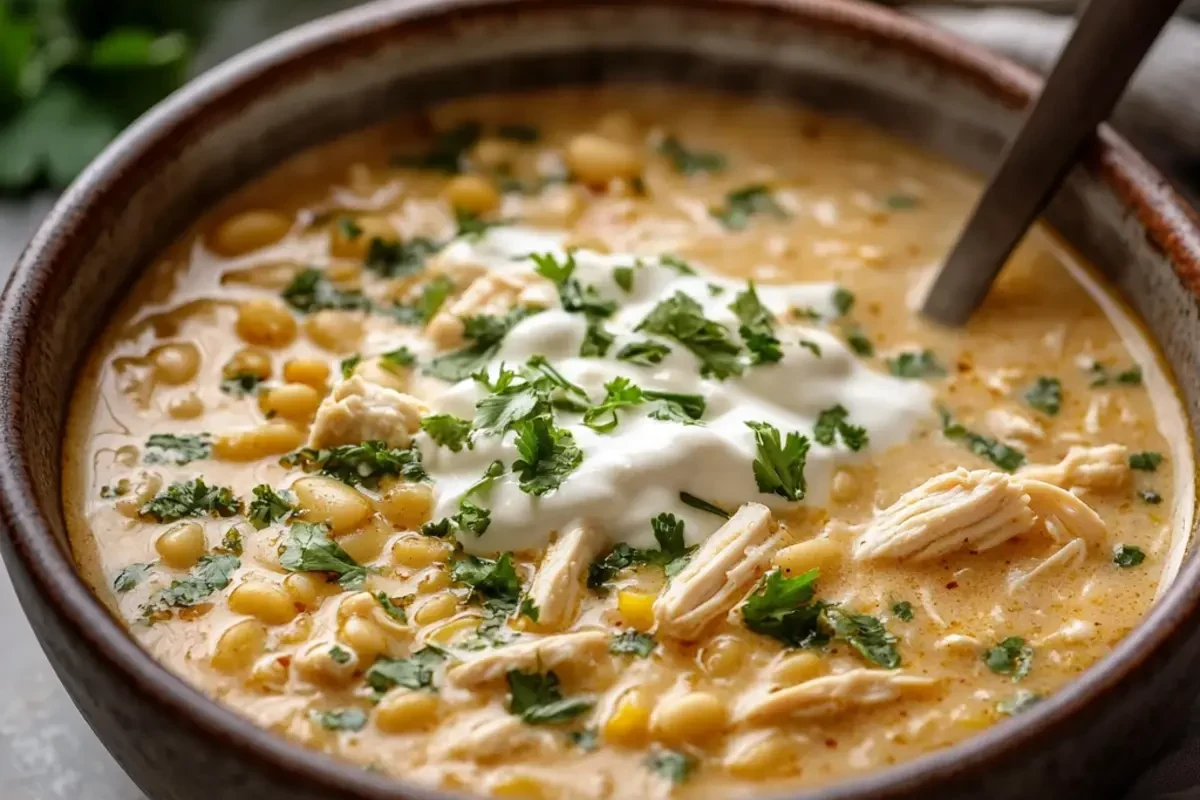
White chicken chili is a crowd-pleaser that sits somewhere between a hearty soup and a rich stew. Because it is often made with white beans, shredded chicken, and a creamy base, it benefits significantly from sides that provide contrast. If you enjoy experimenting with different textures, you might find inspiration in our guide to the Zoup White Chicken Chili recipe, which highlights how well a well-balanced bowl pairs with various garnishes.
Understanding the Flavor Profile of White Chicken Chili

Defining the Belizean-Inspired Twist
At BelizeanRecipe, we often look at comfort food through a lens that values depth and local aromatics. A Belizean-inspired twist on this dish often incorporates fresh habanero or jalapeño heat balanced by coconut milk or heavy cream, creating a velvety mouthfeel that demands a crunchy or acidic counterpart to keep the palate engaged.
Key Flavor Components: Creaminess, Acidity, and Heat
The success of the dish relies on the interplay of three elements: the rich, savory base (creaminess), the brightness from lime juice or fresh herbs (acidity), and the lingering warmth from green chilies (heat). When choosing sides, aim for items that highlight one of these pillars.
The Best Sides to Complement White Chicken Chili
Crunchy Toppings and Texture Additions
Since the chili itself is soft, adding texture is non-negotiable. Think beyond standard tortilla chips. Toasted pepitas (pumpkin seeds), crispy fried onions, or even a handful of crushed plantain chips offer a unique crunch that elevates the experience.
Fresh Breads and Savory Pastries
A warm side is essential for mopping up the remains in your bowl. If you are preparing your meal on a range with a griddle, you can easily toast thick slices of sourdough or prepare quick drop biscuits. Cornbread remains the gold standard, but don’t hesitate to incorporate cheddar or jalapeños to bridge the flavor gap.
Refreshing Salads and Cooling Sides
Because the chili can be quite heavy, a crisp, acidic salad works wonders. A simple slaw with lime vinaigrette or a cucumber-tomato salad helps cut through the richness of the dairy base.
Always serve lime wedges on the side. The acidity of fresh lime juice is the single most effective way to “wake up” the flavors of a creamy chili right before eating.
Crafting the Perfect Accompaniment: A Recipe Guide
Ingredients for the Perfect Jalapeño-Cheddar Cornbread
To make the perfect side, combine fine-ground cornmeal, all-purpose flour, baking powder, sharp cheddar cheese, and diced jalapeños. Using buttermilk instead of regular milk will provide a tang that complements the savory notes of the chili.
Key Techniques for Fluffy, Moist Results
Do not overmix the batter. Once the wet and dry ingredients are combined, fold them just until they are incorporated. Overworking the flour develops gluten, which can lead to a dense, tough bread rather than a light, fluffy one.
Common Mistakes to Avoid When Baking Sides
Avoid using low-quality pre-shredded cheese, as it contains anti-caking agents that prevent it from melting properly. Shred your own cheese for a smoother texture in your cornbread or biscuits.
Elevating Your Meal: Ingredient Selection and Substitutions
Choosing the Right Dairy for Creamy Bases
Heavy cream provides the most stable base, but if you want a lighter result, Greek yogurt or sour cream added at the very end can offer a tangy finish. Be careful not to boil the chili once dairy has been added to prevent curdling.
Flavor Enhancers: Cilantro, Lime, and Avocado
These are the “holy trinity” of chili toppings. Avocado adds a creamy, buttery finish, while cilantro and lime provide the necessary aromatic lift to balance the spice.
If you have extra ingredients, consider how they might be repurposed. For instance, leftover chicken is perfect for Belizean chicken tacos, which make for a fantastic follow-up meal.
Food Safety and Preparation Best Practices
Always ensure your chicken reaches an internal temperature of 165°F (74°C) as measured by a food thermometer. When shredding, do so on a clean surface to avoid cross-contamination with other meal prep areas.
Storage, Reheating, and Quality Maintenance
If you have leftovers, cool the chili rapidly by placing the pot in an ice bath before refrigerating. When reheating, use low heat and stir frequently. If the base breaks (separates), whisking in a tablespoon of warm water or milk can often help emulsify it again.
Troubleshooting Common Culinary Challenges
If your chili is too thin, create a slurry by whisking one tablespoon of cornstarch with two tablespoons of cold water, then stir it into the simmering pot. If it is too thick, simply add a splash of chicken stock until you reach your desired consistency.
Final Recommendations for Your Next Gathering
For large groups, a “chili bar” is the best strategy. Set out bowls of various toppings—shredded cheese, sour cream, pickled jalapeños, and crushed chips—and let guests customize their own bowls. This reduces the pressure on the host and ensures everyone gets exactly what they enjoy.
- Balance the creamy chili with acidic lime and fresh cilantro.
- Use crunchy toppings like pepitas or plantain chips for texture.
- Always keep sides simple but flavorful, like jalapeño-cheddar cornbread.
- Prioritize food safety by monitoring internal temperatures for all poultry.
Common Questions
A crisp, dry white wine or a light Mexican lager pairs perfectly with the creamy and spicy notes of the dish.
Yes, pre-cooked rotisserie chicken is an excellent time-saver, provided it is fresh and shredded properly.
Store in an airtight container for up to 3 to 4 days, following standard food safety protocols for cooked poultry.
While not traditional, serving it over a small portion of cilantro-lime rice is a great way to make the meal heartier.
Monterey Jack or a sharp white cheddar works best because they melt smoothly and complement the white beans.
Frequently Asked Questions
Jalapeño-cheddar cornbread is the most popular choice because its sweetness and heat perfectly complement the creamy, savory nature of the chili.
Reheat the chili slowly over low heat, stirring constantly. If the dairy starts to separate, whisk in a small amount of warm stock or milk to re-emulsify the sauce.
Toasted pepitas, crushed tortilla chips, fried onions, or even plantain chips work well to provide a necessary texture contrast to the creamy stew.
Yes, flavors often meld better after a day in the refrigerator. However, add fresh toppings like avocado and cilantro only right before serving to keep them fresh.
According to food safety guidelines, chicken must be cooked to an internal temperature of 165°F (74°C) to ensure it is safe to eat.
Whisk together one tablespoon of cornstarch with two tablespoons of cold water to create a slurry. Add this to your simmering chili and stir until it thickens.