Recipes with Chicken Broth

Chicken broth provides the essential savory foundation for traditional Belizean soups, stews, and rice dishes. Using high-quality broth allows you to build deep, authentic flavors that transform simple ingredients into complete meals.
Chicken broth serves as the foundational liquid in Belizean cuisine, providing the depth and savory complexity required for everything from hearty soups to perfectly seasoned rice. Mastering the use of this essential pantry staple allows home cooks to elevate simple ingredients into authentic, flavor-packed meals.
- Flavor Base: Broth acts as the primary medium for building complex, savory layers in Belizean cooking.
- Homemade Quality: Homemade broth offers superior control over salt and flavor compared to store-bought alternatives.
- Proper Storage: Always refrigerate broth within two hours and use within 3-4 days to ensure food.
- Cooking Technique: Use a gentle simmer to prevent cloudiness and avoid over-salting by seasoning at the.
What Is Chicken Broth and Why It’s the Essential Base for Belizean Cooking
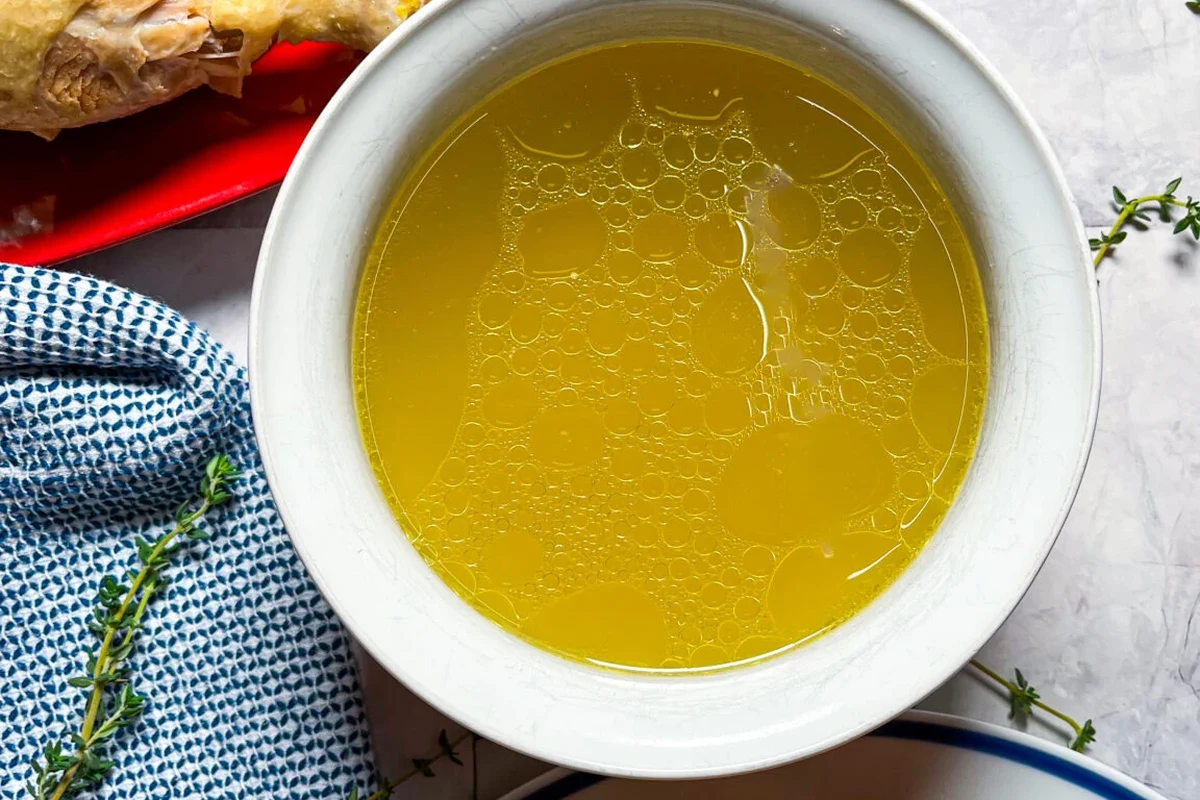
In the context of Belizean cooking, chicken broth is more than just a liquid; it is the primary medium for building layers of flavor. While stock is typically made from bones, broth is created by simmering meat, aromatics, and herbs. This results in a lighter, more seasoned liquid that harmonizes beautifully with Caribbean spices.
Using a quality broth is the secret to replicating the depth of flavor found in traditional Belizean stews and rice dishes. It acts as the “glue” that binds disparate ingredients like coconut milk, recado, and fresh herbs together.
The Nutritional and Culinary Benefits of Quality Chicken Broth
Why Homemade Broth Outperforms Store-Bought Alternatives
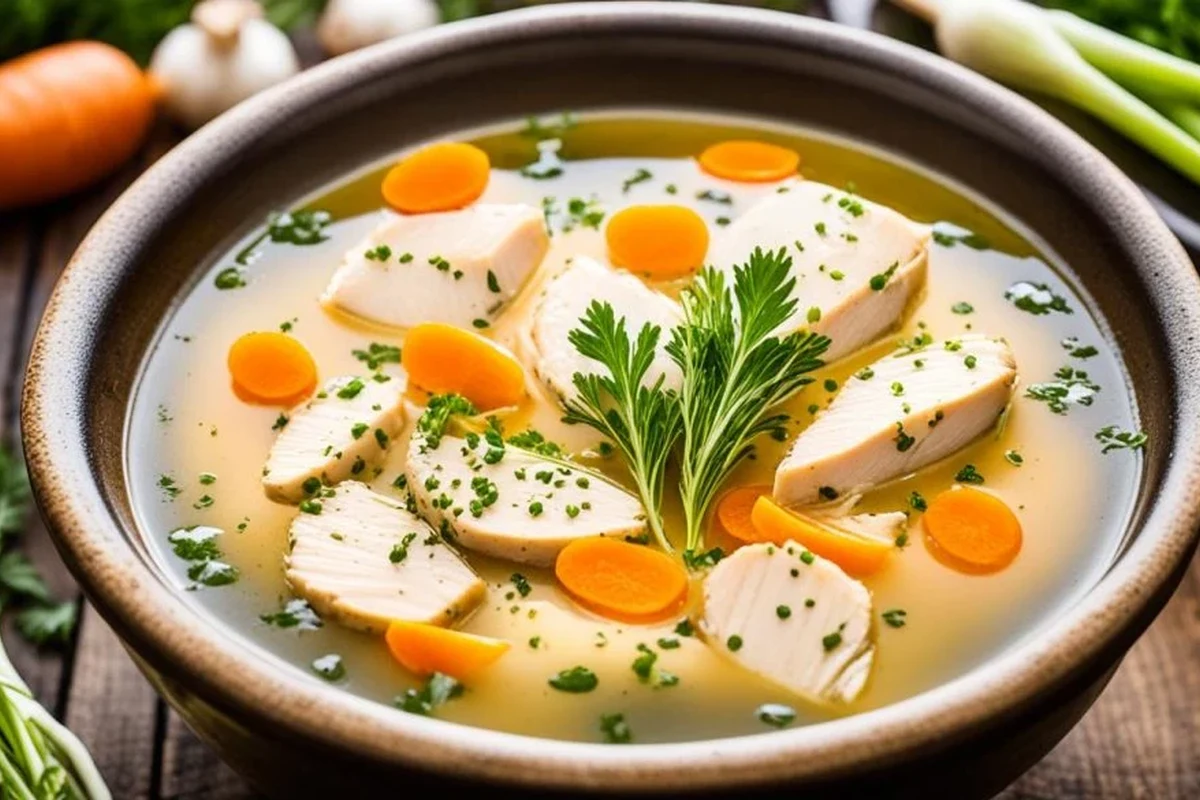
While store-bought options are convenient for busy schedules, homemade broth allows for total control over salt levels and flavor intensity. By simmering chicken pieces with onions, garlic, and local herbs like cilantro or culantro, you create a profile that commercial brands simply cannot replicate. Homemade versions also tend to have a richer mouthfeel due to the natural collagen released during a slow simmer.
Health Benefits and Dietary Suitability
Chicken broth is a hydrating, nutrient-dense base. It is easily digestible and often used as a comforting meal for those feeling under the weather. For those managing dietary needs, making broth at home is the safest way to avoid hidden allergens or unwanted preservatives often found in processed bouillon cubes.
Selecting the Best Chicken Broth: A Buyer’s Guide for 2026
Key Ingredients to Look For on the Label
When shopping in 2026, look for products that list “chicken” or “chicken stock” as the first ingredient. A high-quality store-bought broth should contain minimal ingredients, primarily water, chicken, vegetables (like carrots and celery), and natural seasonings. Organic options are often a reliable choice to ensure higher-quality sourcing.
Common Additives to Avoid
Be cautious of labels containing excessive “yeast extract,” artificial flavorings, or high levels of sodium. Many commercial broths are heavily reliant on MSG or high-sodium formulations, which can overpower the delicate balance of a traditional chicken with escarole soup.
- Check labels for “low-sodium” options to control seasoning.
- Look for clear, golden-colored liquids in transparent packaging.
- Avoid products with long lists of unpronounceable chemical additives.
- Avoid overly dark or cloudy broths, which may indicate poor processing.
Essential Techniques for Incorporating Chicken Broth into Belizean Dishes
Mastering the Ratio: Balancing Flavor and Consistency
The ratio of broth to solids is critical. For rice dishes, use a 2:1 ratio of liquid to rice to ensure a fluffy texture. In soups, you may want a higher volume of broth to allow the ingredients to swim freely. Always taste your broth before adding extra salt, as reduction during cooking will concentrate the existing sodium.
Deglazing and Emulsification Tips
Use chicken broth to deglaze your pot after searing chicken. The browned bits at the bottom of the pan—known as fond—are packed with flavor. Adding a splash of broth allows you to scrape those bits up, integrating them into a rich gravy or sauce. This technique is essential for successful meal prep ideas with chicken breast 5, where maintaining moisture is key.
Signature Recipes Using Chicken Broth
Belizean-Style Chicken Soup (Caldo de Pollo)
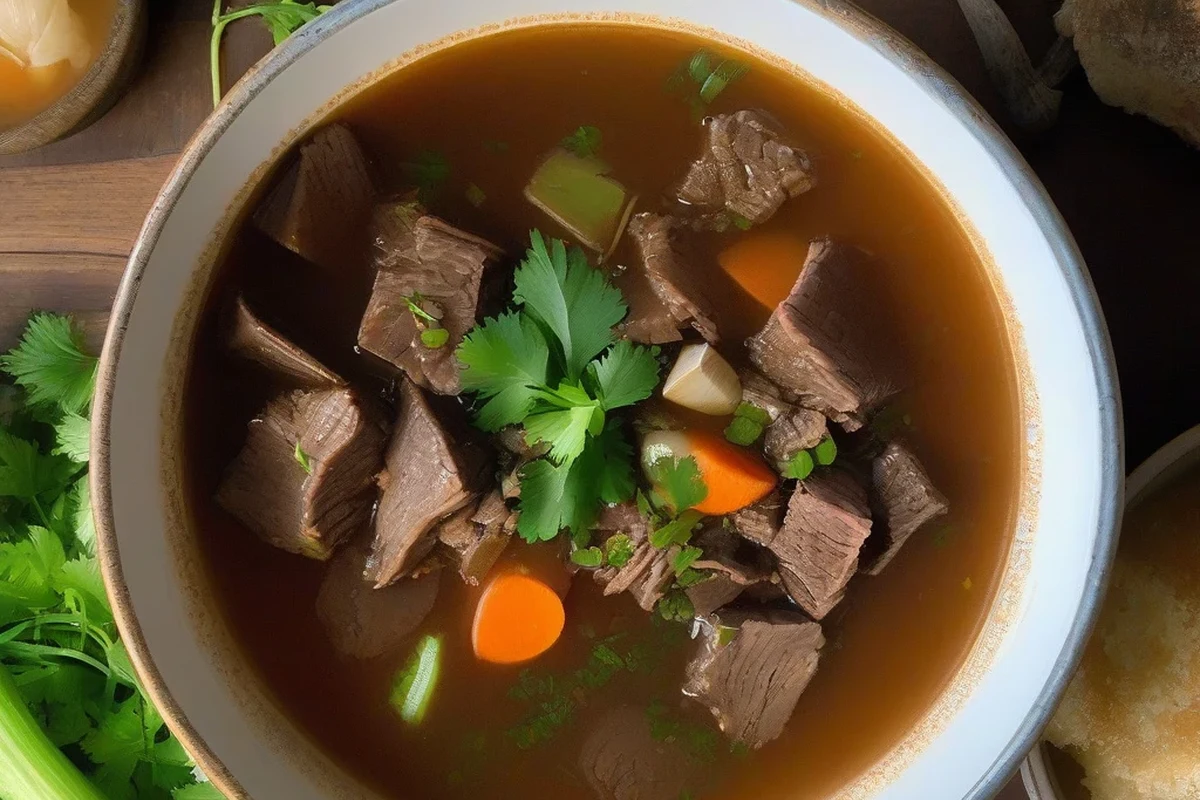
This classic dish relies on a robust broth base. Start by sautéing your aromatics, then pour in the broth and bring to a simmer. Add root vegetables like cassava or yam, followed by bone-in chicken pieces. Let the broth infuse the chicken until it is tender and falling off the bone.
Savory Rice and Beans Infusion Technique
Instead of water, use chicken broth to cook your rice. This simple swap adds a savory depth that pairs perfectly with stewed meats. When combined with coconut milk, the broth creates a creamy, complex base that defines authentic Caribbean-style rice.
Stewed Chicken Gravy Enrichment
When making stewed chicken, use broth to extend your gravy. After browning the chicken, add broth and let it reduce. This creates a thick, flavorful sauce that coats the chicken perfectly. If you are looking for more ways to utilize this technique, explore our best spices for chicken 2 guide to see which herbs complement this gravy best.
Safe Handling, Storage, and Shelf-Life Guidelines
Broth is a perishable item. If you make it at home, it should be cooled rapidly and refrigerated within two hours of cooking. Store it in airtight containers for up to 3–4 days in the refrigerator. For longer storage, freeze it in portions; it will maintain its quality for up to three months.
Never leave broth at room temperature for extended periods. If it develops an off odor, becomes cloudy, or shows signs of mold, discard it immediately.
Common Mistakes When Cooking with Chicken Broth
A common error is over-salting. Because broth reduces as it simmers, the salt concentration increases. Always season your dish at the end of the cooking process rather than at the beginning. Another mistake is using high heat for too long, which can evaporate the liquid too quickly and cause the proteins in the broth to cloud or become bitter.
Substitutions and Alternatives for When You Run Out
If you run out of broth, water mixed with a small amount of soy sauce or herbs can work in a pinch. However, for the best results, keeping a stash of homemade frozen broth is ideal. Stock is a thicker, gelatinous alternative that works well for heartier stews, while broth is better for lighter soups and rice dishes.
Final Recommendations for Elevating Your Belizean Kitchen
To truly master Belizean recipes, prioritize the quality of your liquid base. Whether you choose to make large batches of homemade broth or select high-quality, low-sodium store-bought options, the broth you choose will dictate the final flavor of your meal. Start by experimenting with different herb combinations in your broth to find the signature taste that defines your kitchen.
Common Questions
It serves as the flavorful foundation for soups, rice, and stews, providing depth that water alone cannot achieve.
While bones add collagen and body, you can create a flavorful broth using chicken meat, aromatics, and herbs.
Check for minimal ingredients, low sodium, and real chicken as the primary source of flavor.
Wait to add salt until the very end of the cooking process, as the broth will concentrate as it reduces.
Skimming the fat results in a clearer, cleaner broth, though leaving some fat can add richness to certain stews.
Frequently Asked Questions
Yes, they are often interchangeable. Broth is generally lighter and better for soups, while stock is richer and ideal for thick stews.
Homemade chicken broth can be kept in the refrigerator for 3 to 4 days when stored in an airtight container.
Yes, freezing is an excellent way to preserve broth. It will maintain its quality for up to three months in the freezer.
Cloudiness is often caused by boiling the broth too vigorously. Keep it at a gentle simmer to ensure a clear, clean-tasting result.
If a dish is too salty, add more liquid (water or unsalted broth) or include starchy vegetables like potatoes to help absorb the excess salt.
Absolutely. Using chicken broth instead of water significantly enhances the flavor of rice, making it a staple technique in many Belizean kitchens.