Butternut Squash Leek Soup Recipe | Creamy, Healthy & Easy Homemade Soup

Butternut squash leek soup is a velvety, nutrient-dense dish that balances the natural sweetness of roasted squash with the mild, savory depth of sautéed leeks. As we move through 2026, this recipe remains a favorite for home cooks seeking a comforting, elegant meal that relies on simple, seasonal produce.
- Preparation: Always roast your squash to maximize natural sweetness and caramelization.
- Cleaning: Thoroughly wash leeks between layers to remove hidden grit before cooking.
- Blending: Use an immersion blender for convenience or a stand blender for a restaurant-smooth finish.
- Seasoning: Balance the squash’s sweetness with a splash of acidity, such as lime or vinegar.
What Is Butternut Squash Leek Soup: A Tropical-Inspired Comfort Bowl
At its core, this soup is a celebration of texture and contrast. By pairing the earthy, dense body of butternut squash with the sophisticated, onion-like profile of leeks, you create a complex flavor base that feels luxurious without needing heavy cream. In the context of Belizean culinary traditions, we often lean toward fresh, whole-food ingredients that highlight the natural brightness of the harvest. This soup is a testament to how minimal processing can yield a dish with incredible depth.
Why This Butternut Squash Leek Soup Belongs in Your 2026 Kitchen

In 2026, the focus in home kitchens continues to shift toward “approachable gourmet.” This recipe is a perfect fit because it requires minimal hands-on time but results in a restaurant-quality presentation. It is naturally vegetarian-friendly, gluten-free, and incredibly easy to scale up for meal prep or gatherings. Its versatility allows it to serve as a light starter or, with the addition of proteins or crusty bread, a satisfying main course. Butternut Squash Leek Soup
Essential Ingredients: Sourcing Quality Produce for Maximum Flavor
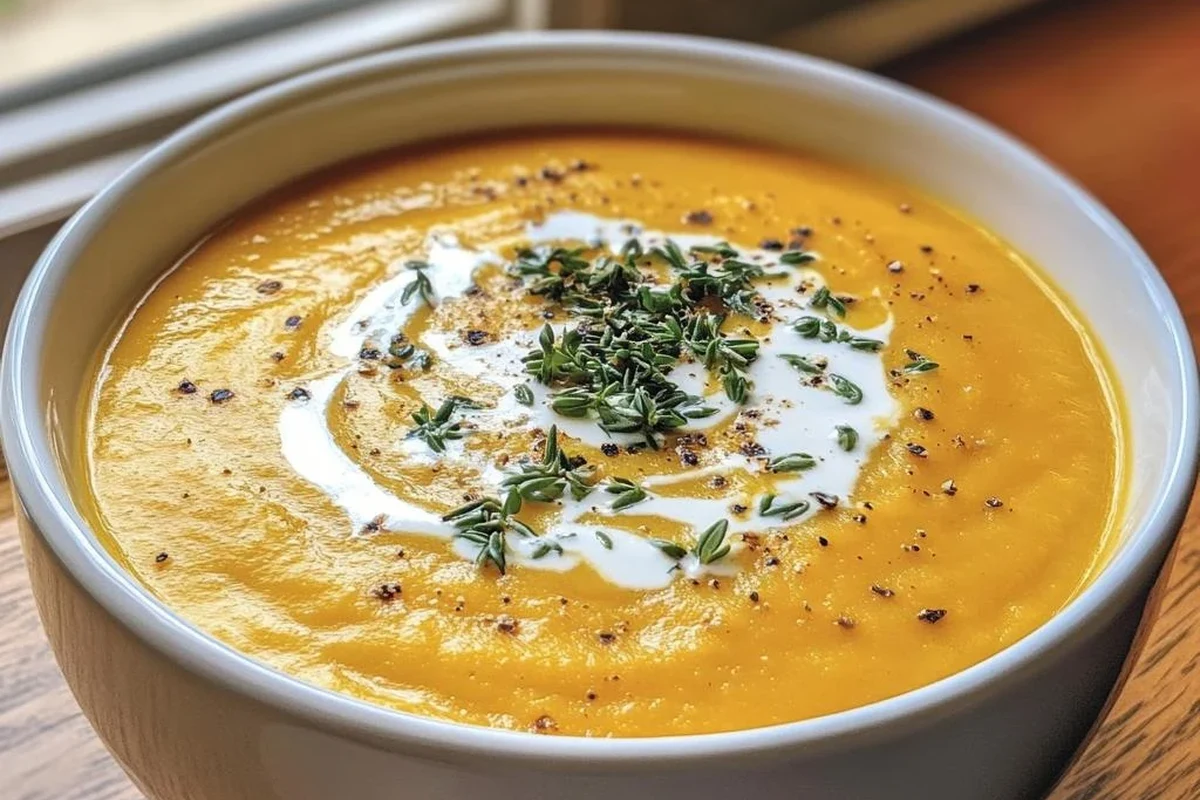
Selecting the Perfect Butternut Squash
When shopping, look for a squash that feels heavy for its size, which indicates high water and sugar content. The skin should be matte, firm, and free of deep cuts or soft spots. A squash with a longer neck typically offers more flesh-to-seed ratio, making it easier to peel and cube.
The Role of Leeks: Cleaning and Preparation Techniques
Leeks are the secret weapon of this soup. Unlike onions, they provide a mellow, buttery flavor. Because leeks grow in sandy soil, they often trap grit between their tight layers. Always slice them lengthwise and rinse thoroughly under cold running water, fanning the layers to ensure all dirt is removed before chopping.
Aromatic Foundations: Enhancing the Belizean Flavor Profile
To elevate the base, consider incorporating aromatics like fresh garlic, a hint of ginger, or even a subtle touch of coconut milk for richness. These additions bridge the gap between classic European techniques and the vibrant, bold flavor profiles often found in Belizean cooking.
Step-by-Step Cooking Guide: Transforming Simple Ingredients into Velvet
Technique: Mastering the Roast vs. Sauté Method
Roasting the squash is non-negotiable for flavor development; it concentrates the sugars and creates a nutty undertone. Conversely, sautéing the leeks slowly ensures they melt into the soup rather than remaining fibrous. Combining these two methods provides a layer of complexity that boiling alone cannot achieve.
Achieving the Ideal Consistency: Blending and Texture Control
For a truly professional texture, use an immersion blender directly in the pot. If you prefer an ultra-smooth, fine-dining consistency, transfer the soup to a high-speed stand blender. Always leave the vent open or remove the center cap of the lid to allow steam to escape, preventing pressure buildup.
Common Cooking Mistakes and How to Avoid Them
- Season in stages, tasting as you go.
- Adjust liquid levels slowly to control thickness.
- Overcrowding the roasting pan, which causes steaming instead of caramelization.
- Blending hot soup in a sealed container, which is dangerous.
The Pitfall of Under-Seasoning
Squash is naturally sweet and requires enough salt and acidity to balance it. If the soup tastes “flat,” add a splash of apple cider vinegar or a squeeze of lime juice just before serving to brighten the profile.
Avoiding Over-Blending and Texture Issues
Over-blending starchy vegetables can sometimes result in a gummy texture. Pulse the blender until smooth, then stop immediately. If the soup is too thick, thin it with a small amount of warm stock rather than adding more heavy cream.
Customization and Substitution Guide
Food Safety, Storage, and Reheating Best Practices
Optimizing Shelf Life: Refrigeration and Freezing Advice
Store in airtight containers for up to 4 days in the refrigerator. For longer storage, this soup freezes exceptionally well. Leave a small space at the top of your container, as the liquid will expand when frozen. It will maintain quality for up to 3 months. Butternut Squash Leek Soup
Proper Reheating Methods
Reheat slowly on the stovetop over medium-low heat, stirring occasionally to prevent scorching the bottom. If the soup separates slightly, a quick whisk will bring the emulsion back together.
Final Verdict: Why This Recipe is a Seasonal Staple
Butternut squash leek soup is a reliable anchor for any seasonal meal plan. By focusing on roasting the squash and properly cleaning the leeks, you ensure a high-quality result that requires minimal effort. It is an ideal dish for those who value clean, simple ingredients and are looking to master a foundational soup technique that offers endless opportunities for personal customization.
Frequently Asked Questions
Yes, you can use frozen cubes to save time. Simply roast them according to the package instructions until they are caramelized, as they may contain more moisture than fresh squash.
Slice the leeks lengthwise and rinse them under cold water, fanning the layers out to wash away any trapped dirt or sand. Ensure they are completely clean before adding them to your pot.
Over-blending starchy vegetables like squash can sometimes cause a gummy texture. Pulse the blender only until smooth and avoid over-processing the mixture.
You can store the soup in an airtight container in the refrigerator for up to 4 days. Always ensure it has cooled properly before storing.
Yes, this soup freezes very well. Store it in freezer-safe containers for up to 3 months, leaving space for expansion.
For a dairy-free result, coconut milk or a splash of olive oil works beautifully. These alternatives provide richness without overpowering the natural flavor of the squash.