Toaster Oven Chicken Breast

Roasting chicken breast in a toaster oven is an energy-efficient way to achieve perfectly cooked, juicy results in under 25 minutes. Always use a meat thermometer to ensure the internal temperature reaches a safe 165°F (74°C).
Cooking chicken breast in a toaster oven is a highly efficient method for achieving juicy, golden-brown results without heating up your entire kitchen. By utilizing the concentrated heat of a smaller appliance, you can master perfectly roasted poultry that rivals larger, more energy-intensive ovens.
- Temperature Control: Preheat your toaster oven to 400°F (200°C) for consistent, even roasting.
- Safety First: Use a meat thermometer to verify an internal temperature of 165°F (74°C) to ensure.
- Uniformity: Pound chicken breasts to an even thickness before seasoning to prevent the edges from.
- Airflow: Avoid overcrowding the tray; leave space between pieces to ensure the heat circulates properly.
Toaster Oven Chicken Breast: The Ultimate Guide to Juicy, Quick Cooking
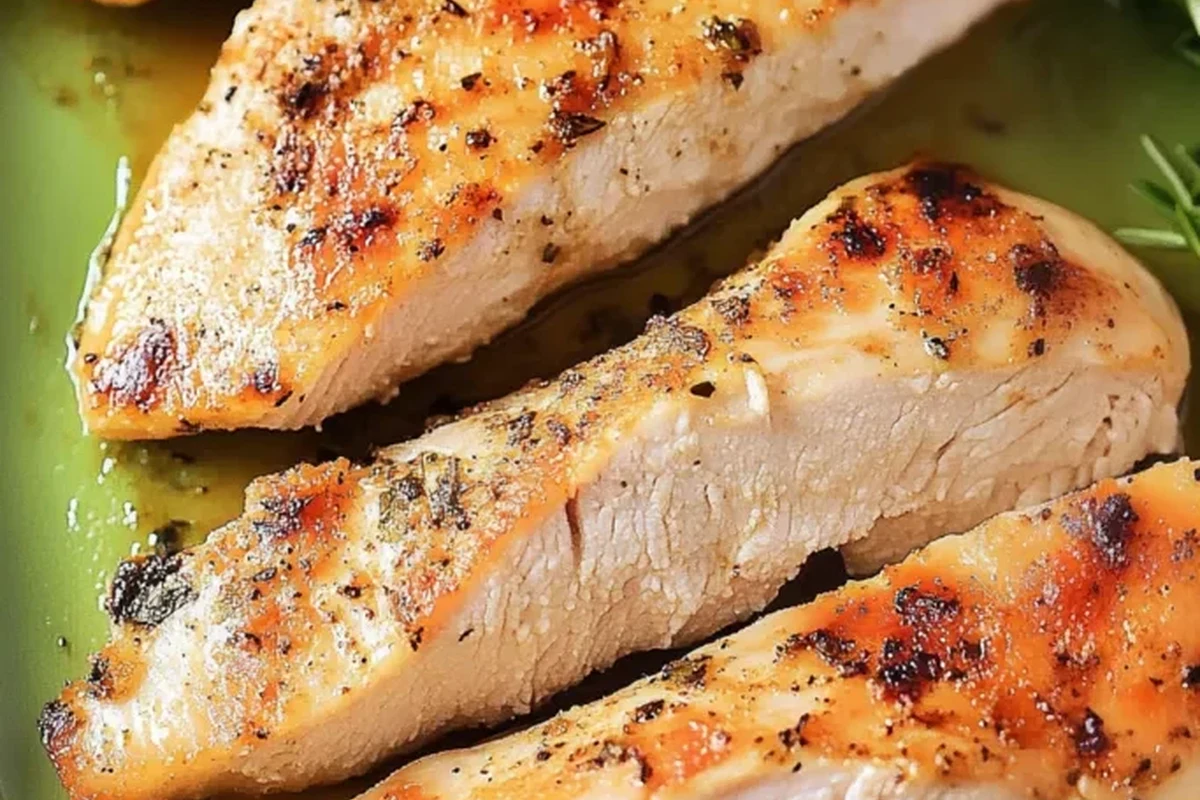
For many home cooks, the toaster oven is an overlooked powerhouse. While it is often relegated to toasting bread or heating leftovers, its compact nature makes it an ideal tool for roasting chicken breasts. Because the heating elements are closer to the food, the oven reaches temperature faster and maintains a consistent heat profile, which is essential for locking in moisture.
Why the Toaster Oven is a Game-Changer for Chicken Breasts
Efficiency and Energy Savings in 2026
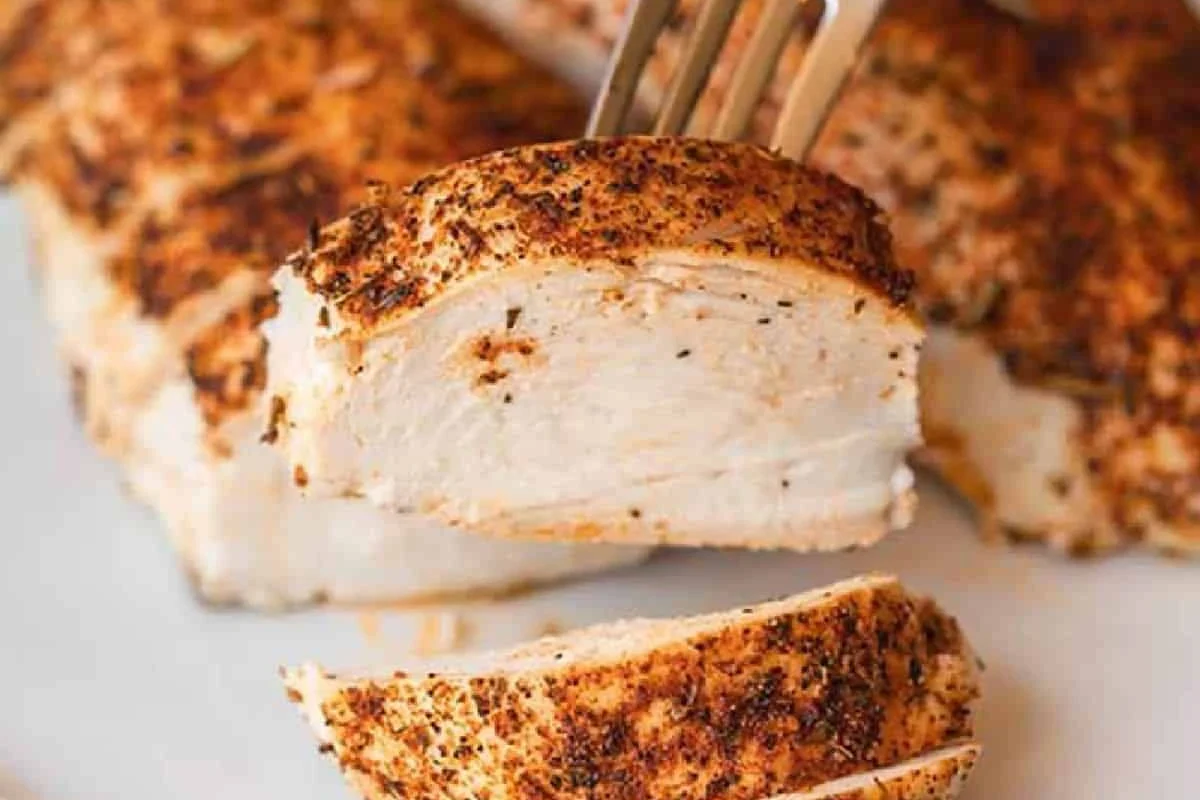
As we move through 2026, many households are looking for ways to reduce energy consumption. A toaster oven uses significantly less electricity than a standard convection or electric range because it does not have to heat a large, empty cavity. For a quick weeknight meal, this efficiency means you can have a high-quality, protein-packed dinner ready in a fraction of the time.
Achieving Superior Texture: Heat Circulation vs. Conventional Ovens
The compact design of a toaster oven naturally encourages better heat circulation around the chicken. Unlike large ovens that may have “cold spots,” a smaller unit provides a more uniform environment. This allows the exterior of the chicken to develop a beautiful, slightly crisp texture while the interior remains succulent and tender.
Essential Ingredients for the Perfect Toaster Oven Chicken
The Foundation: Selecting High-Quality Chicken Breasts
Start with uniform, skinless, boneless chicken breasts. If your breasts vary significantly in thickness, use a meat mallet to pound them to an even thickness. This ensures that the entire piece cooks at the same rate, preventing the thinner edges from drying out before the thickest part is done.
Flavor Profiles: Seasonings, Rubs, and Marinades
Chicken breast is a blank canvas. Whether you are aiming for a Belizean BBQ chicken recipe profile with smoky spices or a bright, citrus-forward marinade, the toaster oven handles both dry rubs and wet glazes exceptionally well. Always ensure your dry rubs are applied generously to the surface to encourage browning.
The Role of Fats: Why Oil Choice Matters for Roasting
Using a high-smoke-point oil, such as avocado or refined olive oil, is crucial. Because the heating elements in a toaster oven are close to the pan, low-smoke-point oils can burn and create unpleasant smoke. A light brushing of oil helps conduct heat evenly across the meat’s surface.
Bring your chicken to room temperature for about 15 minutes before cooking. This simple step promotes more even cooking throughout the breast, reducing the risk of a cold center.
Step-by-Step Technique: How to Roast Chicken Breast in a Toaster Oven
Set your toaster oven to 400°F (200°C). Never skip the preheat cycle, as a hot oven is necessary to sear the outside of the chicken immediately.
Pat the chicken dry with a paper towel. Rub with oil and your chosen seasoning blend.
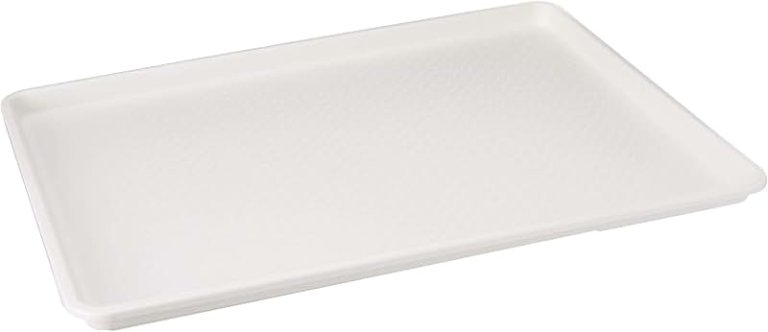
Place the chicken on a rimmed baking sheet lined with parchment paper or a silicone mat for easy cleanup.
Roast for 18–22 minutes, depending on the thickness of the breast.
Using a Meat Thermometer: The Only Way to Ensure Safety
Visual cues can be misleading. Always use a digital meat thermometer to verify that the internal temperature has reached a safe 165°F (74°C) at the thickest part of the breast. This is the only reliable way to ensure the meat is safe to eat while avoiding the dreaded “overcooked and dry” result.
Common Mistakes to Avoid When Cooking Chicken in Small Appliances
- Leave space between pieces for airflow
- Use a meat thermometer
- Preheat the oven fully
- Overcrowding the tray
- Using high-sugar glazes too early
- Ignoring the proximity to heating elements
Overcrowding the Tray: Impact on Even Cooking
If you pack the tray too tightly, the chicken will steam rather than roast. Ensure there is at least an inch of space between each piece to allow the hot air to circulate freely. If you are cooking for a larger group, it is better to cook in two batches.
The Dangers of High-Heat Flare-ups
Because toaster ovens are compact, grease drippings can sometimes hit the bottom heating element. Always use a rimmed tray, and if your chicken is particularly fatty or heavily marinated, keep a close watch to prevent smoke or flare-ups.
Flavor Variations and Creative Recipe Ideas
The Belizean-Inspired Citrus Herb Rub
Combine lime zest, crushed garlic, thyme, and a hint of cumin for a vibrant flavor profile. This works exceptionally well in the dry environment of a toaster oven, creating a fragrant crust.
Honey-Garlic Glazed Toaster Oven Chicken
If you enjoy a sticky glaze, brush it on only during the last 3–5 minutes of cooking. This prevents the sugars in the honey from burning before the chicken is fully cooked through.
Mediterranean-Style Roasted Chicken with Vegetables
Arrange cherry tomatoes, zucchini slices, and kalamata olives around the chicken. The juices from the chicken will flavor the vegetables as they roast together in the small, enclosed space.
Safety, Storage, and Reheating Best Practices
Always wash your hands and any surfaces that came into contact with raw poultry. Use a dedicated cutting board for raw meat to prevent cross-contamination.
Proper Storage: Keeping Leftovers Fresh and Safe
Allow the chicken to cool before placing it in an airtight container. Refrigerate promptly, and consume within 3 to 4 days. If you’ve prepared something like a chicken leek and potato soup recipe using leftover roasted breast, be sure to add the cooked chicken at the very end to prevent it from becoming rubbery.
The Art of Reheating Without Drying Out Your Chicken
To reheat, add a tablespoon of water or chicken broth to your container. Cover it loosely and reheat at a lower temperature (around 300°F) until just warmed through. This steam helps restore moisture to the meat.
Is a Toaster Oven Right for Your Kitchen?
Comparing Toaster Oven Roasting to Air Frying
While an air fryer is essentially a high-powered convection toaster oven, a standard toaster oven offers more versatility for traditional baking and roasting. If you prioritize a slightly crispier exterior, an air-fryer setting is excellent, but for general roasting, a toaster oven provides more consistent, gentle heat.
Luis’s Final Verdict: Maximizing Value and Convenience
The toaster oven is an essential tool for the modern, efficient kitchen. It excels at cooking single or double portions of chicken breast with minimal fuss. By following proper safety protocols—specifically using a thermometer—and managing your heat, you can achieve professional results that save both time and energy. It is a reliable, convenient way to keep your meal rotation fresh without the long wait times of a full-sized appliance.
Common Questions
You generally do not need to cover the chicken unless you notice the top browning too quickly, in which case a loose tent of foil can help.
Check your toaster oven manufacturer’s manual, as many do not recommend glass bakeware due to the proximity of the heating elements.
For most toaster ovens, flipping is not strictly necessary if the heat distribution is good, but it can encourage even browning on both sides.
Yes, the middle or lower rack is usually best for chicken breasts to prevent the top from burning before the center is cooked.
Yes, but butter has a lower smoke point than oil, so it may brown or burn more quickly in a high-heat toaster oven environment.
Frequently Asked Questions
The ideal temperature is 400°F (200°C). This heat level is high enough to sear the exterior while keeping the interior moist.
Use a digital meat thermometer to check the thickest part of the breast. It must reach an internal temperature of 165°F (74°C) for food safety.
It is not recommended to cook frozen chicken directly in a toaster oven. Thaw it completely in the refrigerator first to ensure even cooking and safety.
It typically takes 18 to 22 minutes at 400°F. The exact time depends on the thickness of the chicken breast and your specific appliance.
Store leftover chicken in an airtight container in the refrigerator for up to 3 to 4 days. Ensure it is cooled before sealing to maintain quality.
For small portions, a toaster oven is more energy-efficient and preheats faster. A regular oven is better suited for large batches or whole birds.