Snack on the Beach

The best snack on the beach in Belize is usually a sturdy, portable food like tamales, johnny cakes, or meat pies. If you bring anything perishable, keep it cold and pack it separately from dry items.
In Belize, a good snack on the beach is usually something portable, sturdy, and safe in the heat: think johnny cakes, meat pies, fry jacks, garnaches, tamales, or fruit cups. The best choice depends on how long you’ll be out, whether you have a cooler, and how messy you’re willing to get.
- Best all-around picks: Tamales, johnny cakes, and meat pies are the most reliable beach snacks.
- Heat matters: Belize’s sun and humidity make cold storage important for meat, seafood, dairy, and creamy.
- Less mess wins: Choose snacks that travel well and do not leak, crush, or get soggy quickly.
- Fruit helps balance: Chilled fruit cups add freshness, but they need a cooler and clean serving tools.
What “Snack on the Beach” Means in Belizean Street Food
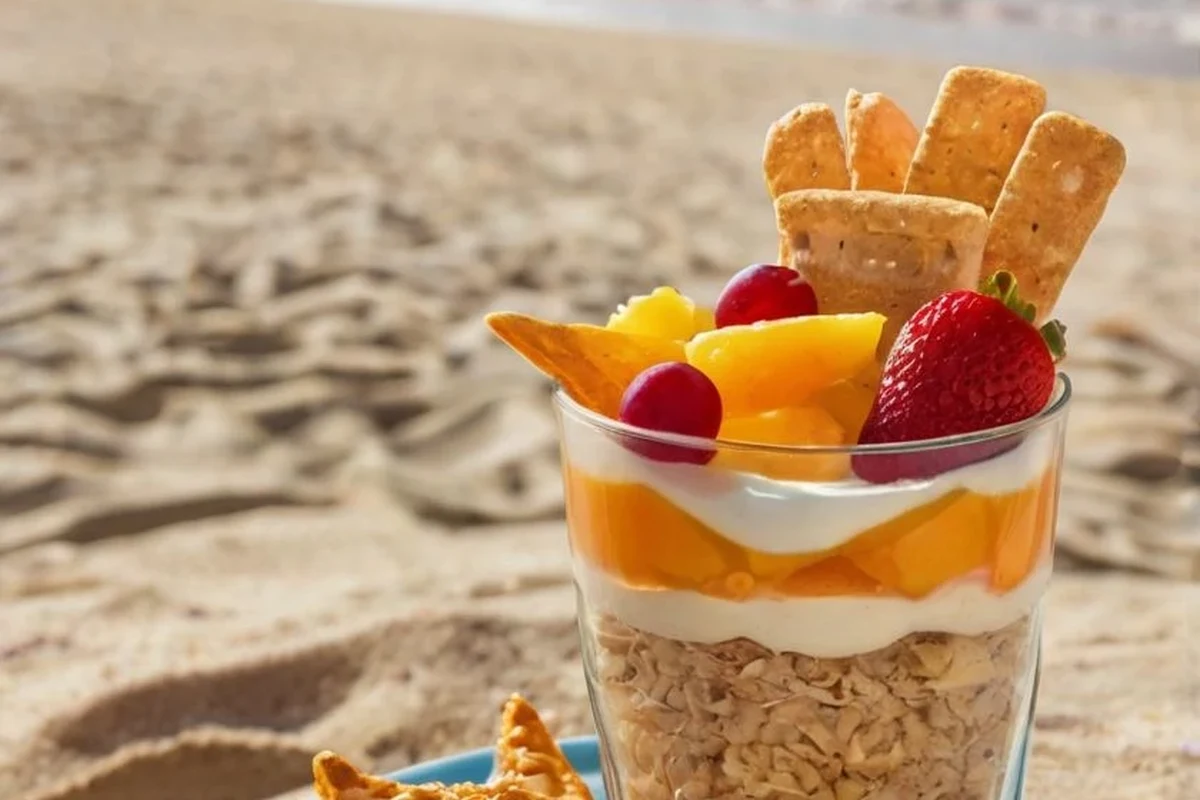
In Belizean street food culture, a beach snack is less about formal serving and more about practicality. It should be easy to carry, easy to share, and forgiving in sun, sand, and travel.
Quick answer: the best beach snacks are portable, sturdy, and safe in heat
The strongest beach options are foods that stay appealing without much reheating, do not leak easily, and can be eaten with your hands or minimal utensils. That usually means baked or fried dough items, wrapped tamales, or fruit that has been cut and kept chilled.
Who this guide is for: beachgoers, families, vendors, and travelers
This guide is for anyone planning a beach day in Belize or a similar tropical setting. It is especially useful for families packing for kids, travelers buying from roadside vendors, and anyone who wants a snack that feels local without becoming a cleanup project.
When people ask for a beach snack in Belize, they usually want something familiar, filling, and easy to manage between swimming, driving, and relaxing.
Best Belizean Snacks to Pack or Buy for the Beach
The best Belizean beach snacks balance texture, structure, and convenience. Some are better fresh from a vendor, while others travel well in a container or cooler.
Top options: johnny cakes, meat pies, fry jacks, garnaches, tamales, and fruit cups
Johnny cakes are a top pick because they are sturdy and easy to hold. They work well plain or split and filled, though they are usually best when eaten the same day.
Meat pies travel well because the crust holds the filling. They are a strong choice for road trips and longer beach outings, but they can be messy if they are too hot or overfilled.
Fry jacks are light, soft, and popular for breakfast or an early beach outing. They are best if eaten soon after cooking, since they lose their texture faster than denser snacks.
Garnaches can be delicious, but they are less beach-friendly unless assembled carefully. The tortillas, beans, cheese, and sauce can turn messy quickly, so they are better for a short outing or a picnic table setup.
Tamales are one of the most practical choices because the husk or wrapper helps contain the filling. They are also easy to portion and share, which makes them useful for groups.
Fruit cups bring freshness and hydration to a salty or fried snack spread. They are best when kept cold and covered, especially if you are carrying them for several hours.
Tamales and johnny cakes
These are usually the most reliable beach choices because they travel well, are easy to portion, and do not need much extra handling.
Fruit cups and garnaches
Choose these when you have a cooler, a table, and enough time to eat before the toppings soften or the fruit warms up.
Which snacks hold up best in sand, sun, and travel
For heat and travel, the best performers are tamales, meat pies, and plain johnny cakes. They have enough structure to survive being packed without falling apart immediately.
Sand is the real enemy of beach food. Anything with exposed sauce, sticky cheese, or loose crumbs becomes harder to enjoy once wind and hands get involved.
| Option | Best For | Key Consideration |
|---|---|---|
| Tamales | Longer outings | Best kept wrapped and chilled |
| Johnny cakes | Easy handheld snacking | Can dry out if packed too early |
| Meat pies | Travel and sharing | Filling should stay safely chilled if not eaten soon |
| Fruit cups | Hot afternoons | Need cold storage and clean serving tools |
Which snacks are best for kids, groups, and solo outings
For kids, the best snacks are simple, not too spicy, and easy to hold: johnny cakes, small meat pies, and fruit cups are usually the safest bets. For groups, tamales and fry jacks are easy to portion and share. For solo outings, choose whatever is least messy and easiest to finish before it warms up.
Johnny cakes and fruit cups are the simplest beach options to pack without much assembly.
Tamales, meat pies, and fry jacks give more variety and can be portioned for a group.
Garnaches and filled snacks work well if you can control moisture, temperature, and timing.
Key Ingredients and What to Look for When Choosing Beach Snacks
Whether you buy from a vendor or pack food at home, ingredient quality matters more at the beach because heat exposes weak spots quickly. Fresh fillings, firm dough, and clean produce make the biggest difference.
Freshness cues for dough-based, fried, and filled snacks
Dough-based snacks should smell clean and feel appropriately firm, not sour or overly oily. Fried items should not smell stale or taste like old oil. Filled snacks should look intact, with no leaking juices or swollen wrappers.
- Choose snacks with intact wrappers, sealed edges, or sturdy crusts.
- Buy from vendors or sources that keep food covered and clean.
- Check that fillings look fresh and well chilled when required.
- Avoid snacks that smell off, look slimy, or have broken seals.
- Avoid anything sitting uncovered in direct sun for too long.
- Avoid filling-heavy snacks that already look soggy before you leave.
Ingredient quality: seafood, meats, dairy, sauces, and produce
Seafood snacks can be delicious near the coast, but they need extra care because seafood is more perishable than many baked snacks. Meats and dairy fillings also need careful temperature control. Sauces and fresh toppings can improve flavor, but they often shorten shelf life once mixed in.
Perishable foods like meat, seafood, dairy, and creamy sauces should be kept cold and not left out for long in tropical heat. For exact safe storage guidance, follow USDA, FDA, or your local health authority.
Decision criteria: portability, mess level, shelf life, and flavor balance
When choosing a beach snack, think in this order: how easy it is to carry, how likely it is to leak, how long it stays safe, and whether the flavor still works after a little travel. A snack that is slightly less exciting but much easier to manage is often the better beach choice.
- Will the snack stay intact in a bag or cooler?
- Does it need cold storage, utensils, or a plate?
- Will it still taste good after time in heat and humidity?
How to Pack or Prepare Snacks for the Beach Safely
Beach food safety is mostly about time, temperature, and cleanliness. In Belize’s climate, food can warm up quickly, so planning matters as much as the recipe itself.
Food-safety basics for Belize’s heat and humidity
Perishable foods should not sit in the danger zone for long. If you are packing meat, seafood, dairy, or creamy fillings, keep them cold until serving and return leftovers to cold storage promptly. When in doubt, use recognized food-safety guidance rather than guessing.
Best containers, wraps, and cooler setup for transport
Use tight containers for saucy foods and breathable wrapping for dry baked items. A small cooler with ice packs is the best choice for fruit cups, dairy toppings, and any filled snack you will not eat right away. Separate wet toppings from dry items until serving time.
Ice packs
Leakproof containers
Wax paper or foil
Clean serving utensils
Safe handling times for perishable fillings, dips, and dairy toppings
Exact safe times can vary by food and temperature, so it is best to follow official food-safety guidance. As a practical rule, keep cold foods cold, do not leave perishable snacks in the sun, and discard anything that has been sitting out too long or shows spoilage signs.
If food smells sour, looks slimy, has an unusual texture, or the container has been warm for too long, do not serve it. When seafood, meat, or dairy is involved, caution is more important than saving leftovers.
Cooking and Assembly Techniques That Make Beach Snacks Work
Good beach snacks are designed for structure. Small technique choices can keep fried items crisp, bread from going soggy, and fillings from leaking into your bag.
Keeping fried items crisp without making them greasy
Drain fried snacks on a rack or paper before packing so excess oil does not soften the crust. Let them cool enough to pack without trapping steam, but do not leave them out so long that they dry out completely.
Preventing soggy bread, cracked shells, and leaking fillings
For sandwiches, split breads, or garnache-style snacks, keep wet ingredients separate until just before eating. Use thicker spreads sparingly, and avoid overfilling anything that has to travel. If a crust or shell is delicate, pack it in a rigid container rather than a loose bag.
This is where a simple snack can become much more reliable than a flashy one. If you want more ideas for easy handheld food, our guide to a favorite Belizean snack can help you compare everyday options.
Pre-slicing, portioning, and wrapping for easy sharing
Cut larger snacks into portions before you leave home so nobody has to handle a whole tray at the beach. Wrap individual pieces separately if you want cleaner sharing, or group similar items together if you are packing for a family.
- Pack dry snacks and wet toppings separately.
- Use small portions so food is eaten before it warms up.
- Bring napkins or wipes; sand and sauce are a difficult combination.
Common Mistakes When Choosing a Snack for the Beach
The biggest beach-food mistakes are usually about moisture, time, and quantity. A little planning prevents most of them.
Overly messy foods and sauces that do not travel well
Foods with runny sauces, loose toppings, or fragile shells are hard to enjoy on the sand. They can also attract heat faster and create more cleanup than they are worth.
Choosing snacks that spoil too quickly in the sun
Anything with dairy, seafood, or creamy fillings needs more protection than a dry baked snack. If you cannot keep it cold, it is better to choose a sturdier alternative.
Packing too little or too much for the outing
Too little food means extra spending and unnecessary hunger. Too much food can leave you with unsafe leftovers if you do not have a way to keep them chilled. Estimate based on the length of the outing, the number of people, and whether the snack is meant to replace a meal.
Substitutions, Storage, and Reheating for Beach-Friendly Snacks
Flexibility matters because not every beach day needs the same kind of food. You can make smart swaps without losing the Belizean feel.
Ingredient swaps for vegetarian, lighter, or budget-friendly options
Vegetarian beach snacks can use beans, cheese, eggs, or vegetables, depending on what you tolerate and prefer. For lighter options, choose more fruit and less fried food. For budget-friendly choices, baked dough items and simple fillings often stretch farther than seafood-based snacks.
How to store leftovers safely after a beach day
Leftovers should go back into the cooler or refrigerator as soon as possible. If food has been sitting out in the sun and you are unsure how long it has been warm, it is safer to discard it than to risk foodborne illness.
Reheating tips for fried, baked, and steamed snacks
Fried snacks usually reheat best in an oven or air fryer-style method that restores some crispness. Baked snacks can be warmed gently so they do not dry out. Steamed snacks like tamales should be reheated until hot throughout, following safe temperature guidance from recognized food-safety sources.
If you are packing more than just snacks and want a warm Belizean-style protein later in the day, you may also like our guide on how to cook jerk chicken in the oven for a different kind of meal planning.
Value, Best Occasions, and Final Recommendation
The best value comes from snacks that satisfy a group without needing complicated handling. In most cases, the strongest beach choices are also the simplest ones.
Which snacks give the best value for families and groups
Tamales and johnny cakes usually offer the best balance of cost, portability, and shareability. Meat pies are also convenient when you want something more filling. Fruit cups add balance, but they are most worthwhile when you can keep them properly chilled.
Best beach occasions: picnics, road trips, fishing days, and sunset hangs
For picnics and sunset hangs, you can afford a little more variety and presentation. For road trips and fishing days, sturdier foods win because they are easier to carry and eat on the move. If you are planning a cooler-based spread, pair a dry snack with a cold fruit option for balance.
For more context on snack planning and what Belizeans reach for in everyday life, our favorite snack article is a helpful companion read. And if your beach day ends with a simple home meal, a side like red potatoes in the oven can round things out without much effort.
Final recommendation: the most reliable Belizean snack choices for the beach
If you want the safest all-around answer, choose tamales, johnny cakes, or meat pies for a beach snack. They are the most dependable for travel, easier to portion, and less likely than saucier foods to turn into a hot-weather mess.
For most Belizean beach days, the best snack is one that stays intact, travels cold when needed, and can be eaten with minimal cleanup. If you need the simplest option, start with tamales or johnny cakes; if you have a cooler and want freshness, add fruit cups and keep perishable fillings well chilled.
Common Questions
It should be portable, sturdy, and easy to eat without much cleanup. Snacks that stay safe in heat are the best choice.
Yes, if they are drained well and packed so they do not steam themselves soggy. They are best eaten fairly soon after packing.
You can, but they are better for short outings or picnic-style setups. The toppings and sauce can get messy fast.
Yes, if you want them to stay fresh and safe for more than a short time. Keep them covered and cold until serving.
Choose items that look fresh, are covered, and are being handled cleanly. For perishable fillings, make sure they are kept cold.
Frequently Asked Questions
Tamales, johnny cakes, and meat pies are usually the most reliable choices. They travel well and are less messy than saucier snacks.
Sturdy baked or wrapped snacks hold up best, especially tamales and johnny cakes. Anything with dairy, seafood, or creamy sauce needs colder storage.
They can work for a short outing or picnic table setup. They are less ideal if you need something clean, portable, and easy to eat by hand.
Keep fruit cups cold in a cooler with ice packs and use a covered container. Bring a clean spoon and avoid leaving them in direct sun.
Follow official food-safety guidance from USDA, FDA, or your local health authority. In hot weather, keep perishable foods cold and do not rely on guesswork.
Avoid overly messy foods, fragile snacks that crush easily, and anything that spoils quickly without refrigeration. Foods with meat, seafood, dairy, or creamy sauces need extra caution.