Fourth of July Appetizers

Choose handheld, make-ahead appetizers that stay safe and appealing in summer heat. Belizean-inspired flavors like citrus, spice, corn, plantains, seafood, and grilled bites fit the holiday table especially well.
Fourth of July appetizers should be easy to serve, safe in summer heat, and simple to eat while people mingle. For a Belizean-style celebration, that often means handheld snacks, bright citrus, a little spice, and dishes that hold up well on a buffet or picnic table.
- Best format: Handheld, make-ahead appetizers are the easiest for outdoor holiday serving.
- Best flavor fit: Belizean ingredients like lime, plantains, beans, seafood, and grill smoke work naturally on July.
- Best texture strategy: Keep crisp foods crisp and cold foods cold until serving.
- Best menu balance: Mix one cold item, one grilled item, and one crisp snack for variety.
What Fourth of July Appetizers Are and Which Ones Work Best for a Belizean-Style Celebration
Quick answer: crowd-pleasing, make-ahead, handheld appetizers that stay safe in summer heat
The best fourth of july appetizers are the ones guests can grab without much fuss: skewers, mini tostadas, dips with sturdy chips, fried bites, and chilled items that stay cold until serving. In 2026, that still matters more than ever for outdoor gatherings because heat, travel time, and crowded serving tables can quickly ruin delicate foods.
For a Belizean-style menu, think in terms of flavor and function. You want foods that can carry citrus, herbs, chile heat, seafood, corn, plantains, beans, and grilled meat without falling apart or needing constant attention.
How Belizean flavors fit the holiday table: spice, citrus, corn, seafood, and grilled bites
Belizean cooking naturally fits a summer holiday spread because it often balances bold seasoning with fresh, bright ingredients. Lime, orange, onion, garlic, cilantro, recado-style spice blends, and hot sauce can make simple snacks feel festive without making them complicated.
Corn-based items, fried plantains, ceviche-style seafood, grilled chicken, and bean dips are especially useful because they are familiar enough for a wide crowd but still feel distinctive. If you want a lighter appetizer spread, you can also pair a few Belizean-inspired bites with options from our healthy food appetizers guide for balance.
Best Appetizer Types for July Heat, Outdoor Serving, and Big Crowds
Cold appetizers, grilled appetizers, fried snacks, and dip-based platters
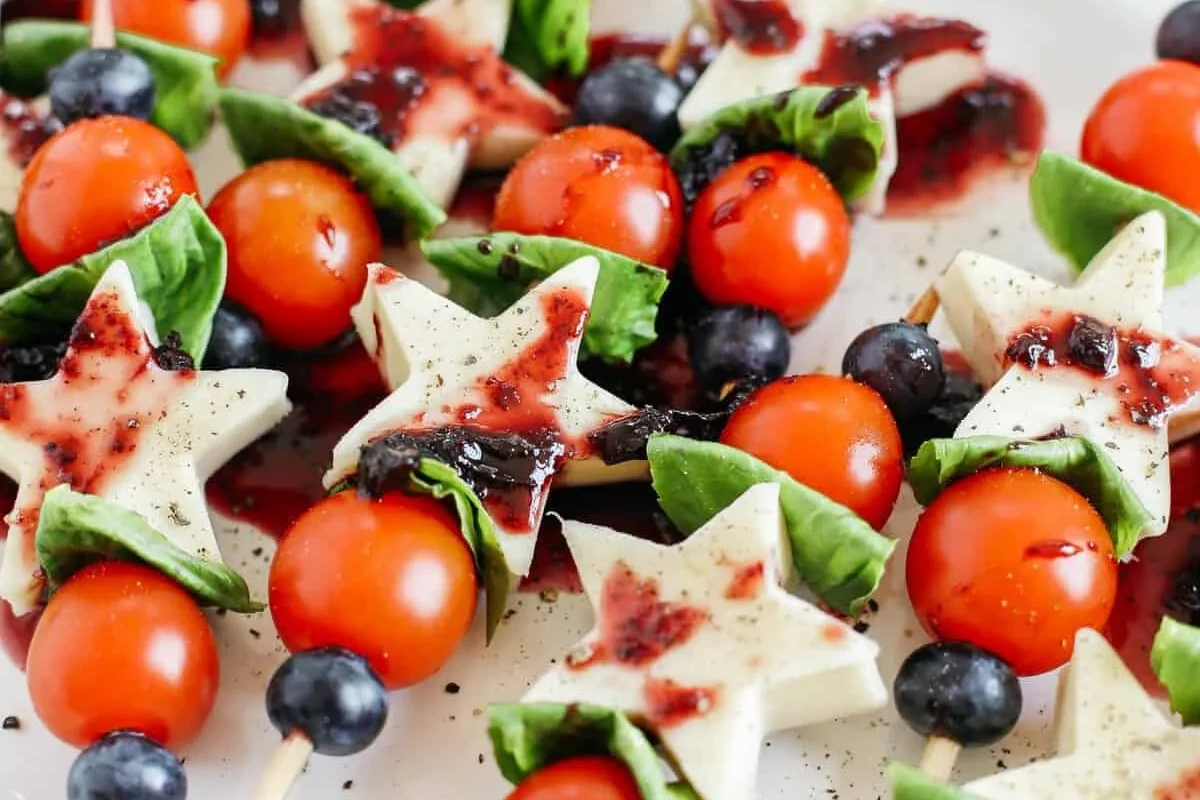
Cold appetizers work well when you need advance prep and minimal last-minute cooking. Think ceviche cups, chilled salsa, fruit-and-cheese skewers, or bean dip served with thick tortilla chips.
Grilled appetizers are ideal when the grill is already hot for the main meal. Chicken skewers, shrimp skewers, grilled corn cups, and charred peppers add smoke and color while keeping the menu cohesive.
Fried snacks bring the party feel many people expect on the holiday. Empanada-style turnovers, plantain chips, fritters, and croquettes are popular because they are easy to portion and serve warm.
Dip-based platters are the most flexible for mixed crowds. They let you offer one or two crowd-pleasers alongside vegetables, crackers, chips, and bread, which is helpful when guests have different diets or appetites.
Which types travel well, hold texture, and stay appealing on a buffet
Travel-friendly appetizers are usually sturdy, not fragile. Foods with firm shells, thick dips, or dry surfaces tend to survive a car ride and a buffet table better than delicate pastries or watery salads.
Texture matters as much as flavor. Crisp foods should stay crisp, cold foods should stay cold, and saucy foods should be packed separately until serving time. A simple rule: if it will sit out, choose something that still looks good after 30 to 60 minutes, not just when it first comes out of the kitchen.
When to choose lighter bites versus richer party foods
Lighter bites make sense when the menu already includes grilled meats, rice dishes, or heavy sides. In that case, bright seafood, fresh salsa, or vegetable-forward snacks help keep the meal from feeling too dense.
Richer foods are better when the appetizer table is the main attraction. Cheese-filled pastries, fried snacks, and creamy dips can be satisfying, but they work best in smaller portions and with a few fresh items nearby for contrast.
Key Ingredients to Build Fourth of July Appetizers That Feel Festive and Practical
Core ingredients: tortillas, plantains, masa, seafood, chicken, cheese, beans, herbs, and citrus
These ingredients are useful because they are versatile, budget-friendly in many kitchens, and easy to adapt to different formats. Tortillas can become mini tostadas, roll-ups, chips, and pinwheels. Plantains can be fried, baked, or turned into chips. Masa can support tamales, corn cakes, or stuffed hand pies.
Seafood brings a classic summer feel, especially for chilled or citrus-based appetizers. Chicken and beans are dependable for larger groups because they stretch well and pair with many seasonings. Cheese adds richness, while herbs and citrus keep the overall menu from feeling too heavy.
When you build a holiday snack table, think in layers: one crisp item, one fresh item, one savory dip, and one grilled or fried bite. That balance makes the spread feel intentional without requiring a long ingredient list.
Seasoning choices: Belizean spices, hot sauces, garlic, onion, and smoky notes
Belizean-style seasoning often leans on garlic, onion, black pepper, chile heat, and smoky or earthy spice blends. You do not need every seasoning in one recipe; one strong seasoning profile is usually enough if it is supported by acid and salt.
Hot sauce is especially useful because it can be served on the side, which helps guests control the heat level. Smoked paprika, char from the grill, and roasted peppers can also give appetizers a holiday-friendly depth without making them too spicy.
Color, texture, and presentation ingredients for a red-white-blue holiday spread
For a patriotic table, use ingredients that naturally add color rather than forcing the theme. Tomatoes, red peppers, white cheese, jicama, onions, blueberries, strawberries, herbs, and pale dips can create a festive look without food dye.
Texture matters just as much as color. Mix creamy with crisp, juicy with crunchy, and warm with cool so the table looks abundant and feels varied. That approach also helps guests find something they like even if they are picky eaters.
How to Choose the Right Appetizers for Your Guest List, Budget, and Cooking Setup
Decision criteria: prep time, cost per serving, dietary needs, and equipment available
Start by deciding how much time you actually have. If you are working around a full holiday schedule, choose appetizers that can be made ahead and finished quickly rather than recipes that need constant attention.
Budget matters too, especially for a large crowd. Beans, tortillas, plantains, and seasonal vegetables usually stretch farther than seafood or specialty cheeses. For larger events, our catering appetizers guide can help you think through quantities and menu balance without overcomplicating the plan.
Dietary needs should be considered early, not as an afterthought. A menu with at least one vegetarian option, one gluten-free option, and one dairy-light option is easier to serve and usually more welcoming.
Best options for small kitchens, grill setups, and make-ahead party plans
Small kitchens benefit from recipes that use one bowl, one pan, or a sheet tray. Dips, pinwheels, skewers, and chilled cups are especially practical when oven space is limited.
Grill setups are ideal for foods that can be cooked in batches. Skewers, corn, peppers, and citrus-marinated proteins all work well because they can be cooked while other dishes are being assembled indoors.
Make-ahead plans are best when the final step is simple. Assemble components the day before, then finish with fresh herbs, garnishes, or a quick reheat before guests arrive.
When to prioritize simple recipes over more elaborate snack boards
Choose simple recipes when the event already has a main meal, multiple side dishes, or a lot of guests. A few well-seasoned appetizers often feel better than a complicated board that takes too long to arrange and is hard to refill.
More elaborate snack boards work best when the appetizer table is the centerpiece. Even then, it is smart to build around a few reliable items instead of trying to include too many specialty components.
- Pick 3 to 5 appetizer types that balance hot, cold, crisp, and creamy textures
- Check whether you have enough refrigerator, grill, and serving space
- Plan for dietary needs and label common allergens clearly
Cooking Techniques That Make Appetizers Better in Real Kitchens
Baking, frying, grilling, assembling, and chilling: when each method works best
Baking is usually the easiest path when you want less mess and more consistency. It works well for stuffed pastries, cheesy bites, and crisp tortilla-based snacks.
Frying is best when texture is the point. Fried plantains, fritters, and croquettes taste most satisfying when they are served soon after cooking, so they are better for smaller groups or tightly timed service.
Grilling adds flavor fast and helps keep the menu seasonal. It is especially useful for seafood and chicken, but it also works for vegetables and bread that need a little char.
Assembling and chilling are the most practical methods for cold appetizers. They save time on the day of the event and let flavors blend before serving.
How to keep crispy foods crisp and cold foods fresh
Crispy foods lose quality when they sit in steam or get covered too early. To help them stay crisp, cool them on a rack, keep them uncovered until serving, and separate them from moist toppings until the last minute.
Cold foods should be kept cold from the start. Use shallow containers, chilled platters, and ice packs where appropriate. If you need more food-safety detail for chilled serving, follow official guidance from the USDA or your local health authority rather than relying on guesswork.
For mixed appetizer platters, keep sauces, garnishes, and crunchy toppings in separate bowls until guests are ready to eat. That one habit improves both texture and food safety.
Batch cooking and timing strategies for serving everything at once
Batch cooking works best when you group recipes by method. Cook the baked items first, then the grilled items, then the fried items last so the final tray looks fresh.
Timing is easier when you build a simple service plan. Set out cold items first, keep hot items covered loosely, and refill the buffet in smaller batches instead of putting everything out at once.
Common Mistakes to Avoid When Making Fourth of July Appetizers
Overcrowding trays, underseasoning, soggy textures, and uneven cooking
Overcrowding is a common reason appetizers look messy or cook unevenly. Give each item enough space so heat can circulate and garnishes do not get crushed.
Underseasoning is another problem, especially with mild ingredients like tortillas, beans, or plantains. These foods usually need enough salt, acid, and spice to stand out on a crowded holiday table.
Soggy textures happen when wet ingredients touch crisp ones too early. Keep moisture-prone toppings separate and avoid stacking hot food before it cools.
Using ingredients that spoil quickly in outdoor heat
Some ingredients are simply less forgiving in summer weather. Dairy-heavy dips, seafood, cut fruit, and mayonnaise-based salads need careful chilling and should not sit out for long.
For seafood, dairy dips, meats, and any dish with fresh mayonnaise or sour cream, follow safe time-and-temperature guidance from USDA or FDA resources. When in doubt, chill it or discard it.
Overcomplicating the menu and losing the make-ahead advantage
A long menu can create more stress than celebration. If every appetizer has a different sauce, cooking method, and garnish, you may lose the very advantage that makes appetizers useful in the first place.
It is usually better to make a few strong dishes and repeat ingredients smartly. For example, one herb mix, one citrus dressing, and one hot sauce can support several different snacks.
Food Safety, Storage, and Reheating for Summer Party Appetizers
Safe handling for seafood, dairy dips, meats, and fresh salsas
Food safety should guide the menu as much as flavor. Seafood, dairy, and meat dishes need proper refrigeration, clean utensils, and separate handling to prevent cross-contamination.
Fresh salsas and cut produce can also spoil faster than many people expect in warm weather. Keep them cold until serving and avoid letting serving spoons sit in the sun.
Discard any appetizer that smells off, has been left in unsafe conditions too long, or shows visible spoilage. When serving outdoors, use insulated coolers, ice, and clean utensils to reduce risk.
How long appetizers can sit out and when to chill or discard leftovers
The exact safe time depends on the food, the temperature, and local guidance, so do not rely on a one-size-fits-all rule for every dish. In general, highly perishable foods should be returned to cold storage promptly, especially during hot weather.
Leftovers should be chilled quickly in shallow containers so they cool evenly. If a dish has been sitting outside and you are unsure how long it has been warm, it is safer to discard it than to guess.
Storage containers, refrigeration tips, and reheating methods for best texture
Use shallow, airtight containers for leftovers so they chill faster and stay organized. Keep sauces separate from crisp components whenever possible.
Reheat fried or baked appetizers in an oven or air fryer when appropriate so they regain some texture. Microwaving is faster, but it often softens crisp foods. Always follow the manufacturer’s instructions for any packaged item you are reheating.
Value, Substitutions, and Final Recommendation for a BelizeanRecipe Fourth of July Menu
Budget-friendly swaps and ingredient substitutions for local availability
If an ingredient is hard to find, swap in something similar in texture and function. Tortillas can stand in for specialty wrappers, beans can replace more expensive fillings, and seasonal vegetables can replace out-of-season produce.
Plantains may be used fresh, ripe, or green depending on the texture you want. Seafood can be replaced with chicken or beans for a lower-cost option, and herbs can be adjusted based on what is fresh in your area.
Best when you want lower cost, better control over seasoning, and flexible make-ahead prep. The main limitation is that you need a little more kitchen time.
Best for busy hosts who want to save time without serving a fully prepackaged spread. The limitation is that flavor and freshness depend on the brand and storage conditions.
What offers the best value: homemade bites, store-bought shortcuts, or a mix of both
Homemade appetizers usually offer the best flavor control and the most flexibility for Belizean-style seasoning. Store-bought items can still be useful when you need volume, speed, or backup options for a larger crowd.
The best value for most hosts is a mix: make one or two signature Belizean-inspired appetizers at home, then fill the rest of the table with simple store-bought chips, dips, fruit, or crackers. That approach keeps the menu personal without making the day feel like a full catering job.
Final recommendation: the most reliable appetizer style for a festive, low-stress 2026 celebration
For a low-stress 2026 holiday menu, the most reliable choice is a small spread of make-ahead, handheld appetizers with one grilled item, one cold item, and one crisp snack. That combination gives you flavor, variety, and easier food safety than a table full of delicate dishes.
If you want the easiest path, build around sturdy Belizean-inspired foods such as plantain bites, bean-based dips, grilled skewers, and citrusy seafood or chicken options. Keep the menu simple, label allergens, and use official storage guidance so the celebration stays fun from the first guest to the last.
Common Questions
It should be easy to grab, simple to serve, and able to hold up in warm weather. Foods that can be made ahead are usually the most practical.
Yes. Citrus, spice, grilled foods, plantains, beans, and seafood all fit the season and add variety.
Dips with sturdy chips, skewers, and baked bites are usually the easiest to scale. They also travel and serve well.
Keep cold foods chilled and hot foods hot, and do not leave perishables out too long. Use insulated containers, ice, and small serving batches.
Not necessarily. A mix of homemade dishes and store-bought shortcuts is often the best balance of time and value.
Frequently Asked Questions
Handheld, make-ahead foods usually work best, especially grilled skewers, dips with sturdy chips, plantain bites, and chilled snacks kept cold until serving. Choose items that hold texture and do not depend on delicate garnishes.
Belizean flavors fit naturally because they use citrus, spice, corn, seafood, beans, herbs, and grilled foods that feel fresh in summer. These ingredients make the table festive without requiring complicated recipes.
Tortillas, beans, plantains, seasonal vegetables, and chicken are usually easier to stretch for a crowd than specialty seafood or cheeses. They also adapt well to dips, chips, skewers, and small bites.
Cool them on racks, keep moisture-heavy toppings separate, and add sauces or garnishes right before serving. Avoid stacking hot food too early because trapped steam softens the crust.
It depends on the food, the temperature, and local food-safety guidance, so perishable items should be kept cold or hot as appropriate and returned to storage promptly. If you are unsure how long something has been warm, it is safer to discard it.
Seafood, dairy, nuts, gluten, and shellfish are common allergen and spoilage concerns, so label dishes clearly and prevent cross-contamination with separate utensils. Follow USDA, FDA, or local health guidance for safe handling and storage.