Shredded Chicken in Oven

Roast your chicken at 375°F until it reaches an internal temperature of 165°F for the most succulent results. Always allow the meat to rest for 10 minutes before shredding to lock in all the natural juices.
Shredded chicken is the ultimate kitchen chameleon, providing a versatile base for everything from quick weeknight tacos to hearty soups. While many cooks reach for a slow cooker, the oven offers a superior method for achieving deep, concentrated flavor and a tender, succulent texture that holds up perfectly in any recipe.
- Temperature Control: Always use a thermometer to ensure the chicken reaches exactly 165°F.
- Resting Time: Let the chicken rest for 10 minutes to ensure the juices redistribute.
- Moisture Retention: Adding a splash of broth to the pan prevents the meat from drying out.
- Versatility: Shredded chicken is the perfect base for tacos, salads, and soups.
The Ultimate Guide to Perfect Shredded Chicken in the Oven: The Luis Method
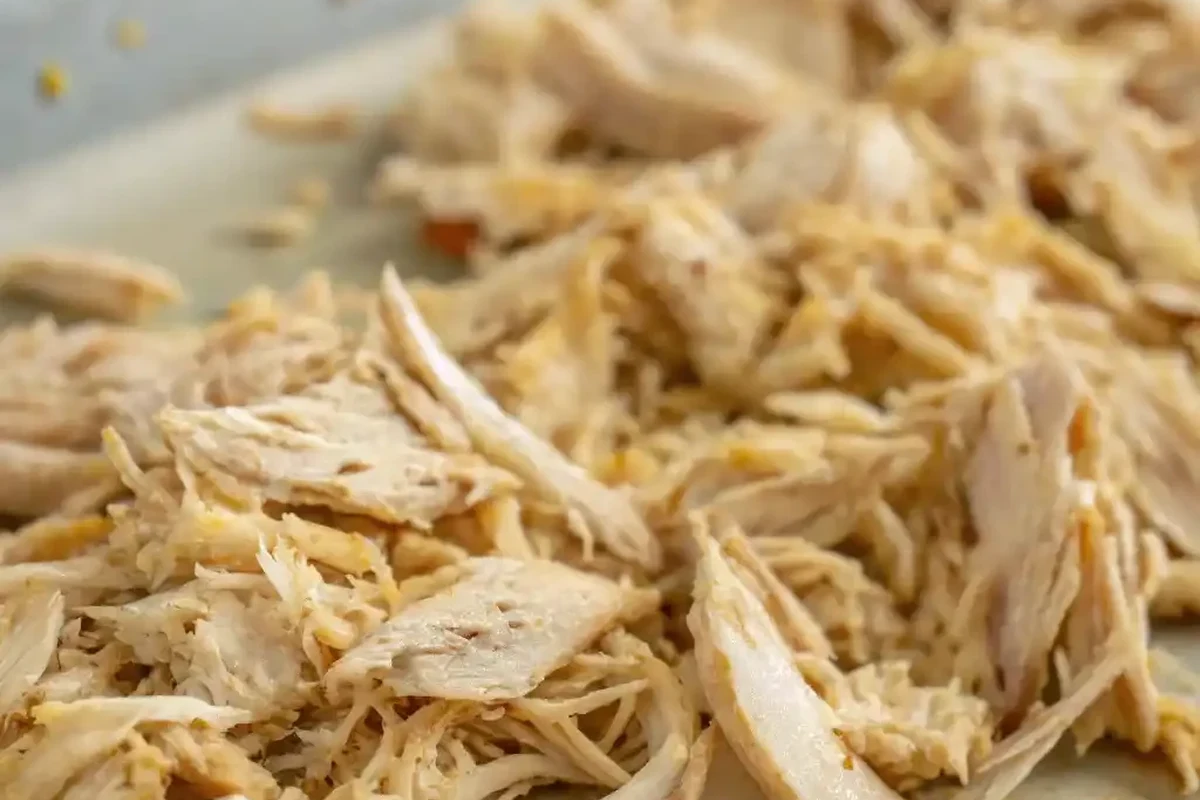
In 2026, home cooks are increasingly looking for ways to streamline meal prep without sacrificing quality. The “Luis Method” for oven-baked shredded chicken focuses on controlled heat and moisture retention. By roasting the chicken in a shallow bath of aromatics and liquid, you create a self-basting environment that results in meat so tender it practically falls apart when touched by a fork.
What Makes Oven-Baked Shredded Chicken a Kitchen Staple?
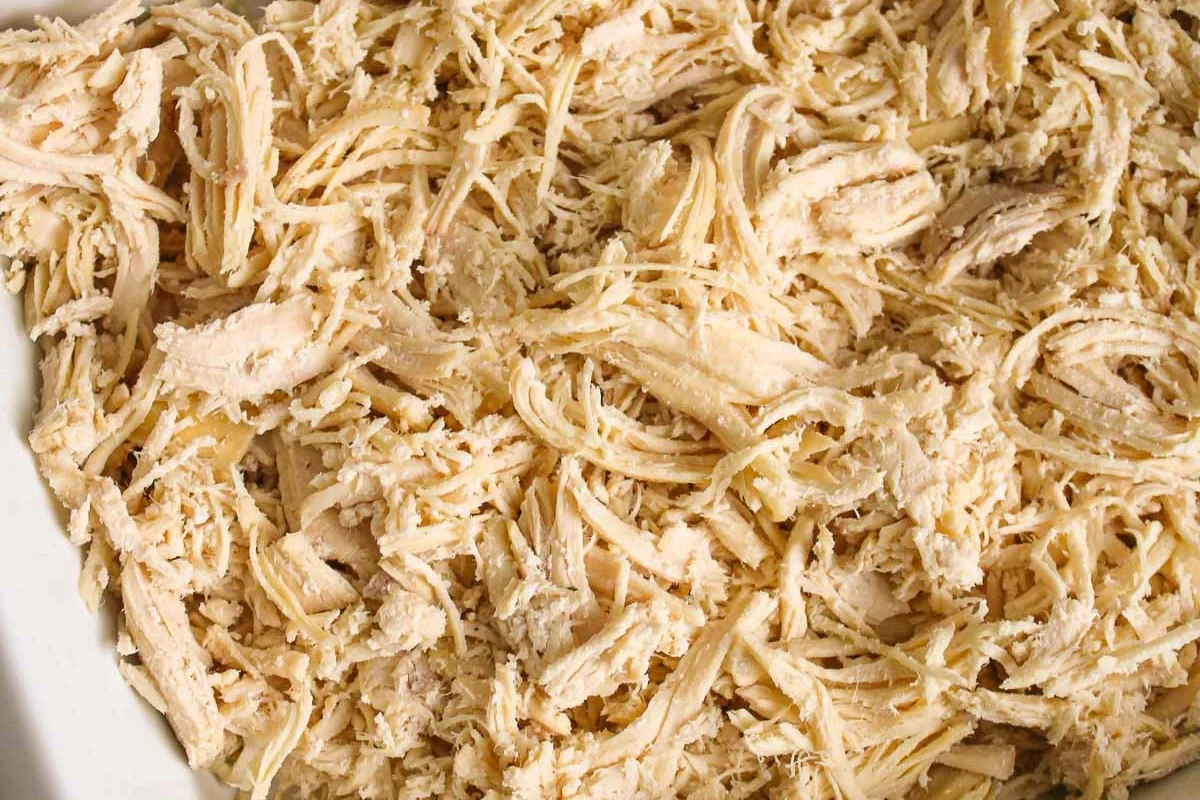
Whether you are preparing a batch for Belizean chicken tacos or saving time for a busy week, oven roasting is a reliable technique. Unlike boiling, which can leach flavor into the water, roasting keeps the juices locked inside the muscle fibers.
Why Your Oven Beats the Stovetop for Texture and Flavor
The oven provides consistent, ambient heat that surrounds the chicken from all sides. This gentle, uniform cooking prevents the “bouncing” or toughening often associated with boiling liquids on a stovetop. Furthermore, the Maillard reaction—the browning of the meat—occurs more effectively in an oven, adding a layer of savory depth that translates beautifully once the chicken is shredded.
Who This Cooking Method Is Best For
This method is ideal for meal preppers who want a hands-off approach. Once the chicken is seasoned and placed in your oven, you are free to attend to other tasks until the timer sounds. It is also perfect for those who dislike the texture of boiled chicken, as roasting produces a much meatier, more satisfying mouthfeel.
Essential Ingredients for Succulent Oven-Baked Chicken
Quality ingredients are the foundation of any great meal. Keep your pantry stocked with basic aromatics like garlic, onions, and your favorite dried herbs to ensure you are always ready to roast.
Selecting the Right Cuts: Breast vs. Thigh
| Cut | Texture | Best For |
|---|---|---|
| Chicken Breast | Lean, light, shreds easily | Salads, wraps, light soups |
| Chicken Thighs | Juicy, rich flavor | Tacos, enchiladas, hearty stews |
Flavor Profiles: Seasoning for Versatility
For a neutral base that works in any dish, stick to salt, pepper, garlic powder, and a touch of olive oil. If you are leaning toward specific cuisines, such as a Belizean curry chicken profile, incorporate warm spices like turmeric, cumin, and coriander before placing the chicken in the oven.
Add a half-cup of chicken broth or white wine to the bottom of your roasting pan. This creates a steam-rich environment that prevents the chicken from drying out during the roasting process.
Step-by-Step Cooking Technique: The Luis Oven-Roast Method
Pat the chicken dry and coat lightly with oil and your chosen dry rub. Let it sit at room temperature for 15 minutes.
Place chicken in a shallow baking dish. Add aromatics like sliced onions or smashed garlic cloves around the meat.
Bake at 375°F (190°C) until the internal temperature reaches a safe 165°F (74°C).
Allow the chicken to rest for 10 minutes before shredding with two forks or a hand mixer on low speed.
Optimal Oven Temperatures and Timing for Maximum Moisture
A temperature of 375°F is the “sweet spot” for roasting. Higher temperatures can cause the exterior to dry out before the center is cooked, while lower temperatures may take too long, potentially leading to a mealy texture.
The Secret to Effortless Shredding: Tools and Temperature Cues
Shredding is easiest when the meat is still warm but not piping hot. Using a stand mixer with the paddle attachment is a common time-saving trick for large batches, but two forks remain the standard for precise control.
Common Mistakes That Lead to Dry, Stringy Chicken
The most common error is cooking the chicken well past the safe internal temperature. Chicken continues to cook after you remove it from the oven, so pulling it out exactly at 165°F is crucial.
The Overcooking Trap: How to Maintain Internal Moisture
Avoid “set it and forget it” without a thermometer. Using an instant-read meat thermometer is the only way to ensure perfect results every time. If you do not have one, you are essentially cooking by guesswork.
Understanding Carry-over Cooking and Resting Periods
Resting is non-negotiable. During the rest period, the juices redistribute throughout the fibers of the meat. If you shred immediately, those juices will escape, leaving you with dry shreds.
Always verify the internal temperature of the thickest part of the chicken using a food-safe thermometer. Never rely on appearance or cooking time alone.
Food Safety: Handling and Doneness Standards
Raw chicken must be handled with care to prevent the spread of bacteria. Always wash hands, surfaces, and utensils thoroughly after they have come into contact with raw meat.
Safe Internal Temperatures and Verification Techniques
According to the USDA, poultry must reach an internal temperature of 165°F (74°C) to be considered safe for consumption. Insert your thermometer into the thickest part of the breast or thigh, ensuring it does not touch the bone.
Storage, Reheating, and Shelf Life
Proper storage ensures your meal prep stays fresh throughout the week. Once shredded, let the chicken cool slightly before placing it in airtight containers.
Best Practices for Refrigeration and Airtight Preservation
Shredded chicken can be stored in the refrigerator for 3 to 4 days. Ensure the container is sealed tightly to prevent the meat from absorbing other refrigerator odors.
How to Reheat Without Sacrificing Texture
To reheat without drying, add a splash of water or broth to the container. Warm it gently on the stovetop or in the microwave, stirring occasionally to distribute the heat evenly.
Freezing Shredded Chicken for Future Meals
If you have extra, freeze it in freezer-safe bags. Press as much air out as possible before sealing. Frozen, properly stored chicken is generally best within 3 months for peak quality.
Substitutions and Customization Guide
This recipe is highly adaptable. If you are following a specific diet, consider using avocado oil instead of vegetable oil, or swap standard salt for a low-sodium seasoning blend.
- Use the rendered juices from the pan to moisten the shredded meat.
- Add fresh lime juice or cilantro after shredding for a bright, fresh finish.
- Mix in a little salsa or barbecue sauce to instantly create a ready-to-eat meal component.
Final Verdict: Elevating Your Weekly Meal Prep
Mastering oven-roasted shredded chicken transforms how you view weeknight cooking. By focusing on temperature control, proper resting, and simple seasoning, you gain a versatile protein that makes everything from soups to salads easier to assemble. It is a foundational skill that pays dividends in both time and flavor, making it a permanent fixture in the modern kitchen.
Common Questions
Roasting at 375°F (190°C) is ideal for achieving a tender, juicy texture without drying out the meat.
Timing varies by the size and thickness of the cuts, but usually takes 25 to 40 minutes; always rely on an internal temperature of 165°F.
Yes, a hand mixer on its lowest speed is a very efficient way to shred warm chicken in a large bowl.
While not strictly necessary, a 30-minute brine in salt water can help improve the moisture levels of lean chicken breasts.
Yes, store cooled leftovers in an airtight container in the refrigerator for up to 4 days.
Frequently Asked Questions
It is safer to thaw the chicken completely in the refrigerator before roasting. Cooking from frozen can result in uneven temperatures and potentially unsafe food handling.
This usually happens due to overcooking or skipping the resting period. Always use a thermometer to pull the chicken at 165°F and let it rest for 10 minutes.
For small batches, two forks work perfectly. For larger amounts, a stand mixer fitted with the paddle attachment on low speed creates perfectly shredded meat in seconds.
Stored in an airtight container, your cooked, shredded chicken will remain safe and flavorful in the refrigerator for 3 to 4 days.
Covering the dish with foil can help trap moisture, especially if you are using lean breasts. Uncovered roasting is better if you prefer slightly more browning on the edges.
Absolutely. Adding onions, carrots, or celery to the pan adds flavor to the chicken and creates a delicious base for the juices.