Recipe Piccata Sauce

Piccata sauce is a refined emulsion of white wine, lemon juice, capers, and cold butter that provides a bright, savory finish to seared proteins. By whisking cold butter into the pan off the heat, you achieve a silky, restaurant-quality consistency.
A classic piccata sauce is the ultimate bridge between simple home cooking and restaurant-quality flair. By mastering a few key techniques, you can transform basic protein into a bright, buttery, and deeply savory dish that defines the Italian-American culinary tradition.
- Emulsion Technique: Always whisk cold butter into the sauce off the heat to prevent it from.
- Ingredient Quality: Use fresh lemon juice and dry white wine for the cleanest, most balanced flavor.
- Caper Prep: Rinse your capers thoroughly to remove excess brine and control the saltiness of the.
- Temperature Control: Keep heat low when finishing to ensure the butter emulsifies rather than melting into.
What is Piccata Sauce? The Essential Guide to Zesty Italian-American Flavor
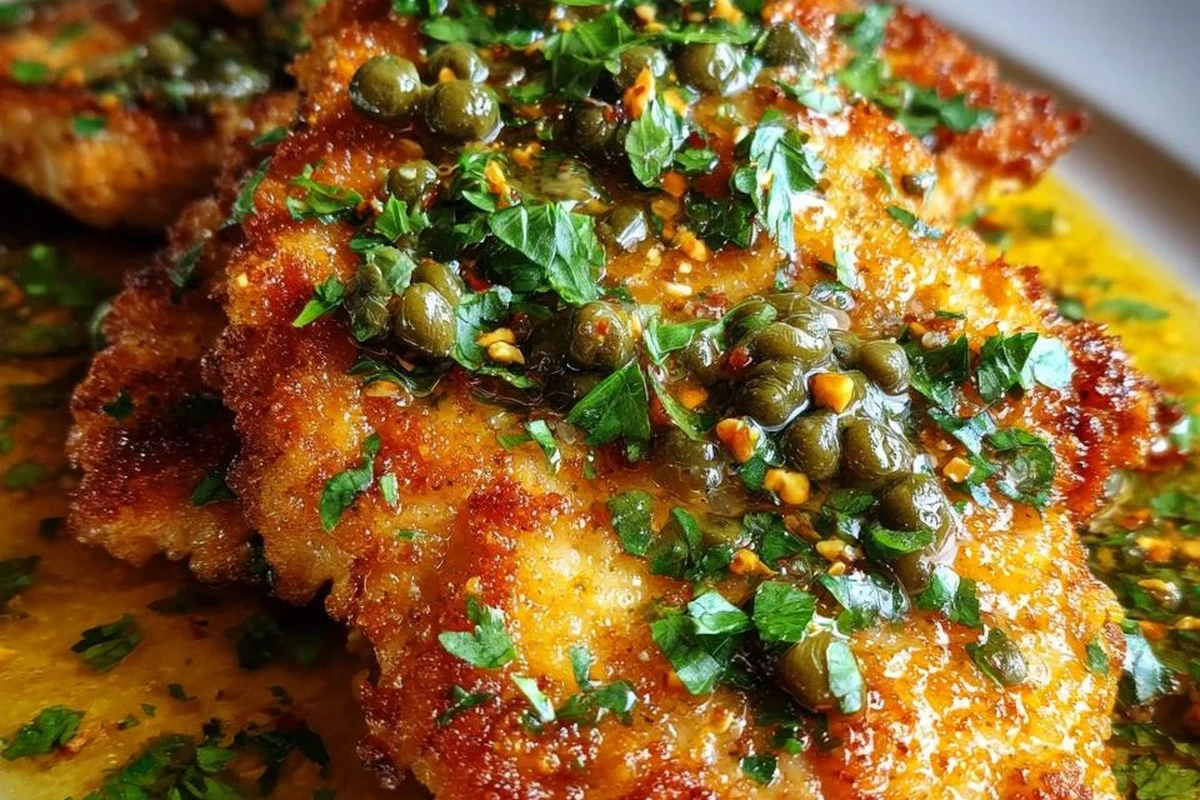
At its heart, piccata sauce is an emulsion—a delicate balance of fat, acid, and salt that clings perfectly to pan-seared meats. While often associated with thin slices of chicken, the sauce itself is a versatile masterpiece of efficiency. It relies on the pan drippings left behind from searing, which are deglazed with white wine and finished with lemon juice, capers, and cold butter.
The Profile of a Perfect Piccata: Balancing Brine and Butter
The magic of a great piccata sauce lies in the contrast. The acidity of the lemon cuts through the richness of the butter, while the capers provide a salty, floral pop that keeps the palate engaged. In 2026, home cooks are increasingly looking for ways to elevate simple dinners, and this sauce provides that “wow” factor without requiring hours of simmering. It is neither too thin nor too heavy; it should coat the back of a spoon with a glossy, light sheen.
To keep the sauce bright and fresh, always add your lemon juice at the very end of the cooking process. Boiling lemon juice for too long can turn the flavor bitter and metallic.
Core Ingredients: Building the Foundation of Your Piccata Sauce
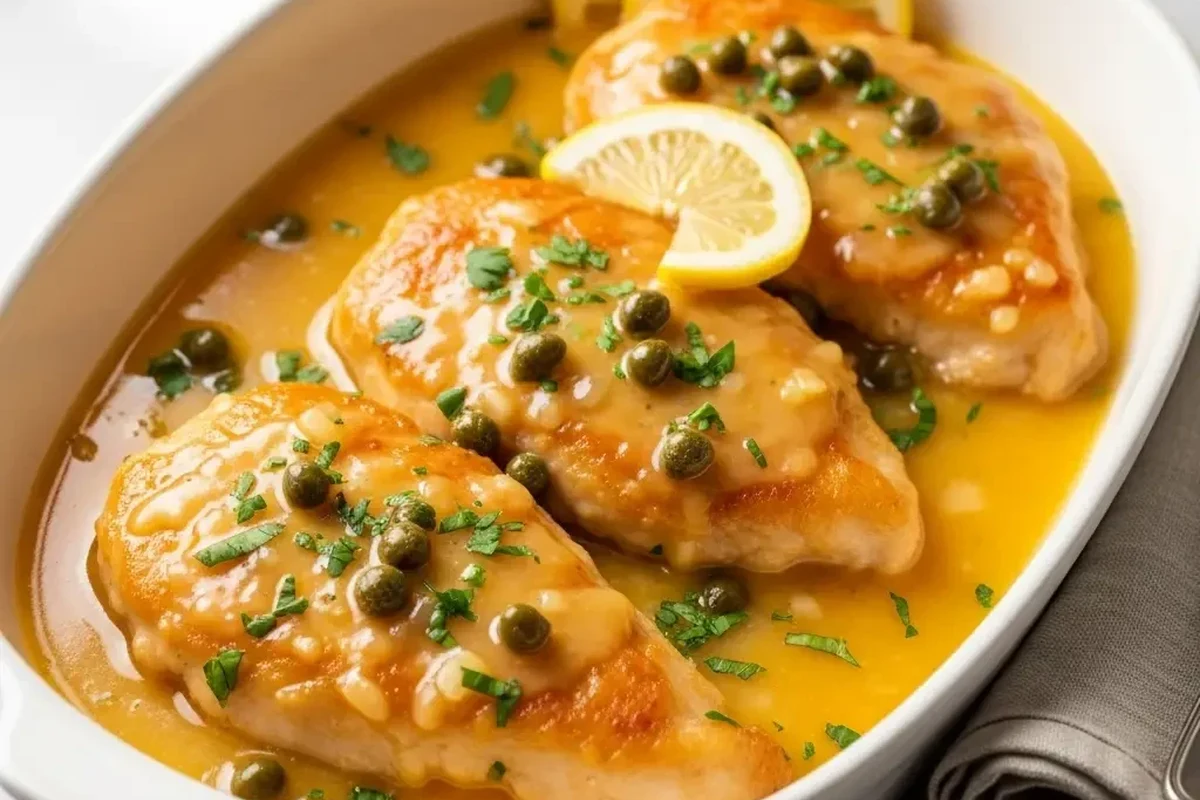
Because the ingredient list is short, the quality of each component is magnified. You aren’t just combining items; you are building a structure of flavor.
Selecting the Right Capers: Non-Pareil vs. Capote
Capers are the savory anchor of this dish. You will typically find two sizes: non-pareil (the tiny ones) and capote (the larger, more mature buds). For a piccata sauce, the smaller non-pareil variety is generally preferred because they distribute more evenly throughout the sauce and offer a more delicate texture. Always rinse your capers before using them to remove excess brine, which can otherwise make the sauce overly salty.
The Role of Acid: Choosing Between Fresh Lemon and High-Quality Citrus
There is no substitute for fresh lemon juice. Bottled juices often contain preservatives that alter the clean, sharp profile required for a balanced piccata. While you might consider variations like lime or Meyer lemon, the standard for this recipe is the bright, punchy acidity of a classic Eureka lemon.
Why Quality Butter and Dry White Wine Make the Difference
The wine serves as the deglazing agent. Choose a dry white wine—like a Pinot Grigio or Sauvignon Blanc—that you would actually enjoy drinking. If the wine is too sweet, the sauce will lose its sophisticated edge. As for the butter, use high-quality, unsalted, cold butter. Since you will be emulsifying it into the sauce at the end, the temperature of the butter is critical for achieving that velvety consistency.
Step-by-Step: How to Master the Piccata Sauce Technique
The technique is where most home cooks find the biggest improvement in their results. It is less about following a rigid timeline and more about observing the physical changes in the pan.
The Emulsion Process: Achieving a Silky, Restaurant-Quality Texture
The secret to a “restaurant-quality” sauce is the final mounting of butter, known as monter au beurre. Remove your pan from the heat once the wine has reduced. Add cold, cubed butter one piece at a time, whisking constantly. The cold temperature of the butter prevents it from melting too quickly, allowing it to emulsify into the wine-lemon base rather than separating into a pool of oil.
Managing Heat: Preventing Your Sauce from Breaking
Heat is the enemy of a stable emulsion. If your pan is too hot when you add the butter, the fat will break and separate from the liquid. Always pull the pan off the burner or lower the heat to its absolute minimum before introducing the butter. If you notice the sauce starting to look oily, remove it from the heat immediately and whisk in a tiny splash of cold water or additional stock to bring it back together.
The BelizeanRecipe Approach: Adapting Piccata for Modern Kitchens
While traditional recipes are excellent, modern kitchens often require versatility. You might find that pairing this sauce with a zucchini-based dish or even light seafood provides a refreshing change. Just as we enjoy experimenting with a bold Belizean pepper sauce to add heat to our meals, a piccata sauce offers a clean, bright counterpoint to heavier, spice-forward dishes.
Recommended Equipment for Consistent Results
A stainless steel or enameled cast-iron skillet is ideal for this sauce. These materials allow for excellent heat retention and make it easy to see the color of the fond as it develops. Avoid non-stick pans if you want to maximize the development of the flavorful brown bits that form the base of your deglaze.
Substitutions and Dietary Adaptations
If you prefer an alcohol-free version, you can substitute the white wine with a high-quality chicken or vegetable stock mixed with a teaspoon of white wine vinegar. While the depth of flavor will be different, it will still provide the necessary acidity to balance the butter. For dairy-free needs, a high-quality vegan butter substitute can work, though keep an eye on the salt content, as many vegan alternatives are saltier than traditional dairy butter.
Troubleshooting Common Piccata Pitfalls
If your sauce breaks, don’t panic. Simply move the pan off the heat, add a tablespoon of heavy cream or a splash of room-temperature stock, and whisk vigorously. This often re-stabilizes the emulsion. If the sauce is too salty, adding a tiny bit more stock or a squeeze of fresh lemon juice can help mask the intensity.
Ensure your chicken reaches an internal temperature of 165°F (74°C) before adding the sauce. Always store any leftover sauce in an airtight container in the refrigerator and consume within 2–3 days.
Safe Handling and Storage Guidelines
Piccata sauce is best enjoyed immediately. However, if you have leftovers, store them in the refrigerator. When reheating, do so gently over low heat. If the sauce separates upon reheating, follow the same troubleshooting steps for a broken sauce: add a splash of liquid and whisk constantly to bring the emulsion back together.
The Value of Homemade Piccata Sauce: Final Culinary Recommendation
Mastering a recipe piccata sauce is a hallmark of a confident home cook. It is an exercise in technique over complexity—a way to turn simple pantry staples into an elegant meal. By focusing on the quality of your butter and the precision of your emulsion, you can achieve professional results in your own kitchen. Whether you are serving it over chicken or exploring new pairings, the bright, zesty profile of this classic sauce remains a timeless addition to your repertoire.
Common Questions
The secret is whisking cold, cubed butter into the reduced wine and lemon mixture off the heat to create a stable, velvety emulsion.
While you can, lemon provides the traditional, sharp acidity that defines a classic piccata profile.
You can balance the saltiness by adding a splash of unsalted stock or a bit more fresh lemon juice.
It is better to use stainless steel or cast iron to develop the flavorful browned bits (fond) that give the sauce its depth.
Yes, reheat it gently over low heat, whisking continuously to bring the emulsion back together if it separates.
Frequently Asked Questions
Yes, you can substitute the white wine with a high-quality chicken or vegetable stock mixed with a teaspoon of white wine vinegar to maintain the necessary acidity.
The sauce likely broke because the pan was too hot when you added the butter. Always remove the pan from the heat before whisking in cold butter to ensure a smooth emulsion.
Store leftover sauce in an airtight container in the refrigerator for up to 2–3 days. Reheat gently over low heat, whisking as needed to restore the texture.
Non-pareil (small) capers are best for piccata sauce because they distribute evenly and offer a delicate texture. Remember to rinse them before use.
Unsalted butter is recommended so you can control the final salt level of the sauce, especially since capers and pan drippings already contribute salt.
Use a dry white wine such as Pinot Grigio or Sauvignon Blanc. Avoid sweet wines, as they will disrupt the balance of the sauce.