Pressure Cook Frozen Chicken Breast

Pressure cooking frozen chicken breast is a safe and efficient way to prepare meat without prior thawing. Simply place the frozen pieces in the cooker with at least one cup of liquid and adjust the time to 12–15 minutes.
Yes, you can safely pressure cook frozen chicken breast, making it a reliable method for those nights when you forget to thaw your protein. This technique utilizes high-pressure steam to thaw and cook the chicken simultaneously, saving significant time in a busy 2026 kitchen.
- Convenience: Skip the defrosting time entirely for last-minute meals.
- Safety: Always verify an internal temperature of 165°F (74°C) with a thermometer.
- Technique: Use a trivet to keep the chicken from sitting directly in the liquid.
- Efficiency: Add 50% more cooking time compared to thawed chicken breasts.
Can You Pressure Cook Frozen Chicken Breast? The Quick Answer
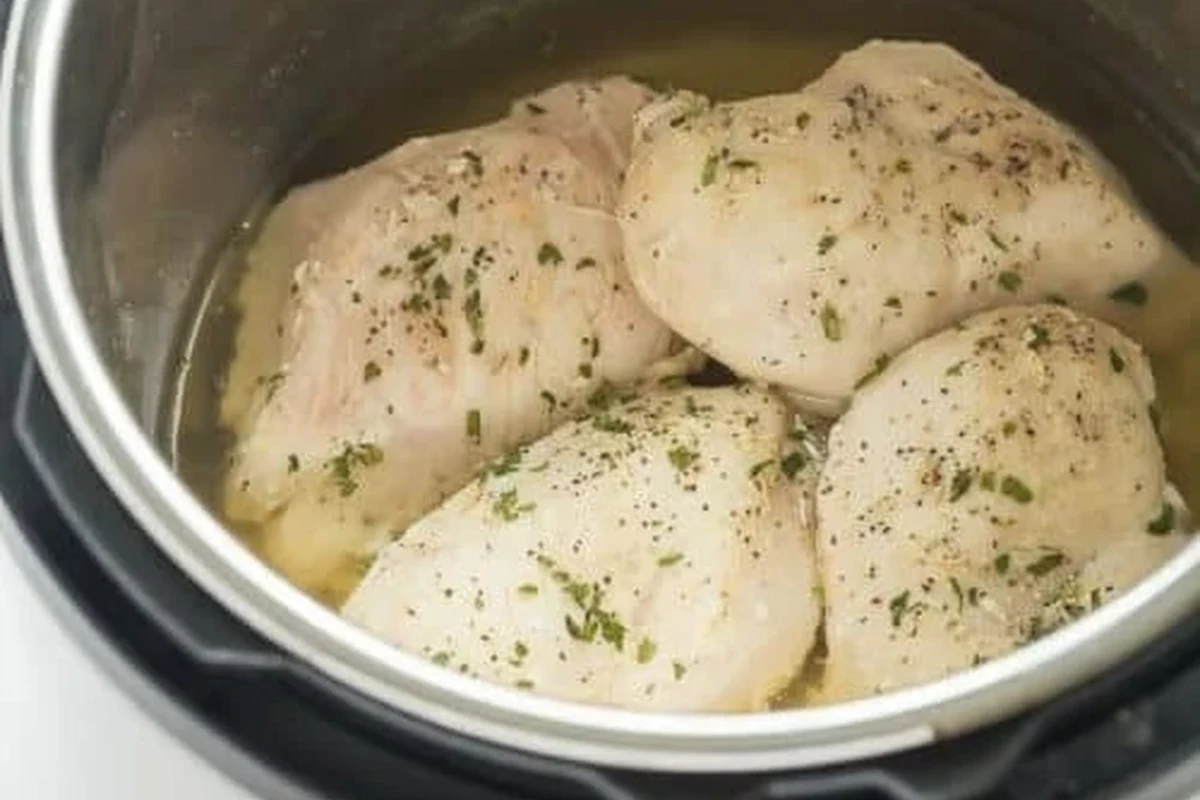
You can absolutely pressure cook frozen chicken breast safely, provided you adjust the cooking time to account for the ice content. It is a highly effective way to prepare base ingredients for shredded chicken recipes or soups without requiring prior thawing.
Why Pressure Cooking Frozen Chicken is a Game-Changer for Busy Kitchens
The Science of Pressure and Thawing
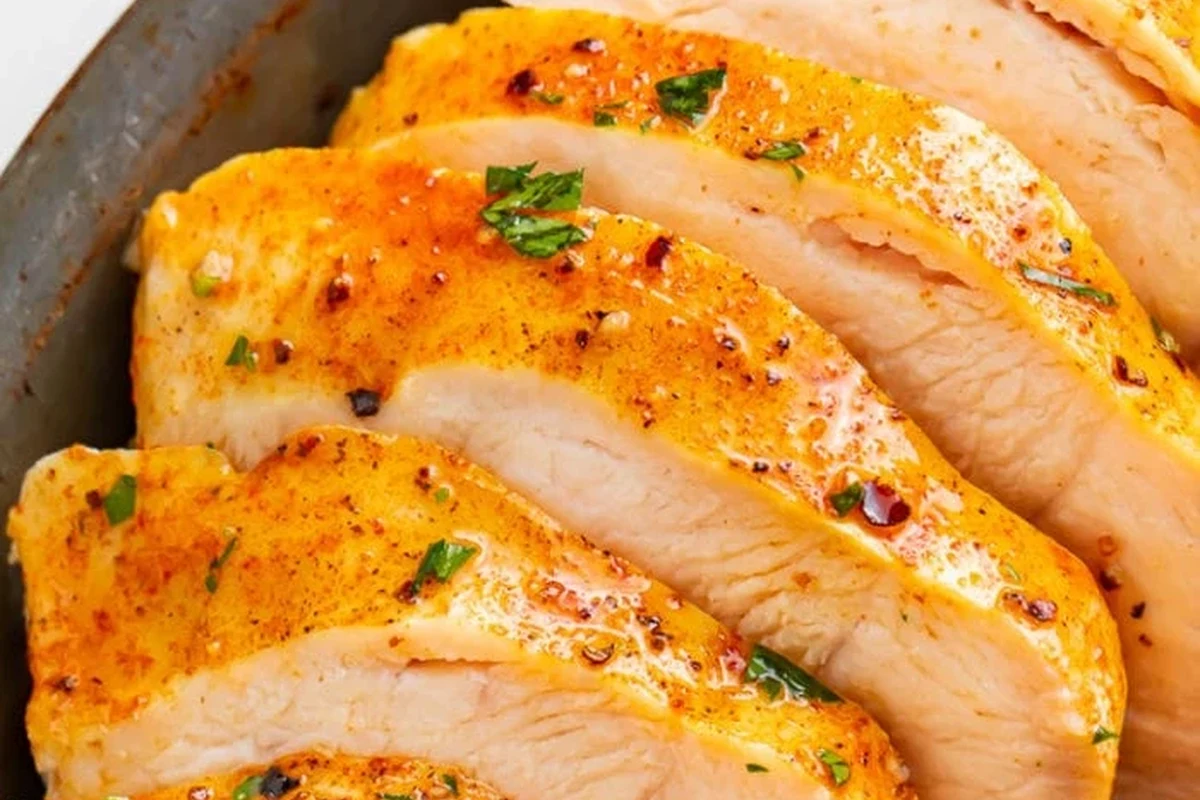
Pressure cooking works by trapping steam, which increases the boiling point of water and creates an environment of intense, consistent heat. When you place a frozen chicken breast into the pot, the device effectively bypasses the traditional, time-consuming thawing phase. The rapid heat transfer penetrates the frozen center of the meat, bringing it to a safe temperature much faster than oven roasting or stove-top poaching.
Time-Saving Benefits for the Modern Home Cook
For those managing a hectic schedule in 2026, the ability to transition from freezer to pot is invaluable. It eliminates the need for microwave defrosting, which often results in uneven texture or partially cooked edges. Whether you are prepping for a Zupas Chicken Noodle Soup recipe or simply need shredded chicken for tacos, this method streamlines your workflow.
Try to freeze your chicken breasts in a flat, single layer rather than a large clump. This allows the pressure cooker to circulate heat more evenly around each piece.
Essential Equipment: Choosing the Right Pressure Cooker
Size and Material Considerations
Most electric pressure cookers have a standard 6-quart capacity, which is ideal for a pound or two of frozen chicken. If you are cooking for a larger family, an 8-quart model provides the necessary headspace to ensure the pressure valve is not obstructed by expanding ingredients or excessive liquid.
Safety Features to Look For
Always ensure your pressure cooker has a functional locking lid mechanism and a clear pressure-release valve. In 2026, most modern multi-cookers come with built-in safety sensors that prevent the unit from pressurizing if the lid is not secured correctly, which is a critical feature for handling frozen proteins safely.
Step-by-Step Guide: How to Pressure Cook Frozen Chicken Breast Perfectly
Preparation: From Freezer to Pot
Remove the chicken from its original packaging, ensuring all plastic or absorbent pads are discarded. Place the frozen breasts on a trivet or steamer basket inside the pot. This prevents the meat from sitting directly in the liquid, which can sometimes lead to uneven cooking or sticking to the bottom of the pot.
The Importance of Liquid Ratios
You must have enough liquid to generate the required steam. For most 6-quart models, one cup of water or chicken stock is the minimum requirement. If you are adding aromatics, ensure they are submerged or placed in a way that doesn’t block the steam vent.
Determining Cooking Times Based on Thickness
Frozen chicken typically requires about 50% more time than thawed chicken. While a thawed breast might take 8–10 minutes, a frozen one usually requires 12–15 minutes at high pressure. Always allow for a 10-minute natural pressure release to keep the meat tender.
Pour at least one cup of cold water or broth into the base of the pressure cooker.
Place the frozen chicken on the trivet, spacing them out so they are not touching.
Lock the lid and set to high pressure for 12–15 minutes depending on thickness.
Flavor Infusion: Ingredients and Seasoning Techniques
Dry Rubs vs. Wet Marinades for Frozen Proteins
Dry rubs are generally more effective for frozen meat because they adhere better to the frost-coated surface than oil-based marinades. If you want to add deep flavor, consider using an aromatic poaching liquid instead, such as onion, garlic, bay leaves, and peppercorns, which will infuse the chicken as it cooks.
The Role of Aromatics and Stock
Using a flavorful stock instead of plain water makes a significant difference. This is a great trick if you are planning to use the chicken for a Belizean Curry Chicken recipe, as the meat will absorb the savory notes of the broth during the high-pressure cycle.
Food Safety and Quality Assurance
The USDA recommends that poultry reaches an internal temperature of 165°F (74°C). Always use a food thermometer to verify doneness, especially when cooking from frozen, as cook times can vary based on the appliance and starting temperature of the meat.
Common Mistakes: Why Chicken Can Become Rubbery
Overcooking is the primary cause of rubbery chicken. Because pressure cooking is so efficient, even a few extra minutes can strip the moisture from the breast. If you find the chicken is tough, reduce the cook time by two minutes for your next batch.
Troubleshooting Common Issues
What to Do If the Chicken is Under-Cooked
If you open the pot and find the center is still pink, simply lock the lid back on and cook for an additional 2–3 minutes at high pressure. The pot will come back up to pressure relatively quickly since the liquid is already hot.
Managing Excessive Liquid and Texture Problems
If the chicken is too moist or the dish has too much liquid, remove the chicken and set the pot to the “Sauté” function to reduce the remaining sauce. This creates a more concentrated flavor profile, which works exceptionally well when preparing ingredients for Belizean Chicken Tacos.
Storage, Reheating, and Meal Prep Efficiency
Once cooked, chicken should be cooled quickly and placed in the refrigerator within two hours. It will typically last 3–4 days in an airtight container. When reheating, add a tablespoon of water or broth to the dish to prevent the meat from drying out further.
Final Verdict: Is Pressure Cooking Frozen Chicken Right for You?
Pressure cooking frozen chicken breast is a highly practical solution for busy cooks who need to get dinner on the table quickly. While it may not provide the same crust as a pan-seared or grilled piece of meat, the convenience and safety of the method make it a staple technique. It is ideal for shredded recipes, soups, and meal-prepped lunches, provided you monitor the internal temperature to ensure safety and avoid the common pitfall of overcooking.
Common Questions
No, you should never wash raw chicken as it increases the risk of spreading bacteria in your kitchen. Simply place it directly into the pot from the package.
Yes, but keep in mind that vegetables often cook faster than chicken. It is best to add them toward the end or use large chunks that can withstand the longer cook time.
A natural release (letting the pressure drop on its own for 10 minutes) is recommended for chicken, as it helps the meat retain more moisture.
It is not recommended, as the breading will become soggy and potentially fall off during the high-pressure steaming process.
Most manufacturers require at least one cup of water or broth to ensure the appliance can build pressure without triggering a burn error.
Frequently Asked Questions
Yes, it is safe to cook frozen chicken in a pressure cooker. The high-pressure environment cooks the meat thoroughly and reaches the required internal temperature quickly.
Frozen chicken breasts typically take 12 to 15 minutes at high pressure, depending on their thickness. Always use a meat thermometer to ensure they reach 165°F.
You need at least one cup of liquid to generate sufficient steam. The chicken will also release its own moisture, so one cup is usually sufficient.
Rubbery chicken is usually a sign of overcooking. Try reducing the cook time by 2 minutes for your next attempt to maintain better texture.
Dry rubs work best on frozen chicken as they adhere well. Wet marinades often slide off the icy surface before the cooking process begins.
Store leftover chicken in an airtight container in the refrigerator for up to 3 to 4 days. Reheat with a splash of liquid to keep it moist.