Olive Oil on Chicken Breast

Olive oil is an ideal cooking medium for chicken breast because it conducts heat efficiently and helps create a flavorful, golden-brown crust. It also serves as a vital carrier for seasonings, ensuring moisture retention in lean poultry.
Using olive oil on chicken breast is a foundational culinary technique that helps bridge the gap between lean protein and flavorful, succulent results. By acting as a carrier for seasonings and a medium for heat transfer, olive oil elevates simple poultry into a versatile kitchen staple.
- Heat Control: Use refined olive oil for high-heat searing to avoid smoking.
- Dry Surface: Always pat chicken dry before oiling to ensure a superior crust.
- Flavor Bridge: Use olive oil to help herbs and spices adhere to the meat.
- Safety First: Use a thermometer to confirm an internal temp of 165°F.
Is Olive Oil the Best Choice for Cooking Chicken Breast?
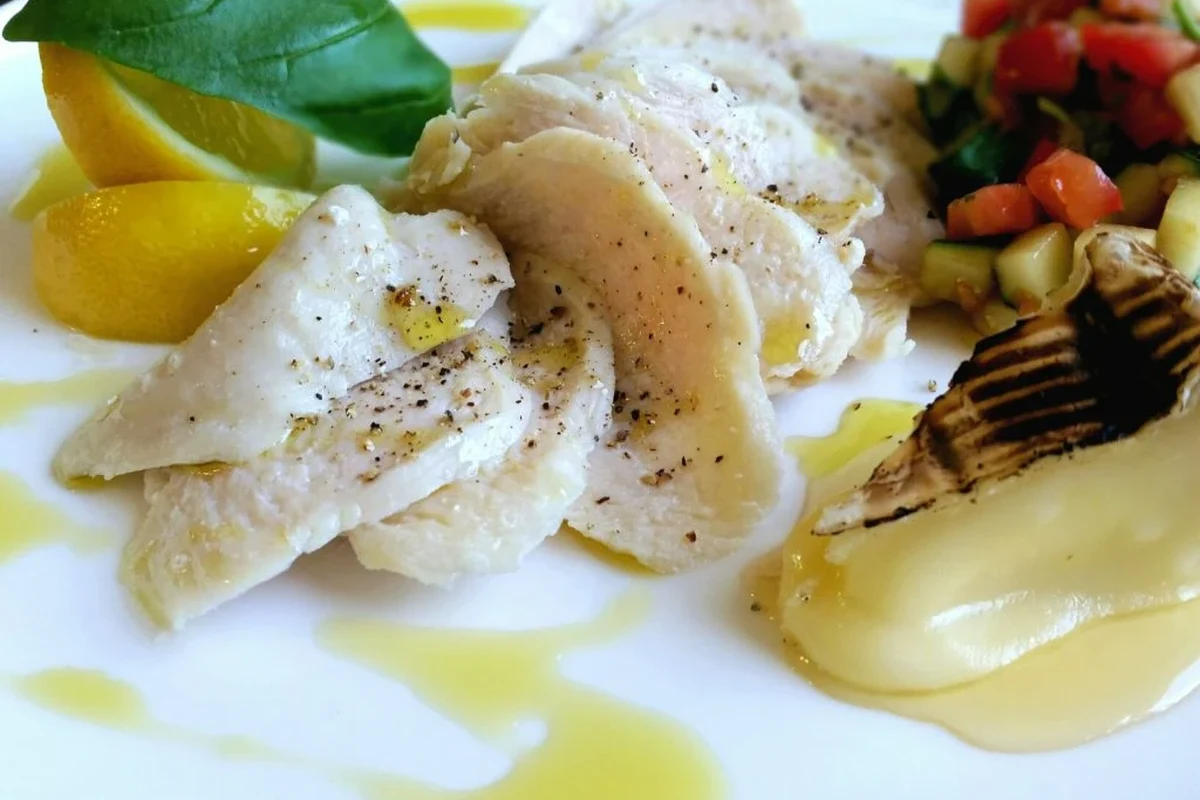
When preparing chicken breast, the primary challenge is its lack of intramuscular fat, which often leads to dry, stringy textures if overcooked. Olive oil serves as a protective barrier, facilitating even heat distribution across the surface of the meat. While other fats like butter or avocado oil have their own merits, olive oil—particularly high-quality varieties—offers a balance of flavor and functional stability for most standard searing or roasting methods.
The Science of Fat and Lean Protein
Fat is essential in cooking because it conducts heat more efficiently than air or water. When you coat a chicken breast in oil, you are creating a thermal bridge between the pan and the protein. This allows for the Maillard reaction—the chemical process that creates a golden-brown, flavorful crust—to occur before the interior of the chicken overcooks. In 2026, culinary standards emphasize that lean proteins benefit significantly from this external fat source to maintain structural integrity during high-heat applications.
Why Olive Oil and Chicken Breast Are a Culinary Power Couple
The pairing of olive oil and chicken is not merely about preventing sticking; it is about flavor enhancement. Olive oil possesses a unique profile that can range from grassy and peppery to buttery and mild, depending on the harvest and region.
Enhancing Flavor Profiles and Moisture Retention
Olive oil acts as a solvent for fat-soluble flavor compounds found in herbs like rosemary, thyme, and garlic. When mixed into a rub or marinade, the oil ensures these flavors penetrate the outer layer of the chicken. Furthermore, the presence of oil on the surface helps seal in natural juices, providing a more satisfying mouthfeel. For those who enjoy robust, smoky flavors, this technique works beautifully even when using specialized equipment like a Ninja Woodfire Grill chicken breast recipe, where the oil helps the surface texture interact with the grill’s heat.
The Role of Healthy Fats in Lean Poultry Preparation
Cooking with heart-healthy monounsaturated fats is a common priority for many modern home cooks. Olive oil is widely recognized for its stability and nutritional profile. Using it as your primary cooking fat allows you to control the quality of ingredients entering your kitchen, ensuring that your Belizean BBQ chicken recipe or a simple weeknight sear maintains a high standard of ingredient integrity.
Always bring your chicken breast to room temperature for about 15 minutes before cooking. A cold chicken breast dropped into a hot, oiled pan will cause the temperature of the oil to plummet, leading to steaming rather than searing.
Selecting the Right Olive Oil for Your Chicken Breast
Not all bottles labeled “olive oil” are created equal. Understanding the nuance of your oil is key to success.
Extra Virgin vs. Refined: Understanding Smoke Points
Extra Virgin Olive Oil (EVOO) is unrefined and retains the most flavor, but it has a lower smoke point compared to “light” or refined olive oils. If you are doing a high-heat pan sear, a refined olive oil is often more forgiving. However, for roasting or lower-temperature pan-frying, a high-quality EVOO is excellent for finishing or adding depth of flavor.
Flavor Profiles: Choosing the Right Oil for Your Seasoning
Match your oil to your dish. A robust, peppery EVOO pairs well with bold, rustic herbs, while a milder, buttery oil is better suited for delicate lemon-herb seasonings or when preparing lighter dishes like a Belizean curry chicken recipe where you want the spices to shine without competition.
Technique Guide: How to Properly Apply Olive Oil to Chicken
The application method changes the final outcome of your dish.
The Dry-Rub Method vs. The Marinade Approach
For a crispy skin or crust, use the dry-rub method: pat the chicken dry, coat lightly with oil, then apply your seasonings. The oil acts as “glue” for the spices. If you want deep flavor penetration, the marinade approach is superior; however, ensure your marinade contains an acid (like lime or vinegar) to help break down the protein fibers.
Achieving the Perfect Sear: Tips for Even Browning
Ensure the chicken is patted completely dry before adding oil. Moisture is the enemy of a good sear. Once the pan is shimmering with a thin layer of oil, place the chicken down and avoid the urge to move it until a natural release occurs.
- Pat chicken dry with paper towels to ensure a better sear.
- Use room-temperature chicken for more even internal cooking.
- Choose a heavy-bottomed skillet for consistent heat retention.
- Always use a meat thermometer to verify safety.
Essential Recipe: Pan-Seared Olive Oil Chicken Breast
This method focuses on achieving a professional-quality crust while keeping the interior tender.
Ingredients and Preparation
- 2 boneless, skinless chicken breasts
- 1 tablespoon high-quality olive oil
- 1 teaspoon kosher salt
- 1/2 teaspoon cracked black pepper
- Optional: 1 clove smashed garlic or sprig of fresh thyme
Step-by-Step Cooking Technique
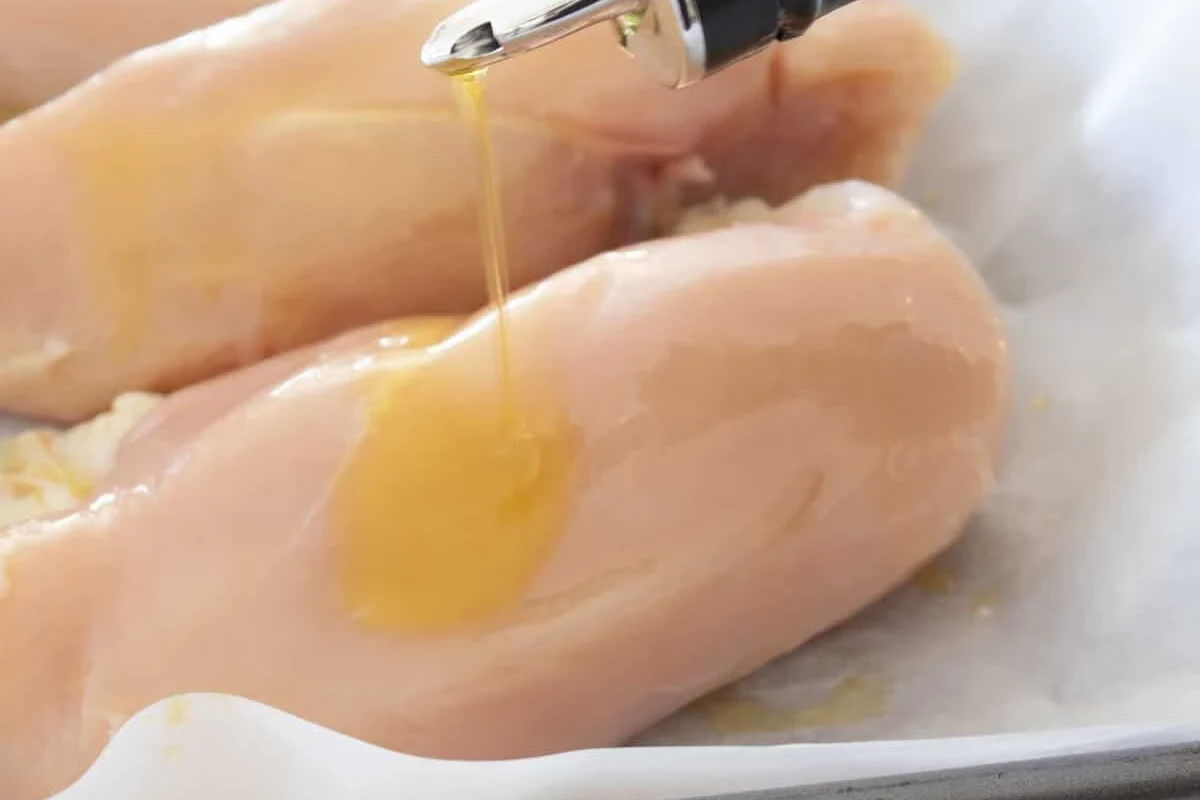
Season the chicken breasts evenly on both sides. Rub the olive oil directly onto the chicken rather than the pan to ensure an even coating.
Place a skillet over medium-high heat. Add a tiny splash of oil to the pan; once it shimmers, it is ready.
Place the chicken in the pan. Cook for 5–7 minutes without moving it, until a deep golden-brown crust forms.
Flip the breasts and cook for another 5–6 minutes or until the internal temperature reaches 165°F (74°C).
Monitoring Doneness: Ensuring Safety and Succulence
Do not rely on color alone. Use a digital instant-read thermometer inserted into the thickest part of the breast. According to USDA safety standards, chicken must reach an internal temperature of 165°F to be safely consumed.
Common Mistakes When Using Olive Oil on Chicken
Many cooks inadvertently ruin their chicken by using the wrong heat level or timing.
Avoiding Overheating: The Smoke Point Threshold
If your pan starts to produce blue smoke, you have exceeded the oil’s smoke point. This not only creates an acrid, burnt flavor but can also break down the healthy compounds in the oil. If this happens, remove the pan from the heat immediately, discard the oil, and start over.
The Pitfalls of Cold Pan Placement
Adding chicken to a cold pan causes it to absorb the oil rather than sear in it, leading to a greasy, pale result. Always wait for the oil to shimmer before adding the protein.
- Preheat the pan before adding the oiled chicken.
- Use a meat thermometer for accurate results.
- Crowding the pan, which lowers the temperature.
- Using extra-virgin olive oil for high-heat, long-duration searing.
Safety, Storage, and Quality Maintenance
Proper handling is the hallmark of a responsible cook. Always wash hands and surfaces after handling raw chicken to prevent cross-contamination. Leftover cooked chicken can be stored in an airtight container in the refrigerator for up to 3–4 days. To maintain the quality of your olive oil, keep it in a cool, dark place away from the stove, as light and heat will cause it to go rancid over time.
Troubleshooting and Substitutions
If you find yourself without olive oil, avocado oil is the best high-heat substitute due to its neutral flavor and high smoke point. For those preferring a flavor profile closer to olive oil, a blend of canola and a small amount of butter can provide the necessary fats for a successful sear.
Final Verdict: Why Olive Oil Remains a Kitchen Staple for Chicken
Olive oil is an indispensable tool for preparing chicken breast. Its ability to facilitate the Maillard reaction, carry flavor, and provide a healthy fat source makes it the ideal companion for everything from simple sears to complex roasts. By mastering the heat levels and application techniques, you can transform the most basic pantry ingredient into a reliable partner for your protein, ensuring every meal is flavorful and properly cooked.
Common Questions
Olive oil provides heart-healthy monounsaturated fats that can be a better alternative to saturated fats like butter or lard when cooking lean protein.
Yes, olive oil is an excellent base for marinades as it helps distribute fat-soluble flavors into the meat and keeps the exterior from drying out.
You likely used the oil at a temperature exceeding its smoke point; lower your heat or use a more refined oil for high-temperature searing.
It is best to add oil to a warm pan and allow the oil to heat up before adding the chicken to prevent sticking and ensure a proper sear.
A light coating, roughly one tablespoon per breast, is usually sufficient to coat the surface without making the dish excessively greasy.
Frequently Asked Questions
Yes, but be mindful of the heat. Extra virgin olive oil has a lower smoke point, so it is best for medium-high heat searing rather than extremely high heat.
Ensure your pan is properly preheated and the chicken is patted completely dry. Wait for a natural release before attempting to flip the meat.
Oiling the chicken directly is generally better for even coverage and seasoning adhesion, while a light coating in the pan helps initiate the initial sear.
Cooked chicken breast can be stored in an airtight container in the refrigerator for 3 to 4 days. Always ensure it is cooled before refrigeration.
According to food safety guidelines, chicken must reach an internal temperature of 165°F (74°C) to be considered safe to eat.
You can, but butter has a lower smoke point and burns faster than olive oil. It is often best to use a blend of both for flavor and heat stability.