Olive Oil for Baking Chicken

Olive oil is a versatile, heart-healthy fat that helps achieve crispy skin and deep flavor when baking chicken at moderate temperatures. Always pat your chicken dry before application to ensure the best texture and avoid excess smoke.
Using olive oil for baking chicken is a reliable way to achieve a tender interior and a beautifully browned exterior, provided you manage your oven temperatures correctly. In 2026, home cooks continue to favor this pantry staple for its heart-healthy profile and its ability to carry complex spice blends commonly found in Caribbean and local Belizean cooking.
- Temperature Control: Keep oven heat between 375°F and 400°F to stay within the smoke point of.
- Surface Prep: Always pat chicken dry with paper towels to ensure the oil helps crisp the.
- Application: Use a pastry brush for a light, even coat to prevent greasy, uneven results.
- Flavor Enhancement: Leverage olive oil as a base for Caribbean-inspired dry rubs to better infuse spices.
Is Olive Oil the Best Choice for Baking Chicken in 2026?
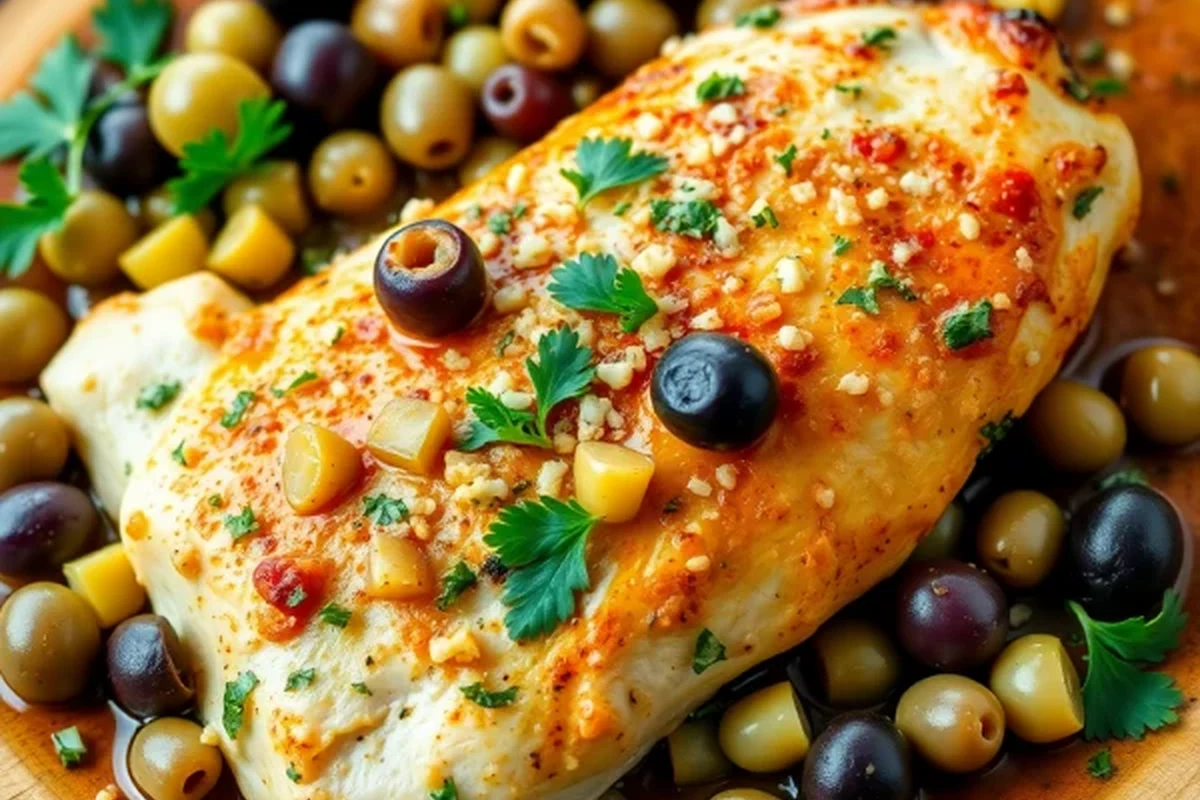
Whether olive oil is the “best” choice depends on your specific goals for the dish. For most standard oven-roasting applications—typically between 375°F and 425°F—extra virgin olive oil (EVOO) performs admirably. It adds a subtle fruity note that pairs exceptionally well with fresh herbs, citrus, and garlic. However, if you are aiming for extremely high-heat roasting (450°F and above), other oils with higher smoke points may be more appropriate to prevent the oil from breaking down and creating smoke in your kitchen.
If you find that your oven produces excessive smoke during high-heat roasting, ensure you are utilizing your kitchen hoods for ranges at the appropriate setting to maintain good air quality.
What is Olive Oil and Why Does It Elevate Baked Chicken?
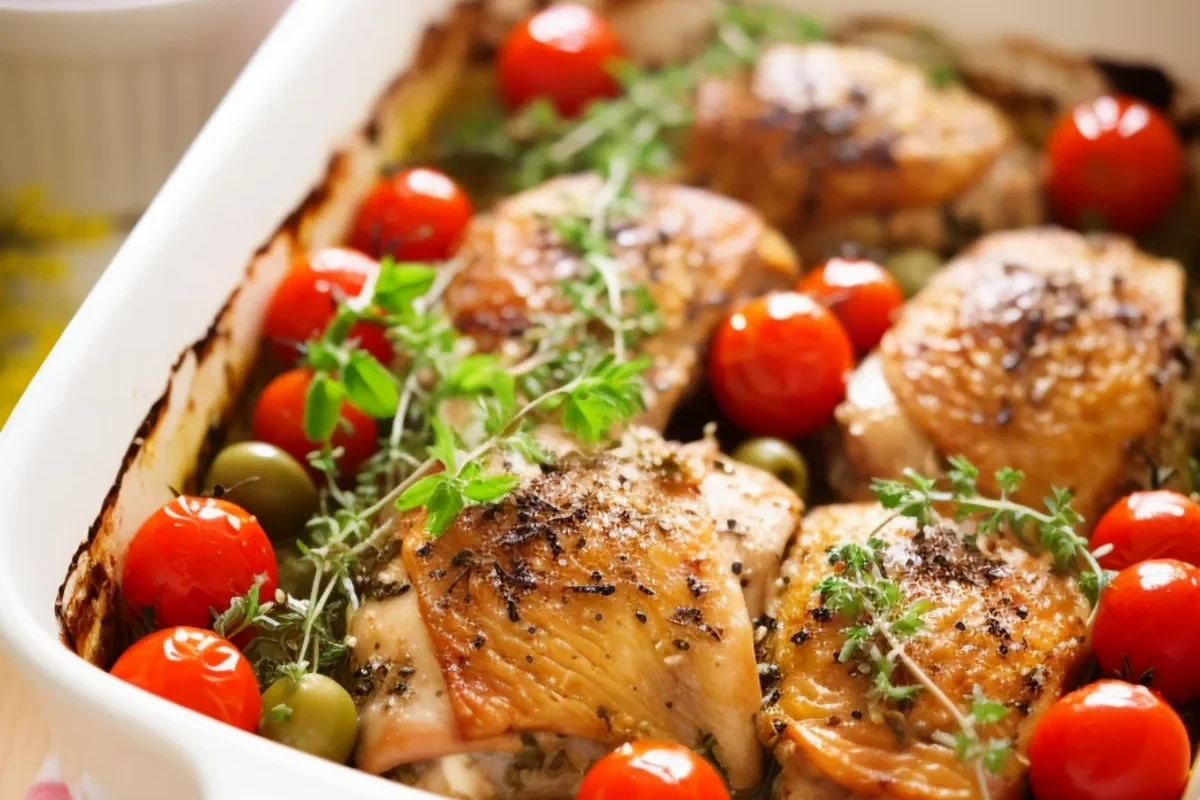
Olive oil is a monounsaturated fat extracted from the fruit of the olive tree. Beyond its nutritional profile, its role in the oven is functional: it transfers heat evenly to the surface of the chicken, ensuring uniform browning. It also acts as a vehicle for fat-soluble flavors, meaning it helps carry the aromatics of your dry rubs or marinades deep into the skin of the bird.
The Chemistry of Fats in Oven Roasting
When you coat chicken in olive oil, you are creating a barrier that helps retain moisture while simultaneously encouraging the Maillard reaction—the chemical process responsible for browning and the development of savory flavors. The fats in olive oil help conduct heat more efficiently than air alone, resulting in a more consistent texture.
Extra Virgin vs. Refined: Understanding Smoke Points for Baking
The “smoke point” is the temperature at which an oil begins to break down and emit smoke. Extra virgin olive oil typically has a smoke point between 350°F and 410°F, while refined olive oils can withstand slightly higher temperatures. For most Belizean BBQ chicken recipe styles that are finished in the oven, a standard roasting temperature of 375°F is well within the safe zone for high-quality olive oil.
Who Should Use Olive Oil for Their Chicken Recipes?
Health-Conscious Home Cooks
Those looking for a source of heart-healthy monounsaturated fats often prefer olive oil over saturated alternatives like butter or lard. It provides a rich mouthfeel without the heavy cholesterol impact associated with animal-based fats.
Flavor-Focused Culinary Enthusiasts
If your recipe relies on subtle flavor profiles, the grassy, peppery notes of a high-quality EVOO can provide an extra dimension that neutral oils like canola or vegetable oil simply cannot offer.
Selecting the Right Olive Oil: Decision Criteria for the Belizean Kitchen
Understanding Labeling and Quality Grades
Look for “cold-pressed” or “first cold-pressed” on the label. This indicates that the oil was extracted without high heat or chemical solvents, preserving its natural antioxidants and flavor compounds. Always check the harvest date if available; fresher oil generally offers a more vibrant flavor.
Why Origin and Acidity Matter for Poultry
Lower acidity levels in olive oil (ideally under 0.8% for extra virgin) typically suggest higher quality. While origin is a matter of personal preference, oils from Mediterranean climates are often the standard, though excellent options are increasingly available from various global regions.
Real-Kitchen Benefits: Texture, Flavor, and Nutritional Value
Achieving the Perfect Crispy Skin
To achieve crispy skin, moisture is the enemy. Patting your chicken dry with paper towels before brushing it with a thin layer of olive oil is essential. The oil helps crisp the skin by frying it slightly in the oven’s heat, rather than steaming it in its own juices.
Flavor Profiles: Enhancing Caribbean-Inspired Seasonings
Olive oil is an excellent base for Caribbean spice rubs. Whether you are using allspice, thyme, or Scotch bonnet peppers, the oil helps these ingredients adhere to the chicken and prevents the spices from burning too quickly during the baking process.
Olive oil contains polyphenols, which are antioxidants that can remain stable even when exposed to the moderate heat of a standard oven.
Common Mistakes When Baking Chicken with Olive Oil
Avoiding Overheating: Smoke Point Management
A common mistake is assuming that because olive oil is “natural,” it can handle any temperature. If you are roasting at very high heat, you may notice an acrid smell; this is a sign that the oil is burning. If you must roast above 400°F for a long duration, consider a refined olive oil or a different high-heat oil.
The Pitfall of Improper Coating Techniques
Using too much oil can lead to a greasy, rather than crispy, result. Use a pastry brush to apply a light, even coat to ensure the chicken is covered without pooling in the bottom of the pan.
Mastering the Technique: A BelizeanRecipe Guide to Oven-Baked Chicken
Pat the chicken completely dry. Moisture on the surface prevents the skin from crisping properly.
Rub the chicken with your choice of herbs and spices. Apply the olive oil last to seal the seasoning to the skin.
Place in a preheated oven at 375°F. Use a roasting rack if possible to allow air to circulate underneath.
Doneness and Safety: Using Digital Thermometers
Always verify doneness with a digital meat thermometer. According to food safety guidelines, poultry should reach an internal temperature of 165°F (74°C) at its thickest part.
Never rely on cook times alone. Always use a calibrated digital thermometer to ensure the chicken has reached a safe internal temperature.
Substitutions and Limitations: When to Use Alternatives
When to Reach for Avocado Oil or Ghee
If you prefer a higher smoke point for high-heat roasting, avocado oil is an excellent choice. If you are looking for a rich, nutty flavor, ghee (clarified butter) is a traditional alternative for those who do not mind the dairy content.
Managing Flavor Intensity in Delicate Dishes
If you are preparing a very delicate chicken dish, a robust, peppery extra virgin olive oil might overpower the subtle flavors of the poultry. In these cases, a milder, light-tasting olive oil is a better fit.
Safe Handling, Storage, and Shelf Life
Proper Storage to Prevent Rancidity
Store your olive oil in a cool, dark cupboard, away from the stove. Exposure to light and heat will cause the oil to go rancid prematurely. Always seal the bottle tightly after use.
Identifying Spoiled Oil
If your olive oil smells like crayons, putty, or old nuts, it has likely gone rancid. While not necessarily dangerous in small amounts, it will negatively impact the flavor of your baked chicken.
- Olive oil is an excellent, health-conscious choice for standard oven-baked chicken recipes.
- Always pat chicken dry before applying oil to ensure maximum crispiness.
- Monitor your oven temperature to stay within the smoke point of your chosen oil.
- Use a digital thermometer to verify safety rather than relying on estimated bake times.
Common Questions
Olive oil has a higher smoke point than butter, making it more stable for oven roasting. It also provides a healthier profile of monounsaturated fats.
Yes, light or refined olive oil has a higher smoke point than extra virgin, making it ideal for higher-temperature roasting.
Smoke often occurs when oil reaches its smoke point or if there are burnt drippings in the pan. Ensure your kitchen hoods for ranges are active.
Use just enough to lightly coat the skin, typically about 1 tablespoon for every 2 pounds of chicken.
No, the oil primarily affects the exterior texture and flavor. Always verify internal temperature reaches 165°F regardless of the fat used.
Frequently Asked Questions
Yes, extra virgin olive oil is excellent for baking chicken at standard temperatures, usually between 350°F and 400°F. It provides flavor and helps achieve a nice golden-brown finish.
375°F to 400°F is generally ideal. This temperature range is high enough to crisp the skin while remaining below the smoke point of most high-quality olive oils.
Avoid temperatures above 400°F if you are using extra virgin olive oil. If you need to roast at higher temperatures, consider using a refined olive oil or avocado oil.
Yes, when applied in a thin, even layer to dry skin, olive oil helps conduct heat and promotes browning, which results in a crispier texture.
Most olive oils remain at peak quality for 12 to 18 months if stored in a cool, dark place. Always check for signs of rancidity like a musty or crayon-like odor.
Absolutely. Olive oil is a fantastic base for marinades because it carries fat-soluble flavors from herbs and spices directly into the meat.