Lunch Snacks

Belizean lunch snacks are fast, filling midday bites like fry jacks, salbutes, garnaches, panades, and Johnny cakes. The best choice depends on whether you want quick energy, portability, sharing, or a budget-friendly snack.
Lunch snacks in Belize are the fast, filling bites people reach for when they need something satisfying between breakfast and dinner. In street food culture, that often means a warm fried or toasted base, simple toppings, and bold flavor that is easy to carry, share, and enjoy on the go.
- Best all-around base: Fry jacks and Johnny cakes are filling and easy to adapt.
- Most portable: Panades usually travel better than toppings-heavy snacks.
- Best for sharing: Salbutes and garnaches are easy to portion and customize.
- Texture matters most: Keep wet toppings separate until serving to avoid sogginess.
What Are Lunch Snacks? A Quick Belizean Guide to Fast, Filling Midday Bites
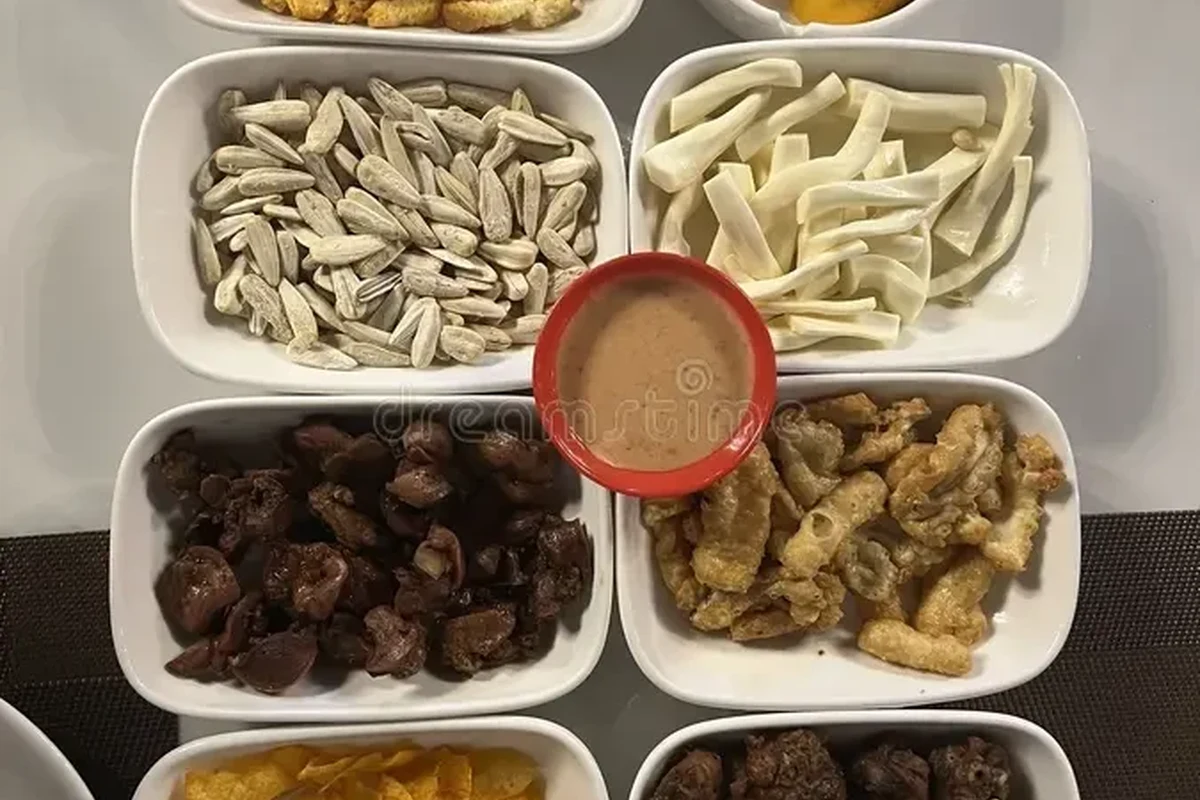
Lunch snacks are not just “small foods.” In Belize, they often serve as a practical midday meal when there is not enough time for a full plate but there is still a need for real energy and flavor. They usually combine starch, protein, and seasoning in a compact format that can be eaten quickly without much fuss.
Why lunch snacks matter in Belizean street food culture
Belizean street food is built around convenience, affordability, and strong local flavor. Lunch snacks fit that rhythm because they can be made fresh, sold in batches, and eaten while walking, working, or waiting for the bus. They also reflect how Belizean cooks make simple ingredients feel complete with beans, cheese, cabbage, onion, hot sauce, and well-seasoned dough or masa.
If you are browsing Belizean street food for midday ideas, think in terms of portability first, then flavor, then how long the snack will stay crisp before serving.
Who these snacks are best for: school, work, travel, and casual gatherings
Lunch snacks are especially useful for students, office workers, travelers, and families who want something flexible. They also work well for casual gatherings because people can grab one or two pieces without needing a full sit-down meal. If you are building a broader midday menu, our Lunch Dinner collection can help you pair snacks with heartier dishes.
Best Belizean Lunch Snack Ideas to Make or Buy
The best-known Belizean lunch snacks are fry jacks, salbutes, garnaches, panades, and Johnny cakes. Each one has a different balance of crispness, softness, filling power, and portability, so the “best” choice depends on when and where you plan to eat it.
Fry jacks, salbutes, garnaches, panades, and Johnny cakes
Fry jacks are puffy fried dough pieces that can be eaten plain or filled, which makes them one of the most flexible options. Salbutes are light, fried masa rounds topped with meat, cabbage, and other garnishes; they are popular when you want something flavorful but not too heavy. Garnaches are usually tortillas topped with beans, cheese, and cabbage, and they are a classic budget-friendly bite. Panades are fried corn pockets, often filled with fish or beans, and they travel well if packed carefully. Johnny cakes are round, slightly dense bread-like cakes that can be split and filled, making them a reliable option for a more bread-forward snack.
Which options are light, filling, budget-friendly, or more portable
If you want something light, salbutes are often a good fit because the base is airy and the toppings do most of the work. For filling power, fry jacks and Johnny cakes usually go farther, especially when paired with beans or protein. Garnaches are often a smart budget choice because the ingredients are simple and familiar. For portability, panades and Johnny cakes usually hold up better than toppings-heavy snacks, especially when you need to carry lunch for a while.
Fry jacks or Johnny cakes
These are useful when you need a more substantial snack that can be eaten fast. The trade-off is that fried dough can feel heavier than lighter masa-based options.
Salbutes and garnaches
They are easy to portion for a group and can be customized with different toppings. The main limitation is that they are best served soon after assembly.
Panades
Panades are one of the most convenient choices when you need a snack that travels well. Just keep fillings safely chilled before cooking and avoid letting them sit out too long.
Key Ingredients and Flavor Builders
Most Belizean lunch snacks start with a few familiar building blocks: dough, masa, beans, cheese, cabbage, onion, and hot sauce. The magic is usually not in complicated ingredients, but in how fresh the components are and how well they are layered.
Common doughs, masa, beans, cheese, cabbage, onion, and hot sauce
Dough and masa provide the base, while beans and cheese add richness and staying power. Cabbage brings crunch, onion adds sharpness, and hot sauce gives brightness and heat. In many Belizean snacks, the topping balance matters just as much as the base, because a snack that is too dry, too wet, or too salty can feel less satisfying even if the recipe is traditional.
For better texture, keep crunchy toppings separate until the last moment. That helps fried or toasted bases stay crisp instead of softening too early.
How to choose fresh ingredients for better texture and taste
Fresh cabbage should look crisp, not limp or brown at the edges. Onions should feel firm and dry, and beans should taste well seasoned without being watery. Cheese should be fresh enough to grate or crumble cleanly, though the exact style varies by region and recipe. If you are buying from a vendor or store, check that the base looks freshly made and that toppings are handled cleanly, especially when dairy or meat is involved.
- Check that dough, masa, and fillings are fresh and not sitting out too long
- Choose toppings that stay crisp or can be assembled quickly
- Confirm whether the snack includes dairy, gluten, eggs, fish, or other allergens
How to Prepare Lunch Snacks the Right Way
Good lunch snacks depend on technique as much as ingredients. Frying, baking, toasting, and assembling all affect whether the final bite is light and crisp or greasy and soggy.
Basic cooking techniques: frying, baking, toasting, and assembling
Frying is common for fry jacks, salbutes, and panades, and it gives the classic texture people expect. Baking can work for some dough-based snacks when you want a lighter result, though it will not always match the traditional crispness. Toasting or griddling is useful for Johnny cakes and some tortillas, especially when you want a warm base without extra oil. Assembly matters too: wet toppings should go on last, and delicate items should be handled gently so they do not tear or collapse.
Timing, oil temperature, and texture cues for crisp, tender results
Oil that is too cool can make snacks greasy, while oil that is too hot can brown the outside before the inside is ready. Because exact temperatures can vary by stove, pan, and batch size, watch for visual cues: steady bubbling, even browning, and a surface that sets without burning. Dough should puff or firm up in a way that matches the style you are making, and fillings should be fully cooked before assembly when the recipe calls for meat, fish, or egg.
Mix, shape, or portion the dough or masa before you start frying or toasting so the cooking goes smoothly.
Give each piece enough room so the oil or pan stays steady and the texture stays even.
Add beans, cheese, cabbage, onion, and sauce just before serving to keep the snack from turning soggy.
Common Mistakes and How to Avoid Them
Most lunch snack problems come from moisture, heat control, or rushed assembly. A few small adjustments can make a big difference in texture and value.
Greasy dough, soggy toppings, underseasoning, and uneven cooking
Greasy dough usually means the oil was not hot enough or the batch was too crowded. Soggy toppings happen when wet ingredients sit too long on the base before serving. Underseasoning is common when cooks rely on toppings alone instead of seasoning the beans, fillings, or masa. Uneven cooking often comes from pieces that are too thick, too thin, or not shaped consistently.
- Season each layer with care, not just the final topping
- Keep fried items on a rack or paper towel briefly to reduce excess oil
- Use similar-sized pieces so they cook evenly
- Stacking hot, covered fried snacks in a way that traps steam
- Adding watery toppings too early
- Guessing on doneness when meat or egg fillings are involved
Portioning and assembly mistakes that reduce value and convenience
Oversized snacks can be hard to hold and more expensive to make or buy, while tiny portions may leave people hungry too soon. The best lunch snacks are usually sized for one hand, one plate, or one quick meal break. Assembly should also match the setting: a snack for school or work should be neater and less messy than one served at home.
Food Safety, Storage, and Reheating Tips
Lunch snacks are easy to enjoy safely when you handle fillings, dairy, and fried items with care. This is especially important in warm weather, when food can spoil faster if left out too long.
Safe handling for fillings, dairy, meats, and fried items
Meat, fish, egg, and dairy fillings should be kept cold before cooking and not left at room temperature for long periods. Cross-contamination is a real concern when raw and ready-to-eat foods share utensils or cutting boards. For current food-safety guidance, it is wise to follow recognized sources such as the USDA or your local health authority, especially if you are preparing snacks for children, travel, or group events.
Discard food that smells off, looks slimy, or has been held out too long. When in doubt about a filling or leftover snack, follow official food-safety guidance rather than guessing.
How long lunch snacks keep, refrigeration basics, and best reheating methods
How long a lunch snack keeps depends on the ingredients, storage temperature, and whether it is plain or filled. Fried items generally keep their best texture when cooled uncovered briefly, then stored in a container that does not trap too much steam. Refrigerate leftovers promptly if they contain meat, fish, egg, or dairy, and reheat according to safe food-handling guidance and manufacturer instructions for any appliance you use. For the best texture, reheat fried or toasted items in a hot oven, toaster oven, or skillet rather than in a covered container that softens the crust.
Substitutions, Budget Choices, and Buying Guide
Lunch snacks can be adapted for what is available, what fits your budget, and what your household prefers. The goal is to keep the snack satisfying without making it complicated.
Ingredient swaps for availability, dietary needs, and lower cost
If a traditional ingredient is hard to find, use the closest practical substitute that keeps the same job in the recipe. Tortillas can sometimes stand in for masa-based items, while refried beans can replace whole beans when you need a smoother spread. For dairy-free needs, skip cheese or choose an alternative that fits your diet. For gluten-free needs, check labels carefully and remember that cross-contact can happen in shared kitchens. If you are managing allergies or medical dietary needs, a registered dietitian or clinician can help you choose safer options.
Ingredient availability in Belize and abroad can vary by neighborhood, season, and store type. When buying packaged items, confirm labels, ingredients, and storage instructions before serving.
What to look for when buying from a vendor or grocery store
When buying lunch snacks, look for clean handling, fresh aroma, and a base that still has the right texture for the style you want. Ask whether the item was made recently, especially for fried snacks and dairy-topped items. In a grocery store, check packaging dates, ingredient lists, and storage directions. At a vendor stall, watch whether toppings are separated, utensils are clean, and hot foods are kept hot while cold items are kept cold. If you want more snack ideas from the Belizean street-food side, our Snacks archive is a useful place to compare options.
- Choose snacks that match how long they need to sit before eating
- Prioritize clean assembly over extra toppings
- Ask about fillings if you need to avoid allergens or certain meats
Final Recommendation: The Best Lunch Snack Choice for Different Needs
The best lunch snack depends on your schedule, your budget, and how long the food needs to stay appealing. There is no single winner for every situation, but a few options stand out for specific needs.
Best pick for quick energy, best for sharing, and best for make-ahead meals
For quick energy, fry jacks or Johnny cakes are strong choices because they are filling and easy to eat fast. For sharing, salbutes and garnaches are usually the most flexible because people can customize toppings. For make-ahead meals, panades are often the most practical because they travel well and hold their shape better than topping-heavy snacks.
Value, convenience, and flavor trade-offs to consider before choosing
If value matters most, choose the snack that uses the fewest expensive or perishable ingredients while still feeling satisfying. If convenience matters most, choose the one that stays neat in a bag or container. If flavor matters most, choose the snack with the freshest base and the best seasoning, because even a simple Belizean lunch snack can taste excellent when the texture is right and the toppings are balanced.
For most readers, the best lunch snack is the one that stays fresh long enough to suit your day and still feels satisfying when you eat it. If you want the safest all-around choice, start with a simple, freshly made option and choose a more portable snack like panades when storage or travel is a concern.
Common Questions
A lunch snack is usually smaller and faster to eat than a full plated meal. It still aims to be filling enough to carry you through the afternoon.
Many are fried, but not all. Some are toasted, griddled, or assembled on a base that is only lightly cooked.
Garnaches are often a smart budget choice because the ingredients are simple. Exact cost depends on local prices and portion size.
Yes, especially snacks with sturdier bases or fillings. Keep toppings and sauces separate until serving when possible.
Temperature control is the biggest issue for meat, fish, egg, and dairy fillings. Keep them refrigerated and follow official food-safety guidance for leftovers.
Frequently Asked Questions
Common choices include fry jacks, salbutes, garnaches, panades, and Johnny cakes. Each one offers a different balance of crispness, filling power, and portability.
Panades and Johnny cakes are often easier to transport because they hold their shape well. Snacks with wet toppings are better eaten soon after assembly.
Keep wet toppings separate until serving and avoid stacking hot fried items in a sealed container. Let excess steam escape briefly before packing.
Yes, but choose substitutes that serve the same purpose, such as tortillas for some masa-based snacks or refried beans for a smoother spread. Check labels carefully if you need to avoid gluten, dairy, or other allergens.
Keep them refrigerated promptly and do not leave them out too long. Follow USDA, FDA, or local health guidance for safe storage and reheating.
Look for clean handling, fresh aroma, and proper temperature control for hot and cold foods. Ask about fillings if you need to avoid allergens or specific ingredients.