Low Sodium Lentil Soup

Low sodium lentil soup relies on fresh aromatics, herbs, and citrus to build deep, savory flavor without added salt. It is a simple, nutrient-dense meal perfect for easy weeknight dinners and meal prep.
Low sodium lentil soup is a hearty, nutrient-dense dish that prioritizes natural aromatics and bold spices over salt to create deep, satisfying flavors. By focusing on high-quality legumes and fresh vegetables, you can enjoy a wholesome, heart-healthy meal that fits perfectly into a balanced lifestyle in 2026.
- Flavor profile: Use fresh garlic, cumin, and smoked paprika to replace the flavor usually provided by.
- Texture control: Choose brown lentils for a firm bite or red lentils if you prefer a.
- Acid balance: Add lime juice or vinegar at the very end of cooking to brighten the.
- Storage: Keep leftovers in the fridge for up to 4 days or freeze for up.
What is Low Sodium Lentil Soup and Why It Belongs in Your Kitchen
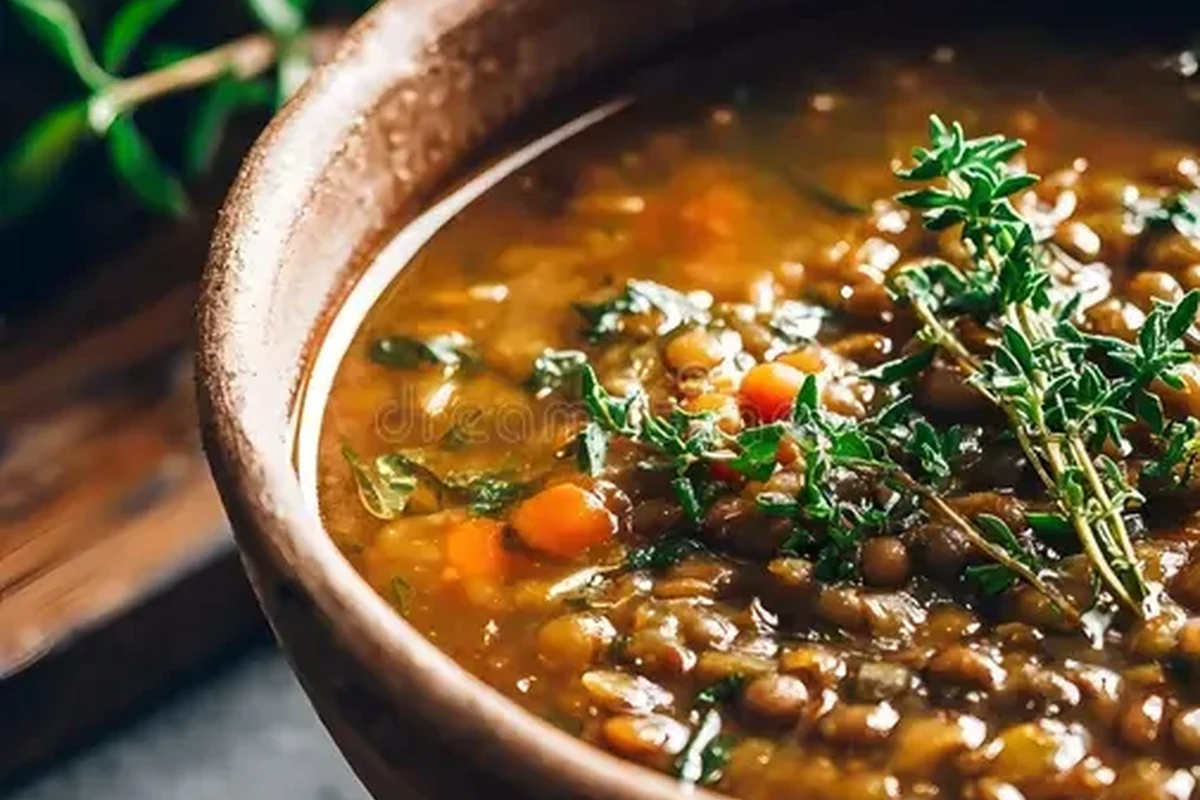
Low sodium lentil soup is a culinary approach that replaces the heavy reliance on salt with layered flavor profiles derived from herbs, spices, and acidity. In many traditional kitchens, salt is used as a shortcut to boost flavor; however, this dish demonstrates that slow-simmered vegetables and earthy legumes can stand on their own without the need for excessive sodium.
This recipe is an ideal staple for home cooks looking to diversify their weekly menu. It is versatile, budget-friendly, and scales easily, making it perfect for meal prepping. Whether you are managing dietary restrictions or simply looking for cleaner, whole-food options, this soup offers a satisfying texture and complex taste that proves “low sodium” does not mean “low flavor.”
The Nutritional Powerhouse: Why Choose a Low-Salt Approach
The Health Benefits of Lentils
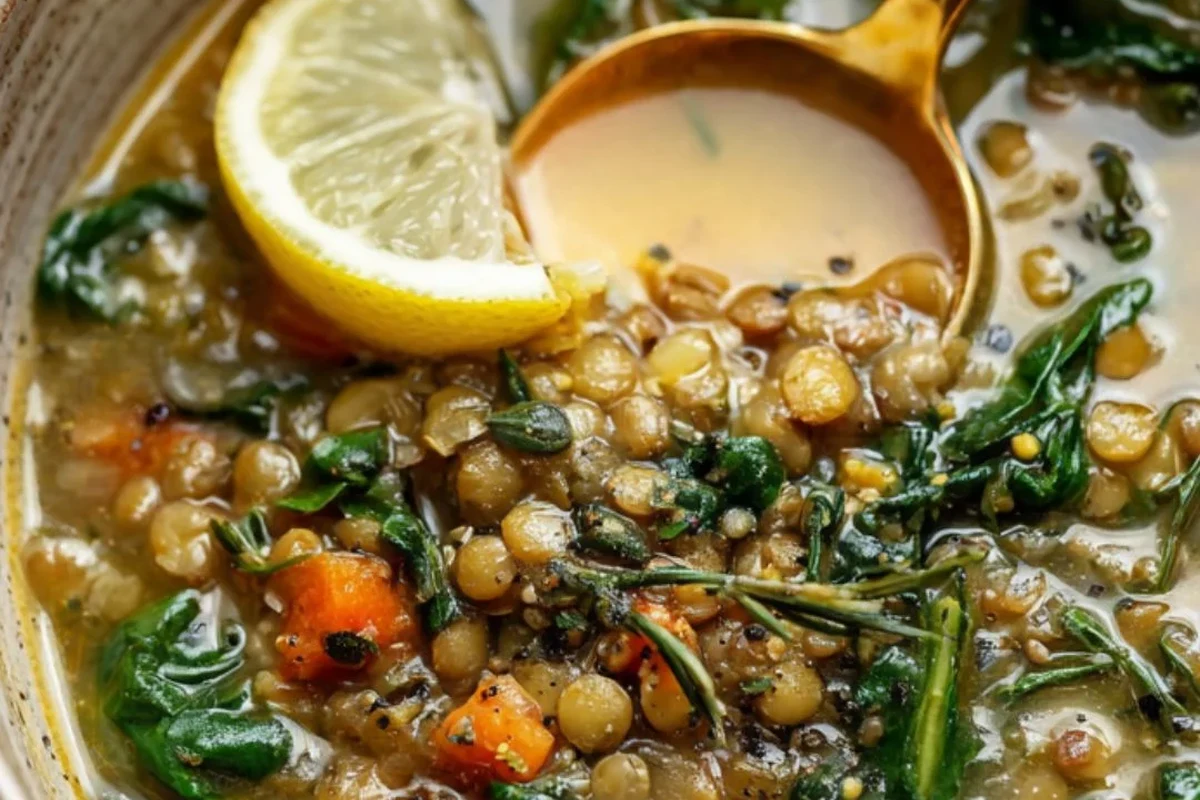
Lentils are a nutritional powerhouse, offering a significant amount of plant-based protein and dietary fiber in every serving. As a staple in many cultures, they are recognized for their ability to provide sustained energy. Because they are low in fat and contain essential minerals like iron and folate, they serve as an excellent base for a health-conscious diet.
Understanding Sodium Sensitivity in Traditional Recipes
Many commercially prepared soups or restaurant-style recipes rely heavily on sodium to enhance taste and preserve shelf life. For those monitoring their intake, these versions can quickly exceed daily recommended limits. By preparing your own soup at home, you regain full control over the ingredient list, ensuring that every spoonful aligns with your personal health goals.
When selecting canned goods for your base, such as tomatoes or broth, always look for “no salt added” labels to keep your total sodium count under control.
Essential Ingredients for a Flavor-Forward Low Sodium Soup
Choosing the Right Lentil Varieties
The type of lentil you choose dictates the final texture of the soup. Brown or green lentils are the gold standard for soups because they hold their shape well during the simmering process. Red lentils, by contrast, break down quickly, creating a creamy, porridge-like consistency that works well if you prefer a thicker, blended soup.
Building Depth Without Salt: Aromatics, Herbs, and Spices
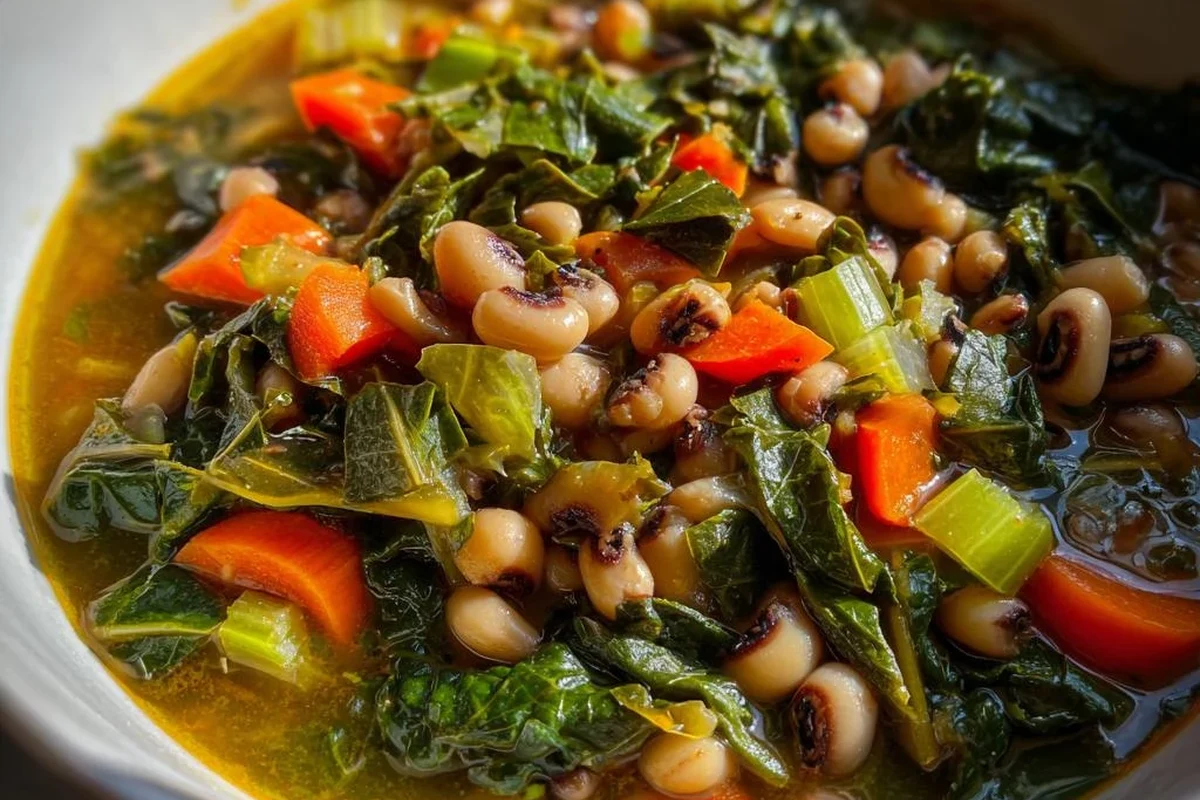
The secret to a flavorful low-sodium dish lies in the aromatics. Sautéing onions, carrots, and celery—the classic mirepoix—in a small amount of olive oil creates a sweet, savory foundation. Enhance this by adding garlic, cumin, smoked paprika, or fresh thyme. These ingredients provide the “oomph” that salt usually provides, stimulating the palate with complexity rather than salinity.
The Role of Acid and Umami Boosters
Acid is the most overlooked tool in a low-sodium kitchen. A squeeze of fresh lemon juice or a splash of red wine vinegar just before serving brightens the entire pot, making the flavors “pop.” For umami, consider adding sun-dried tomatoes (ensure they are not packed in salty brine) or a small amount of mushroom powder to provide that savory, meaty depth.
Belizean-Inspired Low Sodium Lentil Soup Recipe
Ingredients List
- 2 cups dried brown lentils, rinsed and picked over
- 1 medium yellow onion, finely diced
- 3 cloves garlic, minced
- 2 large carrots, diced
- 2 stalks celery, chopped
- 1 tsp ground cumin and 1/2 tsp smoked paprika
- 6 cups low-sodium vegetable broth or water
- 1 tbsp fresh lime juice (a nod to Caribbean brightness)
- Fresh cilantro for garnish
Step-by-Step Cooking Technique
Common Mistakes to Avoid During Preparation
One common error is adding acidic ingredients like tomatoes or vinegar too early in the cooking process. Acid can toughen the skin of the lentils, causing them to remain firm even after a long simmer. Always add your acid at the very end. Additionally, ensure you rinse your lentils thoroughly in a fine-mesh strainer to remove any dust or debris before they hit the pot.
Mastering the Texture: Tips for Perfect Lentils Every Time
Managing heat is critical. A vigorous boil will cause the lentils to bounce around and break apart, leading to a mushy soup. Keep the simmer gentle—just a few bubbles breaking the surface—to maintain the integrity of the beans. If you prefer a creamier soup, take a potato masher to the pot for a few seconds to crush a portion of the lentils, which will naturally thicken the broth.
Food Safety and Safe Handling Practices
Always sort through dried legumes before washing. Occasionally, small stones or debris can be mixed in with the harvest. Rinsing under cold running water is a non-negotiable step for cleanliness.
When cooking with legumes, ensuring they reach a proper state of doneness is important for digestion. Undercooked lentils can be difficult to digest. Always cook them until they are tender enough to be easily crushed between two fingers.
Storage, Reheating, and Shelf Life
Lentil soup is famous for tasting even better the next day as the spices continue to meld. Allow the soup to cool to room temperature before placing it in an airtight container. It can be safely stored in the refrigerator for up to 4 days. If you plan on freezing it, leave an inch of space at the top of your container, as the liquid will expand. It will maintain quality in the freezer for up to 3 months.
Troubleshooting Common Issues
If your soup tastes bland, it is likely lacking acidity or depth, not salt. Add a fresh herb like parsley or a pinch of cracked black pepper. If the consistency is too thin, blend one cup of the soup and stir it back into the pot. If the lentils are undercooked, simply add a splash more broth and continue simmering for another 5–10 minutes.
Final Recommendations for Your Low Sodium Culinary Journey
Starting a low-sodium journey does not mean sacrificing the joy of a warm, comforting bowl of soup. By focusing on fresh, high-quality ingredients and utilizing spices to create flavor, you can craft a dish that feels indulgent while supporting your health goals in 2026. Experiment with different aromatics each time you cook to find your favorite flavor combination.
Frequently Asked Questions
Yes, but red lentils break down faster than brown or green varieties. They will create a thicker, creamier consistency.
Use fresh herbs, aromatics like garlic and onion, and finish with a squeeze of citrus or vinegar to brighten the flavors.
Yes, it freezes very well. Store in airtight containers for up to three months and reheat gently on the stove.
Hard water or adding acidic ingredients like tomatoes too early can prevent lentils from softening. Ensure you add acid only after they are fully cooked.
Reheat on the stovetop over medium-low heat, adding a splash of water or broth if the soup has thickened too much in the fridge.
Unlike some dried beans, lentils do not require soaking. Simply rinse them thoroughly in a fine-mesh strainer before cooking.