Low Calorie Sweet Snacks

Low calorie sweet snacks work best when they use fruit, light texture, and controlled portions. For Belizean-style snacking, simple fruit bowls, yogurt, chia, and citrus are the most flexible choices.
Low calorie sweet snacks are the easiest way to satisfy a sugar craving without turning a small treat into a full dessert. The best versions lean on fruit, gentle sweetness, and smart portions, so they feel satisfying while staying lighter than bakery-style sweets.
- Fruit first: Mango, papaya, pineapple, and citrus bring sweetness with fewer extra calories.
- Flavor matters: Cinnamon, vanilla, lime zest, and cacao help lighter snacks taste complete.
- Portions matter most: A small serving with texture is usually more satisfying than a large sweet bowl.
- Watch toppings: Syrups, granola, dried fruit, and nut butter can quietly raise calories fast.
What Low Calorie Sweet Snacks Are and Why They Work
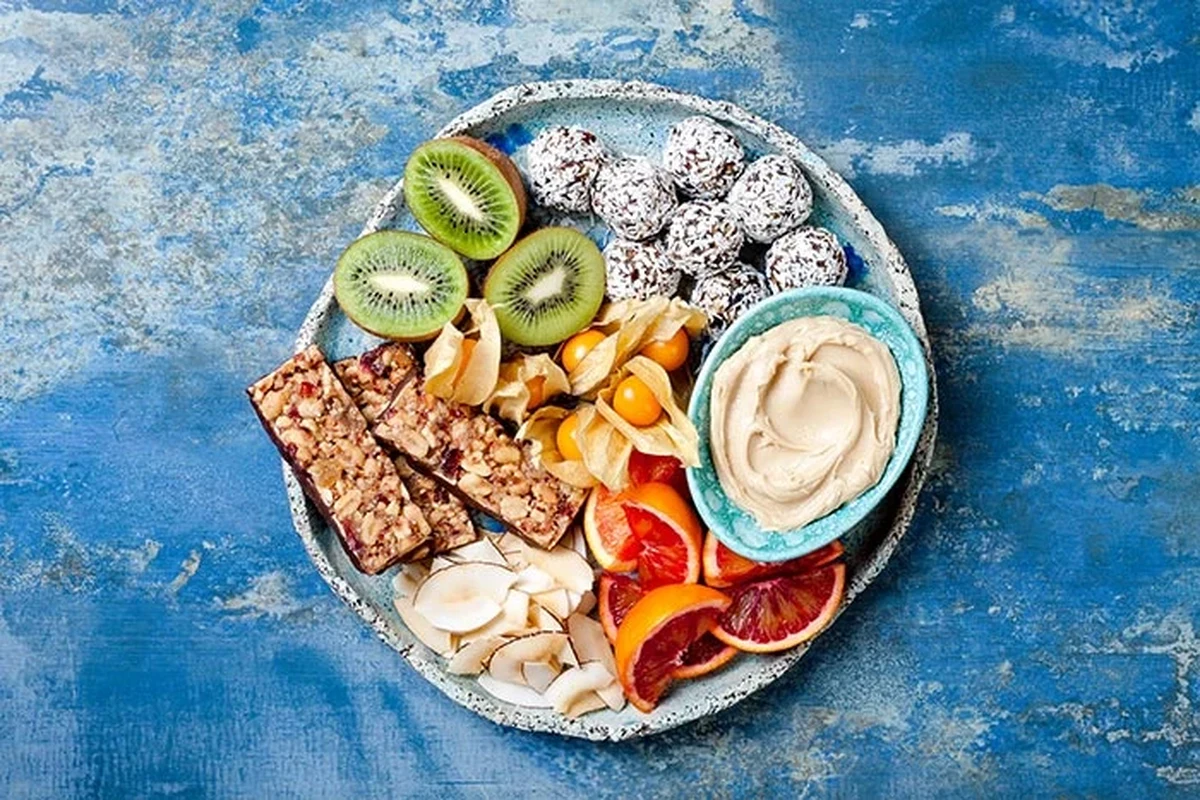
Quick answer: sweet snacks with fewer calories that still satisfy cravings
Low calorie sweet snacks are small, sweet foods made with ingredients that add flavor and texture without piling on excess sugar or fat. They work best when they combine something naturally sweet, something creamy or chewy, and a portion that feels complete instead of endless.
Who this guide is for: weight-conscious eaters, busy families, and snackers in 2026
This guide is for anyone in Belize or anywhere else who wants a practical snack that fits real life: parents packing lunchboxes, office workers needing a quick afternoon bite, and home cooks trying to keep desserts lighter in 2026. It is also useful for people who want better everyday choices without giving up sweet flavors altogether.
What makes a snack “low calorie” without losing flavor
A snack usually feels lighter when it uses more water-rich ingredients, less added sugar, and controlled portions of richer foods. Flavor comes from ripe fruit, spices, citrus, vanilla, and a little dairy or plant-based creaminess rather than heavy syrups or large amounts of butter and oil.
Best Belizean-Friendly Ingredients for Low Calorie Sweet Snacks
Fruit choices: mango, pineapple, papaya, banana, guava, and citrus
Fruit is the easiest base for sweet snacks because it brings natural sweetness, fiber, and moisture. In Belizean kitchens, mango, pineapple, papaya, banana, guava, oranges, limes, and grapefruit can all be used fresh, chilled, or lightly seasoned.
Fruit-forward snacks fit the Street Food & Snacks niche especially well because they are easy to portion, easy to share, and easy to adapt for home or on the go.
Light sweeteners: honey in small amounts, stevia, monk fruit, and allulose
When a recipe needs extra sweetness, use a little honey or a non-sugar sweetener such as stevia, monk fruit, or allulose if it suits your taste and diet. Product labels and sweetness levels vary by brand, so it is worth checking the package directions before swapping one sweetener for another.
Low-calorie texture boosters: yogurt, chia, oats, gelatin, and coconut in moderation
Texture matters because a snack feels more filling when it has body. Plain yogurt, chia seeds, oats, and gelatin can create a thicker bite, while coconut adds flavor but should be used in moderation because it can raise calories quickly.
Choose plain yogurt and add your own fruit or spice so you control sweetness. If you want a creamier result, use a spoonful of yogurt rather than turning the snack into a full dessert bowl.
Flavor builders: cinnamon, vanilla, nutmeg, lime zest, and cacao
Small amounts of strong flavorings help a lighter snack taste more satisfying. Cinnamon, vanilla, nutmeg, lime zest, and unsweetened cacao can make fruit and yogurt taste fuller without relying on extra sugar.
How to Build Sweet Snacks with Fewer Calories
Portion control and balance: sweet, fiber, and protein
The simplest formula is sweet plus fiber plus a little protein or creaminess. Fruit gives sweetness, chia or oats add body, and yogurt or another protein source can help the snack feel more complete between meals.
- Pick one sweet base, one texture ingredient, and one flavor booster.
- Keep portions small enough that the snack satisfies without becoming a full meal.
- Check labels on yogurt, sweeteners, and mix-ins because calories and sugar vary by brand.
Cooking methods that keep calories down: chilling, baking, air-frying, and no-cook prep
Chilling and no-cook prep are the easiest ways to keep snacks light because they avoid added oil and extra fat. Baking or air-frying can also work for fruit-based treats, but the method should stay gentle so the snack does not need a lot of added sugar or topping to taste good.
Swaps that reduce sugar and fat without ruining the snack
Try plain yogurt instead of sweetened yogurt, fresh fruit instead of syrupy canned fruit, and spice blends instead of sugary coatings. If a recipe calls for a rich topping, use a thinner layer or serve it on the side so the snack still feels special.
- Use ripe fruit for better natural sweetness.
- Measure toppings instead of pouring or sprinkling freely.
- Balance sweet snacks with fiber or protein when possible.
- Assuming “healthy” means unlimited portions.
- Replacing sugar but adding lots of cream, coconut, or nut butter.
- Using so many toppings that the snack becomes dessert-heavy again.
Simple Recipe Frameworks for Everyday Snacking
Fruit cups, yogurt parfaits, frozen bites, and chia puddings
These four formats are easy to repeat because they do not require complicated cooking. Fruit cups work well for the fastest snack, yogurt parfaits for something creamy, frozen fruit bites for hot weather, and chia puddings for a make-ahead option that can be portioned into small containers.
Belizean-inspired options: coconut-fruit cups, spice-dusted mango, and lime yogurt bowls
For a Belizean feel, pair fruit with local flavor traditions rather than heavy sweets. Coconut-fruit cups can stay lighter if coconut is used as a garnish, spice-dusted mango can rely on chili, lime, or cinnamon instead of sugar, and lime yogurt bowls can bring brightness without much added sweetness.
If you want more Belizean snack ideas beyond low-calorie options, our Belizean sweet snacks guide and street food snacks collection are useful places to compare flavors and formats.
How to adapt recipes for school snacks, work breaks, and late-night cravings
For school, choose snacks that are easy to pack, not overly messy, and safe to keep chilled if dairy is included. For work breaks, use small containers that feel satisfying but not heavy, and for late-night cravings, keep portions modest so the snack does not become a second dessert.
Common Mistakes That Make “Healthy” Snacks Less Healthy
Hidden calories from toppings, syrups, and oversized portions
Many snacks start light and become calorie-dense once toppings are added freely. Syrups, sweetened condensed milk, whipped toppings, and large handfuls of add-ons can outweigh the benefit of using fruit or yogurt as the base.
Using too much dried fruit, granola, or nut butter
Dried fruit is nutritious but concentrated, so it is easy to overdo. Granola and nut butter can also be part of a balanced snack, but they are best used as accents rather than the main event if the goal is to keep calories down.
Overreliance on artificial sweeteners and weak flavor balance
Non-sugar sweeteners can help reduce added sugar, but they do not automatically make a snack enjoyable. If the flavor is flat, the snack often gets “fixed” with more toppings, so it is better to build in fruit, spice, citrus, and a little creaminess from the start.
If a snack contains dairy, cut fruit, or other perishable ingredients, keep it refrigerated and follow recognized food-safety guidance from the USDA or your local health authority. When in doubt about spoilage, discard the food.
Food Safety, Storage, and Shelf Life
Safe handling for dairy, cut fruit, and chilled desserts
Wash hands, clean cutting surfaces, and keep raw produce separate from foods that are ready to eat. Cut fruit and dairy-based snacks should stay cold, especially in warm weather, and should not sit out for long periods during transport or serving.
How long different snacks keep in the fridge or freezer
Storage time depends on the ingredients, the container, and how cold your refrigerator stays. Fresh fruit cups, yogurt parfaits, and chia puddings usually keep best for a short period, while frozen fruit bites can last longer if they are tightly sealed and protected from freezer burn; always check official food-safety guidance and the specific product label when applicable.
Best containers and signs a snack should be discarded
Use clean, airtight containers that seal well and are sized for single servings whenever possible. Discard any snack that smells sour, looks moldy, has unusual texture, or shows signs of spoilage, and be extra cautious with dairy, eggs, and cut fruit.
When a snack has been left out too long, or you are unsure how it was handled, the safest choice is to throw it away rather than risk foodborne illness.
Value, Substitutions, and Final Recommendation
Budget-friendly ingredient swaps for Belizean households
Budget-friendly snacks often come from simple ingredients already in the kitchen: seasonal fruit, plain yogurt, oats, cinnamon, and lime. If fresh fruit is expensive or unavailable, choose whatever is in season, buy smaller amounts more often, or use frozen fruit where appropriate.
For readers who want to keep snacks affordable and varied, the broader snacks archive can help you mix lighter options with more traditional treats without repeating the same format every day.
How to choose the right snack based on hunger, activity level, and goals
If you are only slightly hungry, a fruit cup or citrus bowl may be enough. If you need something that carries you through a longer gap between meals, choose a snack with more texture and a little protein, such as yogurt with fruit or chia pudding, while still keeping the portion controlled.
Best overall approach: simple, fruit-forward snacks with controlled portions
The most reliable approach is to start with fruit, add one creamy or chewy element, and finish with spice or citrus instead of heavy syrup. That formula keeps the snack easy to prepare, easy to pack, and flexible enough for Belizean tastes, family schedules, and everyday eating in 2026.
- Fruit-based snacks are the easiest low-calorie option because they bring natural sweetness and fiber.
- Yogurt, chia, oats, and citrus help add body and flavor without making snacks too heavy.
- Portion control matters more than any single ingredient swap.
- Keep chilled snacks cold and discard anything that shows spoilage or was left out too long.
Common Questions
A bowl of fresh fruit is the simplest option. Add lime, cinnamon, or a spoonful of yogurt if you want more flavor.
Yes, many can be prepped in advance. Chia pudding, fruit cups, and yogurt parfaits are especially convenient.
Mango, pineapple, papaya, banana, guava, and citrus are all good choices. Use what is ripe and in season for the best flavor.
Not automatically. They can reduce added sugar, but portion size and overall ingredients still matter.
Skip heavy syrups and large toppings. Use fruit, spice, and a little creaminess instead.
Frequently Asked Questions
Fruit cups, yogurt bowls, and chia puddings are easy to prep and pack. They work well when you need something quick but still satisfying.
Use ripe fruit, cinnamon, vanilla, lime zest, or unsweetened cacao. These ingredients add more flavor without making the snack much heavier.
Yes, but only in small amounts. Both are easy to overuse, so treat them like toppings rather than the main base.
Choose plain yogurt when possible so you can control sweetness. Also check the label because calories and added sugar vary by brand.
Storage time varies by ingredient, container, and fridge temperature. Follow USDA or local food-safety guidance and discard anything that smells off or looks spoiled.
Use clean, airtight containers and keep dairy-based snacks cold. If a snack has been left warm for too long, it is safer to throw it away.