Kale and White Bean Salad

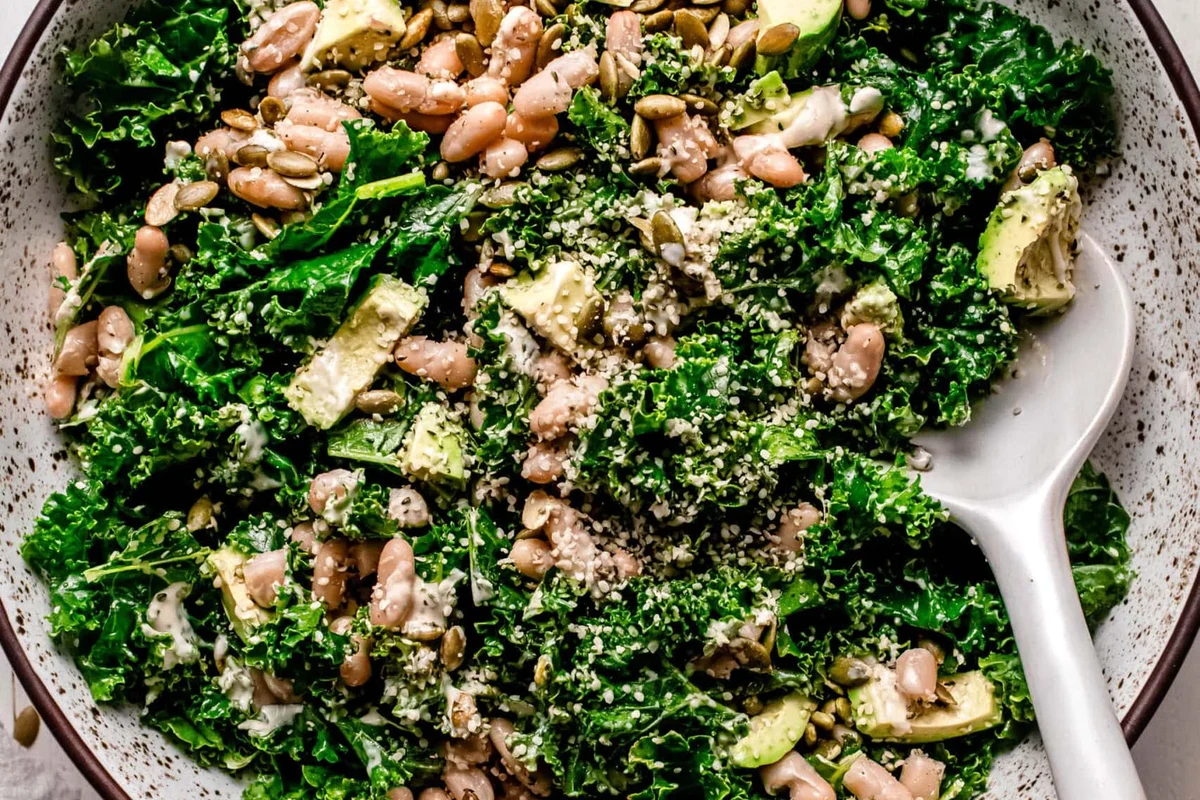
Kale and white bean salad is a nutritious, fiber-rich dish that balances earthy greens with creamy legumes. It is simple to prepare by massaging the kale to improve texture and tossing it with a light, acidic vinaigrette.
Kale and white bean salad is a nutrient-dense, versatile dish that combines earthy, fibrous greens with creamy legumes for a satisfying meal. Whether you are looking for a quick lunch or a hearty side, this salad offers a perfect balance of texture and flavor that remains a popular choice for home cooks in 2026.
- Massaging technique: Always massage kale with oil and salt to break down fibers for a tender.
- Bean prep: Rinse canned beans thoroughly to remove excess sodium and starch before adding to your.
- Storage strategy: Keep your greens and dressing separate until serving to prevent wilting and maintain freshness.
- Versatility: Use this salad as a base for proteins like chicken or fish to turn.
What is a Kale and White Bean Salad?
The Perfect Balance of Texture and Nutrition
At its core, this salad relies on the contrast between the robust, slightly bitter bite of raw kale and the soft, buttery interior of white beans. When prepared correctly, the kale loses its tough, fibrous edge through a simple mechanical process, allowing it to act as a sturdy base that holds up well against dressings and additions. It is an ideal dish for those who prioritize plant-based nutrition without sacrificing satiety.
Why This Dish Fits the Modern Belizean Kitchen
The modern Belizean kitchen values fresh, accessible ingredients that can be adapted to local availability. Kale has become increasingly common in local markets, and white beans—often pantry staples—provide a reliable source of protein. This salad bridges the gap between traditional Caribbean flavors and contemporary wellness-focused cooking, making it an excellent addition to any weekly meal rotation.
Essential Ingredients for the Perfect Salad
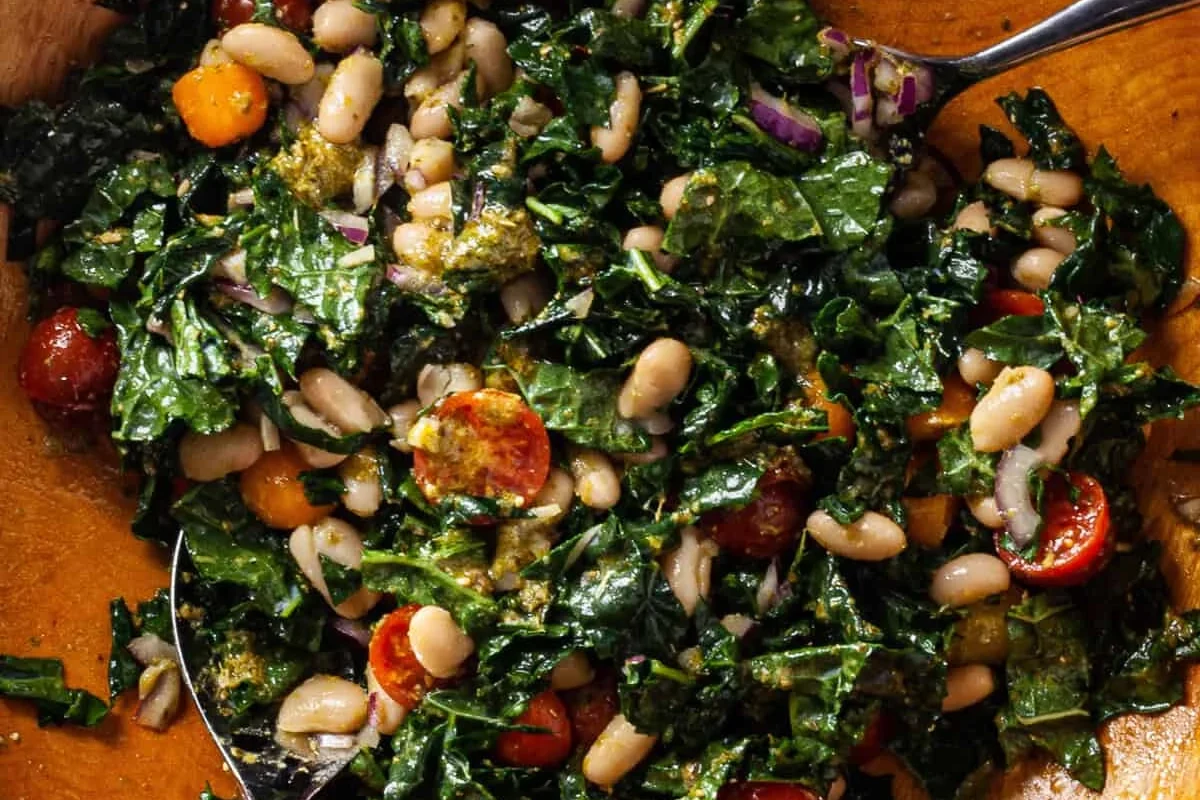
Choosing the Right Kale: Lacinato vs. Curly
Lacinato kale, also known as dinosaur or Tuscan kale, features dark, pebbled leaves that are naturally more tender and easier to massage than curly kale. Curly kale is a classic choice, offering more surface area for dressing to cling to, but it requires a bit more effort to break down. Both varieties work exceptionally well; the choice often comes down to personal texture preference.
Selecting the Best White Beans: Cannellini, Great Northern, or Navy
Cannellini beans are the gold standard for this salad due to their large size and creamy texture. Great Northern beans are a suitable, slightly smaller alternative that holds its shape well, while Navy beans provide a milder flavor and smaller profile. Regardless of the variety, ensure the beans are rinsed thoroughly to remove excess starch and sodium.
The Role of Aromatics and Citrus in Flavor Balancing
Because kale is earthy and beans are mild, the salad requires a bright, acidic component to “wake up” the palate. Freshly squeezed lime or lemon juice acts as the primary acid, while aromatics like minced red onion, garlic, or even a touch of local habanero can provide the necessary complexity.
If you find raw onion too sharp, soak your diced red onion in cold water for 10 minutes before adding it to the salad to mellow the flavor.
Mastering the Preparation: Techniques for Success
The Art of Massaging Kale for Tenderness
Massaging is the most critical step in preparing raw kale. By drizzling the leaves with a small amount of olive oil and salt, then squeezing them firmly with your hands for two to three minutes, you break down the cellulose structure. The result is a vibrant, darker green leaf that is soft to the bite and significantly easier to digest.
Proper Rinsing and Preparation of Canned Beans
Canned beans are convenient but often packed in a thick, starchy liquid. Always drain and rinse them under cool running water until the water runs clear. This step not only improves the flavor but also helps prevent the salad from becoming gummy or overly salty.
Emulsifying the Perfect Vinaigrette
A simple vinaigrette of high-quality olive oil, acid (citrus or vinegar), and a touch of Dijon mustard or local honey creates a stable emulsion. Whisking the ingredients vigorously ensures the dressing coats the leaves evenly rather than pooling at the bottom of the bowl.
Customizing Your Bowl: Substitutions and Variations
Adding Protein Boosters for a Heartier Meal
To turn this side dish into a main, consider adding grilled chicken, flaked fish, or toasted nuts and seeds. These additions introduce a crunch and extra protein that complements the softness of the beans.
Incorporating Belizean Flavors: Tropical Twists and Local Produce
You can elevate the salad by adding diced mango or papaya for a hint of sweetness. For those who enjoy a bit of heat, a finely minced piece of local chili pepper adds a signature warmth that pairs beautifully with the earthy beans.
Dairy-Free and Vegan Modification Strategies
This salad is naturally vegan, making it a safe choice for various dietary needs. To add richness without dairy, consider adding sliced avocado or toasted pumpkin seeds (pepitas) for a creamy, satisfying finish.
- Massage kale until it shrinks in volume.
- Rinse canned beans thoroughly.
- Dress the salad shortly before serving.
- Using tough, un-massaged kale ribs.
- Over-mixing, which turns beans into paste.
- Dressing the salad hours in advance.
Common Mistakes to Avoid
Preventing Tough or Bitter Kale
If the kale remains bitter, it likely hasn’t been massaged long enough or the ribs were not removed. Always strip the leaves from the thick, woody stems, as these never soften adequately even with vigorous massaging.
Avoiding “Mushy” Bean Texture
To keep the beans intact, add them to the bowl only after the kale has been massaged and the dressing has been incorporated. Gentle folding is key; avoid heavy stirring that might crush the legumes.
Achieving the Ideal Dressing-to-Leaf Ratio
Start with less dressing than you think you need. Kale is absorbent, but too much liquid will cause the salad to wilt prematurely. You can always add more, but you cannot remove it once it’s absorbed.
Food Safety and Proper Storage
Washing Procedures for Raw Greens
Always wash kale under cold, running water, even if it is labeled “pre-washed.” Pay special attention to the folds of the leaves where dirt and debris can collect. Dry the leaves thoroughly using a salad spinner or paper towels; excess water on the leaves will dilute your vinaigrette.
Once dressed, this salad should be consumed within 24 hours. If you are meal prepping for the week, store the massaged kale and the dressing separately, combining them only when you are ready to eat.
How to Store Prepped Salad for Maximum Freshness
If you need to prepare the salad in advance, keep the massaged kale in an airtight container in the refrigerator. It can stay fresh for up to three days if kept dry and sealed properly. Keep the beans in a separate container to maintain their texture.
Shelf Life and Indicators of Spoilage
Signs of spoilage include a slimy texture on the leaves, a sour odor, or visible mold. If the beans have become excessively soft or emit a fermented smell, discard the entire portion immediately.
Nutritional Value and Practical Benefits
Fiber, Iron, and Plant-Based Protein Content
Kale is a well-known source of vitamins A, C, and K, while white beans provide a significant amount of dietary fiber and plant-based protein. This combination supports digestive health and provides sustained energy, which is essential for busy days.
Cost-Effectiveness for Family Meal Planning
Canned beans and seasonal kale are among the most budget-friendly ingredients available. This dish allows families to prepare a large volume of food for a relatively low cost, making it a staple for those planning their grocery budget effectively.
Why This Salad Remains a Staple for 2026 and Beyond
As we move through 2026, the focus remains on simple, whole-food recipes that are easy to prepare. The kale and white bean salad continues to be a favorite because it is inherently flexible, requiring no specialized kitchen equipment or complex cooking techniques.
Final Thoughts: Making This Recipe Your Own
The beauty of this salad lies in its simplicity. By mastering the technique of massaging kale and ensuring your beans are properly prepared, you create a blank canvas that welcomes your favorite ingredients. Whether you keep it simple with lemon and olive oil or experiment with tropical fruits and local spices, this salad is designed to adapt to your taste. Start with these foundational steps, and don’t be afraid to adjust the ratios to suit your preferences for the perfect bowl every time.
Frequently Asked Questions
Yes, you can use dried beans, but they must be soaked and cooked until tender before being cooled completely. Ensure they are not overcooked to avoid a mushy texture in the salad.
Massaging the kale with salt and oil is the most effective way to reduce bitterness. Removing all woody stems also significantly improves the flavor profile.
Massaged kale can last up to three days in an airtight container in the refrigerator. Store it without dressing to maintain the best texture.
Absolutely. Cucumbers, bell peppers, and cherry tomatoes add a refreshing crunch that complements the kale and beans perfectly.
Yes, it is excellent for meal prep. Keep the greens, beans, and dressing in separate containers and combine them right before serving to keep everything crisp.
Yes, it is safer to rinse all produce under cold running water before use. This helps remove any potential debris that may have been missed during initial packaging.