How Long to Boil Small Red Potatoes

Small red potatoes typically require 15 to 20 minutes to boil until tender. Start them in a pot of cold, salted water to ensure even cooking throughout the entire potato.
Small red potatoes are a staple in many kitchens due to their creamy texture and ability to hold their shape during cooking. Knowing exactly how long to boil them ensures you achieve that perfect balance between tender centers and intact skins for your favorite salads and side dishes.
- Cold water start: Always begin with cold water to ensure the interior cooks evenly.
- Size consistency: Cut larger potatoes to match the size of smaller ones for uniform timing.
- Salt the water: Add salt early to flavor the potato from the inside during the boiling process.
- Fork test: Rely on a fork or knife to check for tenderness rather than relying solely.
How Long to Boil Small Red Potatoes: The Perfect Timing Guide
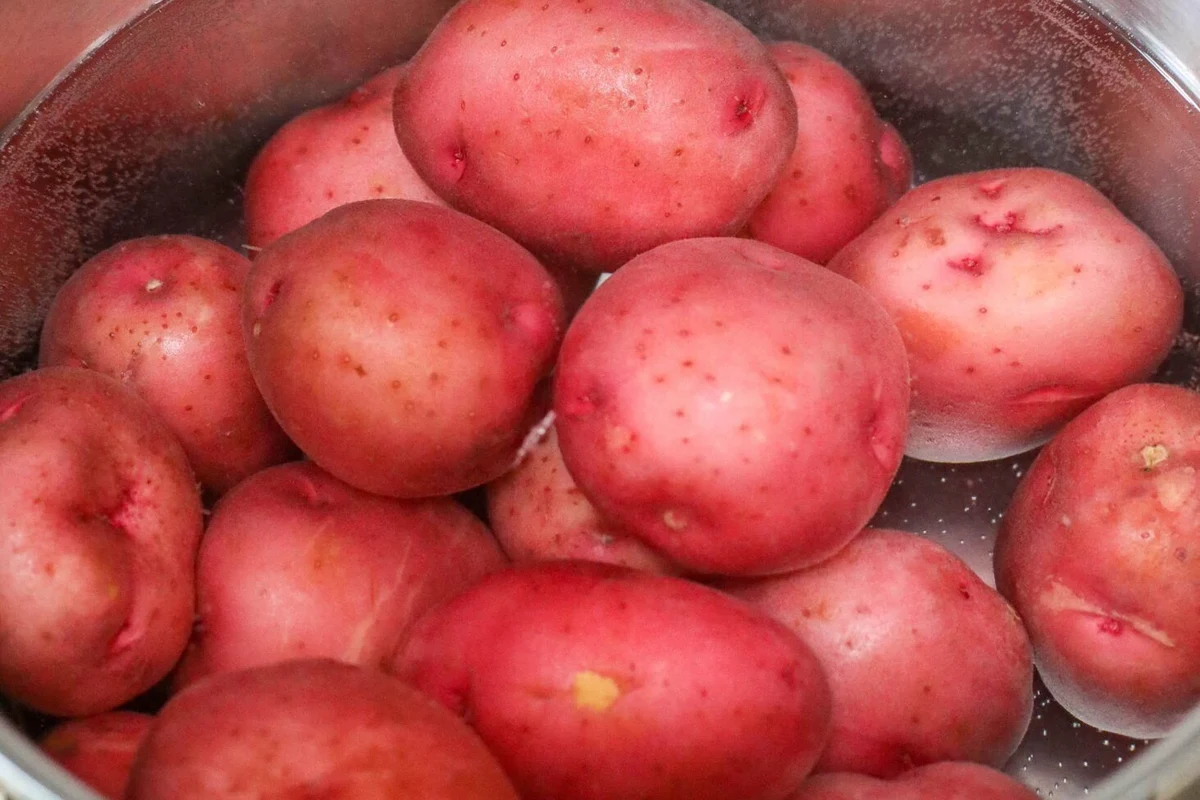
Achieving the perfect boiled potato is less about guesswork and more about understanding the relationship between size, heat, and texture. Whether you are preparing a picnic potato salad or a simple buttered side, consistent timing is the hallmark of a great cook.
The Standard Boiling Window
For most small red potatoes, the boiling window typically ranges from 15 to 20 minutes. This timing assumes you are starting with cold water and bringing the pot to a boil. Once the water reaches a rolling boil, reduce the heat to a simmer to prevent the skins from rupturing before the insides are fully cooked.
Why Size Matters: Adjusting for Potato Diameter
Not all “small” potatoes are created equal. If your potatoes vary significantly in size, the cooking time will fluctuate. As a rule of thumb, a potato about 1.5 inches in diameter will be ready near the 15-minute mark, while those closer to 2 inches may require the full 20 minutes. Consistency in prep is your best tool for ensuring every piece in the pot reaches doneness at the same time.
Understanding Small Red Potatoes: What They Are and Why They Shine
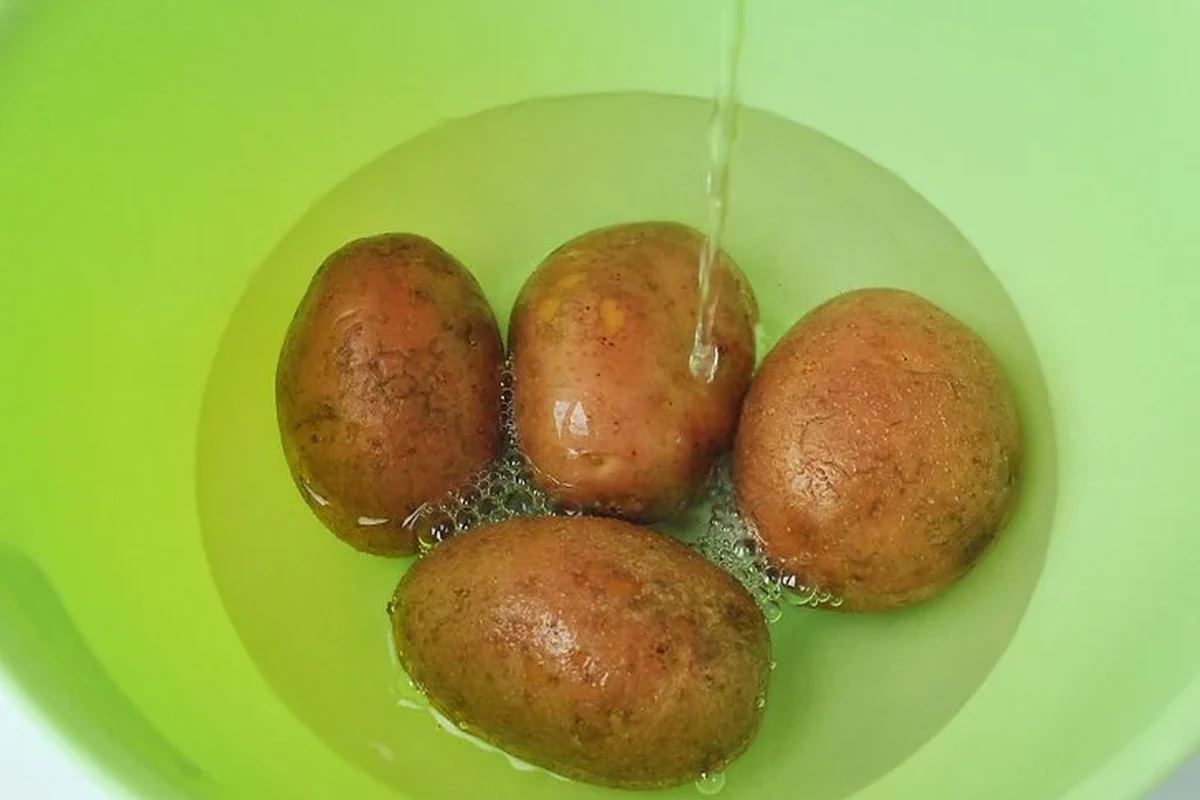
Small red potatoes are classified as “waxy” potatoes. Unlike starchy varieties like Russets, which fall apart easily when boiled, red potatoes contain less starch and higher moisture content. This structure is exactly what makes them the gold standard for recipes that require the potato to maintain its form after being cooked.
Key Characteristics: Waxy Texture and Thin Skin
The thin, vibrant red skin is edible and adds a lovely pop of color to any dish. Because the skin is so delicate, you rarely need to peel them. This saves time during prep and adds a pleasant, subtle texture to your finished side dishes.
Nutritional Profile and Culinary Suitability
Beyond their culinary appeal, these potatoes are a versatile base for nutrient-dense sides. When boiled, they retain their shape well, making them ideal for dishes where you want defined chunks. Just as you might track your car maintenance tasks to keep your vehicle running smoothly, keeping a simple note of your preferred boiling times will help you achieve consistent results in your kitchen every time you cook.
Always choose potatoes that are firm to the touch and free of green spots or sprouts. Freshness is key to flavor and texture.
Step-by-Step Technique: How to Boil Small Red Potatoes Like a Pro
Scrub the potatoes under cool running water to remove dirt. If the potatoes are significantly different in size, cut the larger ones so all pieces are roughly uniform.
Place the potatoes in a pot and cover them with cold water by about an inch. Starting in cold water allows the potato to heat gradually, ensuring the center cooks at the same rate as the exterior.
Add a generous pinch of salt to the water. This is your only chance to season the potato from the inside out.
Doneness Cues: How to Know When They Are Ready
The Fork-Test Technique
The most reliable way to check for doneness is the fork test. Insert a paring knife or fork into the center of a potato; if it slides in and out with very little resistance, the potato is ready. If you feel a hard core, give it another 2–3 minutes.
Visual Indicators: Skin Splitting and Texture Changes
Keep a watchful eye on the skins. A very slight splitting of the skin is a good indicator that the potato is tender, but if the skin begins to peel back entirely, you are approaching the overcooked stage.
Always use caution when draining boiling water. Use a sturdy colander and point the steam away from your face to prevent burns.
Common Mistakes to Avoid in the Kitchen
- Use uniform sizes for even cooking.
- Salt the water generously.
- Drain immediately once tender.
- Starting with boiling water (leads to uneven cooking).
- Overcrowding the pot.
- Leaving them in the hot water after turning off the heat.
Storage, Safety, and Reheating Best Practices
Proper storage is essential for food safety. If you have leftovers, allow them to cool to room temperature before transferring them to an airtight container. According to standard food safety guidelines, cooked potatoes should be refrigerated within two hours of cooking and consumed within 3–4 days.
Reheating Techniques
When reheating, avoid the microwave if you want to maintain the texture, as it can turn them rubbery. A quick sauté in a pan with a little olive oil or butter is an excellent way to refresh them while adding a nice crisp edge. Much like ensuring you have the right emergency kit supplies in your car for safety, knowing how to store your food correctly ensures you always have a safe, quick side dish ready to go.
Culinary Applications and Serving Suggestions
Boiled red potatoes are the backbone of many classic sides. Because they hold their shape, they are perfect for mayonnaise-based salads or herb-infused oil dressings. In 2026, many home cooks are opting for lighter, vinaigrette-based potato salads that highlight the natural earthiness of the red potato without the heaviness of traditional dressings.
If you cannot find red potatoes, Yukon Golds are the best substitute. They are slightly starchier but still hold their shape well when boiled.
Final Recommendation: Achieving Consistency Every Time
To master the boil, focus on the cold-water start and consistent potato sizing. By keeping a close eye on the fork-test starting at the 15-minute mark, you eliminate the risk of mushy potatoes. Remember that even the most experienced cooks rely on these fundamental techniques to ensure their sides are perfect every time. Just as you might check how long car components last to plan your maintenance, tracking your cooking times will lead to better results in your kitchen.
Frequently Asked Questions
Small red potatoes typically take 15 to 20 minutes to boil. The exact time depends on the size of the potatoes and whether you start them in cold or boiling water.
Always start with cold water. This allows the potatoes to heat up gradually, ensuring the center cooks evenly without the outside falling apart.
No, you do not need to peel them. The skin of a red potato is thin and delicate, making it perfectly edible and a great source of added texture.
Use the fork test: insert a fork or knife into the center of the largest potato. If it slides in and out with no resistance, they are finished.
Yes, store them in an airtight container in the refrigerator. They are best consumed within 3 to 4 days for optimal quality and safety.
If they become too soft, they are perfect for mashing. Simply toss them with butter, herbs, or cream to create a rustic smashed potato side dish.