How Long Should Chicken Be Boiled

Boneless chicken breasts should be boiled for 12 to 15 minutes, while bone-in pieces require 25 to 30 minutes. Always ensure the internal temperature reaches 165°F to guarantee it is safely cooked.
Boiling chicken is a foundational culinary skill that serves as the starting point for countless meals, from hearty soups to quick shredded salads. Knowing exactly how long to boil chicken ensures you achieve perfectly tender meat without the risk of overcooking or under-processing your ingredients.
- Temperature Control: Use a gentle simmer rather than a hard boil to keep meat tender.
- Safety First: Always confirm the internal temperature reaches 165°F with a food thermometer.
- Flavor Infusion: Add aromatics like garlic and herbs to your water to boost the chicken’s flavor.
- Resting Period: Let the chicken rest for 5 minutes after boiling to retain natural juices.
How Long Should Chicken Be Boiled: The Essential Timing Guide
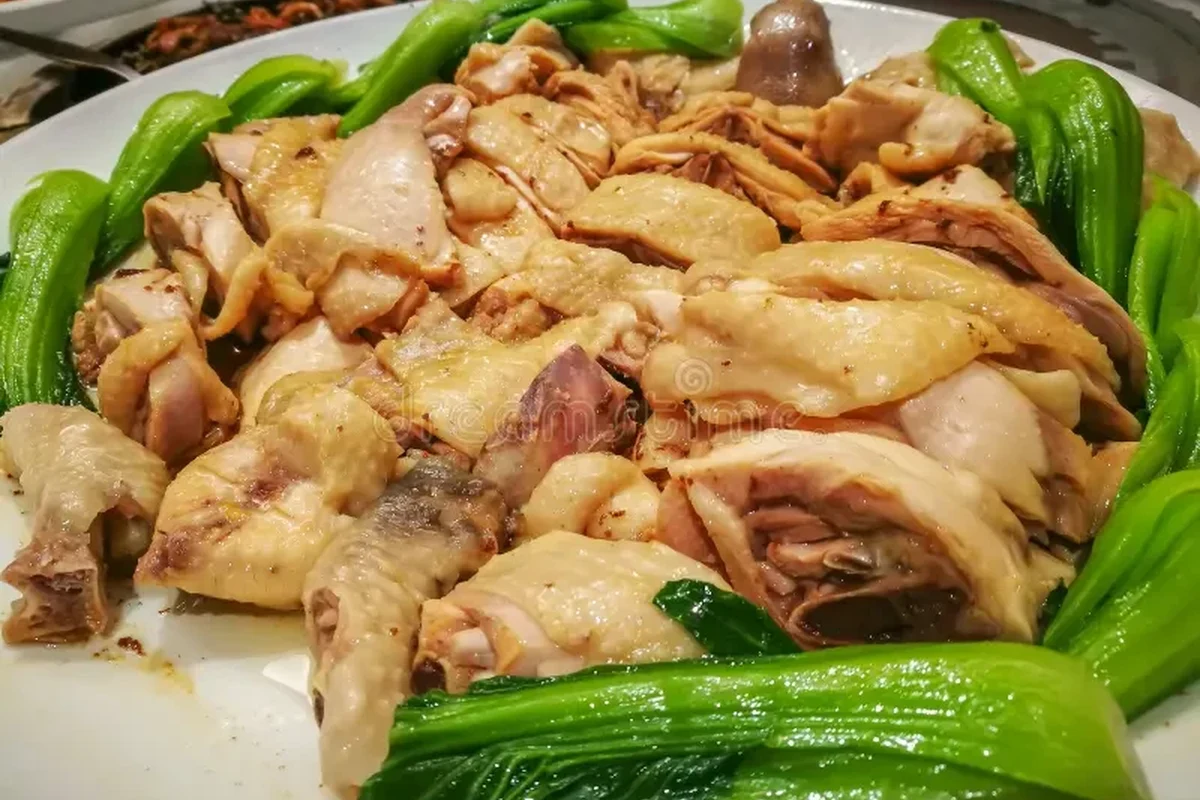
The time required to boil chicken depends primarily on the cut, size, and whether the meat is bone-in or boneless. As a general rule of thumb for 2026 home cooking, boneless chicken breasts take approximately 12 to 15 minutes, while bone-in pieces like thighs or legs require 25 to 30 minutes to reach safe internal temperatures.
The Science of Poaching vs. Boiling
While we often use the term “boiling,” the most effective way to cook chicken in liquid is actually a gentle simmer or “poaching.” A rolling boil can lead to tough, rubbery fibers as the intense heat constricts the proteins too quickly. By keeping the liquid at a gentle bubble, you allow the heat to penetrate the center of the meat evenly while maintaining moisture.
Who Should Use This Technique?
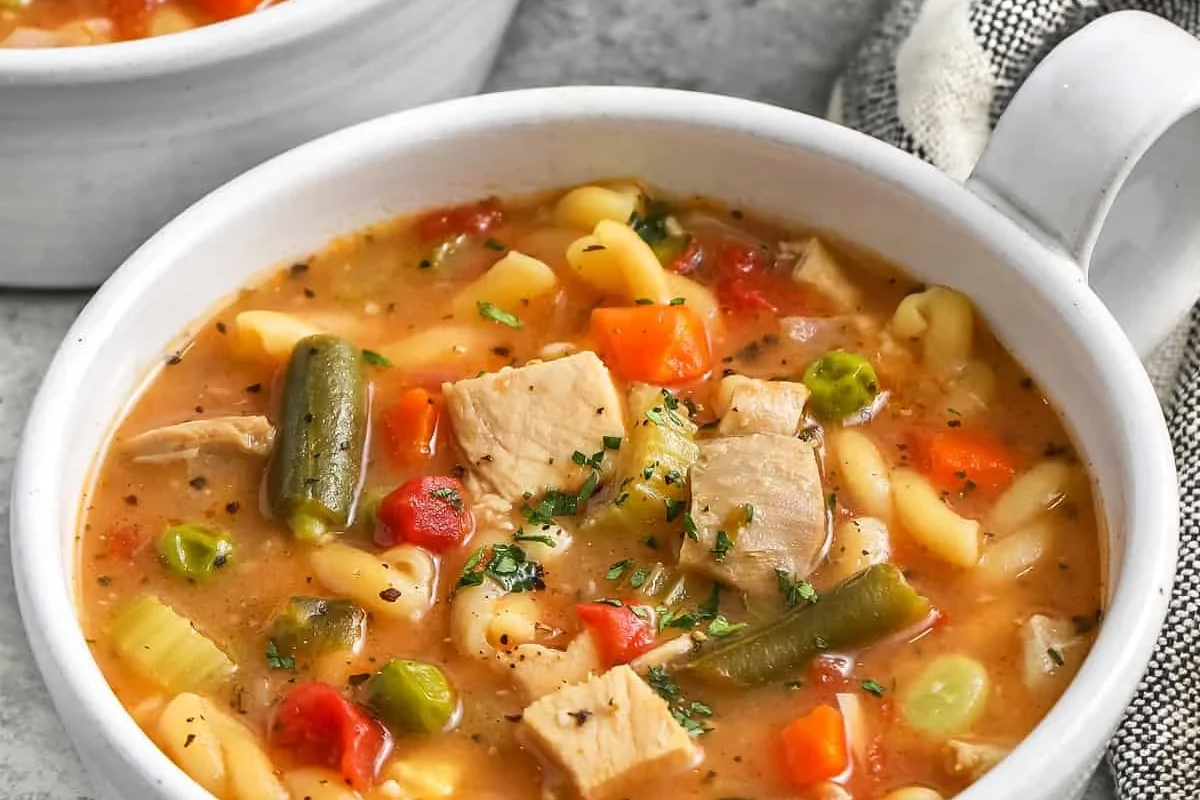
This method is ideal for meal preppers looking to create versatile staples for the week. Whether you are preparing Zupas chicken noodle soup or simply need shredded chicken for tacos, mastering this technique provides a clean, neutral base that absorbs flavors from your seasoning aromatics.
The Golden Rule: How Long to Boil Chicken for Perfect Results
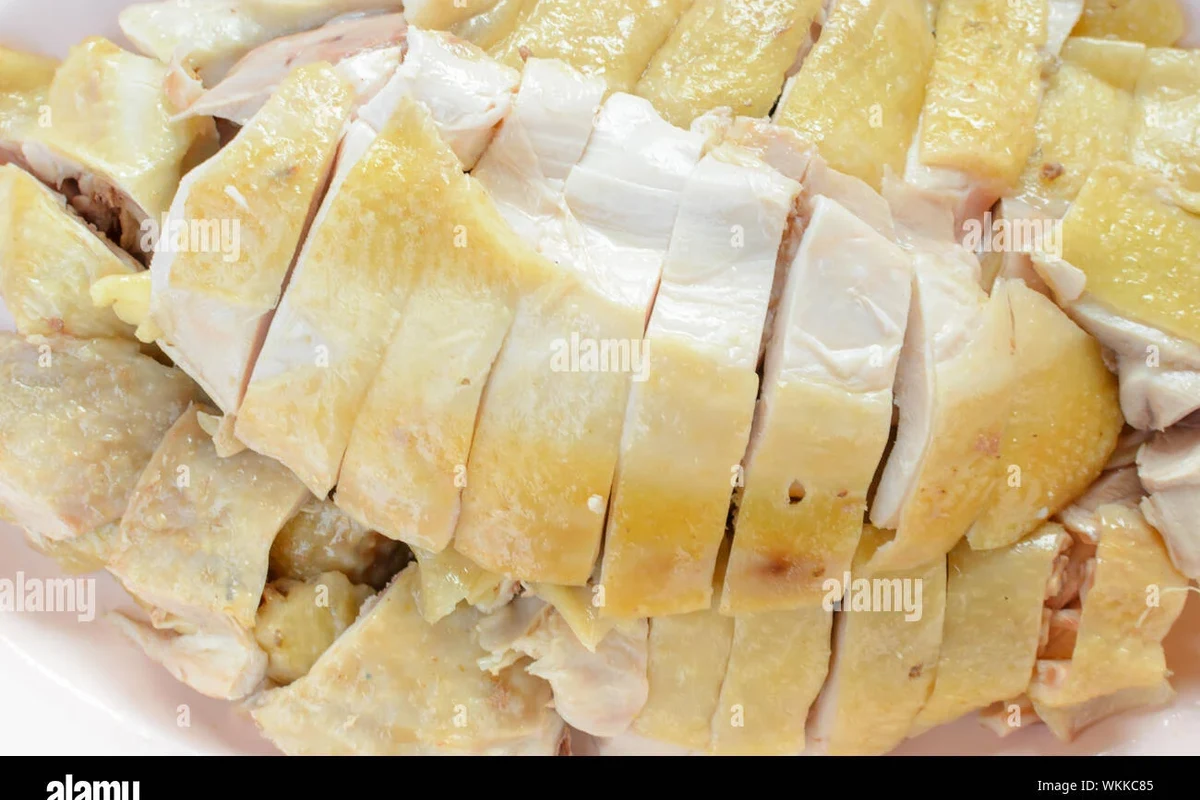
Determining Time Based on Cut and Size
The thickness of the meat is the most critical factor in your timing. Smaller, uniform chunks will cook faster than a whole breast. Always aim for consistent sizing to ensure that your chicken finishes cooking at the same time.
| Chicken Cut | Approximate Time |
|---|---|
| Boneless Breasts | 12–15 Minutes |
| Boneless Thighs | 15–18 Minutes |
| Bone-in Thighs/Legs | 25–30 Minutes |
| Whole Chicken (parts) | 40–50 Minutes |
The Internal Temperature Standard: Safety First
Regardless of the time on the clock, the only definitive way to ensure your chicken is safe to eat is by using a food thermometer. According to food safety standards, all poultry must reach an internal temperature of 165°F (74°C) at its thickest part.
Always insert the thermometer into the thickest part of the meat, ensuring it does not touch bone, as this can give a false reading.
Selecting Your Chicken: Quality and Preparation Criteria
Fresh vs. Frozen: Decision Criteria for the Home Cook
While it is technically possible to boil frozen chicken, it is generally discouraged for uniform results. Frozen chicken releases extra water as it cooks, which can dilute your broth and lead to uneven texture. If you must use frozen, increase your cooking time by 50% and ensure the center reaches the 165°F threshold.
Preparation Steps: Cleaning and Seasoning for Flavor Extraction
Before the chicken hits the pot, ensure it is properly prepared. Trim excess fat, which can make the poaching liquid greasy. If you are creating a base for a dish like chicken papaya curry, consider adding aromatics like onions, garlic, peppercorns, and bay leaves to the water to infuse the meat with flavor during the process.
Step-by-Step Technique: The BelizeanRecipe Boiling Process
Bring a pot of water or stock to a boil, then reduce the heat to a low simmer.
Add salt, herbs, and vegetables to the water to build a foundation of flavor.
Place the chicken in the liquid, ensuring it is fully covered.
Cook until the internal temperature reaches 165°F, skimming any foam that rises to the surface.
Common Mistakes That Lead to Tough or Stringy Meat
The most common error is using too much heat. A vigorous boil causes the proteins to seize, resulting in a dry, stringy texture. Additionally, overcrowding the pot can lower the water temperature too quickly, leading to uneven cooking.
Food Safety and Handling: Best Practices for 2026
- Use a digital thermometer to verify doneness.
- Allow the chicken to rest for 5 minutes before shredding.
- Keep raw chicken separate from other ingredients.
- Do not rinse raw chicken, as this splashes bacteria.
- Do not leave cooked chicken at room temperature for over 2 hours.
Storage, Preservation, and Reheating
Proper storage is essential to maintain quality. Once cooked, let the chicken cool slightly before placing it in an airtight container. It can be stored in the refrigerator for 3 to 4 days. If you have extra, the liquid can be used as a base for chicken leek and potato soup, which freezes exceptionally well.
Troubleshooting and Tips for Better Flavor
If your chicken tastes bland, it likely lacked enough salt or aromatics in the poaching liquid. To rescue overboiled chicken, shred it finely and mix it with a sauce or dressing to reintroduce moisture. If the chicken is undercooked, return it to the liquid immediately and continue simmering until it passes the safety check.
Final Recommendation: Mastering the Boil for Your Culinary Toolkit
Boiling is not just a basic step; it is the secret to consistent meal preparation. By prioritizing a gentle simmer over a hard boil and always verifying the internal temperature with a thermometer, you can ensure your chicken remains juicy and flavorful. Whether you are building a complex soup or a simple salad, this method provides the reliability you need in a modern kitchen.
Common Questions
Boneless chicken breasts typically take 12 to 15 minutes to reach the safe internal temperature of 165°F.
No, a gentle simmer is preferred over a rolling boil to prevent the meat from becoming tough and stringy.
Use a digital food thermometer inserted into the thickest part of the meat to ensure it reads 165°F.
Removing the skin is recommended to prevent the poaching liquid from becoming overly greasy.
Yes, the poaching liquid is essentially a light chicken stock and can be used as a base for soups or sauces.
Frequently Asked Questions
The only reliable method is to use a food thermometer to ensure the internal temperature has reached 165°F (74°C) at the thickest part.
Yes, you can, but it is not recommended for the best texture. You will need to increase your cooking time by approximately 50% compared to fresh chicken.
This usually happens because the water was at a rolling boil rather than a gentle simmer. High, aggressive heat causes the muscle fibers in the chicken to tighten and lose moisture.
Cooked chicken can be safely stored in an airtight container in the refrigerator for 3 to 4 days.
Yes, adding salt and aromatics to your water is crucial for seasoning the meat from the inside out while it cooks.
Reheat it gently in a small amount of broth or sauce over low heat, or use a microwave on a lower power setting with a splash of water.