How Do You Broil Chicken

To broil chicken, place seasoned pieces on a rack-fitted pan 4 to 6 inches from the top heating element. Cook under high heat for 10–15 minutes, flipping once, until the thickest part reaches an internal temperature of 165°F.
Broiling chicken is a high-heat technique that uses direct radiant heat from the top of your oven to achieve a crispy, golden-brown exterior while locking in juices. By mastering this method, you can create restaurant-quality results in your own kitchen, similar to the savory char found in a classic Belizean BBQ chicken recipe.
- Direct Heat: Broiling uses the top heating element for a quick, crispy sear.
- Distance Matters: Keep chicken 4–6 inches from the element to ensure even cooking.
- Safety First: Always verify an internal temperature of 165°F with a thermometer.
- Dry Surface: Pat chicken dry before cooking to ensure proper caramelization.
What is Broiling and Why Does It Work for Chicken?
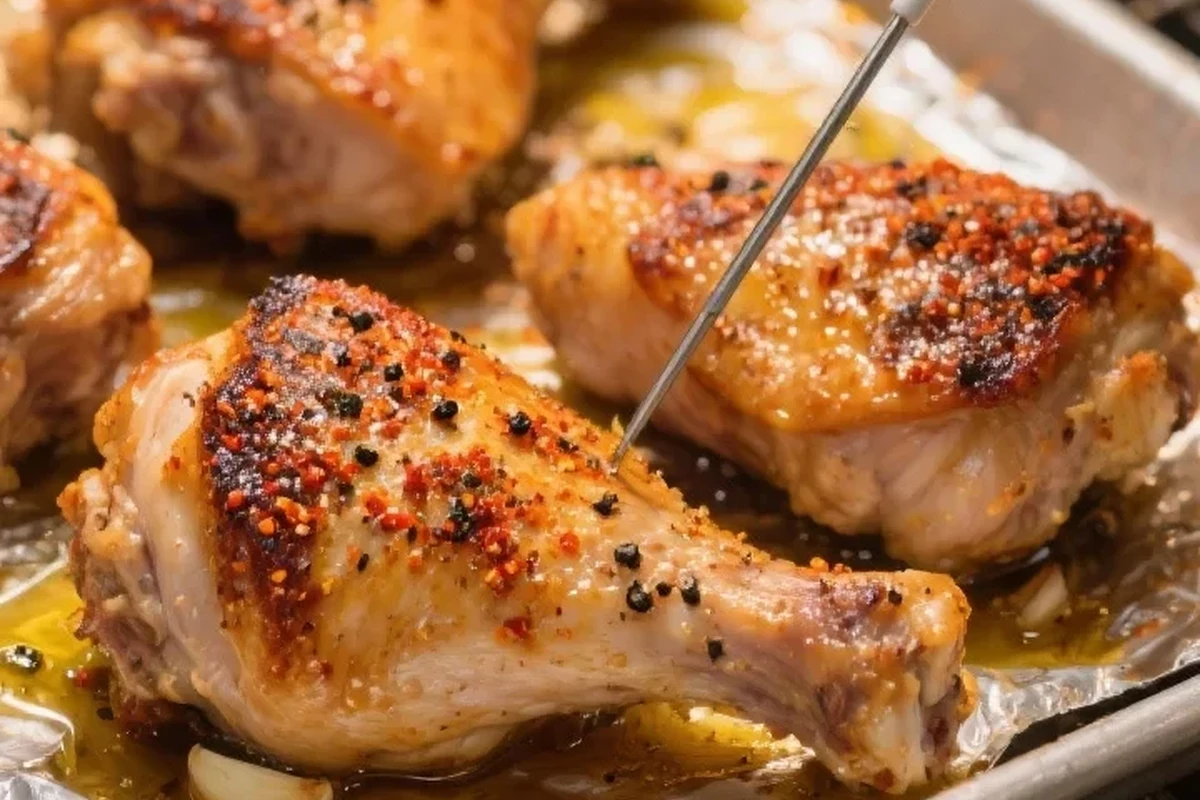
Broiling is essentially the inverse of grilling. Instead of heat coming from below, the heating element (gas or electric) at the top of your oven radiates intense, direct heat downward. This environment is perfect for chicken because it rapidly browns the skin or surface, creating a delicious Maillard reaction without needing hours of slow roasting.
The Science of Direct Radiant Heat
When you broil, the infrared energy generated by the heating element interacts directly with the surface of the meat. Because the temperature is significantly higher than standard baking, the surface moisture evaporates quickly, allowing for rapid caramelization. This is why broiled chicken develops a distinct, savory crust that is difficult to replicate with lower-heat methods.
Broiling vs. Baking: Understanding the Difference
While baking relies on circulating hot air to cook food evenly over a longer duration, broiling is a “fast and furious” approach. Baking is ideal for whole birds or thick cuts that need to cook through to the bone without burning, whereas broiling is best suited for thinner cuts like boneless breasts, thighs, or wings. If you are looking for an alternative for thicker cuts, you might consider the convenience of air fryer chicken thighs.
Essential Equipment for Broiling Success
Choosing the Right Pan: Broiler Pans vs. Sheet Pans
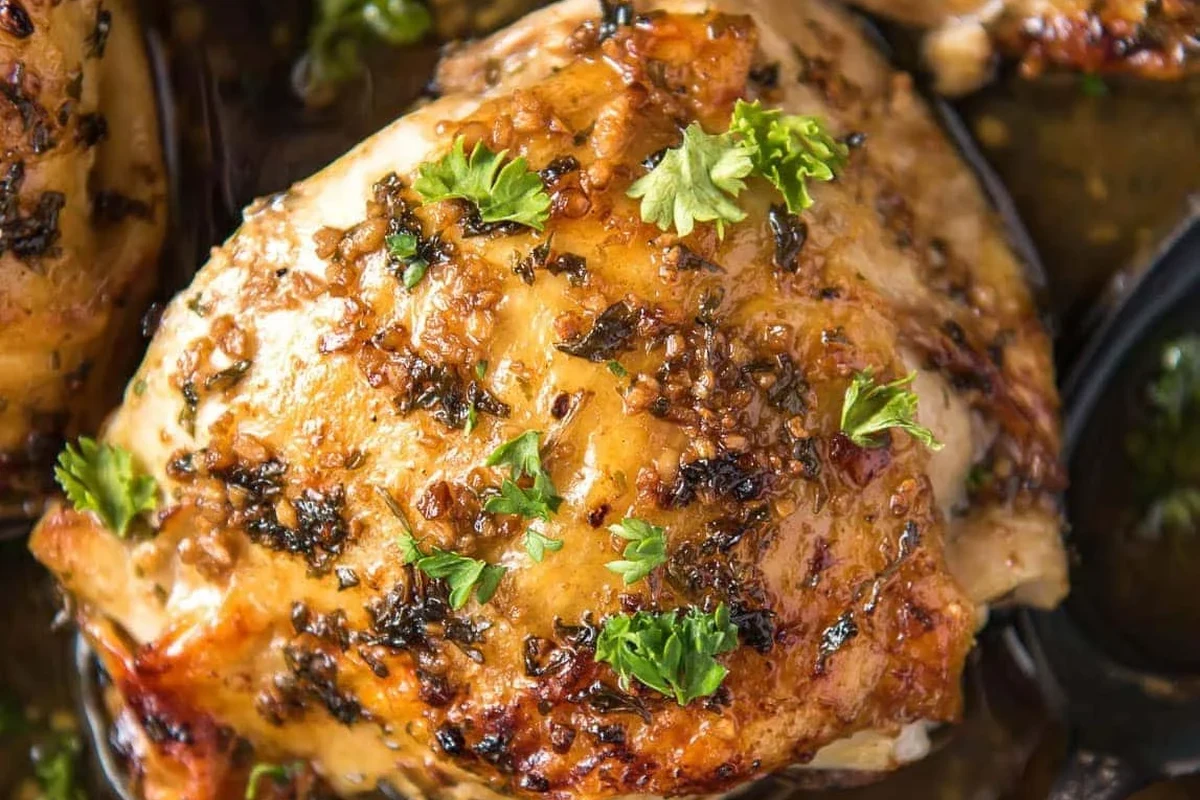
A dedicated broiler pan—which includes a slotted top tray—is ideal because it allows fat to drip away from the chicken, preventing flare-ups and allowing hot air to circulate underneath. If you don’t have one, a heavy-duty rimmed baking sheet fitted with an oven-safe wire rack works perfectly. Avoid using lightweight pans, as the high heat can cause them to warp.
Safety and Ventilation: Managing High-Heat Cooking
Broiling generates significant smoke, especially when fat renders. Ensure your kitchen is well-ventilated by turning on your oven hood fan to its highest setting. Always keep a close eye on the oven; because of the intensity of the heat, food can go from perfectly golden to burnt in a matter of seconds.
How Do You Broil Chicken: A Step-by-Step Technique
The BelizeanRecipe Signature Broiled Chicken Rub
For a Caribbean-inspired profile, combine smoked paprika, dried oregano, garlic powder, onion powder, a pinch of brown sugar, and sea salt. This blend balances savory notes with the slight sweetness needed for that beautiful mahogany finish.
Avoid using sugary BBQ sauces at the start of the broiling process, as the high heat will cause the sugars to blacken and taste bitter. Instead, brush the sauce on during the last 2 minutes of cooking.
Common Mistakes to Avoid When Broiling Chicken
- Use an instant-read thermometer to verify doneness.
- Keep the oven door cracked if your specific oven manual recommends it.
- Overcrowding the pan, which creates steam rather than a sear.
- Using oils with low smoke points like extra virgin olive oil.
Food Safety, Storage, and Reheating
According to USDA guidelines, chicken must reach an internal temperature of 165°F (74°C) to be safely consumed. Always measure at the thickest part of the meat.
If you have leftovers, store them in an airtight container in the refrigerator for up to 3–4 days. To reheat without drying the chicken out, place it in a skillet over medium-low heat with a tablespoon of water or broth, covering it to steam-reheat it gently.
Troubleshooting: Why is My Chicken Burning or Raw?
If your chicken is charring on the outside but remains raw inside, your rack is likely too high. Lower it by one position. If the chicken seems to be boiling in its own juices, you likely have too much chicken on the pan; give the pieces more breathing room so the heat can reach the surface effectively.
Final Recommendations: Is Broiling Right for Your Kitchen?
Broiling is an excellent, time-efficient method for those who love crispy, flavorful chicken. While it requires your active attention, the results are unmatched for quick weeknight meals. If you are preparing larger, thicker cuts, you may find that traditional roasting or using a Belizean curry chicken recipe provides a more consistent, stress-free experience. However, for thin cutlets or wings, the broiler remains a staple tool in any home cook’s arsenal.
Common Questions
Place your oven rack in the upper third of the oven, typically 4 to 6 inches from the broiler element.
Yes, flipping halfway through ensures that both sides develop a uniform golden color and cook evenly.
You can line the bottom of your pan with foil for easier cleanup, but avoid wrapping the chicken in it, as that will steam the meat.
Broiling is a healthy method because it allows excess fat to drip away from the meat during the cooking process.
The only reliable way to know is by using an instant-read thermometer to check that the internal temperature has reached 165°F.
Frequently Asked Questions
Thin cuts like breasts or thighs usually take 10–15 minutes total, flipping halfway through. Always use a thermometer to ensure the internal temperature reaches 165°F.
Some older gas ovens require the door to be cracked to prevent the broiler from shutting off due to overheating. Check your specific appliance manual for manufacturer instructions.
It is difficult to broil bone-in chicken because the meat near the bone takes longer to cook. If you try, use a lower rack position and a lower temperature to prevent the skin from burning before the center is ready.
Use high-smoke-point oils such as avocado oil, grapeseed oil, or refined coconut oil. Avoid extra virgin olive oil, as it will smoke excessively under the broiler.
Excessive smoke is usually caused by rendered fat dripping onto a hot pan and burning. Use a broiler pan with a rack to allow fat to drain away, and trim excess skin or fat before cooking.
Marinating adds flavor, but be sure to pat the chicken dry before it goes under the broiler. Excess liquid on the surface will steam the chicken instead of allowing it to develop a golden crust.
Similar Posts
Butternut Squash Leek Soup Recipe | Creamy, Healthy & Easy Homemade Soup

Learn to make a velvety, flavor-rich butternut squash leek soup. Our guide covers roasting, prepping, and perfecting this seasonal comfort bowl.
Beef Soup Bones: Best Types, Benefits & How to Make Rich Broth (2026)
Learn how to select, prepare, and simmer beef soup bones for the perfect authentic Belizean soup. Master the art of the slow-simmer for rich, flavorful results.
Alison Roman Matzo Ball Soup Recipe: Tips for Light & Fluffy Dumplings
Master Alison Roman’s matzo ball soup with our expert guide on achieving the perfect light, fluffy texture, broth clarity, and storage tips for 2026.
What Is French Onion Soup in French? Authentic Name, Meaning & Recipe Guide
Discover what French onion soup is called in French, its history, and how to master the perfect gratinée at home with our essential guide.
Turkey Soup with Leftovers: Easy Homemade Turkey Soup Recipe & Tips
Learn how to make a flavorful turkey soup with leftovers. Discover tips for the perfect broth, Belizean-inspired variations, and essential food safety steps.
10 Best Large Trays for Automotive Care and Vehicle Maintenance
Compare 10 large trays for automotive care, parts sorting, and spill control. See top picks, key buying tips, and fitment guidance.