Honey Mustard Chicken Salad

Honey mustard chicken salad combines pan-seared, seasoned chicken with fresh vegetables and a tangy, emulsified dressing. It is a perfect, protein-rich meal-prep option for a healthy 2026 diet.
Honey mustard chicken salad is a versatile, high-protein dish that pairs succulent pan-seared poultry with a tangy, emulsified dressing and fresh, crisp garden vegetables. It serves as a staple for lunch or dinner in the 2026 home kitchen, balancing bold flavors with satisfying textures.
- Doneness Cue: Always verify that chicken reaches an internal temperature of 165°F (74°C).
- Emulsion Secret: Whisk oil into your mustard-honey base in a thin, slow stream to ensure a.
- Texture Maintenance: Store your protein, greens, and dressing separately to prevent the salad from becoming soggy.
- Prep Efficiency: Cook chicken in advance to build quick, healthy lunches throughout the busy work week.
What Is Honey Mustard Chicken Salad? The Ultimate Belizean-Inspired Twist
Defining the Perfect Balance of Sweet and Tangy
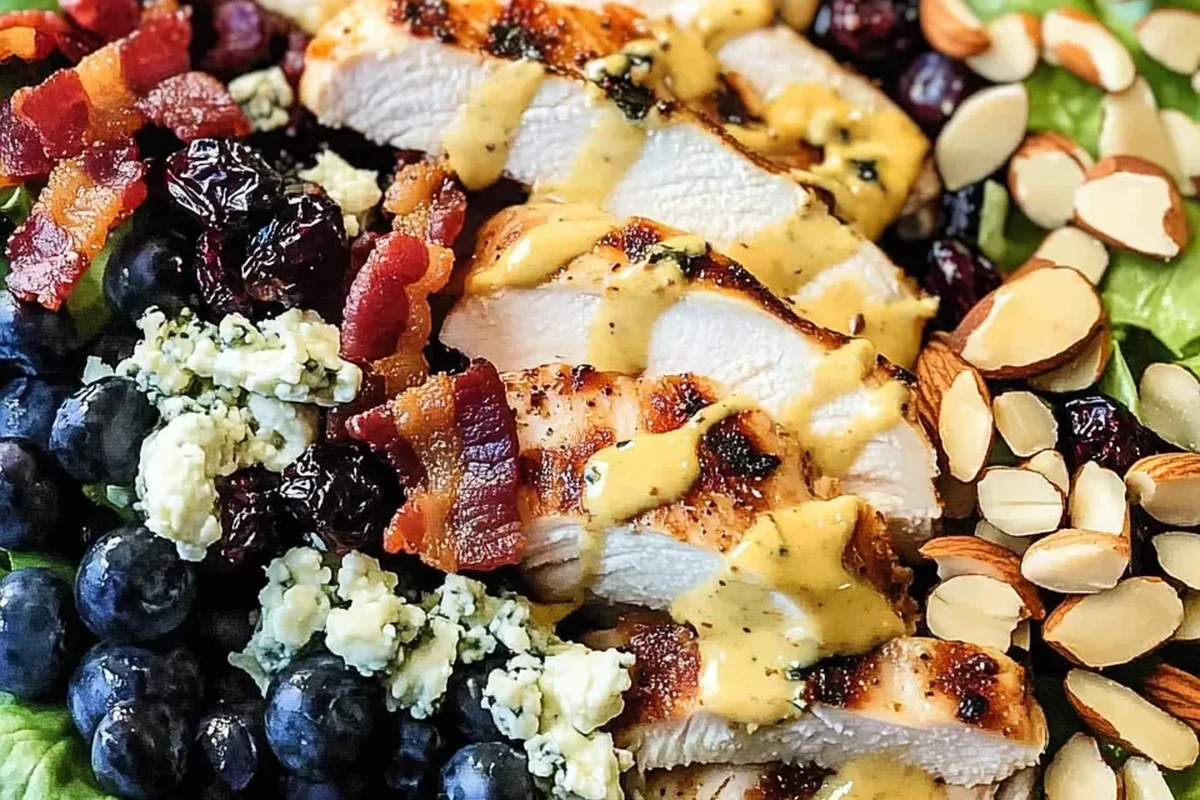
At its core, this salad relies on the contrast between the savory, golden-brown crust of seasoned chicken and the zesty profile of a classic honey mustard dressing. The “Belizean-inspired” twist often involves incorporating locally accessible aromatics or a hint of heat—like a subtle touch of habanero-infused honey or fresh local citrus—to elevate the standard flavor profile. The goal is to achieve a dressing that coats the greens without weighing them down, ensuring the sweetness of the honey never masks the sharp bite of the mustard.
Why This Salad Fits the Modern Belizean Kitchen
In 2026, home cooks are prioritizing efficiency without sacrificing quality. This salad is a meal-prep powerhouse; by preparing the protein and dressing in advance, you can assemble a nutrient-dense meal in minutes. It utilizes ingredients commonly found in our markets, making it a sustainable choice for those looking to support local produce while maintaining a healthy, balanced diet.
Essential Ingredients for a Restaurant-Quality Salad
Selecting the Best Chicken Cuts for Maximum Juiciness
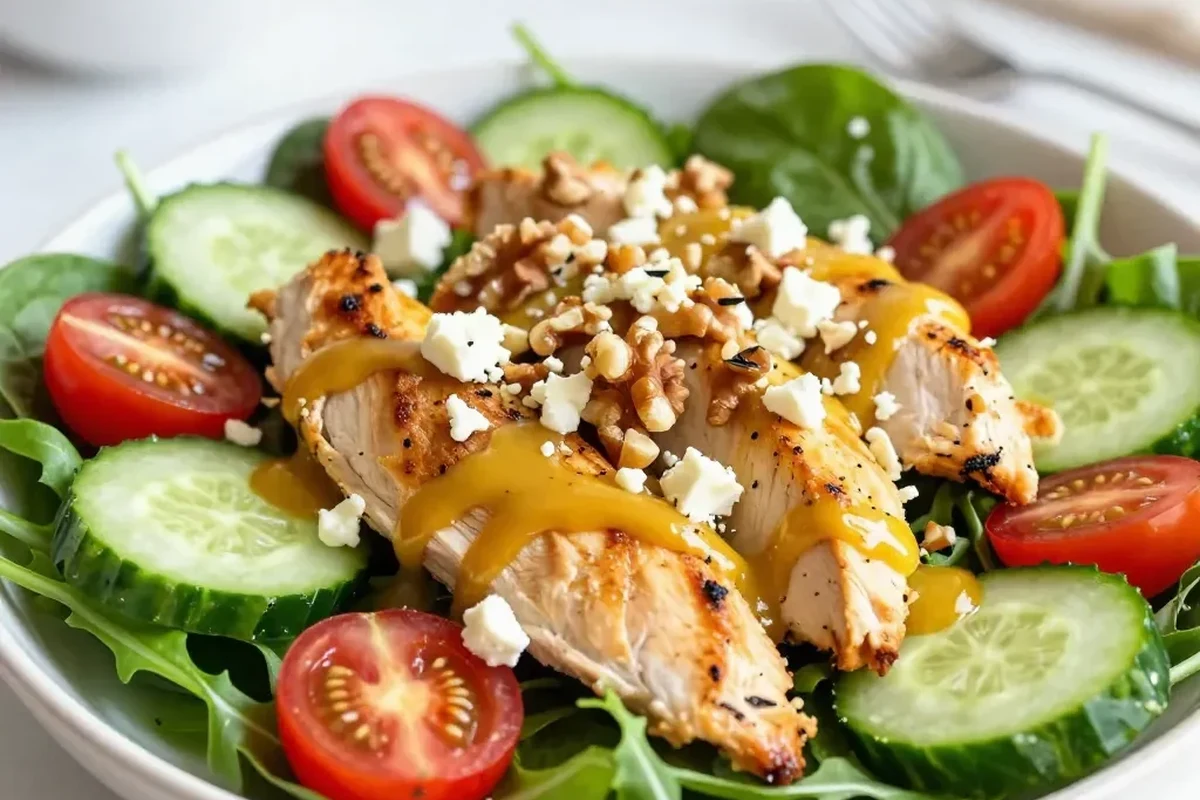
Boneless, skinless chicken breasts are the standard choice for their lean profile, but chicken thighs offer a superior, more forgiving texture that remains juicy even if slightly overcooked. Regardless of the cut, ensuring the meat is patted dry before hitting the pan is the most effective way to achieve a professional sear.
The Secret to the Perfect Belizean-Style Honey Mustard Dressing
The secret lies in the emulsification. You need a high-quality Dijon mustard, pure honey, and a light-flavored oil or a splash of fresh lime juice to cut through the richness. Unlike bottled versions, a homemade dressing allows you to adjust the viscosity to your preference.
To prevent your dressing from breaking, slowly whisk your oil into the mustard and honey mixture in a thin, steady stream. This creates a stable, creamy emulsion that clings perfectly to your salad greens.
Fresh Produce and Crunchy Add-ins
Base your salad on sturdy greens like romaine or arugula to stand up to the weight of the chicken. Add texture with shaved red onions, toasted seeds, or diced cucumbers. If you are looking for more protein-rich additions, consider incorporating other healthy staples often found in our local diet.
Step-by-Step Cooking Technique: Achieving the Perfect Sear
Preparing the Chicken: Marinades and Seasoning Profiles
A simple marinade of olive oil, salt, pepper, and a touch of garlic powder is sufficient. Avoid sugar-heavy marinades before searing, as the sugars will burn long before the chicken reaches a safe internal temperature.
Mastering the Pan-Sear vs. Grilling Method
Pan-searing in a cast-iron skillet provides a consistent, golden crust that is difficult to replicate on a grill. However, if you prefer a smoky flavor profile, grilling is an excellent alternative. Always use a meat thermometer to ensure safety.
According to safety guidelines, poultry must reach an internal temperature of 165°F (74°C) to be considered safe for consumption. Always check the thickest part of the meat.
Assembling the Salad for Optimal Texture and Presentation
Allow the chicken to rest for at least five minutes after cooking before slicing. This prevents the juices from running out and wilting your greens. Toss the greens with a light coating of dressing just before serving to maintain the crunch of the vegetables.
Common Mistakes to Avoid When Making Chicken Salad
Preventing Dry or Overcooked Chicken
Overcooking is the primary cause of dry chicken. Utilize a digital thermometer to pull the chicken off the heat as soon as it hits 165°F. Relying on visual cues like “golden brown” is often misleading, as the interior may still be undercooked or already overdone.
The Emulsification Trap: How to Keep Your Dressing Smooth
If your dressing separates, it is usually because the oil was added too quickly. If this happens, start a new bowl with a small amount of mustard and slowly whisk the separated dressing into it to re-emulsify the mixture.
Avoiding the “Soggy Greens” Syndrome
Never dress the salad until the very last second. Even the sturdiest greens will wilt under the acidity and weight of the dressing if left sitting for more than a few minutes.
Substitutions and Dietary Adaptations
Healthy Swaps for Lower Calorie Counts
Substitute half the oil in your dressing with Greek yogurt for a creamy, high-protein alternative that reduces total fat content without sacrificing flavor.
Gluten-Free and Dairy-Free Variations
Most honey mustard ingredients are naturally gluten-free, but always check your mustard labels for hidden thickeners. This dish is naturally dairy-free, provided you avoid adding common toppings like feta or parmesan cheese.
Alternative Proteins: Using Local Belizean Seafood or Tofu
If you prefer to move away from poultry, grilled shrimp or firm, pressed tofu are excellent alternatives. For those curious about dietary needs, understanding the protein sources is key, similar to how one might research safe protein options for specific digestive health needs.
Food Safety and Handling Best Practices
Internal Temperature Guidelines for Poultry
The 165°F (74°C) rule is non-negotiable. Using a calibrated food thermometer is the only reliable way to ensure you are serving safe food to your family.
Safe Cross-Contamination Prevention in the Kitchen
Always wash your hands, cutting boards, and utensils with hot, soapy water after they touch raw chicken. Never place cooked chicken back onto the same plate that held the raw meat.
- Use separate cutting boards for raw meat and vegetables.
- Refrigerate leftovers within two hours.
- Rinsing raw chicken, which spreads bacteria.
- Leaving dressed salads at room temperature.
Storage, Shelf Life, and Reheating Strategies
How to Store Components Separately for Longevity
Store your chicken, dressing, and greens in separate airtight containers. The chicken will last up to 3-4 days in the refrigerator, while the dressing can last up to a week.
Can You Freeze Honey Mustard Chicken?
You can freeze the cooked chicken, but the texture of the salad greens will not survive freezing. If you must freeze, do so only with the seasoned, cooked chicken and prepare fresh greens upon thawing.
Reviving Leftovers: Tips for Maintaining Freshness
If the chicken seems dry after refrigeration, a quick 30-second sauté in a hot pan with a drop of water or oil can help revive its moisture. Do not microwave the chicken for too long, as it will toughen the fibers.
Final Verdict: Why Honey Mustard Chicken Salad Is a Meal Prep Essential
This salad is an ideal solution for busy home cooks who value a balance of nutrition and flavor. By mastering the pan-sear and keeping your dressing components separate until serving, you create a restaurant-quality meal that fits perfectly into a 2026 lifestyle. While it requires attention to food safety and proper storage, the payoff is a reliable, delicious, and healthy staple for your weekly rotation.
Frequently Asked Questions
Yes, the dressing can be stored in an airtight container in the refrigerator for up to one week. Give it a good whisk or shake before using, as it may separate slightly.
Sturdy greens like romaine, arugula, or kale work best because they hold up well against the weight of the chicken and the dressing without wilting instantly.
Use a digital meat thermometer to ensure the thickest part of the chicken reaches an internal temperature of 165°F (74°C). This is the only safe way to verify doneness.
Absolutely. Chicken thighs are often more flavorful and forgiving, meaning they are less likely to dry out during the searing process.
Once dressed, the salad should be consumed immediately. For best results, store components separately and assemble just before eating to maintain texture.
Most ingredients in this salad are naturally gluten-free. However, always verify that your mustard brand does not contain gluten-based thickeners or additives.