Whole Chickens

Whole chickens are a cost-effective and versatile kitchen staple that allows for multiple meals from a single bird. By mastering proper roasting and butchery techniques, you can ensure juicy, flavorful results while minimizing food waste.
Whole chickens are the versatile foundation of the Belizean kitchen, prized for their ability to provide multiple meals from a single, economical purchase. Whether you are roasting a bird for a Sunday gathering or breaking it down for a flavorful stew, mastering this staple is a fundamental skill for any home cook in 2026.
- Cost-Efficiency: Buying whole birds is significantly cheaper than purchasing pre-cut parts.
- Maximum Yield: Breaking down a bird provides meat for various dishes and bones for nutrient-rich stocks.
- Food Safety: Always use a meat thermometer and avoid rinsing raw chicken to prevent cross-contamination.
- Perfect Roasting: Patting the skin dry is the secret to achieving a crispy, golden exterior.
What Are Whole Chickens and Why Are They a Culinary Staple in Belize?
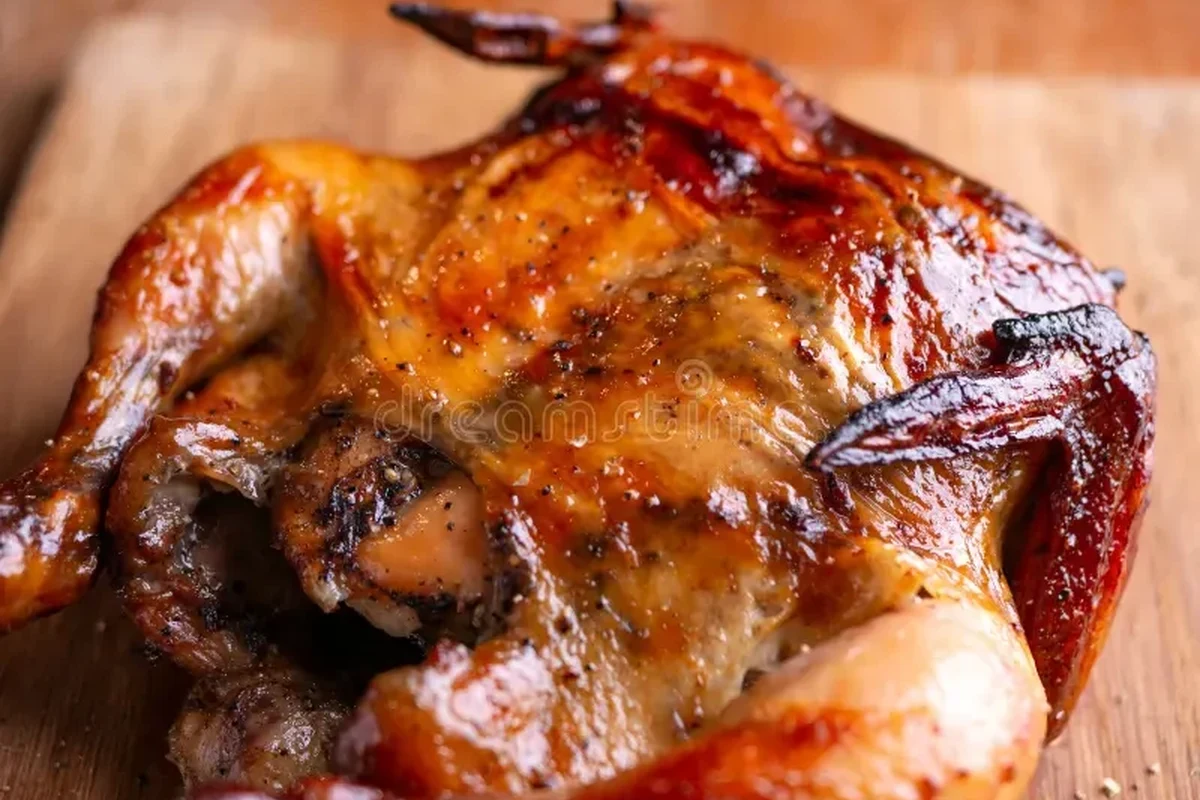
A whole chicken refers to the bird in its entirety, including the breast, wings, thighs, and drumsticks, often still attached to the carcass. In Belizean cuisine, the whole chicken is a cultural cornerstone. It is the primary ingredient for everything from traditional Sunday dinners to hearty soups and stews. Beyond the meat, the carcass is an essential component for creating nutrient-dense stocks, ensuring that nothing goes to waste in the kitchen.
Why Choosing Whole Chickens is the Smartest Move for Your Kitchen
Cost-Efficiency and Budgeting for the Modern Home Cook
Purchasing whole chickens is almost always more budget-friendly than buying pre-cut, packaged parts. By paying for the bird as a whole unit, you avoid the premium price tags associated with labor-intensive butchery. As food costs continue to fluctuate in 2026, home cooks are increasingly turning to whole birds to maximize their grocery budget while maintaining high-quality protein access.
Maximizing Yield: The Art of Breaking Down a Whole Bird
Learning to break down a chicken yourself allows you to customize portion sizes for your specific needs. You can reserve the breasts for quick pan-searing, save the legs for a slow-cooked curry, and toss the bones into a pot to simmer into a rich broth. This practice minimizes waste and ensures you have a variety of cuts ready for different recipes throughout the week.
When breaking down a chicken, always use a sharp boning knife or chef’s knife. Keeping the skin on during the initial breakdown provides a protective layer that keeps the meat moist during various cooking methods.
How to Select the Perfect Whole Chicken: A Buyer’s Guide
Understanding Grading, Weight, and Freshness Indicators
When selecting your bird, look for plump, firm flesh that springs back when touched. The skin should be creamy-white or light yellow without any bruising, tears, or signs of dehydration. Always check the “sell-by” date on the packaging to ensure freshness. In terms of weight, a standard 3 to 4-pound bird is generally ideal for even roasting.
Organic vs. Conventional: Making the Right Choice for Your Household
The choice between organic and conventional often comes down to personal preference and budget. Organic chickens are raised according to specific standards regarding feed and living conditions. Regardless of the label, the most important factor for the home cook is proper storage and thorough cooking to ensure food safety.
Essential Food Safety: Handling and Preparing Raw Poultry
Preventing Cross-Contamination in Your Kitchen Workspace
Raw poultry requires diligent handling. Always designate a specific cutting board for raw chicken and wash it thoroughly with hot, soapy water immediately after use. Avoid rinsing the chicken in the sink, as this can splash bacteria onto nearby surfaces.
Never place cooked food or fresh produce on a surface that previously held raw chicken without disinfecting the area first to prevent cross-contamination.
The Proper Way to Thaw and Clean Your Chicken
The safest way to thaw a frozen whole chicken is in the refrigerator, allowing 24 hours for every 5 pounds of meat. Avoid thawing on the counter at room temperature, as this encourages rapid bacterial growth.
Mastering the Technique: How to Roast a Whole Chicken to Perfection
Key Ingredients for the Perfect Belizean-Style Seasoning Rub
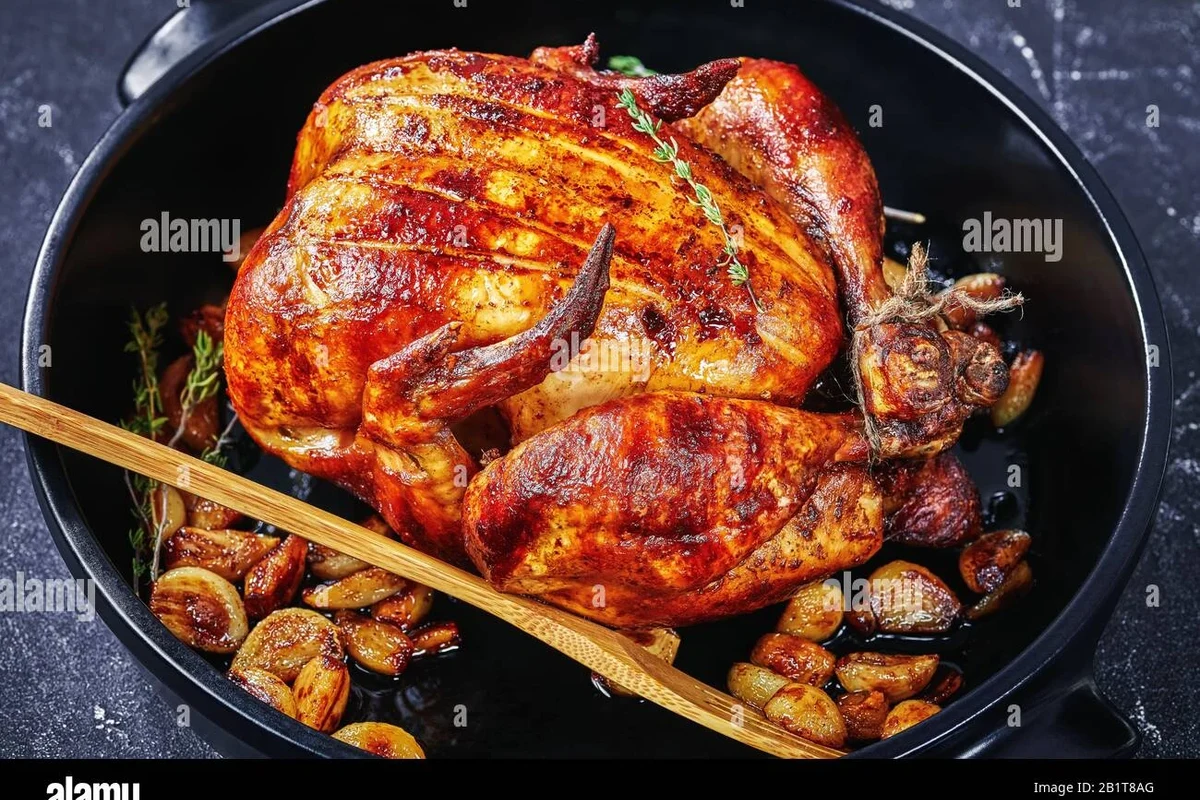
A classic Belizean roast often relies on a vibrant blend of recado (annatto paste), garlic, lime juice, and local spices. Rubbing this mixture under the skin helps infuse flavor directly into the meat.
Step-by-Step Cooking Technique: Achieving Crispy Skin and Juicy Meat
Pat the skin completely dry with paper towels to ensure it crisps up rather than steams.
Apply your rub generously, ensuring you get under the skin of the breast and inside the cavity.
Place the bird on a rack in a roasting pan. Roast at 400°F (200°C) until the skin is golden brown and the internal temperature reaches 165°F.
Doneness Cues: How to Use a Meat Thermometer Safely
The only reliable way to check for doneness is using a meat thermometer. Insert it into the thickest part of the thigh, making sure it does not touch the bone. Once it registers 165°F (74°C), the chicken is safe to eat.
Common Mistakes When Cooking Whole Chickens and How to Avoid Them
- Let the bird rest for 15 minutes before carving
- Use a meat thermometer
- Pat the skin dry before roasting
- Cutting into the bird immediately
- Guessing doneness by color
- Crowding the roasting pan
Storage, Preservation, and Reheating Best Practices
Proper Refrigeration and Freezer Storage Guidelines
Raw whole chicken can be stored in the coldest part of your refrigerator for up to 2 days. For longer storage, keep it in the freezer, where it will maintain quality for up to a year if properly wrapped.
Tips for Safely Reheating Leftover Whole Chicken
To reheat, add a splash of broth to your pan to prevent the meat from drying out. Warm it slowly until the internal temperature reaches 165°F again. You might consider serving your reheated chicken alongside healthy whole grain breads to create a complete, balanced meal.
- Whole chickens offer superior value and versatility for the home cook.
- Prioritizing food safety during handling and cooking is essential for quality results.
- Mastering the art of roasting and butchery transforms a simple bird into multiple delicious meals.
Common Questions
Whole chickens are more economical and offer greater versatility for different recipes compared to pre-packaged parts.
All poultry must reach an internal temperature of 165°F (74°C) to be considered safe for consumption.
Avoid overcooking by using a thermometer and allowing the bird to rest for at least 15 minutes before carving.
Yes, the carcass is perfect for making homemade chicken stock, which is a staple for many Belizean soups.
Keep it in the coldest part of your refrigerator in its original packaging for up to 2 days before cooking.
Frequently Asked Questions
You should let your roasted chicken rest for at least 15 to 20 minutes. This allows the juices to redistribute throughout the meat, ensuring it stays moist when carved.
It is generally not recommended to cook a frozen bird, as it often leads to uneven cooking and unsafe internal temperatures. Always thaw your chicken completely in the refrigerator first.
While you can check if the juices run clear or the leg moves easily, these methods are unreliable. Using a food thermometer to reach 165°F is the only way to guarantee safety.
Store leftover chicken in an airtight container in the refrigerator for up to 3 to 4 days. If you won’t use it within that time, freeze it for up to 4 months.
Pat the skin thoroughly dry with paper towels before seasoning. You can also leave the bird uncovered in the refrigerator for an hour before roasting to further dry the skin.
No, you should not wash raw chicken. Rinsing it can spread harmful bacteria across your sink and kitchen surfaces through splashing water.