Frozen Chicken Breast in Pressure Cooker

Cooking frozen chicken breast in a pressure cooker is a safe, time-saving method that requires about 10–15 minutes of high pressure. Always ensure the chicken reaches an internal temperature of 165°F before serving.
Cooking frozen chicken breast in a pressure cooker is a reliable method for busy home cooks who need to get dinner on the table without advance planning. By leveraging the high-pressure environment of a multicooker, you can safely transform rock-hard poultry into tender, succulent protein in a fraction of the time required by traditional roasting or stovetop methods.
- Safety First: Always use a meat thermometer to confirm the chicken reaches a safe internal temperature.
- Liquid Ratio: Use at least one cup of liquid (stock is preferred) to ensure the pressure.
- Natural Release: Allow for at least 10 minutes of natural pressure release to keep the meat.
- Efficiency: This method is ideal for shredded chicken recipes and busy weeknights when you forget.
Can You Cook Frozen Chicken Breast in a Pressure Cooker? The Quick Answer
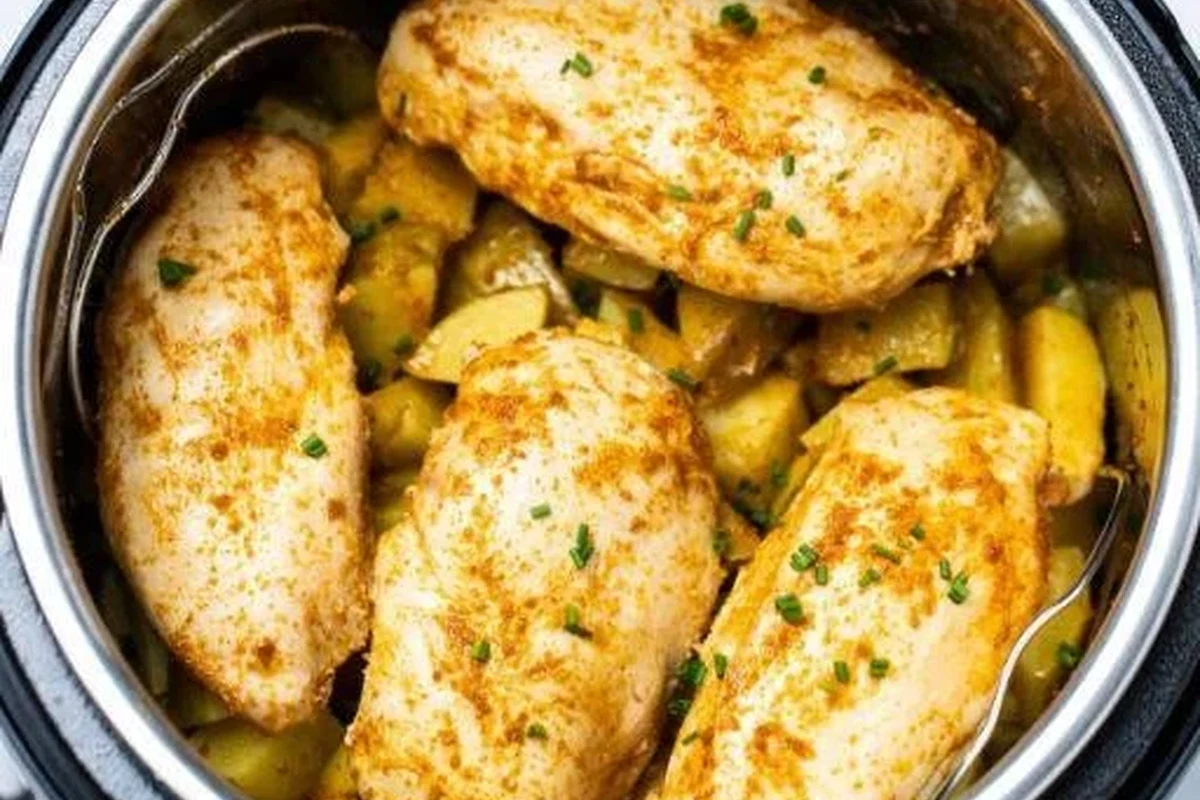
Yes, you can safely cook frozen chicken breasts in a pressure cooker, provided you adjust the cooking time to account for the frozen state of the meat. This method is highly effective for shredded chicken applications, soups, or meal prep, offering a convenient way to bypass the need for lengthy defrosting cycles.
Understanding the Science: Why Pressure Cooking Frozen Chicken Works
The Mechanics of High-Pressure Steam
Pressure cookers work by trapping steam within a sealed vessel, which increases the internal pressure and significantly raises the boiling point of water. This creates an environment where heat penetrates food much faster than in a standard oven or pot. When dealing with frozen chicken, this intense heat transfer is crucial. It quickly thaws the outer layers of the meat while simultaneously cooking it, ensuring that the entire piece reaches a safe internal temperature before the exterior becomes overcooked or stringy.
Safety First: Navigating the Danger Zone
The primary concern with frozen poultry is the “danger zone”—the temperature range between 40°F and 140°F where bacteria multiply rapidly. When using a pressure cooker, the goal is to move the chicken through this zone as quickly as possible. Because the cooker reaches high pressure rapidly, it effectively minimizes the time the chicken spends in this critical range. Always ensure that your final product reaches an internal temperature of 165°F as verified by a food thermometer, regardless of the cooking time used.
Essential Equipment: Choosing the Right Pressure Cooker for Frozen Poultry
Size and Capacity Considerations
When cooking frozen items, you need ample space to ensure even heat distribution. Avoid overcrowding the pot, as a dense mass of frozen meat can prevent steam from circulating properly. For most households, a 6-quart or 8-quart pressure cooker is ideal, allowing enough room for the chicken and the necessary liquid base.
Sealing and Pressure Release Mechanisms
A high-quality seal is non-negotiable. If your gasket is worn or the lid doesn’t lock securely, you will lose the pressure necessary to cook the frozen meat thoroughly. Ensure your equipment is well-maintained and free of debris, as a failed seal can lead to uneven cooking or a “burn” error message.
Before starting, check your manufacturer’s manual for specific guidelines on liquid-to-solid ratios, as these can vary significantly between brands and models.
Mastering the Technique: Step-by-Step Guide to Frozen Chicken Breast
Preparation: The Role of Liquid and Aromatics
You cannot pressure cook without liquid. For frozen chicken, you need at least one cup of liquid to create sufficient steam. While water works, using a flavorful stock adds depth. If you are preparing a dish like Belizean Curry Chicken, you can incorporate your base aromatics, such as onions, garlic, and bell peppers, directly into the pot with the liquid.
Setting the Timing: Calculating Cook Cycles for Different Thicknesses
Frozen chicken breasts typically require 10 to 15 minutes of high-pressure cooking time, depending on their thickness. If you have thin, individual breasts, aim for 10 minutes. For larger, thicker breasts, 15 minutes is safer. Always add a few minutes for the cooker to come to full pressure.
The Importance of Natural Pressure Release (NPR)
Do not use a “quick release” immediately after the timer beeps. A natural pressure release (NPR) allows the meat to rest, which helps retain moisture and ensures the internal temperature finishes climbing safely. Allow for at least 10 minutes of NPR before manually venting any remaining steam.
Flavor Infusion: Essential Ingredients for Belizean-Inspired Chicken
Must-Have Spices and Marinade Bases
Pressure cooking can sometimes dilute flavors, so be generous with your seasoning. Caribbean-inspired profiles benefit from allspice, thyme, habanero (use caution), and fresh recado if available. If you are looking for inspiration, consider how you might season a Belizean BBQ Chicken Recipe and adapt those spices for a pressure cooker environment.
The Role of Chicken Stock vs. Water
While water provides the steam, it adds nothing to the flavor profile. Using a rich chicken stock or broth provides a savory foundation that permeates the meat fibers as they cook, resulting in a more professional-tasting final dish.
Troubleshooting Common Pitfalls
The “Burn” Warning: Why It Happens and How to Avoid It
The “burn” message is usually triggered by a lack of liquid or a thick sauce that has settled at the bottom of the pot. To prevent this, always place your liquid first, followed by the trivet (if using one), and then the chicken. Avoid adding thick, sugary, or starchy sauces until *after* the pressure cooking cycle is complete.
Dealing with Uneven Cooking and Tough Textures
If your chicken comes out tough, it is likely overcooked. If it is undercooked in the center, it was likely too frozen or packed too tightly. Ensure your breasts are separated as much as possible before sealing the lid. If you find yourself needing a quick meal without the pressure cooker, you might consider alternatives like air fryer chicken thighs for a different texture and flavor profile.
Always verify doneness with a meat thermometer. The visual appearance of the outside is not a reliable indicator of safety when cooking from a frozen state.
Storage, Food Safety, and Reheating Best Practices
Post-Cook Cooling and Refrigeration Guidelines
Do not leave cooked chicken at room temperature for more than two hours. Once the cooking is done, shred or slice the meat and place it into shallow containers to cool quickly in the refrigerator. Properly stored, it will remain safe for three to four days.
Proper Reheating Methods to Retain Moisture
To avoid drying out the chicken during reheating, add a tablespoon of broth or water to the container. Warm it gently over low heat or in a microwave-safe dish covered with a damp paper towel.
Is Pressure Cooking Frozen Chicken Right for Your Kitchen?
The Benefits for Busy Home Cooks
The primary advantage is speed and convenience. It eliminates the “what’s for dinner?” panic when you realize you forgot to take the meat out of the freezer. It is a highly efficient tool for batch-cooking shredded chicken for tacos, salads, or soups.
Limitations and When to Defrost Instead
Pressure cooking is not ideal if you are looking for a crispy skin or a specific sear. The result will always be poached or braised in texture. If you want a crispy exterior, you will need to finish the chicken under a broiler or in a frying pan after the pressure cycle.
Pressure cooking frozen chicken is a safe, efficient, and reliable method for 2026 home cooks. While it lacks the browning capabilities of traditional methods, its ability to produce tender, flavorful meat from a frozen state makes it an essential technique for busy schedules. Use it for shredded applications and rely on traditional methods when crispy textures are the priority.
Common Questions
Yes, pressure cooking is safe because the high pressure brings the meat through the bacterial danger zone rapidly.
Usually 10 to 15 minutes at high pressure, depending on the thickness of the chicken breasts.
You must add at least one cup of liquid to create the steam required for the pressure cycle.
No, pressure cooking creates a poached or braised texture; finish under a broiler if you want crispiness.
Check that you have enough liquid and ensure no thick sauces are at the bottom of the pot.
Frequently Asked Questions
For average-sized frozen chicken breasts, 10 to 15 minutes at high pressure is generally sufficient. Always ensure the internal temperature reaches 165°F.
Yes, you must have at least one cup of liquid to generate the necessary steam. Using chicken stock instead of water will add significantly more flavor.
It is best to season after cooking or use a flavorful liquid base. Dry spices may not adhere well to frozen meat and can wash off into the liquid.
This usually happens because there isn’t enough liquid or the chicken is too close to the bottom of the pot. Ensure the liquid is added first to create a buffer.
Yes, pressure cooking is a safe method as it brings the meat through the danger zone quickly. Always use a food thermometer to confirm 165°F doneness.
Store leftovers in an airtight container in the refrigerator for up to four days. Reheat gently with a splash of broth to keep it moist.