Do Lentils Contain Carbs

Yes, lentils contain carbohydrates, but they are primarily complex carbohydrates packed with dietary fiber. This fiber content helps slow digestion, making them a more satiating option than refined grains.
Lentils are a nutritional powerhouse, but they are indeed a carbohydrate-rich food. Understanding how these complex carbohydrates fit into your daily meals is essential for anyone looking to balance their plate with fiber-dense plant proteins.
- Carbohydrate Source: Lentils are complex carbohydrates, not simple sugars.
- Net Carbs: High fiber content reduces the net carb impact compared to other starches.
- Variety Matters: Choose French green lentils for salads to avoid mushy textures.
- Preparation: Soak or rinse thoroughly to improve digestibility and remove debris.
- Storage: Keep dry lentils in a cool, dark place and consume cooked portions within 5.
Do Lentils Contain Carbs? The Nutritional Reality
Understanding the Carbohydrate Profile of Lentils
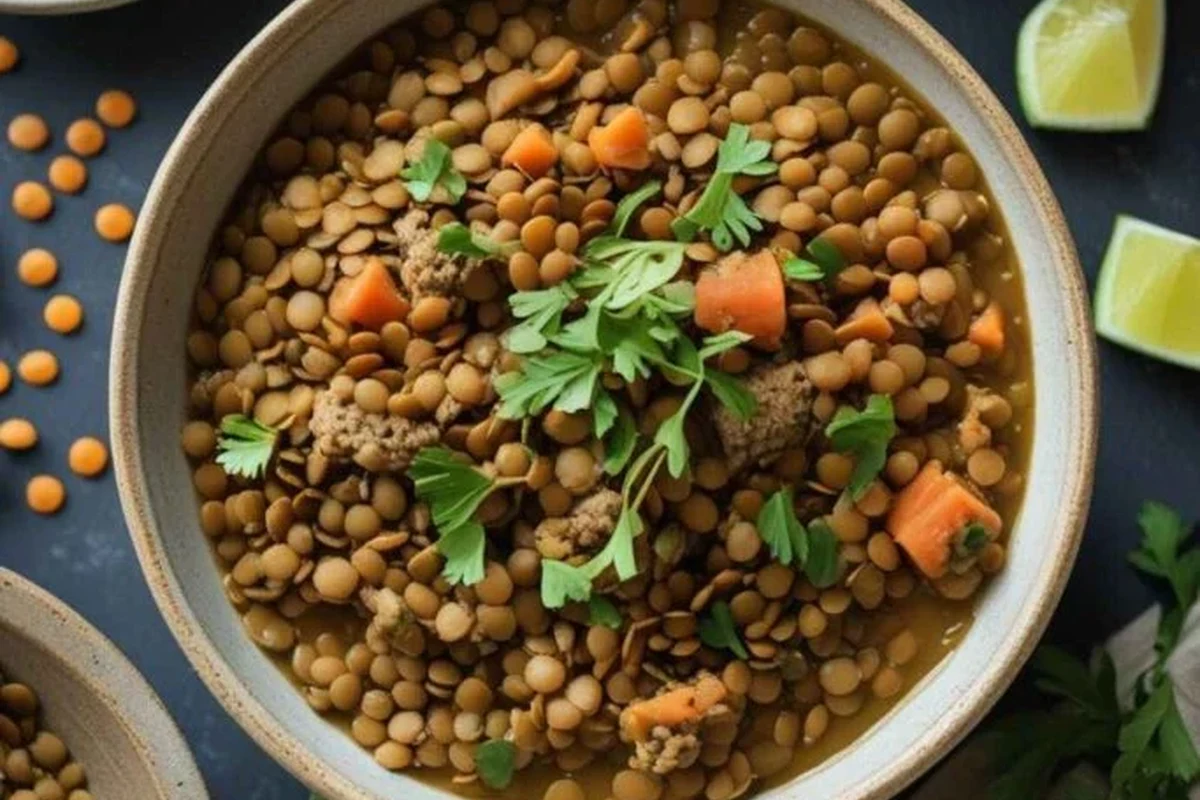
Yes, lentils contain carbohydrates. As a member of the legume family, they are categorized as complex carbohydrates. Unlike simple sugars that cause rapid spikes in blood glucose, the carbohydrates in lentils are primarily made up of starch and dietary fiber. This structure means they digest more slowly, providing a steadier release of energy compared to refined grains.
Net Carbs vs. Total Carbs: Why It Matters for Your Diet
When analyzing labels in 2026, you will often see “total carbohydrates” listed. However, for those tracking macros, “net carbs” is the figure that accounts for fiber. Because your body does not fully digest fiber, you subtract the grams of fiber from the total carbohydrate count. Since lentils are exceptionally high in fiber, their net carb impact is lower than many other starchy staples like white rice or potatoes.
What Are Lentils and Why Are They a Culinary Staple?
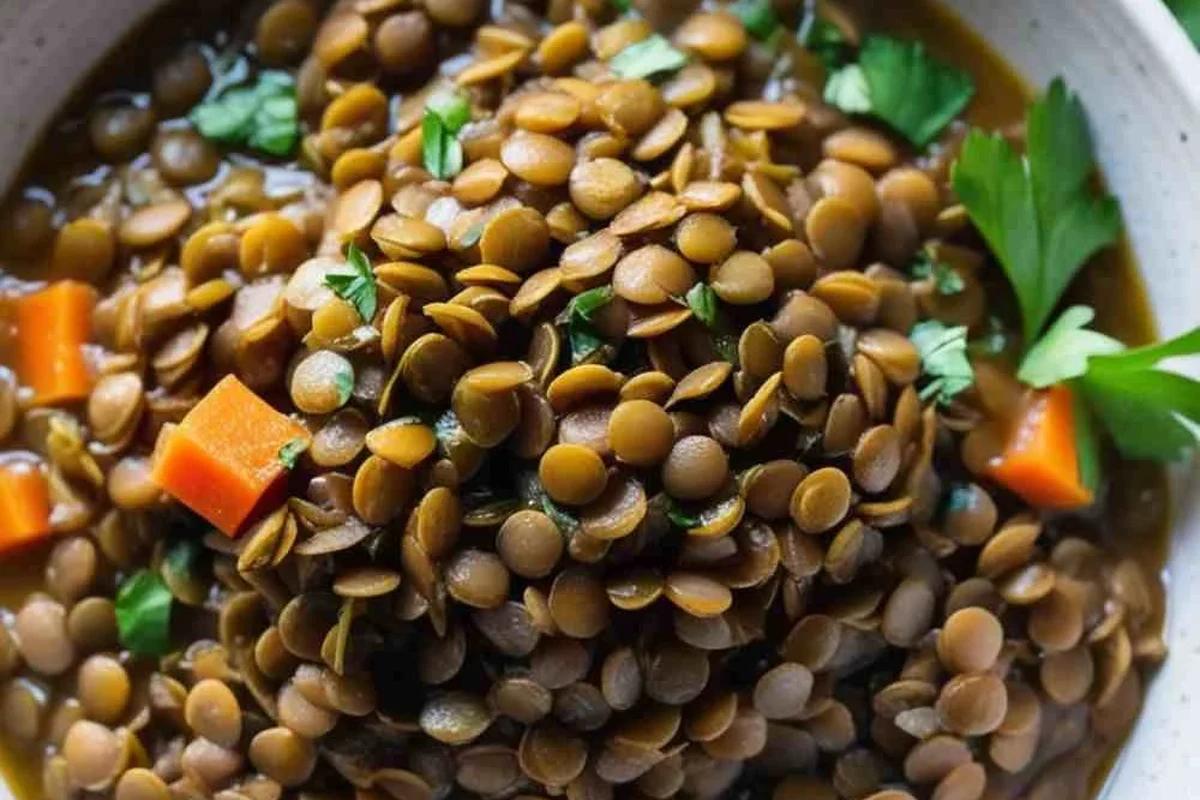
The Nutrient Density of Lentils: More Than Just Carbohydrates
Lentils are prized for more than just their carbohydrate content; they are an excellent source of plant-based protein, iron, and folate. In Belizean kitchens, they serve as a hearty foundation for soups, stews, and side dishes. Their ability to absorb spices and aromatic vegetables makes them a versatile pantry essential for any home cook.
Lentils have been cultivated for thousands of years and are one of the earliest domesticated crops, valued globally for their long shelf life and nutritional profile.
Who Benefits Most from Including Lentils in Their Diet?
Lentils are ideal for individuals seeking plant-based protein sources, budget-conscious shoppers, and anyone interested in fiber-rich, satiating meals. They are particularly useful for meal prep, as they hold their shape well when cooked properly, making them perfect for salads and cold side dishes.
Selecting the Best Lentils: A Buyer’s Guide
Types of Lentils: From Brown to French Green and Red
Not all lentils behave the same way in the pot. Brown lentils are the most common and tend to soften quickly, making them ideal for purees. French green (Puy) lentils hold their shape best, making them the superior choice for salads. Red lentils break down almost completely, which is perfect for thickening stews or curries.
What to Look For: Quality Indicators and Sourcing
When selecting dry lentils in 2026, look for uniform size and color. Avoid bags with excessive debris or broken pieces. If you are buying in bulk, ensure the storage container is sealed tightly to prevent moisture entry, which can lead to spoilage before you are ready to cook.
Stock up on dried lentils — see top-rated dried lentils here.
Cooking Techniques: Transforming Lentils into Belizean-Inspired Sides
Mastering the Perfect Texture: Avoiding Mushy Lentils
The secret to non-mushy lentils is controlling the simmer. Start with cold water and bring to a gentle boil, then immediately reduce to a low simmer. Over-boiling causes the outer skin to burst, turning your side dish into a porridge. Always taste as you go; they should be tender but still possess a slight “bite.”
Add salt only after the lentils are cooked. Adding salt too early can toughen the skins, leading to uneven texture.
Essential Ingredients to Enhance Flavor Profiles
Lentils benefit from bold aromatics. In a Belizean-style approach, sautéing onions, garlic, and bell peppers in a base of coconut oil provides a rich depth. Finish your lentils with fresh cilantro, lime juice, or a dash of habanero-infused vinegar to cut through the earthiness of the beans.
Recipe: Luis’s Savory Belizean-Style Lentil Salad
Ingredients List and Preparation
To prepare this salad, you will need 1 cup of dry French green lentils, 2 cups of vegetable stock, 1 diced red onion, 1 diced red bell pepper, fresh cilantro, and a dressing made of lime juice, olive oil, and a pinch of cumin.
Step-by-Step Cooking Technique
Common Mistakes and How to Fix Them
The most common mistake is over-cooking, which results in a mushy salad. If this happens, do not throw them away! Use the over-cooked lentils as a base for a thick, hearty soup instead. Ensure your aromatics are diced finely so they distribute evenly with every spoonful.
Real-Kitchen Benefits and Nutritional Limitations
- High fiber and protein content
- Extremely cost-effective per serving
- Versatile for hot or cold dishes
- Contains significant total carbs
- Can cause digestive bloating if not soaked or rinsed
- Requires careful timing to manage texture
Why Lentils Are a Smart Choice for Budget-Conscious Cooks
Lentils are one of the most affordable shelf-stable proteins available. When purchased in bulk, they provide a low-cost way to stretch meals. Much like understanding how to maintain your vehicle to avoid high repair costs, learning to cook staples like lentils effectively helps you maintain a healthy kitchen budget.
Potential Limitations: Managing Digestive Sensitivity
For some, legumes can be difficult to digest. To mitigate this, consider soaking your dry lentils for a few hours before cooking. This process helps break down some of the complex starches that contribute to gas and bloating. Always introduce them into your diet gradually.
Safe Handling, Storage, and Shelf Life
Store dry lentils in an airtight container in a cool, dark place. They can last for up to a year, though they cook faster when they are fresher. Once cooked, store lentils in the refrigerator in a sealed container for up to 5 days. If you find yourself reheating leftovers, do so with a splash of water to prevent them from drying out.
Never leave cooked lentils at room temperature for more than two hours. If you notice an off-smell or slimy texture, discard them immediately.
Substitutions and Culinary Versatility
What to Use if You Run Out of Lentils
If you lack lentils, split peas are a suitable substitute for soups, while chickpeas or black beans can work in salads, though they will change the texture and flavor profile significantly.
How Lentils Compare to Other Legumes in Carbohydrate Content
Compared to kidney beans or chickpeas, lentils generally have a slightly higher protein-to-carb ratio, making them a favorite for those managing their carbohydrate intake while still prioritizing plant-based nutrients.
More stews to try: simple beef stew recipes.
Final Recommendation: Integrating Lentils into a Balanced Lifestyle
Lentils are a nutrient-dense addition to any diet, provided you account for their carbohydrate content as part of your overall daily intake. By choosing the right variety for your recipe—French green for texture or red for thickening—you can enjoy their versatility while benefiting from their high fiber and protein. As with any dietary change, listen to your body’s response and enjoy them as part of a varied, balanced plate.
Frequently Asked Questions
Lentils are carbohydrate-rich, but because they are high in fiber, they are considered complex carbohydrates. They digest more slowly than refined starches, leading to a more gradual impact on blood glucose.
It depends on your specific daily carbohydrate limit. While they contain carbs, their high fiber content means the net carb count is often manageable for many moderate low-carb meal plans.
The key is to simmer them gently and avoid a hard boil. Adding salt only after the lentils are fully cooked also helps maintain their structural integrity.
Cooked lentils should be stored in an airtight container and will stay fresh for up to 5 days in the refrigerator. Always check for signs of spoilage before consuming.
Unlike beans, lentils do not require soaking, but doing so can help improve digestibility and reduce cooking time. Rinsing them under cold water is mandatory to remove dust.
French green lentils or black beluga lentils are the best choices for salads. They hold their shape well after cooking and provide a pleasant, firm texture.