Chicken Thighs in Convection Oven

Cooking chicken thighs in a convection oven provides superior air circulation, resulting in perfectly crispy skin and a faster cook time. Always use a meat thermometer to ensure the internal temperature reaches 165°F (74°C) for food safety.
Cooking chicken thighs in a convection oven is one of the most effective ways to achieve a restaurant-quality sear and juicy interior at home. By utilizing a fan to circulate heat, you can significantly reduce cook times while ensuring the skin becomes perfectly crispy, even in 2026.
- Temperature Adjustment: Reduce your oven temperature by 25°F when using convection mode.
- Airflow is Key: Use a wire rack to ensure hot air circulates evenly around the chicken.
- Dry Surface: Pat the chicken skin dry to guarantee maximum crispiness.
- Safety First: Confirm an internal temperature of 165°F (74°C) using a reliable probe thermometer.
Chicken Thighs in Convection Oven: The Ultimate Guide to Crispy Perfection
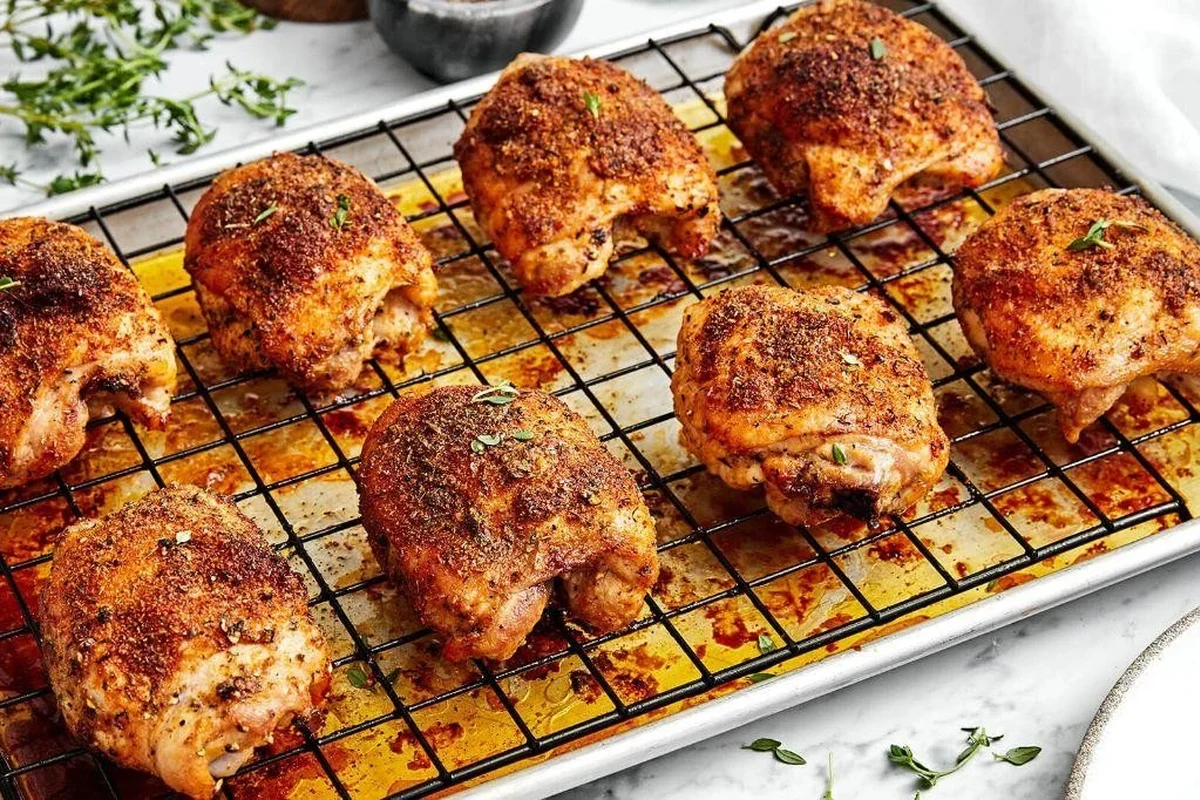
Many home cooks find that standard ovens often leave chicken skin rubbery or pale. When you switch to convection mode, you are essentially mimicking the environment of a professional kitchen. The constant movement of hot air strips away moisture from the surface of the skin, leading to a faster rendering of fat and a golden-brown finish that is difficult to replicate with static heat.
Why Convection is the Secret to Better Chicken
The primary advantage of using a convection setting is consistency. In a traditional oven, hot spots can cause uneven cooking. In a convection oven, the fan ensures that the temperature remains uniform throughout the cavity. Whether you are using a full-sized convection oven or a compact over-the-range convection microwave, the result is a more efficient transfer of energy to the chicken, which is vital for rendering the thicker fat deposits found in thigh meat.
The Science of Convection Cooking for Poultry
How Convection Differs from Traditional Thermal Baking
Traditional baking relies on radiant heat, where the air around the food warms up passively. Convection introduces a mechanical element: a fan. This fan forces air to circulate, which physically speeds up the chemical reactions—specifically the Maillard reaction—that brown the surface of the meat. Because the air is moving, it effectively “scrubs” away the cool layer of air that usually sits against the food, allowing the heat to penetrate more rapidly.
Benefits of Air Circulation for Skin Texture
Skin texture is arguably the most important metric for a well-roasted chicken thigh. Because convection air is drier and constantly moving, it evaporates surface moisture much faster than a standard oven. This dehydration of the skin is the precursor to crispiness. Once the skin is dry, the fat underneath begins to fry the skin from the inside out, creating that signature “crackling” texture.
For the crispiest results, pat your chicken thighs completely dry with paper towels before seasoning. Moisture is the enemy of a good sear.
Essential Ingredients for Belizean-Style Roasted Chicken Thighs
Selecting the Best Thigh Cuts for Even Cooking
When shopping, look for bone-in, skin-on thighs. The bone provides insulation, preventing the meat from drying out during the faster convection cooking process, while the skin provides the fat necessary for flavor. Ensure your cuts are similar in size so they reach the safe internal temperature at the same time.
The Marinade: Balancing Citrus, Spice, and Savory Notes
A classic Belizean-style approach often involves a heavy hand with citrus, garlic, and local spices. A marinade of lime juice, crushed garlic, recado (annatto paste), and a touch of black pepper provides a deep flavor profile that holds up well under high heat. If you enjoy smaller-batch cooking, you might also compare this method to air fryer chicken thighs, which utilize similar convection principles but on a smaller, more concentrated scale.
Step-by-Step Cooking Technique: Achieving the Golden Crust
Set your convection oven to 400°F (200°C). Convection usually requires a temperature reduction of 25°F compared to traditional recipes to prevent the outside from burning before the inside is cooked.
Place the thighs on a wire rack set over a baking sheet. This allows air to circulate underneath the chicken, preventing the bottom from becoming soggy.
Insert a meat thermometer into the thickest part of the thigh, avoiding the bone. The chicken is safe and ready when it reaches an internal temperature of 165°F (74°C) per USDA guidelines.
Common Mistakes to Avoid in a Convection Oven
- Use a metal wire rack for better circulation.
- Rotate the tray halfway through for even browning.
- Overcrowding the pan, which blocks airflow.
- Adding sugary glazes too early, which will char in the fan-forced heat.
Safe Handling and Food Safety Protocols
Always wash your hands and surfaces thoroughly after handling raw chicken. Never reuse a marinade that has touched raw meat unless it has been brought to a rolling boil first.
Proper Storage and Reheating for Leftovers
Store leftover chicken in an airtight container in the refrigerator for up to 3 to 4 days. To reheat, use the convection setting at a lower temperature (325°F) to warm the meat through without drying it out, or use a toaster oven to crisp the skin again.
Value and Efficiency: Why This Method Fits Your Kitchen
Convection cooking is a time-saver for busy households. Because the heat is more aggressive, you can shave 15-20% off your total cooking time compared to conventional methods. By mastering your specific oven’s fan settings—whether it has a true convection (third heating element) or just a standard fan—you can achieve consistent, professional results throughout 2026 and beyond.
Using a convection oven for chicken thighs is the best way to balance speed and quality. It is ideal for home cooks who want crispy skin and juicy meat without the constant monitoring required by stovetop pan-searing.
Common Questions
Yes, the circulating hot air increases the efficiency of heat transfer, typically reducing cooking time by 15-20%.
Yes, but ensure they are cut to a size that will finish at the same time as the chicken and do not overcrowd the pan.
For chicken thighs, 400°F (200°C) is generally ideal for achieving crispy skin while keeping the meat juicy.
Convection is excellent for roasting, but be cautious with delicate items or recipes that require a long, slow rise, as the fan can sometimes interfere.
Many modern convection microwaves perform exceptionally well for small to medium batches of chicken thighs due to their smaller, high-powered fan systems.
Frequently Asked Questions
Yes, it is generally recommended to lower the temperature by 25°F compared to a standard oven recipe. This prevents the outside of the chicken from browning too quickly before the inside is fully cooked.
While you can, using a wire rack set inside a rimmed baking sheet is much better. It allows air to circulate under the chicken, resulting in crispier skin on both sides.
The only reliable way to check for doneness is with a meat thermometer. According to food safety guidelines, chicken must reach an internal temperature of 165°F (74°C).
The most common reason is moisture. Ensure you pat the chicken skin completely dry with paper towels before seasoning. Additionally, ensure you aren’t overcrowding the pan, which traps steam.
Cooked chicken should be stored in an airtight container in the refrigerator. It is best consumed within 3 to 4 days for optimal safety and quality.
Yes, but be careful. Sugar-based glazes can burn quickly due to the high-velocity air. Apply these glazes only in the final 5-10 minutes of cooking.