Calories of Boiled Chicken Breast

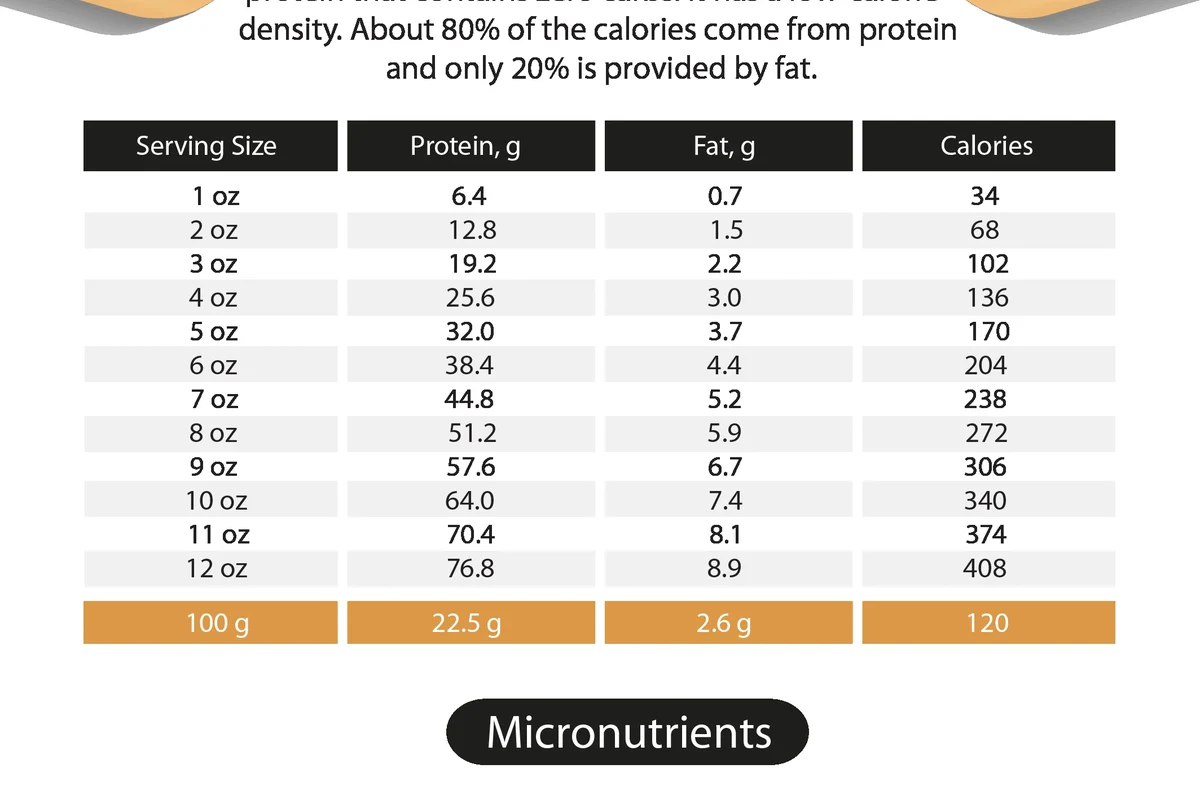
A 3-ounce serving of boiled chicken breast contains approximately 130 calories. This lean, protein-rich method is ideal for healthy meal prep and versatile enough for any recipe.
Understanding the calories of boiled chicken breast is a fundamental step for anyone looking to manage their nutritional intake with precision. As a lean, versatile protein, it serves as a cornerstone for healthy meal planning in 2026, offering a clean slate for various culinary applications.
- Caloric Density: Average of 130 calories per 3oz serving.
- Cooking Method: Use a gentle simmer rather than a rolling boil to maintain moisture.
- Safety First: Always ensure an internal temperature of 165°F (74°C).
- Meal Prep Utility: Excellent for salads, sandwiches, and soups.
- Flavor Tip: Add aromatics like herbs and vegetables to the poaching water.
The Nutritional Truth: Calories of Boiled Chicken Breast

Boiled chicken breast is widely regarded as one of the most efficient sources of high-quality protein. Because the cooking process involves water rather than added fats like oils or butter, it maintains a lower caloric density compared to frying or roasting. On average, a 3-ounce (85-gram) serving of skinless, boneless boiled chicken breast contains approximately 120 to 140 calories. This figure can fluctuate slightly based on the size of the bird, the specific cut, and whether the chicken was injected with a saline solution during processing.
What Is Boiled Chicken Breast and Why It Matters for Your Diet
Boiling—or more accurately, poaching—is a gentle cooking method that involves submerging chicken in simmering liquid. Unlike high-heat methods that can char the exterior and add unnecessary calories, boiling keeps the meat hydrated and neutral in flavor. This makes it an ideal “blank canvas” for home cooks who want to control every ingredient that enters their kitchen.
The Caloric Profile: Understanding the Numbers
When tracking your macros, it is important to remember that the weight of the chicken changes during the cooking process. You lose water weight, which concentrates the protein density. A raw breast that weighs 4 ounces will shrink once boiled. For those tracking strictly, always weigh your chicken after it has been cooked to get the most accurate caloric count. Keep in mind that adding aromatics like onions, garlic, or herbs to the water adds virtually zero calories while significantly improving the final taste.
Who Benefits Most from Boiled Chicken Breast?
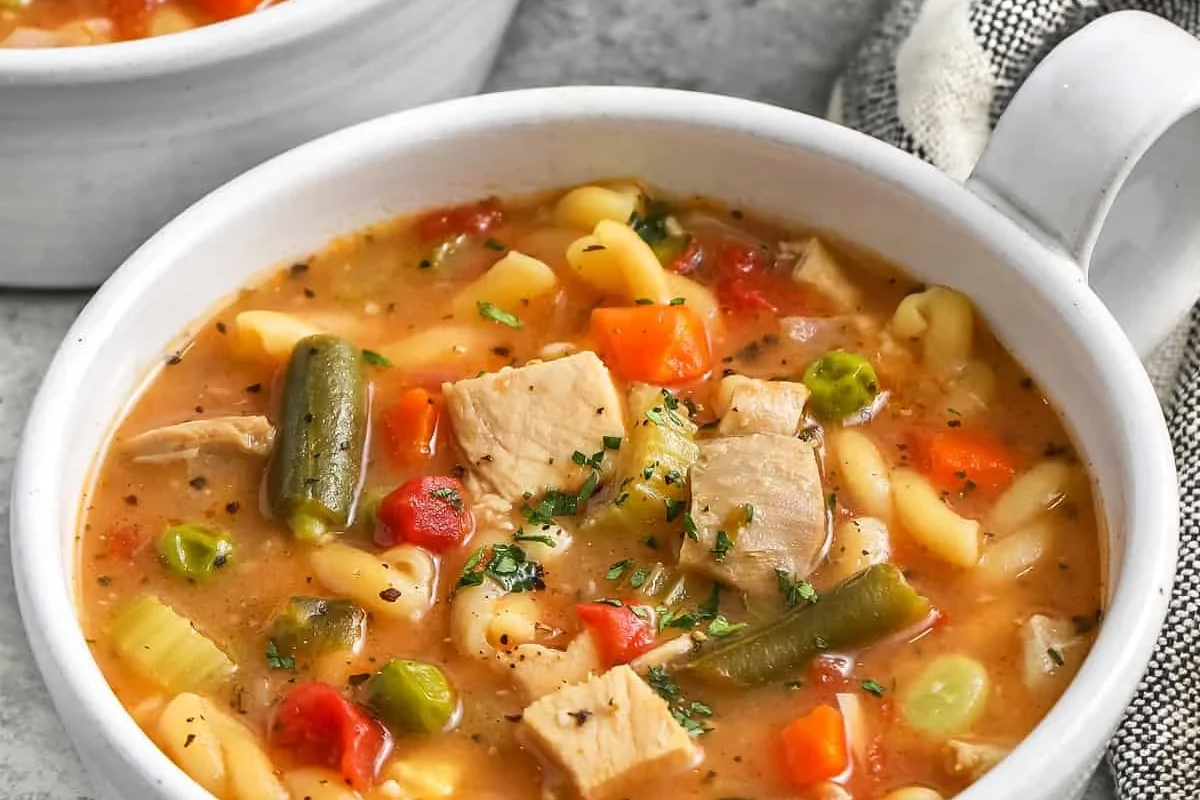
This preparation is perfect for those focused on clean eating, athletes monitoring their protein-to-calorie ratio, or individuals recovering from illness who require easily digestible meals. It is also a staple for anyone who enjoys making comfort foods like a hearty chicken noodle soup, where the chicken provides substance without overwhelming the broth with grease.
Mastering the Technique: How to Boil Chicken Breast Perfectly
Achieving a moist result requires patience. The biggest mistake home cooks make is boiling the chicken at a violent, rolling boil, which results in rubbery, tough meat.
Essential Ingredients for Flavorful Results
To elevate your boiled chicken, use a flavorful poaching liquid. Water is the base, but consider adding:
- Fresh bay leaves and peppercorns
- Carrot and celery chunks
- A splash of apple cider vinegar or lemon juice to help tenderize the fibers
- Fresh herbs like parsley or thyme
Step-by-Step Cooking Guide
Common Mistakes to Avoid for Texture and Taste
Avoid overcooking the meat, as chicken breast becomes stringy and dry very quickly. If you are preparing batches for salads or wraps, consider removing the pot from the heat once the temperature is reached and letting the chicken rest in the poaching liquid for 5 minutes before removing it.
Key Decision Criteria: Selecting the Right Chicken Breast
Fresh vs. Frozen: Impact on Quality and Cooking Time
Fresh chicken is generally preferred for its texture, but high-quality frozen breasts are perfectly acceptable. If using frozen, ensure they are fully thawed in the refrigerator before boiling to ensure even cooking. Cooking frozen chicken directly from the freezer can lead to an uneven temperature, where the outside is overcooked and the inside remains unsafe.
Evaluating Grade and Quality Labels
When shopping in 2026, look for “air-chilled” labels. Air-chilled chicken absorbs less water during processing, which means it retains its natural flavor better and doesn’t “water down” your poaching liquid.
Save your poaching liquid! It acts as a light, flavorful stock that you can use as a base for a chicken, leek, and potato soup.
Real-Kitchen Benefits and Limitations
Why Boiling Is a Staple for Meal Prep
Boiled chicken is the ultimate meal-prep shortcut. Once cooked, it can be shredded and tossed into cold salads, pressed into sandwiches, or used in recipes like our signature chicken salad. It saves significant time during the busy work week.
Nutritional Limitations and Flavor Challenges
The main drawback is the lack of Maillard reaction—that browning that provides savory depth. To compensate, always season your shredded chicken with fresh herbs, citrus, or a high-quality vinaigrette after cooking.
Food Safety and Handling: The Professional Standard
Always use a digital food thermometer to verify that the internal temperature reaches 165°F (74°C). Color is not a reliable indicator of safety.
Safe Preparation Practices
Prevent cross-contamination by using dedicated cutting boards for raw chicken. Sanitize all surfaces that come into contact with raw poultry immediately after use.
Storage, Shelf Life, and Reheating Best Practices
Store boiled chicken in an airtight container in the refrigerator for up to 3–4 days. For longer storage, you can freeze it for up to 3 months. To reheat without drying it out, place the chicken in a small amount of broth or water and heat gently on the stovetop or microwave with a damp paper towel covering the container.
Final Verdict: Is Boiled Chicken Breast Right for Your 2026 Health Goals?
Boiled chicken breast remains a top-tier choice for those prioritizing low-calorie, high-protein nutrition. While it may lack the bold, caramelized flavors of grilled or roasted options, its versatility and ease of preparation make it an indispensable technique for any home cook. By mastering the gentle simmer and seasoning after cooking, you can enjoy a nutritious, consistent, and safe protein source throughout the year.
Common Questions
No, boiling chicken in water adds zero calories to the meat, making it one of the lowest-calorie cooking methods available.
For the most accurate caloric tracking, weigh your chicken after it has been cooked, as the moisture loss during cooking changes its density.
Yes, the liquid becomes a light chicken stock that is perfect for soups, stews, or cooking grains like rice.
“Boiling” and “poaching” are often used interchangeably, but poaching (a gentle simmer) is superior for keeping the chicken tender.
Rubbery texture is usually a sign of overcooking or using water that was at too high a temperature (a hard boil).
Frequently Asked Questions
A 3-ounce serving of skinless, boneless boiled chicken breast typically contains between 120 and 140 calories, depending on the specific cut and quality.
Some water-soluble vitamins may leach into the cooking liquid, but since the liquid is often used for soups or sauces, the nutrients are retained within the overall meal.
Avoid a rolling boil; use a gentle simmer and pull the chicken out as soon as it hits an internal temperature of 165°F (74°C) to prevent overcooking.
It is safer and more effective to thaw chicken completely in the refrigerator before boiling to ensure even cooking throughout the breast.
Cooked chicken should be stored in an airtight container and consumed within 3 to 4 days for the best quality and safety.
Yes, it is an excellent lean protein source that is low in fat and calories, making it a popular choice for those focused on calorie management.