Cajun White Chicken Chili

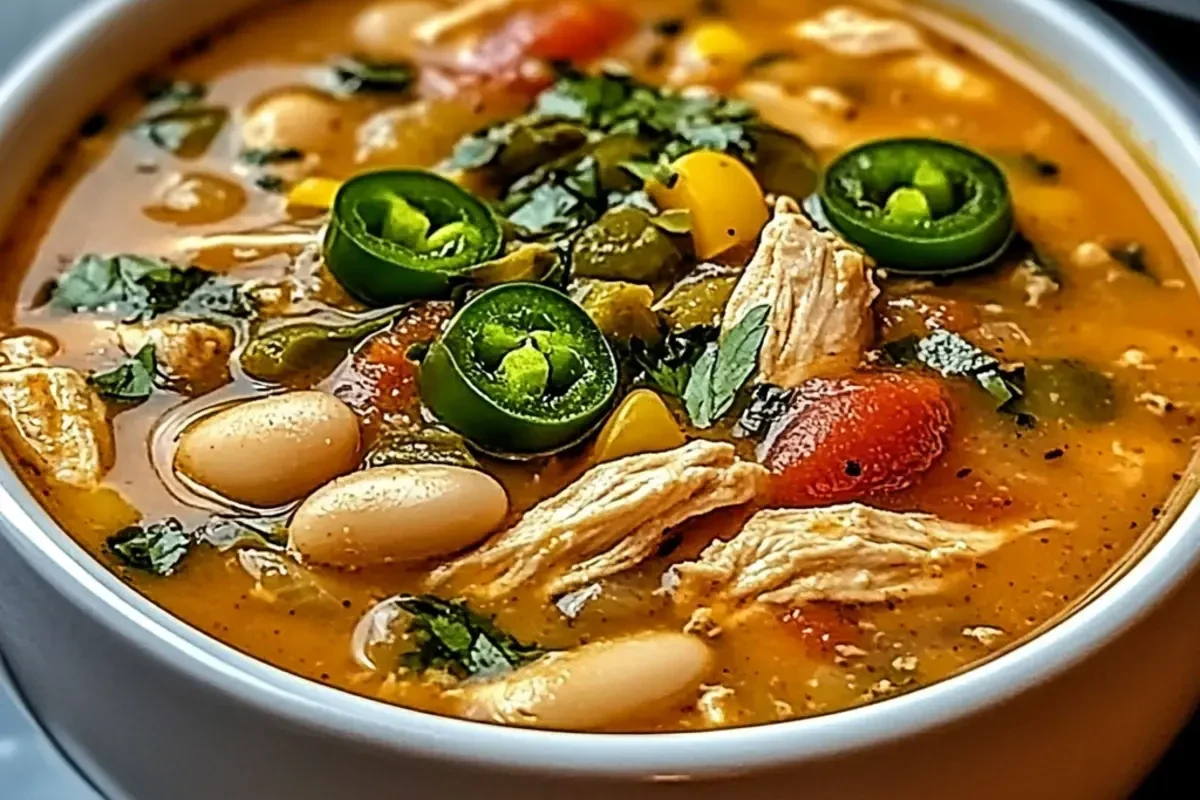
Cajun white chicken chili combines the smoky, bold flavors of Louisiana seasoning with a creamy, bean-based chicken stew. It is a hearty and flavorful dish that balances heat and texture for an elevated comfort meal.
Cajun white chicken chili is a vibrant, spice-forward evolution of traditional white chili, blending the smoky heat of Louisiana seasoning with the creamy, comforting base of a classic chicken soup. By incorporating bold aromatics and a velvety texture, this dish offers a sophisticated profile that stands out as a unique addition to any home cook’s repertoire in 2026.
- Flavor Base: Use the Cajun trinity (onion, celery, bell pepper) to build a deep, aromatic foundation.
- Spice Control: Bloom your dry spices in the oil before adding liquid to maximize flavor intensity.
- Texture Trick: Mash a small portion of the beans against the pot to thicken the chili.
- Dairy Safety: Temper your cream or dairy with hot broth to prevent curdling and ensure a.
What is Cajun White Chicken Chili? A Bold Belizean Twist

While many are familiar with standard white chicken chili—typically a blend of white beans, mild green chilies, and shredded poultry—the Cajun version introduces a deeper, more complex flavor landscape. At BelizeanRecipe, we appreciate how this dish bridges the gap between the subtle warmth of a Zoup White Chicken Chili recipe and the aggressive, savory punch of authentic Creole cooking. It utilizes the “Cajun Trinity” of onions, bell peppers, and celery, which provides a savory foundation that elevates the chili beyond simple comfort food.
Why This Cajun White Chicken Chili Belongs in Your 2026 Kitchen
In 2026, home cooking is trending toward “elevated comfort”—dishes that feel familiar but offer a surprise to the palate. This recipe fits that mold perfectly. It is forgiving for beginners, highly customizable for meal preppers, and sufficiently robust to serve as a main course for family gatherings. Because it relies on pantry staples like canned beans and accessible spice blends, it remains a budget-friendly option without sacrificing depth of flavor.
Essential Ingredients for an Authentic Flavor Profile
The Cajun Trinity and Beyond: Building the Base
The success of this dish relies on the holy trinity: onion, bell pepper, and celery. Finely dicing these ensures they melt into the chili, creating a thick, flavor-packed base. To lean into the “Cajun” profile, you must use a high-quality Cajun seasoning blend containing paprika, garlic powder, onion powder, and cayenne. For those who enjoy a bit of heat, adjusting the cayenne pepper is key.
Choosing the Right Poultry: Fresh vs. Rotisserie
Whether you are using poached chicken breasts or shredded rotisserie chicken, the key is tenderness. If you prefer to cook your own, consider using air fryer chicken thighs for a slightly richer, more succulent result that holds up well during the simmering process.
Selecting Beans and Thickening Agents for the Perfect Texture
Great Northern beans or Cannellini beans are the gold standard here. They offer a creamy interior that blends well with the broth. For the thickening agent, mashing a small portion of the beans against the side of the pot creates a natural, hearty body without the need for excessive flour or cornstarch.
To achieve a professional-grade consistency, stir in a splash of heavy cream or cream cheese at the very end. This adds a silky mouthfeel that contrasts beautifully with the Cajun spices.
Step-by-Step Cooking Technique: Mastering the Balance of Heat and Cream
Sautéing the Aromatics: The Foundation of Flavor
Start by sautéing your trinity in a heavy-bottomed pot. Cooking the vegetables until they are soft and translucent is crucial; this releases their natural sugars. Once the vegetables are ready, add your dry spices and toast them for 60 seconds. This “blooming” of the spices is what separates a mediocre chili from a truly memorable one.
The Simmering Process: Developing Depth Without Overcooking
After adding the broth and beans, bring the mixture to a gentle simmer. Avoid a rolling boil, as this can break down the beans too quickly and make the broth cloudy. A slow, 20-minute simmer allows the chicken to absorb the spice-infused broth thoroughly.
Finely dice the onion, celery, and bell pepper, then sauté in olive oil or butter until softened.
Add the Cajun seasoning and minced garlic to the vegetables, stirring for one minute to release the oils.
Add broth, beans, and cooked chicken. Simmer for 20 minutes to meld flavors.
Stir in cream or dairy of choice, adjust seasoning, and serve hot.
Achieving the Ideal Consistency: Creamy vs. Brothy
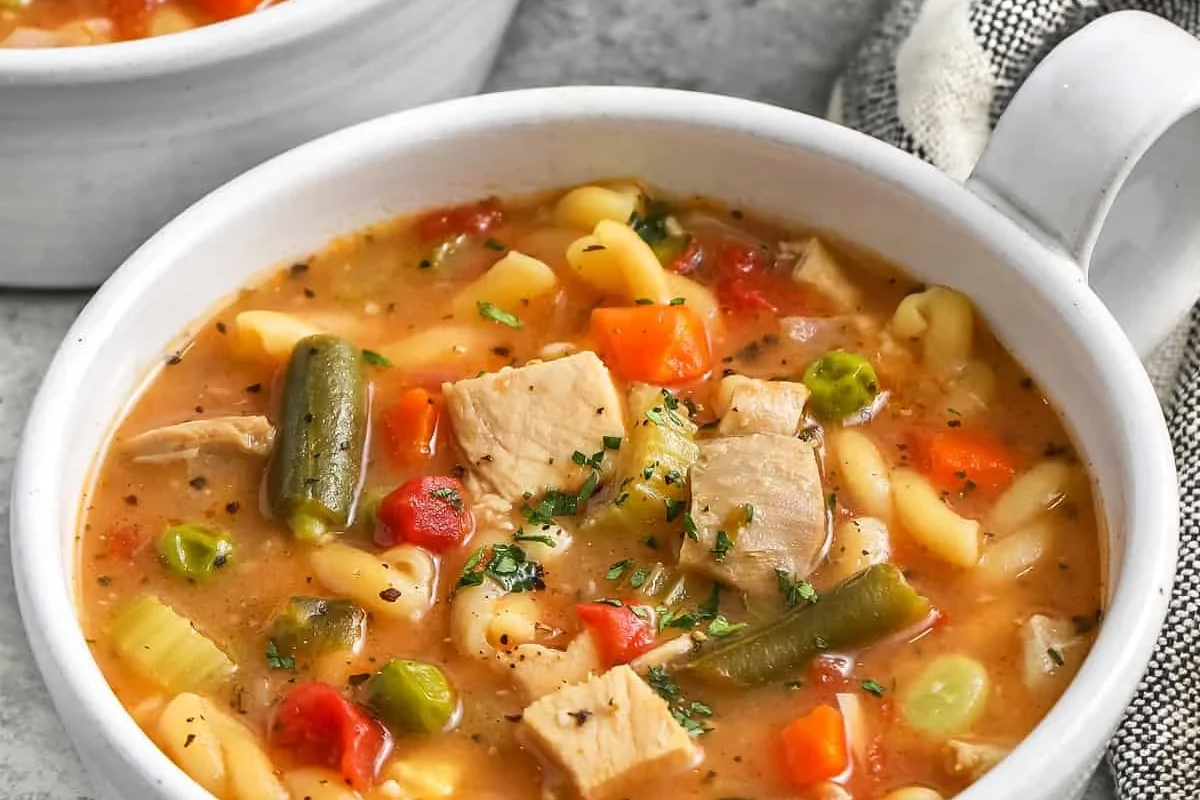
If you prefer a thicker, stew-like chili, use an immersion blender to pulse the mixture just a few times. If you prefer a lighter, more broth-forward soup—similar to a chicken with escarole soup—skip the blending and keep the beans whole.
Common Mistakes to Avoid When Making White Chili
Managing the Heat: Balancing Cajun Spices with Dairy
Cajun seasoning is notoriously variable in its heat levels. Always start with less than you think you need; you can always add more, but you cannot remove it. If the chili becomes too spicy, an extra dollop of sour cream or a splash of half-and-half can act as a buffer.
Preventing Curdled Cream: Temperature Control Tips
To prevent dairy from curdling, temper it first. Take a ladle of the hot broth and whisk it into your cream in a separate bowl before pouring that mixture into the main pot. This gradual temperature change ensures a smooth, non-grainy texture.
Always ensure your chicken reaches an internal temperature of 165°F (74°C) as measured by a food thermometer before serving, especially if you are finishing raw chicken in the pot.
Substitutions and Customizations: Making the Recipe Your Own
Dairy-Free Alternatives and Lower-Calorie Swaps
If you need a dairy-free version, coconut milk or a plant-based cream substitute works surprisingly well with the Cajun spice profile. For those watching their intake, swapping heavy cream for a blend of Greek yogurt and broth provides the desired creaminess with a lighter caloric footprint.
Adding Belizean Flare: Tropical Ingredients to Elevate the Dish
For a true Belizean touch, consider finishing the dish with a squeeze of fresh lime juice or a garnish of chopped cilantro. Some cooks also enjoy adding a hint of sweetness with a touch of roasted corn, which balances the smoky, salty nature of the Cajun spices.
Food Safety, Storage, and Reheating Best Practices
Safe Handling of Chicken and Dairy-Based Soups
Handle raw poultry on separate cutting boards to avoid cross-contamination. Once the chili is cooked, it is a dairy-based product, which means it should not be left out at room temperature for more than two hours.
Proper Storage: Maximizing Freshness in the Fridge and Freezer
Cool the chili quickly by transferring it into shallow containers before refrigerating. It will stay fresh in the refrigerator for up to 3-4 days. For longer storage, freeze it in airtight bags; it will maintain quality for up to 3 months.
How to Reheat Without Compromising Texture
Reheat on the stovetop over low heat, stirring occasionally. If the chili has thickened too much in the fridge, add a tablespoon of chicken stock or water to restore the desired consistency.
- Bloom your spices to maximize the flavor profile.
- Temper your dairy to ensure a silky, non-curdled texture.
- Use fresh aromatics to build a strong, savory foundation.
- Store leftovers in shallow containers for rapid cooling and safety.
Final Verdict: Why This Recipe is a Must-Try Comfort Meal
Cajun white chicken chili is a versatile, flavor-packed dish that brings a welcome intensity to the standard white bean chili format. It is ideal for busy weeknights when you want something substantial and warming. While it requires attention to spice levels and dairy temperatures, the final result is a balanced, restaurant-quality meal that is well worth the effort for any home cook looking to expand their culinary horizons in 2026.
Common Questions
The chili will stay fresh and safe for 3 to 4 days when stored in an airtight container in the refrigerator.
Yes, you can use coconut milk or a plant-based cream substitute to achieve a similar creamy texture without dairy.
Mashing a portion of the beans with a fork or using an immersion blender for a few pulses is the best way to thicken it naturally.
Yes, it freezes well for up to 3 months, though dairy-based soups may slightly change in texture upon thawing.
It pairs perfectly with cornbread, tortilla chips, or a side of lime-cilantro rice for a complete meal.
Frequently Asked Questions
Yes, rotisserie chicken is an excellent time-saving option. Simply shred the meat and add it during the final stages of the simmering process.
Temper the cream by whisking in a little hot broth before adding it to the pot. Keep the heat low and avoid boiling once the dairy is added.
Great Northern or Cannellini beans are preferred for their creamy texture. They hold their shape well while thickening the broth when partially mashed.
Absolutely, it stores well in the refrigerator for up to 4 days. The flavors often deepen and improve after sitting for 24 hours.
Add a dollop of sour cream, plain Greek yogurt, or a splash of extra broth. These additions help neutralize the heat from the Cajun seasoning.
Transfer the chili into shallow, airtight containers to allow for rapid cooling. Refrigerate within two hours of cooking to ensure food safety.