Caesar Dressing with Anchovy Paste

Caesar dressing with anchovy paste is best made by slowly emulsifying oil into a base of egg yolk, lemon, and garlic to create a rich, savory finish. This method ensures a perfectly smooth texture and the signature umami flavor expected of a high-quality dressing.
Making Caesar dressing with anchovy paste is the most reliable way to achieve that signature, savory depth synonymous with high-end restaurant salads. By using a concentrated paste instead of whole fillets, you gain consistent flavor and a smoother texture without the need for intensive mashing.
- Umami Power: Anchovy paste provides the essential savory depth that defines authentic Caesar dressing.
- Emulsion Success: Drizzle oil slowly into the yolk mixture to ensure a stable, thick, and creamy.
- Quality Ingredients: Use fresh, room-temperature eggs and block parmesan to achieve the best results.
- Safety First: Because the recipe uses raw egg yolks, keep it refrigerated and consume within 48.
The Secret to Authentic Caesar Dressing with Anchovy Paste
Defining the Classic Caesar Profile
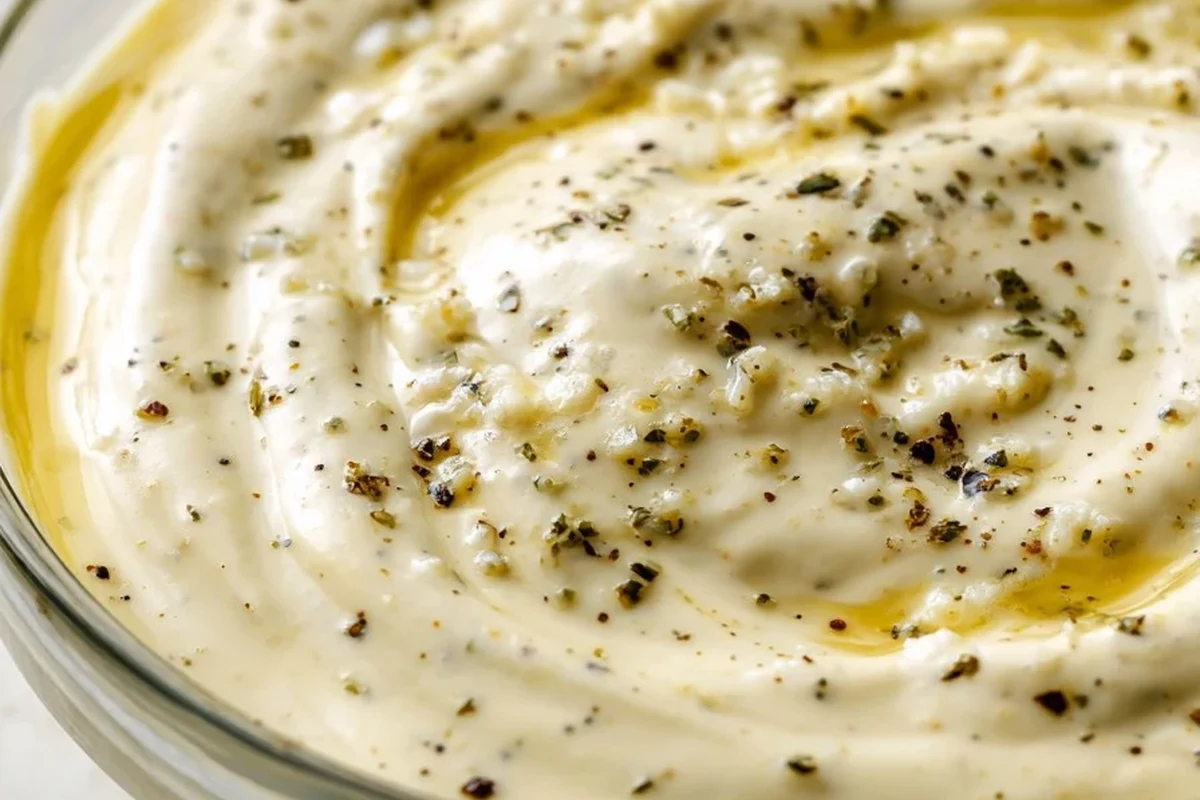
A true Caesar dressing is defined by a delicate balance of four pillars: salt, acid, fat, and umami. It should be thick enough to coat crisp romaine leaves thoroughly but bright enough to cut through the richness of parmesan cheese and egg yolks. In 2026, many home cooks are returning to these foundational techniques, moving away from bottled alternatives to reclaim the bright, punchy profile of a scratch-made emulsion.
Why Anchovy Paste is the Essential Umami Catalyst
Anchovy paste serves as the “secret” ingredient that provides the dressing with its characteristic complexity. While the dressing remains balanced, the anchovy provides a savory, briny backbone that anchors the garlic and lemon. It is the primary umami catalyst, elevating the dressing from a simple creamy sauce to a bold, complex condiment.
Anchovies have been a culinary staple for centuries due to their high concentration of glutamates, which naturally enhance the savory flavor of any dish they touch.
The Anatomy of a Perfect Caesar Dressing
The Core Ingredients: Quality Matters
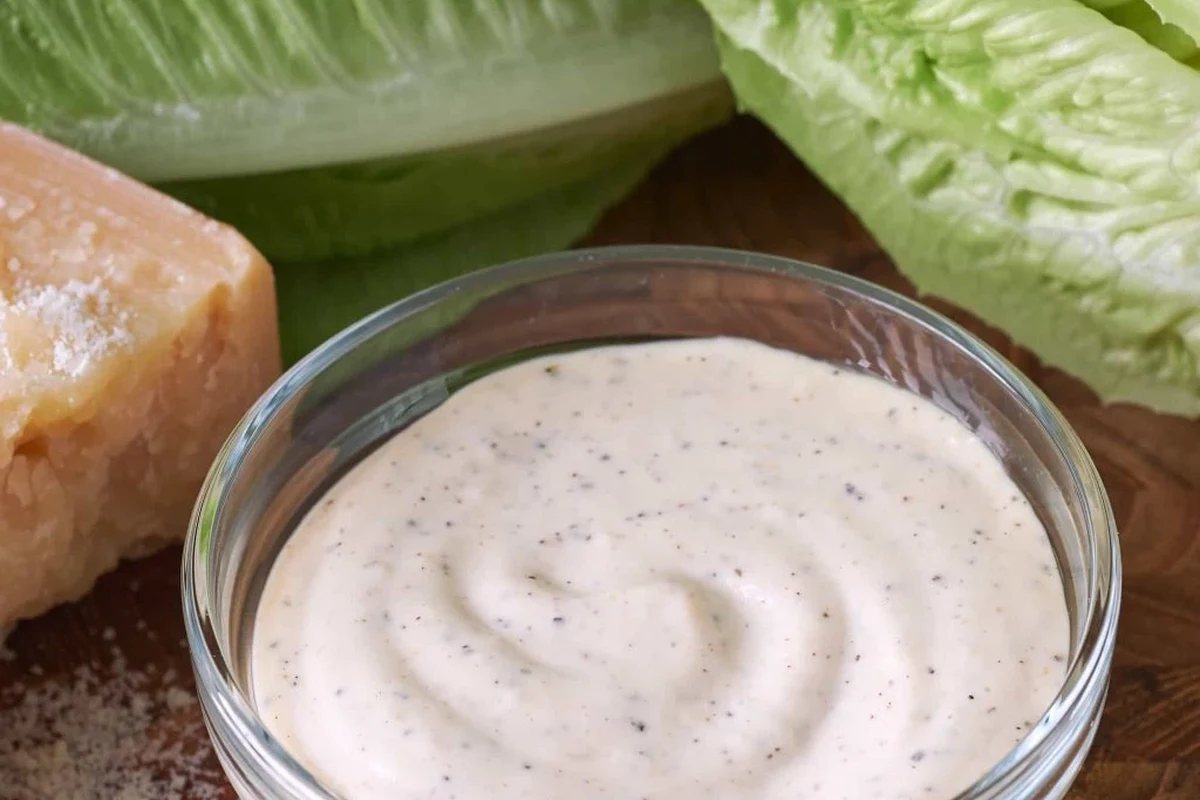
The quality of your ingredients dictates the outcome. Start with fresh, high-quality egg yolks, which act as the emulsifying agent. Freshly squeezed lemon juice is non-negotiable for the necessary acidity, and extra virgin olive oil provides the body. Always use freshly grated Parmigiano-Reggiano, as pre-grated varieties often contain anti-caking agents that can disrupt the texture of your dressing.
Anchovy Paste vs. Whole Fillets: A Practical Comparison
Using paste is a matter of efficiency and consistency. While some purists argue for mashing whole salt-packed fillets, paste is pre-processed to a uniform consistency, ensuring you don’t end up with salty “hot spots” in your bowl. It integrates seamlessly into the emulsion, making it the superior choice for home cooks balancing busy schedules.
The Role of Emulsification: Oil, Egg, and Acid
Emulsification is the process of forcing two liquids that don’t want to mix—oil and water-based ingredients like lemon juice and egg—into a stable, creamy state. The lecithin in the egg yolk acts as the bridge, holding the oil droplets in suspension. Without this steady, slow addition of oil, the dressing will “break” or separate.
Mastering the Technique: How to Make Caesar Dressing from Scratch
Step-by-Step Preparation Guide
Whisk together egg yolks, anchovy paste, minced garlic, Dijon mustard, and lemon juice in a bowl until smooth.
Begin adding your oil drop-by-drop while whisking constantly. Once the mixture starts to thicken, you can increase to a thin, steady stream.
Fold in your freshly grated parmesan and season with black pepper to taste.
Achieving the Perfect Texture: Emulsification Mastery
The key to success is patience. If you add the oil too quickly, the proteins in the egg won’t have time to bond with the fat, resulting in a thin, oily mess. Keep your bowl steady by placing it on a damp kitchen towel to prevent it from sliding while you whisk.
Common Mistakes That Ruin the Emulsion
One common error is using cold ingredients. Bringing your eggs and oil to room temperature before starting helps the emulsion form more readily. Additionally, failing to whisk vigorously enough can prevent the oil from breaking down into the tiny droplets required for a creamy, stable texture.
Ingredient Selection and Sourcing Guide
- Look for tubes of anchovy paste that list only anchovies, salt, and olive oil as ingredients.
- Avoid oils with very strong flavors, such as virgin olive oil, which can overpower the delicate balance of the anchovy.
- Always opt for block cheese that you grate yourself for the best melting and emulsification properties.
Substitution Guide: When You’re Missing an Ingredient
Replacing Anchovy Paste: What Actually Works?
If you are out of anchovy paste, Worcestershire sauce is the most common substitute, as it traditionally contains anchovies. However, use it sparingly as it also contains vinegar and spices that may alter the profile. For a vegan alternative, capers or miso paste can provide a similar briny, salty punch.
Dairy-Free and Egg-Free Adaptations
For those avoiding eggs, aquafaba (chickpea water) or high-quality vegan mayonnaise can serve as a base. If omitting dairy, nutritional yeast or a vegan parmesan substitute can provide the necessary savory note, though the mouthfeel will differ slightly from the traditional recipe.
Food Safety, Storage, and Shelf Life
Because this recipe uses raw egg yolks, it is important to use pasteurized eggs if you are serving individuals with compromised immune systems. According to food safety guidelines, homemade dressings with raw eggs should be refrigerated immediately and consumed within 24 to 48 hours.
Troubleshooting Your Dressing
If your dressing separates, don’t panic. You can often fix a “broken” emulsion by placing a fresh egg yolk in a clean bowl and very slowly whisking the broken dressing into the new yolk, a tablespoon at a time. If the flavor is too sharp, a tiny pinch of sugar or an extra tablespoon of oil can help round out the acidity.
Final Recommendations for the BelizeanRecipe Kitchen
Making your own Caesar dressing is a rewarding culinary exercise that offers a significantly fresher taste than store-bought versions. While it requires a bit of technique, the result is a versatile condiment that elevates simple greens into a restaurant-quality starter. If you are looking for more ways to enhance your kitchen setup, consider exploring tools that streamline your prep, much like how specialized equipment improves dash cam for car with parking mode performance or helps you find the best dash cam for truckers with night vision. For those who prioritize safety and visibility on the road, knowing which best dash cam for subaru with eyesight to choose is just as important as selecting the right ingredients for your salad.
Homemade Caesar dressing with anchovy paste is worth the effort for its superior flavor and texture. It is an ideal weekend project for home cooks who value scratch-made quality and want to impress at their next dinner gathering.
Frequently Asked Questions
Yes, but due to the raw egg content, it should be stored in an airtight container in the refrigerator and used within 24 to 48 hours.
The dressing is likely thin because the oil was added too quickly or the emulsion did not fully stabilize. Ensure you are drizzling the oil slowly while whisking vigorously.
No, they are different. While both provide umami, anchovy paste is a concentrated form of the fish and has a thicker texture, whereas fish sauce is a fermented liquid.
You can use a blender or food processor to create the emulsion. Simply combine all ingredients except the oil, then slowly drizzle the oil through the top opening while the machine is running.
Yes, using pasteurized eggs is a great way to reduce the risk of foodborne illness when making dressings that call for raw yolks.
A little goes a long way. Start with one teaspoon for a standard batch, then taste and adjust based on your preference for saltiness and umami.