Boiled Chicken Breast Calories (Per Serving)

A 3-ounce serving of boneless, skinless boiled chicken breast contains approximately 130 to 140 calories. This lean cooking method is an excellent way to prepare protein without adding extra fats.
Boiled chicken breast is a foundational staple in kitchens worldwide, prized for its versatility and lean nutritional profile. Whether you are prepping for a light salad or need a neutral base for a complex sauce, understanding the caloric impact of your cooking method is the first step toward balanced meal planning in 2026.
- Calorie Count: A 3-ounce portion typically provides 130-140 calories.
- Cooking Method: Always use a gentle simmer rather than a hard boil to maintain texture.
- Safety First: Ensure the chicken reaches an internal temperature of 165°F (74°C).
- Flavor Tip: Season your boiling liquid with aromatics to prevent bland results.
Boiled Chicken Breast Calories: Everything You Need to Know
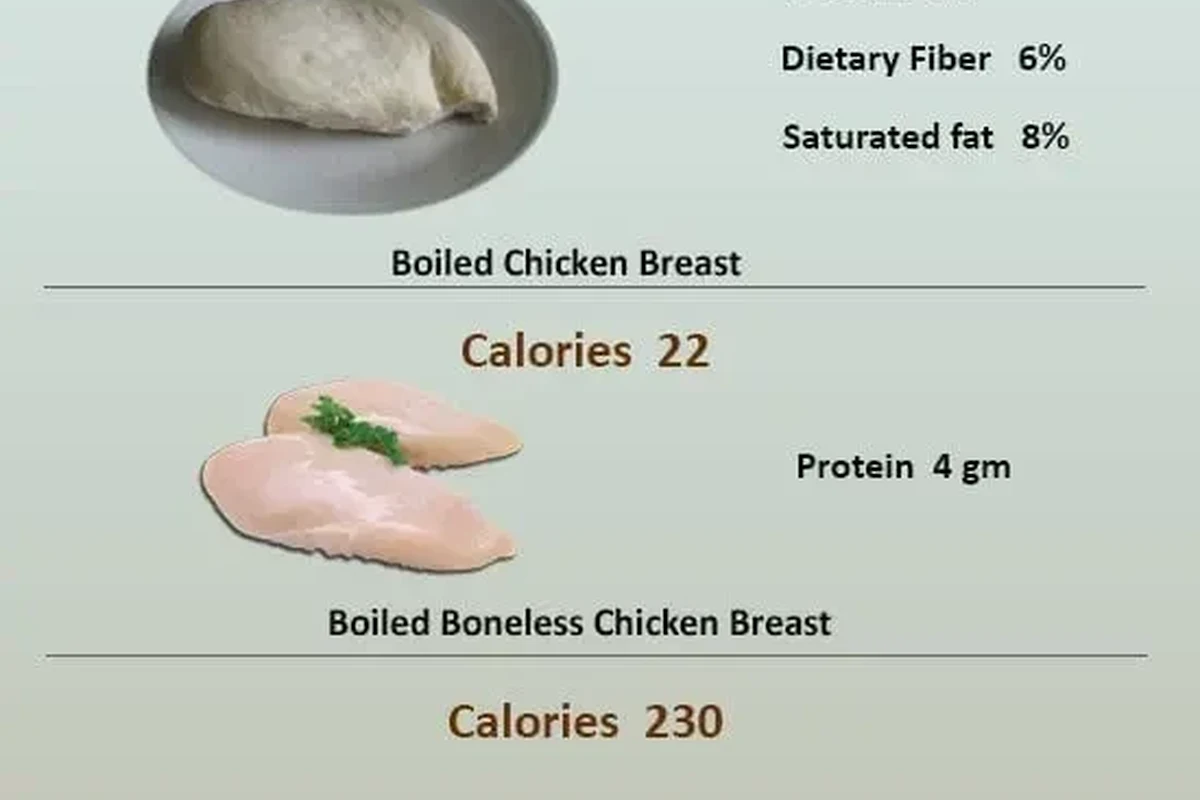
When you boil chicken breast, you are essentially poaching it in water or broth. Because this method uses no added fats like oils or butter, it remains one of the lowest-calorie ways to prepare poultry. On average, a 3-ounce (85-gram) serving of skinless, boneless boiled chicken breast contains approximately 130 to 140 calories. This figure can fluctuate based on the specific size of the breast and whether the meat was harvested with excess visible fat.
Understanding the Caloric Profile of Boiled Chicken Breast

The Nutritional Breakdown per Serving
Beyond the calorie count, boiled chicken breast is a powerhouse of high-quality protein. A standard 3-ounce serving typically provides about 26 grams of protein with less than 3 grams of total fat. It is naturally devoid of carbohydrates, making it an ideal inclusion for those monitoring their macronutrient intake. By 2026 standards, it remains a gold-standard ingredient for lean protein consumption.
Why Boiling Impacts Calorie Density
Boiling is a “passive” cooking method that does not introduce external energy-dense ingredients. Unlike frying or sautéing, where the chicken absorbs fats from the pan, boiling keeps the caloric density tied strictly to the meat itself. If you boil the chicken with the skin on, the calories will increase significantly due to the fat content in the skin, even if you remove it before eating. For the lowest calorie count, always start with skinless, boneless cuts.
To keep your chicken moist without adding oil, try a gentle poach rather than a hard boil. Bring your liquid to a boil, then reduce the heat to a low simmer before adding the chicken.
Selecting the Best Chicken Breast for Your Kitchen
Evaluating Quality and Sourcing
When shopping, look for chicken breasts that appear plump and have a uniform pinkish hue. Avoid packages with excessive liquid, as this can sometimes indicate that the chicken has been previously frozen or processed with added saline solutions. Always check the label for “added broth” or “sodium solution,” as these can increase the sodium content per serving without adding significant calories.
When to Choose Organic vs. Conventional
The choice between organic and conventional often comes down to personal preference and budget. Organic chicken is raised according to specific standards regarding feed and access to the outdoors. While the calorie count remains virtually identical between the two, many home cooks prefer organic sourcing for its potential impact on flavor and texture. Regardless of the label, focus on proper handling to ensure food safety.
Mastering the Boiling Technique: A Step-by-Step Guide
Essential Ingredients for Flavorful Results
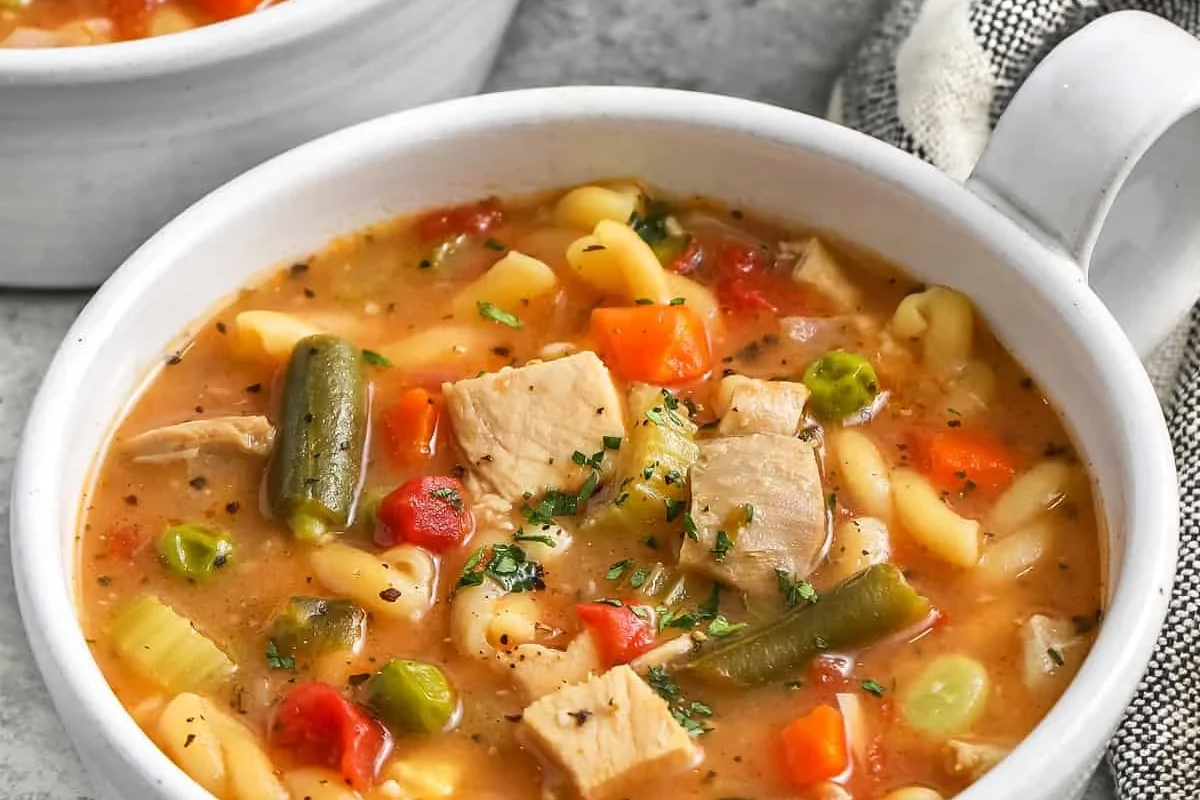
Boiling does not have to be bland. To infuse flavor into the meat, add aromatics like bay leaves, peppercorns, garlic cloves, onion chunks, or fresh herbs to your boiling liquid. If you are preparing a dish like Zupas Chicken Noodle Soup, using a flavorful homemade stock as your boiling medium will yield significantly better results than plain water.
The Perfect Poach: Achieving Texture Without Dryness
Common Mistakes When Boiling Chicken Breast
The Dangers of Overcooking
The most common mistake is allowing the water to boil vigorously for the entire duration. High heat causes the muscle fibers to tighten rapidly, resulting in a rubbery, dry texture. Always use a gentle simmer. Overcooked chicken loses its internal moisture, making it difficult to incorporate into recipes like Zoes Kitchen Chicken Salad, where a tender texture is desired.
Under-seasoning and Flavor Loss
Boiling can leach flavor out of meat if the water is not seasoned. Always salt your water generously—it acts as a brine, helping the chicken retain moisture while cooking. Think of the cooking liquid as a base for flavor development.
Safe Handling and Food Safety Protocols
Always use a meat thermometer to confirm the internal temperature of 165°F (74°C). Never rely on color or cooking time alone to determine if the chicken is safe to eat.
Preventing Cross-Contamination
Keep raw chicken away from fresh produce and ready-to-eat foods. Use a dedicated cutting board for raw poultry and wash all surfaces with hot, soapy water immediately after contact. Avoid rinsing raw chicken in the sink, as this can spread bacteria via water droplets.
Storage, Shelf Life, and Reheating Best Practices
Proper Refrigeration and Freezing Techniques
Store cooked chicken in an airtight container in the refrigerator for up to 3 to 4 days. If you are meal prepping, you can freeze boiled chicken breast for up to 3 months. When cooling, do not leave the chicken at room temperature for more than 2 hours.
How to Reheat Without Toughness
Reheating boiled chicken can easily lead to dryness. To avoid this, gently reheat it in a small amount of broth or water on the stovetop. If you are using it for a recipe like Zoup White Chicken Chili, add the pre-cooked chicken toward the end of the cooking process to warm it through without overcooking the fibers.
Integrating Boiled Chicken into a Balanced Diet
Ideal Pairings for Low-Calorie Meals
Boiled chicken is a versatile canvas. Pair it with steamed vegetables, quinoa, or fresh greens to create a nutrient-dense meal. Its neutral flavor profile makes it perfect for incorporating into various global cuisines, from light salads to hearty soups.
When Boiled Chicken is Your Best Choice
Choose this method when you need a quick, reliable protein source that won’t distract from other flavors. It is particularly useful for those who prefer to control their fat intake or are looking for a simple, efficient way to prepare protein for multiple meals throughout the week.
Final Verdict: The Role of Boiled Chicken in Modern Cooking
Boiled chicken breast remains an essential technique for any home cook looking to manage calories without sacrificing protein. By focusing on gentle heat and proper seasoning, you can transform a simple piece of meat into a delicious, reliable foundation for countless meals. It is a timeless, efficient practice that continues to be a staple in the modern kitchen of 2026.
Common Questions
A standard 3-ounce boiled chicken breast is about 130-140 calories.
No, boiling retains most of the protein, though some water-soluble vitamins may leach into the liquid.
It is safer to thaw chicken completely before boiling to ensure even cooking and food safety.
Using broth adds more flavor, but it may slightly increase the sodium content of the dish.
Use a digital meat thermometer to ensure the internal temperature is exactly 165°F (74°C).
Frequently Asked Questions
A 3-ounce serving of boneless, skinless boiled chicken breast typically contains between 130 and 140 calories.
It can become dry if boiled too vigorously. To keep it moist, use a gentle simmer instead of a hard boil and remove it from the heat once it reaches 165°F.
Yes, seasoning the water with salt, herbs, and aromatics is essential for infusing flavor into the chicken while it cooks.
Cooked chicken breast can be safely stored in an airtight container in the refrigerator for 3 to 4 days.
Reheat it gently on the stovetop with a splash of broth or water to keep the meat tender and prevent it from drying out.
Because it is lean and free of added fats, it is a common choice for those looking to maintain a calorie-conscious diet. Please consult with a healthcare professional for personalized dietary advice.