Baked Potato in Convection Oven

Baking a potato in a convection oven uses circulating air to create a perfectly crispy skin and a light, fluffy center. Simply scrub, dry, oil, and bake at 400°F until the internal temperature reaches 205°F.
Baking a potato in a convection oven is the most efficient way to achieve that sought-after restaurant-style contrast: a crisp, salt-crusted skin yielding to a perfectly fluffy, steam-filled interior. By utilizing the circulating air of a convection setting, you can shave valuable time off your cooking process while achieving a superior texture compared to a conventional static oven.
- Temperature: Lower your standard bake temperature by 25°F for convection.
- Airflow: Use a wire rack to ensure hot air reaches the bottom of the potato.
- Prep: Always pat the skin completely dry to ensure maximum crispness.
- Safety: Pierce the skin with a fork to prevent steam buildup and potential bursting.
The Secret to Crispy Skin: Baking the Perfect Potato in a Convection Oven
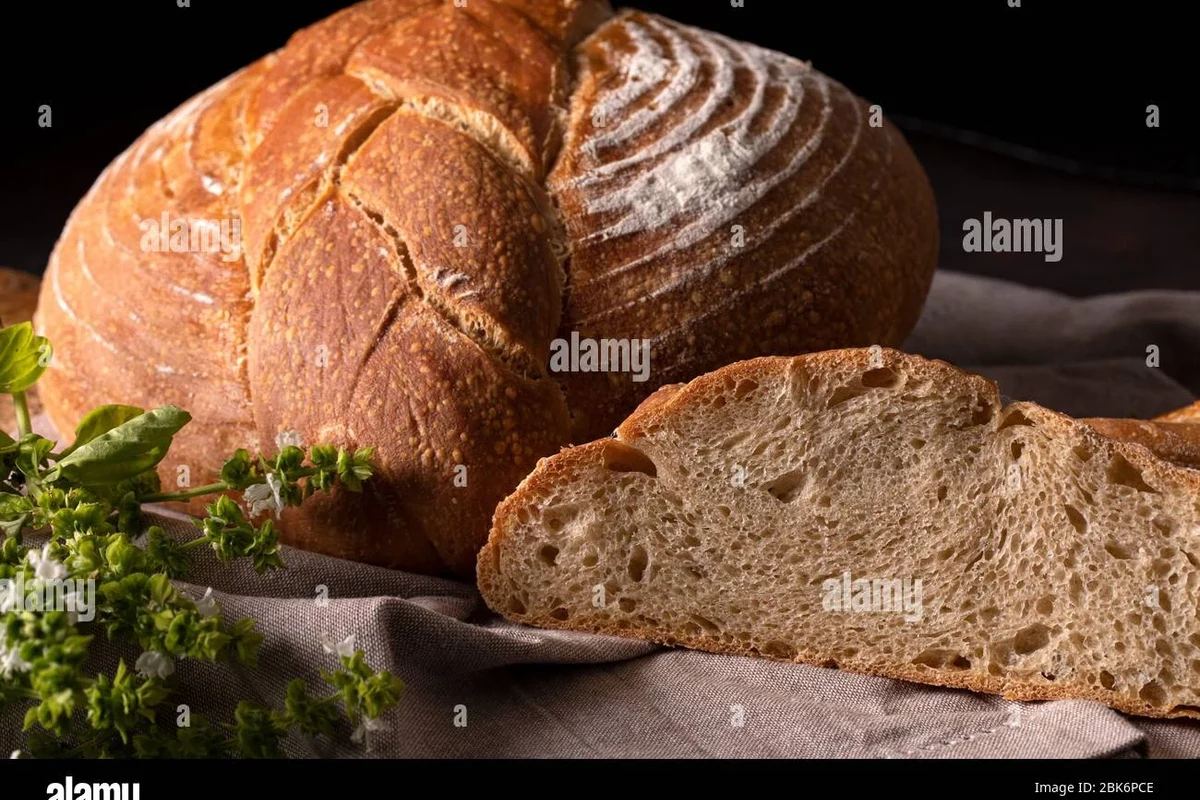
The convection setting on your oven isn’t just for roasting meats; it is a game-changer for tubers. While a traditional oven relies on radiant heat, which can lead to uneven cooking and soft, leathery skins, convection forces hot air to circulate around the entire surface of the potato. This constant movement of heat dehydrates the outer layer of the skin much faster, resulting in a delightfully crunchy exterior that holds up perfectly under a dollop of butter or sour cream.
If you are planning a full meal, you can easily pair your potatoes with grill chicken in oven recipes. Since convection ovens distribute heat so efficiently, you can often cook your protein and starch simultaneously, provided there is enough space for air to circulate between the items.
What is Convection Roasting and Why It Wins for Potatoes
Understanding the Convection Advantage
Convection roasting uses an internal fan to circulate hot air throughout the oven cavity. This eliminates “cold spots” that often occur in standard ovens. For a potato, this means the heat penetrates the vegetable evenly from all angles, ensuring the center reaches the correct temperature without the bottom side becoming mushy from sitting on a solid baking sheet.
The Difference Between Standard and Convection Settings
In a standard thermal oven, the air is stagnant. In convection mode, the fan speeds up the heat transfer. Because of this efficiency, you generally need to lower your standard recipe temperature by about 25°F (approx. 15°C) to prevent the exterior from burning before the inside is tender. In 2026, many modern home kitchens are equipped with over the range convection microwave units, which offer this same powerful fan-circulated heat in a compact footprint.
Essential Ingredients and Selection Criteria for the Best Baked Potato
Choosing the Right Potato Varieties
For the best results, reach for starchy, high-amylose varieties like Russets or Idaho potatoes. These have a low moisture content and a thick skin, which allows them to fluff up beautifully once the heat breaks down the starches. Avoid waxy potatoes like Red Bliss or Yukon Golds for this specific method, as they tend to hold their shape and become dense rather than light and airy.
The Role of Oil, Salt, and Aromatics
Oil is not just for flavor; it is a conductor of heat. A light coating of high-smoke-point oil (like avocado, grapeseed, or canola) helps the skin crisp up. Kosher salt or sea salt, when applied to the oiled skin, draws out surface moisture. If you enjoy extra depth, you can sprinkle a bit of garlic powder or smoked paprika on the skin before baking.
Mastering the Technique: Step-by-Step Convection Baking
Scrub the potatoes thoroughly under cold water to remove dirt. Dry them completely with a paper towel; moisture on the skin will steam rather than crisp.
Use a fork to pierce the skin 4–6 times. This is vital for safety, as it creates vents for steam to escape, preventing the potato from bursting during the baking process.
Rub the potatoes with oil and a generous amount of salt. Place them directly on the center oven rack or a wire rack set over a baking sheet to ensure maximum airflow underneath.
Optimal Temperature and Fan Settings for Convection
Set your oven to 400°F (200°C) on the convection roast setting. If your oven has a “convection bake” setting, that also works well. The goal is to keep the air moving while maintaining a high enough temperature to crisp the skin. If you find your potatoes are browning too quickly, drop the temperature to 375°F (190°C) after the first 20 minutes.
Real-Kitchen Benefits and Limitations
Why Convection Saves Time and Energy
Because the air is actively moving, the heat transfer is faster. You will typically find that your potatoes are done 15–20% faster than they would be in a standard oven. This is a significant advantage when preparing a chicken, leek, and potato soup recipe or other complex meals where timing is everything.
- Uniformly crispy skin
- Faster cooking times
- Better energy efficiency
- Requires lower temperature adjustments
- Can dry out thin-skinned varieties
Troubleshooting Common Mistakes and Achieving Doneness
Identifying the Perfect Internal Temperature
A perfectly baked potato should reach an internal temperature of approximately 205°F to 210°F (96°C–99°C). At this stage, the starches are fully gelatinized. If you don’t have a thermometer, the potato should yield easily to gentle pressure when squeezed (use an oven mitt!) and a knife should slide into the center with zero resistance.
Fixing Under-Baked or Over-Dried Potatoes
If your potato is hard in the center but dark on the outside, you likely had your temperature set too high. Reduce the heat and wrap the potato in foil for the final 10 minutes to help the steam finish the interior. If the potato is dry, it may have been left in the oven too long after reaching doneness.
Safety, Storage, and Reheating Best Practices
Never store baked potatoes wrapped in foil at room temperature. The anaerobic environment created by the foil can encourage the growth of Clostridium botulinum bacteria. Always refrigerate leftovers promptly in an airtight container within two hours of cooking.
Proper Storage for Leftovers
Store your cooked potatoes in the refrigerator for up to 3–4 days. If you have a large batch, you can scoop out the flesh and freeze it, though the texture of the skin will not survive the freezing process well.
Reviving Texture: How to Reheat Without Turning It Mushy
To avoid a mushy microwave potato, reheat them in the convection oven at 350°F (175°C) for about 10–15 minutes. This re-crisps the skin and warms the center without turning the starch into paste.
Final Verdict: Is Convection Baking the Gold Standard?
Baking a potato in a convection oven is arguably the gold standard for home cooks who prioritize texture. While it requires a bit of attention to temperature settings, the result is a superior, crispy-skinned, fluffy-centered potato that outperforms the standard bake. It is an ideal method for those who frequently use their oven for roasting and want to maximize the utility of their kitchen appliances in 2026.
Common Questions
Yes, always preheat your convection oven fully before adding the potatoes to ensure even cooking from the start.
Yes, you can line your tray with parchment paper for easier cleanup, but ensure it doesn’t wrap up the sides of the potato, which blocks airflow.
Try to select potatoes of similar size for a single batch; if they vary, remove the smaller ones as they finish to prevent over-drying.
Yes, a light coating of oil helps conduct heat to the skin and creates that signature crispy texture.
The potato is ready when it reaches an internal temperature of 205°F or feels soft when squeezed with an oven mitt.
Frequently Asked Questions
No, you should not wrap them in foil. The goal of convection is to circulate air, and foil blocks that air, preventing the skin from becoming crispy.
Yes, it is standard practice to lower the temperature by about 25°F compared to a standard oven recipe to ensure the potato cooks through without drying out.
At 400°F, medium-sized potatoes usually take between 45 and 60 minutes. Cooking time varies based on the size of the potato and your specific oven model.
Yes, convection is excellent for multi-rack cooking. Ensure there is at least an inch or two of space between potatoes to allow the hot air to circulate freely.
This usually happens if the potato was damp before baking or if the oven temperature was too low. Always pat the skin dry and use a high enough heat.
They are safe for all, but they work best on starchy varieties like Russets. Waxy potatoes may dry out too much before the center is fully tender.