How Long Do I Boil Chicken Legs

Boil chicken legs for 30 to 40 minutes until they reach an internal temperature of 165°F. This gentle cooking process ensures the meat remains tender and flavorful for your favorite recipes.
Boiling chicken legs typically takes 30 to 40 minutes, depending on their size and whether they are fresh or frozen. This simple technique is a staple for creating flavorful stocks and perfectly tender meat for various home-cooked meals.
- Target Time: Boil for 30–40 minutes for optimal tenderness.
- Safety First: Always confirm an internal temperature of 165°F (74°C).
- Flavor Boost: Add aromatics like garlic and onions to the poaching liquid.
- Prevent Rubbery Meat: Avoid a rapid, rolling boil; keep the water at a gentle simmer.
How Long Do I Boil Chicken Legs: The Quick Answer
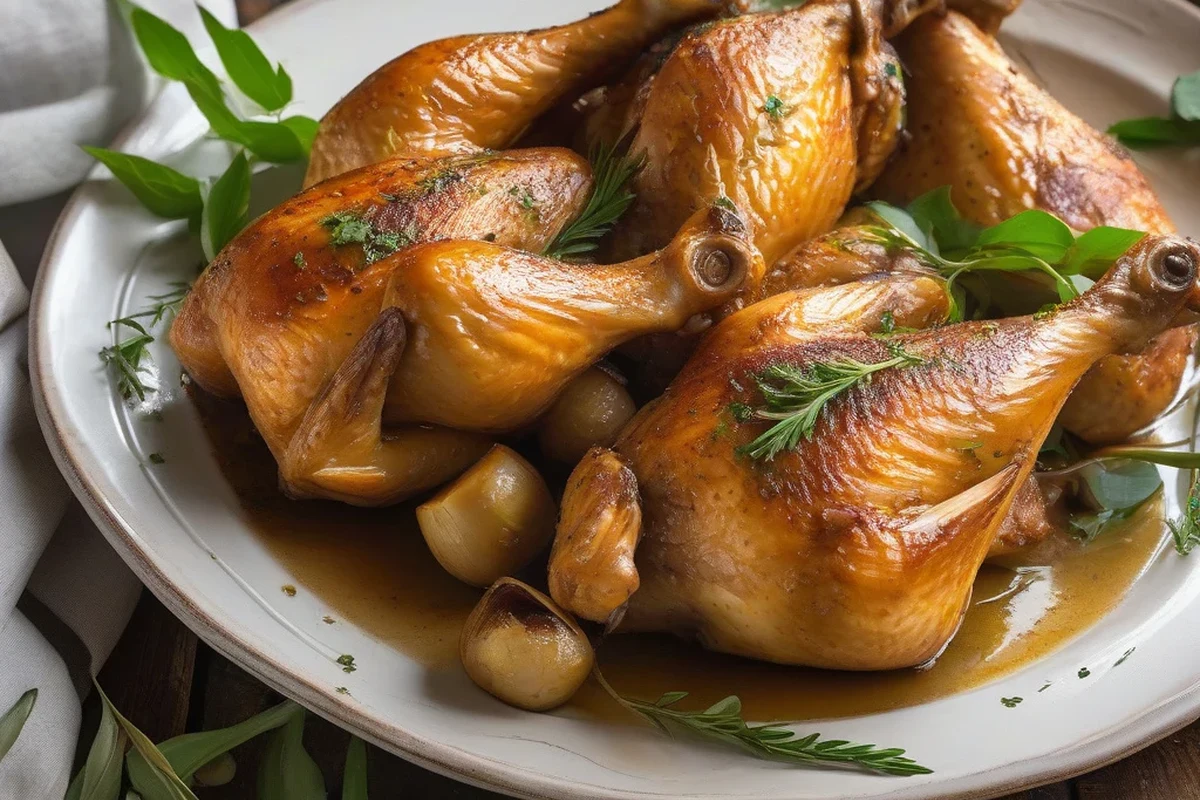
To ensure your chicken legs are fully cooked and safe to eat, boil them for approximately 30 to 40 minutes. Always verify that the internal temperature reaches 165°F (74°C) to meet standard food safety requirements.
Understanding the Boiling Method for Chicken Legs
Why Boiling is a Secret Weapon in Belizean Cooking
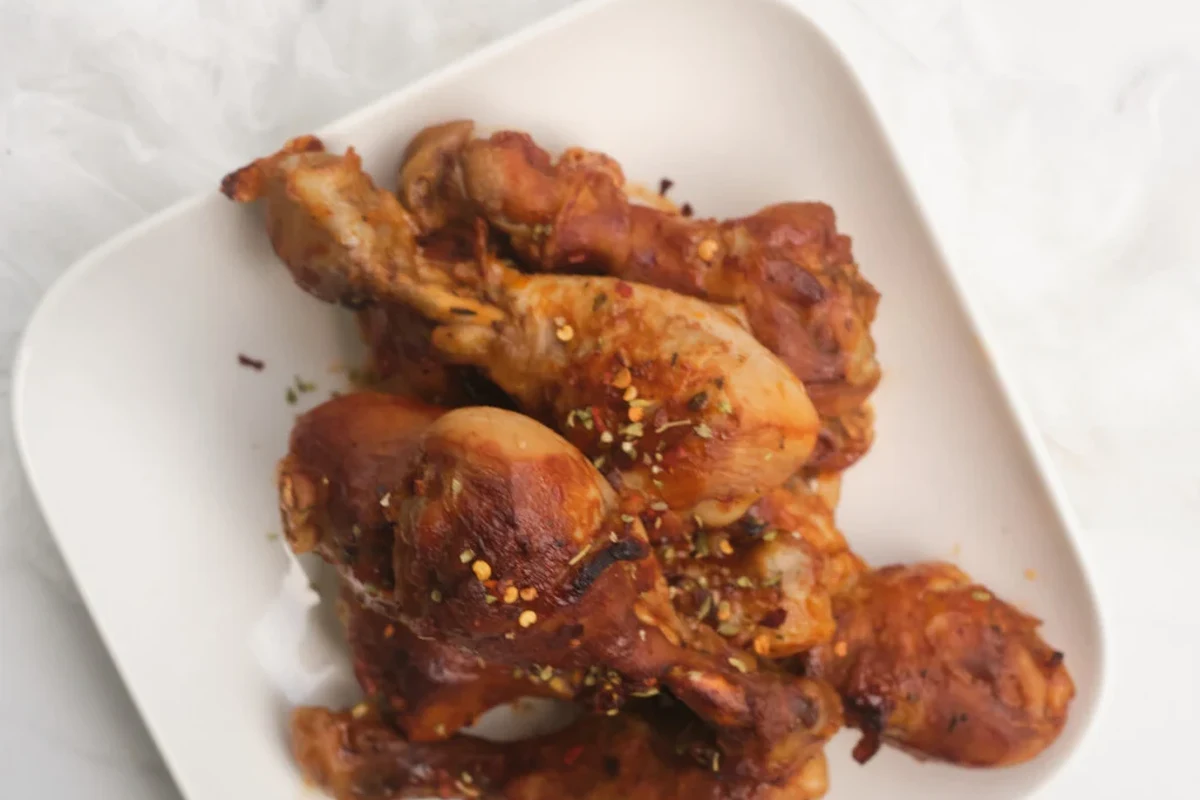
In the Belizean kitchen, boiling is more than just a way to cook; it is the foundation of deep, layered flavors. By gently simmering chicken legs, you extract collagen and essence from the bone, which is essential for traditional stews, soups, and rice dishes. It is a reliable, hands-off method that allows the meat to become succulent enough to shred or serve whole in a hearty broth.
The Difference Between Boiling and Poaching
While often used interchangeably, the two techniques produce different results. Boiling involves cooking liquid at a rapid, rolling bubble, which is effective for quick cooking or hard-boiling eggs. Poaching, however, uses a gentle, barely-moving liquid (a slight simmer). For chicken legs, a “gentle boil”—where small bubbles rise steadily—is ideal. It ensures the meat cooks evenly without becoming tough or stringy.
If you are looking for inspiration for your next meal, you can find great meal prep ideas with chicken breast or legs that leverage the versatility of boiled poultry.
Essential Ingredients and Prep for Perfect Boiled Chicken
Selecting the Right Chicken Legs: Fresh vs. Frozen
Whether you choose fresh or frozen legs, consistency is key. Fresh legs generally cook slightly faster. If you are starting with frozen legs, you must account for extra time to allow the meat to thaw safely during the cooking process. Always ensure the legs are of high quality and stored correctly before they hit the pot.
Building the Flavor Profile: Aromatics and Seasonings
Water alone results in bland chicken. To elevate your dish, toss in aromatics like onions, garlic, celery, and fresh herbs. If you want to refine your flavor game, explore the best spices for chicken to infuse the poaching liquid with a Caribbean flair. Adding a splash of vinegar or a squeeze of lime juice can also help tenderize the meat slightly during the long simmer.
Step-by-Step Technique: How to Boil Chicken Legs Properly
Phase 3: Testing for Doneness and Safety Cues
Visual cues can be deceiving. The most reliable way to know your chicken is ready is by using a digital meat thermometer. Insert the probe into the thickest part of the leg, avoiding the bone. Once the thermometer reads 165°F (74°C), the chicken is safe to consume.
Food Safety and Handling: Essential Kitchen Best Practices
Never leave raw chicken out on the counter to thaw. Always thaw in the refrigerator to prevent bacterial growth, and wash your hands and surfaces thoroughly after handling raw poultry.
Cross-contamination is a risk in any kitchen. Keep raw chicken separate from your vegetables and cooked items. By 2026, many home cooks have shifted toward using dedicated color-coded cutting boards to minimize these risks effectively.
Common Mistakes When Boiling Chicken Legs
Avoiding Overcooking: The “Rubber Texture” Trap
Boiling chicken for too long will result in dry, rubbery meat. Once the internal temperature hits the safety threshold, remove the legs from the liquid immediately. If you leave them sitting in the hot broth, the carry-over heat will continue to cook the meat, leading to a loss of moisture.
Why You Should Never Skip the Skimming Process
As the chicken boils, you may notice a foamy, greyish scum rising to the surface. This is simply coagulated protein. Skim this off with a spoon to ensure your broth remains clear and clean-tasting, especially if you plan to use the liquid for a soup or sauce.
Storage, Reheating, and Repurposing Your Boiled Chicken
Boiled chicken is a meal-prep champion. Store leftovers in an airtight container in the refrigerator for up to 3 to 4 days. If you need to reheat, do so gently—perhaps by adding the meat back into a warm sauce or soup—to avoid drying it out.
If you have extra, check out our favorite Belizean chicken tacos recipe, which is the perfect way to repurpose your tender, pre-boiled chicken legs.
Comparison: Boiling vs. Other Cooking Methods
| Method | Texture | Best Use |
|---|---|---|
| Boiling | Soft, tender | Soups, stews, shredded salads |
| Roasting | Crispy skin | Main course, Sunday dinner |
| Grilling | Smoky, firm | Casual outdoor meals |
Final Verdict: Mastering the Boil for Better Meals
Boiling chicken legs is a fundamental skill that pays dividends in flavor and convenience. By maintaining a gentle simmer, seasoning your water, and respecting food safety temperatures, you ensure a high-quality result every time. Whether you are prepping for a week of lunches or building a base for a traditional Belizean soup, this method remains one of the most reliable ways to handle poultry in the home kitchen.
Common Questions
It typically takes 30 to 40 minutes depending on the size of the legs.
No, a gentle, steady simmer is better to prevent the meat from becoming tough.
Use a meat thermometer to check that the internal temperature has reached 165°F (74°C).
Yes, the liquid becomes a flavorful stock that can be used for soups or rice dishes.
Absolutely, adding salt, herbs, and aromatics is essential for flavorful chicken.
Frequently Asked Questions
Chicken legs should be boiled for 30 to 40 minutes. Always verify with a meat thermometer that the internal temperature reaches 165°F (74°C).
Yes, but you must add extra time to the cooking process. Ensure the water returns to a simmer after adding the frozen legs and verify the internal temperature carefully.
Toughness usually results from boiling at too high a temperature or cooking the meat for too long. Use a gentle simmer and remove the chicken as soon as it reaches 165°F.
Add aromatics like onions, garlic, carrots, celery, and fresh herbs to the water. A pinch of salt and a splash of lime juice can also significantly improve the final flavor.
Boiled chicken can be stored in an airtight container in the refrigerator for 3 to 4 days. Ensure it is cooled to room temperature before refrigerating.
It is a matter of preference. Leaving the skin on adds more flavor and richness to the broth, but removing it results in a lower-fat, cleaner-tasting liquid.