Chicken Thigh Calories (No Skin): Nutrition Guide

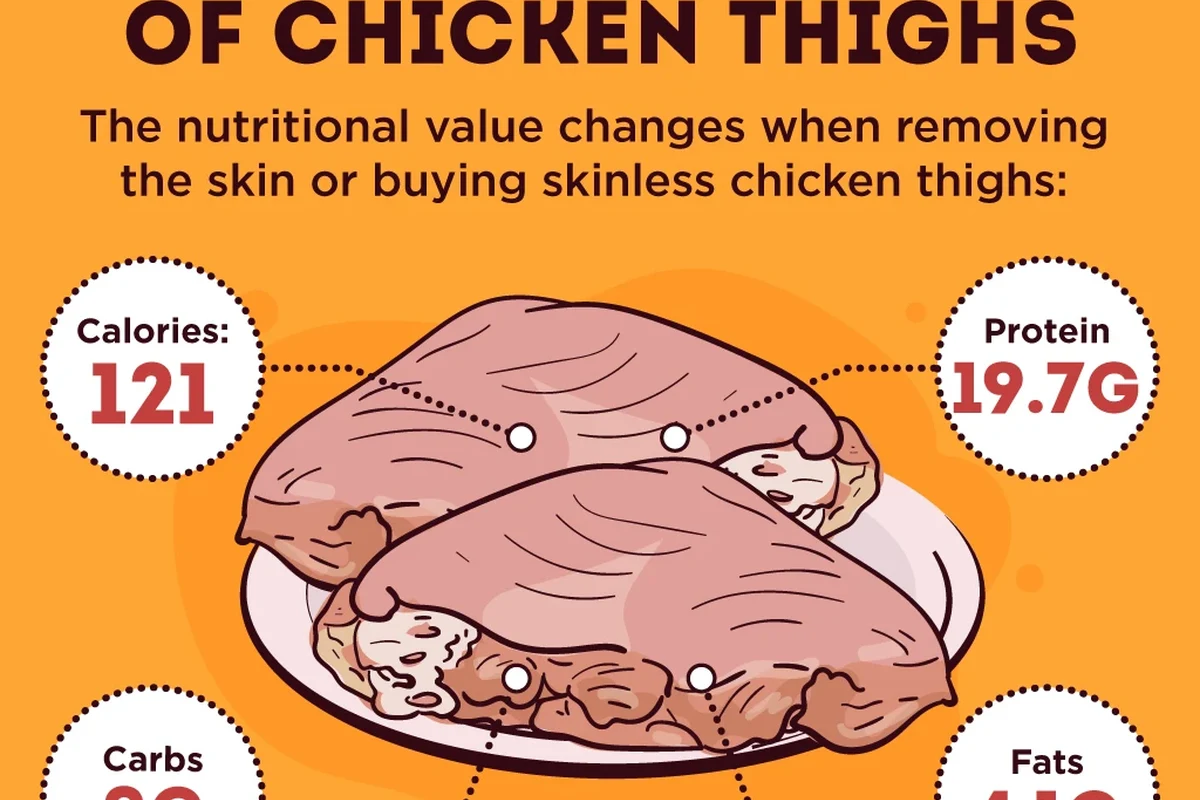
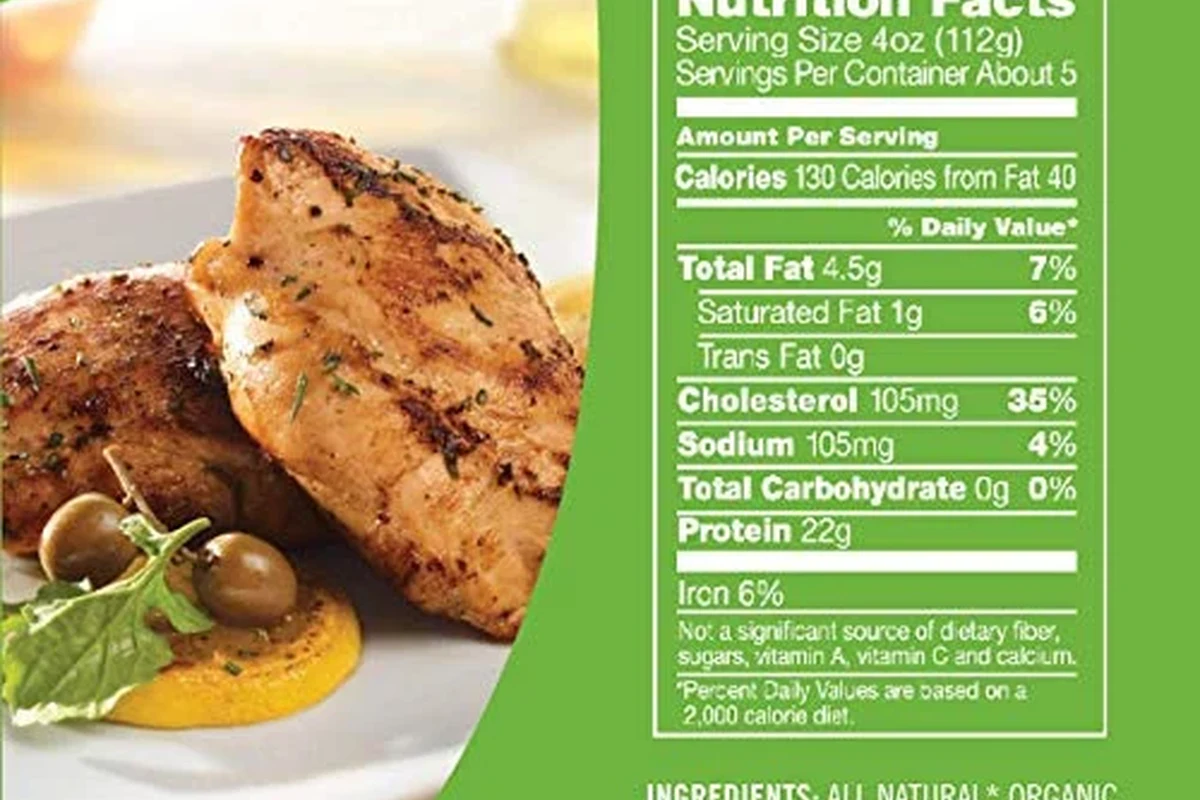
A 3-ounce serving of boneless, skinless chicken thigh typically contains between 120 and 160 calories. Removing the skin significantly reduces the fat content while keeping the meat tender and flavorful.
Understanding the caloric profile of chicken thighs without skin is essential for anyone looking to balance rich flavor with lean protein intake in their daily meals. As we head into 2026, many home cooks are seeking ways to maintain the savory depth of traditional dishes while keeping nutritional goals in mind.
- Caloric Control: Removing skin lowers fat intake while retaining protein.
- Moisture Retention: Thighs stay juicier than breasts during cooking.
- Flavor Absorption: Skinless meat absorbs marinades and spices more effectively.
- Safety First: Always cook to an internal temperature of 165°F (74°C).
Chicken Thigh Calories No Skin: The Nutritional Breakdown
Understanding the Caloric Profile of Skinless Chicken Thighs
Chicken thighs are a favorite in kitchens worldwide due to their inherent juiciness and forgiving nature during the cooking process. When you remove the skin, you significantly reduce the total caloric density and fat content of the cut. While exact numbers can fluctuate based on the size of the bird and specific trimming, skinless chicken thighs generally offer a dense source of high-quality protein and essential minerals like zinc and iron.
Comparing Skinless Thighs to Breast and Drumsticks
| Cut | Caloric Density | Texture/Tenderness |
|---|---|---|
| Skinless Breast | Lowest | Lean, can dry out easily |
| Skinless Thigh | Moderate | Moist, higher fat marbling |
| Skinless Drumstick | Moderate | Firm, darker meat |
Why Skinless Chicken Thighs Are a Culinary Staple in Belizean Cooking
The Balance of Flavor and Lean Protein
In Belizean cuisine, we value meat that can stand up to bold aromatics and slow-cooking methods. While a Belizean BBQ chicken recipe often utilizes the skin for that classic char, many of our daily stews benefit from the removal of excess fat. Skinless thighs absorb the flavors of recado (annatto paste), garlic, and habanero peppers exceptionally well, allowing the spices to penetrate the meat rather than just flavoring the skin.
Who Benefits Most from This Cut?
This cut is perfect for meal preppers who need meat that remains tender after reheating. Unlike breast meat, which can turn chalky after a day in the fridge, thigh meat retains its moisture. It is an ideal choice for busy families or those experimenting with modern adaptations of classic comfort foods, such as a lighter take on a Belizean curry chicken recipe.
Selecting and Preparing Quality Chicken Thighs
What to Look for at the Butcher or Grocery Store
When shopping in 2026, look for thighs that are firm to the touch and pale pink in color. Avoid packages with excessive liquid, as this can indicate improper storage or temperature fluctuations. If you are buying with the skin on to save money, ensure the skin looks intact and free of bruising.
The Proper Technique for Removing Skin and Excess Fat
Working with cold chicken makes it much easier to grip the skin and pull it away cleanly.
Use a sharp boning knife to pull the skin back; trim away any large, visible pockets of white fat around the edges.
A kitchen scale makes calorie counting accurate — see top-rated kitchen scales here.Cooking Techniques to Maximize Flavor Without the Skin
The Art of the Marinade: Infusing Flavor into Leaner Meat
Without the fat barrier of the skin, skinless thighs are like sponges for flavor. Use acidic marinades—think lime juice, vinegar, or citrus—to tenderize the fibers. A two-hour soak is usually sufficient to transform the flavor profile of the meat.
Pan-Searing vs. Baking: How Heat Affects Moisture Retention
Pan-searing provides a beautiful golden-brown crust, which is crucial since you lack the skin to provide that texture. Alternatively, baking in a covered dish helps steam the meat in its own juices. If you prefer high-heat cooking, air fryer chicken thighs are an excellent modern method that mimics the crispiness of skin-on cooking without the added calories.
Common Mistakes That Lead to Dry or Bland Chicken
- Use a digital meat thermometer to prevent overcooking.
- Pat the meat dry before searing to ensure a good crust.
- Cooking directly from the freezer without thawing.
- Crowding the pan, which leads to steaming instead of browning.
The Belizean Approach: Healthy Recipe Guide
Ingredients for a Traditional-Style Stewed Chicken (Lighter Version)
For a lighter stew, focus on aromatics: fresh onions, bell peppers, cilantro, and just a touch of annatto. Use a small amount of vegetable oil to sauté your seasoning base before adding the chicken.
Step-by-Step Cooking Technique
Begin by searing your seasoned, skinless thighs in a heavy-bottomed pot. Once browned, remove them and sauté your trinity of onion, garlic, and pepper. Return the chicken to the pot with a splash of water or low-sodium chicken broth, cover, and simmer until the meat is tender and the sauce has reduced to a rich glaze.
Always ensure your chicken reaches an internal temperature of 165°F (74°C) as measured by a food thermometer, regardless of the cooking method.
Safe Handling, Storage, and Shelf Life
Raw chicken should be stored on the lowest shelf of your refrigerator to prevent juices from dripping onto other foods. Properly wrapped, raw skinless thighs last 1–2 days in the fridge. For longer storage, freeze them in airtight bags for up to 3-4 months. When reheating, add a small amount of liquid to the pan to keep the meat from drying out.
Substitutions and Culinary Versatility
If you find yourself without thighs, chicken tenders are the closest in terms of tenderness, though they cook significantly faster. For flavor pairings, skinless thighs work exceptionally well with earthy spices like cumin and thyme, or bright elements like pickled onions and fresh cilantro.
Final Verdict: Are Skinless Chicken Thighs Right for Your Diet?
Skinless chicken thighs offer a superior balance of flavor, texture, and nutritional value compared to other cuts. By removing the skin, you maintain the “meaty” satisfaction of a darker cut while keeping your meal within a caloric range that fits a balanced 2026 lifestyle. Whether you are stewing, grilling, or air-frying, this versatile cut remains a reliable, delicious foundation for any home-cooked meal.
Common Questions
A standard 3-ounce serving of skinless chicken thigh contains approximately 120–160 calories depending on the fat trimming.
It is much more resistant to drying out than chicken breast due to its higher natural fat marbling within the muscle fibers.
It is best to trim excess fat before cooking to ensure the seasonings penetrate the meat evenly.
Always cook chicken to an internal temperature of 165°F (74°C) as verified by a food thermometer.
Yes, you can freeze them in airtight packaging for up to 3-4 months for optimal quality.
Frequently Asked Questions
The calorie count for a skinless chicken thigh varies by size but generally ranges from 120 to 160 calories per 3-ounce serving. It is best to check specific labels as sizes can vary significantly.
Removing the skin significantly reduces the total fat and caloric content of the chicken. This makes it a popular choice for those looking to manage their intake while still enjoying the moist texture of thigh meat.
Use an acidic marinade, avoid overcooking by using a meat thermometer, and consider cooking methods like braising or stewing that use moisture to keep the meat tender.
Yes, you can substitute them in most recipes. Keep in mind that thighs take slightly longer to cook than breasts and have a richer flavor profile.
Raw chicken should be kept in the coldest part of your refrigerator and consumed within 1 to 2 days. For longer storage, freeze them immediately.
Since the skin is removed, use rubs, marinades, or spice-heavy sauces. The meat is excellent at absorbing flavors from garlic, citrus, and traditional herbs.
Similar Posts
10 Best Large Trays for Automotive Care and Vehicle Maintenance

Compare 10 large trays for automotive care, parts sorting, and spill control. See top picks, key buying tips, and fitment guidance.
8 Best Catering Sandwich Trays (2026): Top Picks
Compare 8 catering sandwich trays for road trips, with size, lid, and storage tips to help you pack car snacks neatly and choose the right set.
5 Best Sub Sandwich Catering Trays & Supplies (2026)
Compare 5 sub sandwich catering packaging options for automotive events, with clear picks for transport, presentation, bulk use, and cleanup.
10 Best Sandwich Trays with Lids (2026): Party & Catering Picks
Compare 10 sandwhich trays for automotive use, including covered, reusable, and value picks. See which options fit your vehicle needs best.
8 Best Catering Sandwich Platters (2026)
Compare 8 catering sandwich platters for vehicle transport, storage, and serving. See the best lidded and reusable tray options for drivers.
5 Best Party Trays (2026): Budget-Friendly Serving Picks
Compare 5 party trays for automotive storage, tailgates, and garage use. See reusable, disposable, and tiered options with practical buying tips.