Frozen Chicken Breasts Instant Pot

Cooking frozen chicken breasts in an Instant Pot is safe and efficient when you use a trivet and enough liquid to build pressure. Always verify that the meat reaches an internal temperature of 165°F using a digital thermometer.
Cooking frozen chicken breasts in an Instant Pot is a safe, efficient way to get dinner on the table without needing to remember to defrost meat hours in advance. By leveraging pressure, you can transform rock-hard poultry into tender, succulent protein in about 20 to 30 minutes of total time.
- Safety First: Always verify internal temperature reaches 165°F (74°C).
- Liquid Ratio: Use at least 1 cup of thin liquid to prevent the burn notice.
- Natural Release: Allow a 10-minute natural pressure release for better texture.
- Spacing: Try to separate frozen breasts if possible for even cooking.
Can You Safely Cook Frozen Chicken Breasts in an Instant Pot?

Yes, it is perfectly safe to cook frozen chicken breasts in an Instant Pot, provided you follow specific guidelines. Pressure cookers are designed to raise the internal temperature of food quickly, moving the meat through the “danger zone” (where bacteria thrive) faster than conventional slow cooking. However, because frozen chicken releases extra moisture, you must adjust your liquid ratios and cooking times accordingly to ensure the meat reaches a safe internal temperature of 165°F (74°C).
Why the Instant Pot is a Game-Changer for Frozen Chicken
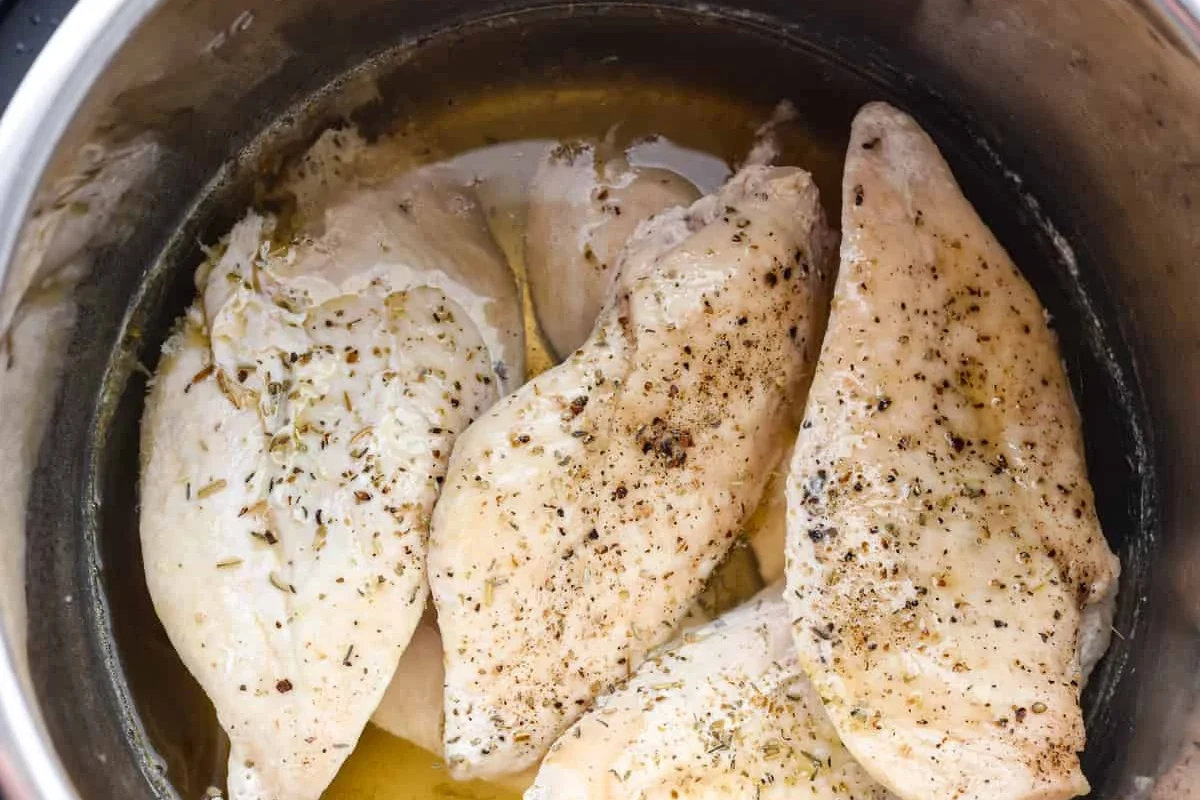
The Science of Pressure Cooking Frozen Poultry
Unlike an oven or stovetop, an Instant Pot uses steam pressure to force heat deep into the frozen fibers of the chicken. When you place a frozen block of chicken into the pot, the initial heating phase serves two purposes: it melts the ice crystals and begins the cooking process simultaneously. This method is surprisingly effective for meal prep, especially if you are planning to shred the chicken for an easy instant pot soup or a quick weeknight salad.
Who This Cooking Method Is Best For
This technique is ideal for busy parents, students, or anyone who frequently forgets to pull meat from the freezer. It is the ultimate “emergency” dinner solution. If you enjoy experimenting with flavors, you can even adapt this method to recreate dishes like our favorite Belizean curry chicken recipe, provided you adjust the liquid to account for the frozen state of the meat.
Essential Equipment and Kitchen Setup
Choosing the Right Instant Pot Capacity
For cooking frozen chicken, a 6-quart or 8-quart model is recommended. The extra space allows for better steam circulation. Attempting to crowd frozen breasts into a smaller 3-quart model can lead to uneven cooking or the dreaded “burn” error message if the liquid is restricted.
Must-Have Accessories for Even Cooking
Step-by-Step Guide: How to Cook Frozen Chicken Breasts
Add 1 cup of water or broth to the inner pot. Place the metal trivet inside to keep the chicken from sitting directly on the base.
Place the frozen chicken breasts on the trivet. If they are frozen in a solid block, try to separate them slightly; if they are inseparable, they will still cook, but may need an extra 2–3 minutes.
Secure the lid, set the valve to “Sealing,” and cook on High Pressure for 12–15 minutes, depending on the thickness of the breasts.
Allow a 10-minute natural pressure release before switching the valve to “Venting.” This helps the meat remain tender.
Flavor Infusion: Seasoning and Sauce Techniques
Dry Rubs vs. Liquid Marinades
Dry rubs are best applied after the chicken is cooked. Because the chicken is frozen, a dry rub won’t adhere well before cooking. If you want deep flavor, use a liquid marinade or broth as your base liquid in the pot—the pressure will infuse the meat as it thaws and cooks.
When to Add Sauces for Best Results
Do not add thick, sugary, or tomato-based sauces before pressure cooking. These are prone to burning on the bottom of the pot. Always cook the chicken in broth or water first, then toss with your sauce after the chicken is finished.
Ensuring Food Safety: Internal Temperatures and Handling
The Critical Role of the Instant-Read Thermometer
Always verify doneness with a digital thermometer inserted into the thickest part of the breast. The USDA recommends an internal temperature of 165°F (74°C) for all poultry.
Troubleshooting Common Issues
Dealing with Tough or Dry Texture
If your chicken turns out dry, you likely cooked it for too long. Frozen chicken breast can overcook quickly. If you are shredding the meat for a recipe like Zoup white chicken chili, a slightly shorter cook time combined with a longer natural release usually yields a better texture.
Preventing the “Burn” Notice
The “Burn” notice usually occurs when there isn’t enough thin liquid at the bottom of the pot. Always ensure you have at least 1 cup of thin liquid (water, stock, or juice) and avoid placing thick sauces or heavy starches directly on the bottom.
Storage, Reheating, and Meal Prep Efficiency
- Store leftovers in an airtight container for up to 3–4 days in the refrigerator.
- Reheat gently with a splash of broth to prevent the meat from drying out.
- Portion your frozen chicken before freezing to make separating them easier.
- Always use a thermometer to confirm the 165°F safety threshold.
Final Verdict: Is Cooking Frozen Chicken Worth It?
Cooking frozen chicken breasts in an Instant Pot is a reliable, time-saving method that fits perfectly into a modern 2026 lifestyle. While it may not yield the same crispy skin as an air fryer or grill, it produces consistently moist meat ideal for soups, salads, and casseroles. It is an essential skill for anyone looking to maximize kitchen efficiency without compromising food safety.
Common Questions
Typically 12–15 minutes on High Pressure, plus a 10-minute natural release.
No, the Instant Pot is specifically designed to cook meat safely from a frozen state.
Yes, if you don’t have enough liquid or if thick sauces touch the bottom of the pot.
Chicken broth adds more flavor, but water works perfectly fine for the cooking process.
It is not recommended, as the cook times for chicken and rice differ significantly.
Frequently Asked Questions
Yes, you generally need to increase the cooking time by about 50% compared to fresh chicken. Always use a thermometer to ensure it reaches 165°F.
Yes, the Instant Pot is designed to handle frozen food safely. Just ensure you use enough liquid to create the necessary steam.
If the internal temperature is below 165°F, simply put the lid back on and cook for an additional 2–3 minutes at high pressure.
Avoid overcooking and allow for a natural pressure release. This allows the fibers to relax as the temperature drops slowly.
It is better to add vegetables after the chicken is finished or use a steaming basket. Most vegetables will turn to mush if cooked for the same time as chicken.
Cooked chicken should be stored in an airtight container and kept in the refrigerator for no more than 3 to 4 days.