How Many Calories in a Baked Chicken Thigh? (2026)

A standard medium-sized baked chicken thigh contains approximately 150 to 250 calories depending on the skin and preparation. Removing the skin and using dry rubs are effective ways to manage your total caloric intake.
Baked chicken thighs are a staple in many kitchens because they offer a rich, savory flavor that is difficult to replicate with leaner cuts. Understanding how many calories are in a baked chicken thigh helps you balance your meals, whether you are preparing a traditional Belizean curry chicken recipe or a simple weeknight bake.
- Caloric Range: A typical baked thigh ranges from 150-250 calories based on size and skin.
- Skin Impact: The skin adds roughly 50-80 calories; remove it if you are tracking lower intake.
- Safety First: Always ensure the internal temperature reaches 165°F for food safety.
- Flavor Balance: Use herbs and citrus to boost flavor without adding excess calories.
How Many Calories in a Chicken Thigh Baked: The Definitive Guide for 2026
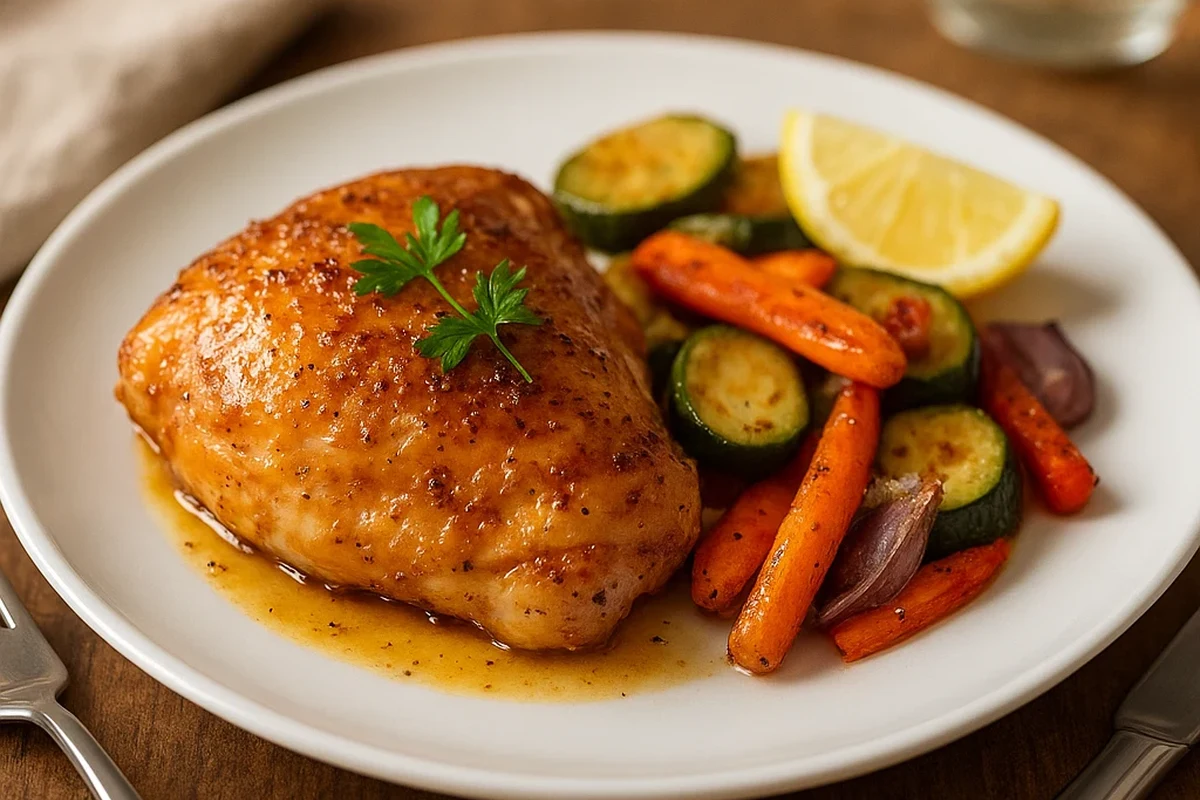
As we navigate home cooking in 2026, the focus remains on combining nutritional awareness with the bold flavors that make our meals memorable. A standard, medium-sized baked chicken thigh typically ranges from 150 to 250 calories. However, this number fluctuates significantly based on the size of the portion, whether the skin is left on, and the seasonings or glazes applied before baking.
Understanding the Caloric Profile of Baked Chicken Thighs
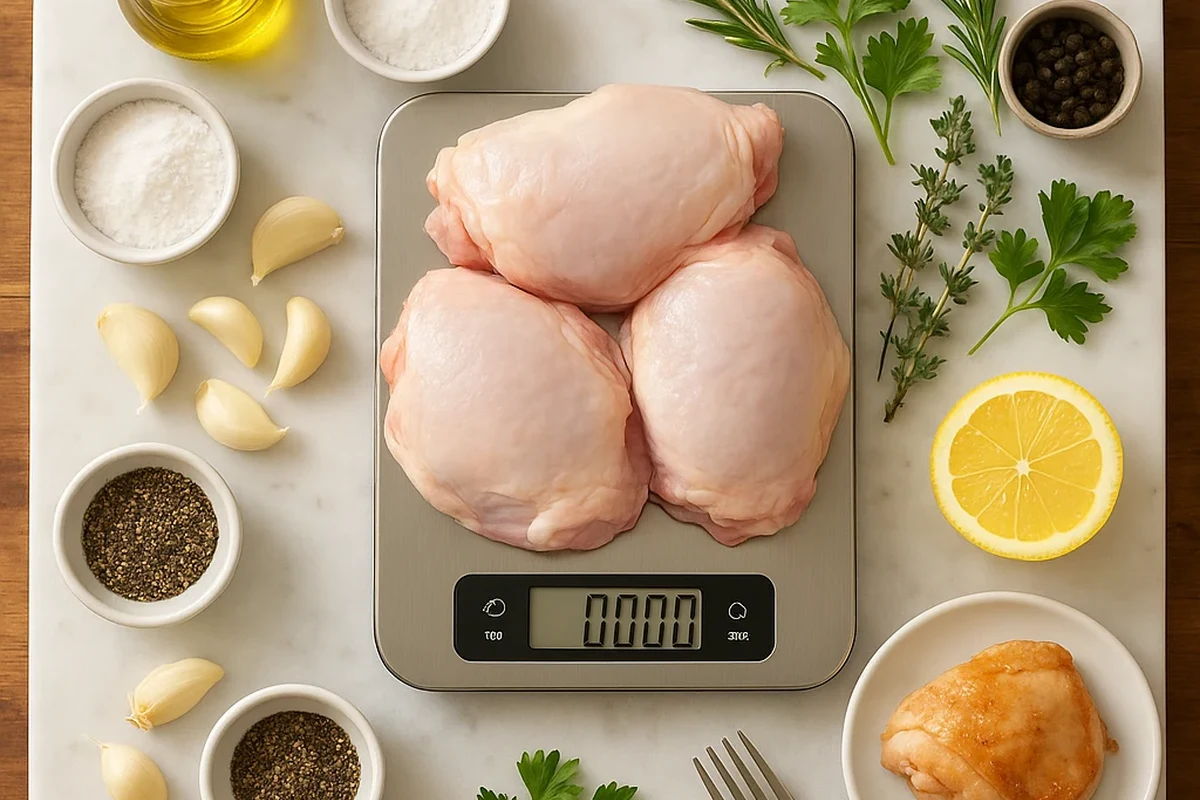
The chicken thigh is naturally more nutrient-dense and flavorful than the breast because it is a “dark meat” cut with a higher fat content. This fat is essential for keeping the meat moist during the high-heat exposure of an oven.
Breaking Down the Numbers: Skin-On vs. Skinless
The presence of skin is the largest variable in your calorie count. A skin-on thigh can contain 50 to 80 more calories than its skinless counterpart of the same weight. While the skin provides a crispy texture and keeps the meat succulent, removing it is a common method for those looking to moderate their caloric intake without sacrificing the inherent protein benefits of the thigh.
The Impact of Preparation Methods on Calorie Density
How you prepare your chicken matters. Using oils, butter, or thick, sugar-based marinades adds to the final caloric load. Dry rubs are generally lower in calories compared to heavy, honey-based glazes. For a lighter approach, consider using citrus juices, fresh herbs, and spices that provide depth without adding significant caloric density.
If you prefer the flavor of skin-on chicken but want to manage calories, bake the thigh with the skin on to lock in moisture, then remove the skin before serving.
Selecting the Best Chicken Thighs for Your Belizean-Inspired Kitchen
In our kitchens, we often prioritize quality to ensure the best results for dishes like our Belizean BBQ chicken recipe. Choosing the right cut is the first step toward a successful meal.
Bone-In vs. Boneless: Flavor and Texture Considerations
Bone-in thighs take longer to cook but generally offer more depth of flavor because the bone marrow contributes to the richness of the meat. Boneless, skinless thighs are convenient for quick meals but require careful monitoring in the oven to prevent them from drying out.
What to Look For: Quality Indicators at the Butcher Counter
Look for thighs that are firm to the touch and have a clean, uniform color. Avoid any packaging that shows excessive liquid or signs of freezer burn. In 2026, many shoppers are also looking for labels that indicate how the poultry was raised, which can influence both the fat-to-protein ratio and the overall quality of the final dish.
Mastering the Technique: How to Bake Chicken Thighs Perfectly
Baking is a forgiving method, but it requires attention to detail to achieve that perfect balance of crispy skin and juicy interior.
Essential Ingredients for Authentic Belizean Seasoning
A great seasoning blend typically includes garlic, onion powder, paprika, black pepper, and perhaps a touch of dried thyme or oregano. These aromatics elevate the natural taste of the chicken without needing heavy, calorie-laden sauces.
Step-by-Step Baking Method for Optimal Juiciness
Common Mistakes That Lead to Dry or Under-Seasoned Chicken
The most common error is overcrowding the pan, which creates steam instead of heat. Another mistake is failing to use a meat thermometer, leading to either overcooked, tough meat or, conversely, under-cooked poultry.
The Belizean Kitchen Advantage: Balancing Nutrition and Flavor
Chicken thighs are a staple in our tradition because they hold up well to long cooking times and bold seasonings, such as those found in a chicken papaya curry recipe.
Why Thighs Are the Preferred Choice for Traditional Recipes
The higher fat content in thighs makes them more forgiving than breasts. They remain tender even when simmered in sauces or baked at higher temperatures, making them ideal for traditional dishes that require depth and body.
Healthy Substitutions to Lower Calorie Counts Without Losing Flavor
Instead of heavy creams or butter, use coconut milk for a tropical flair or tomato-based gravies. Using fresh lime juice and cilantro can brighten the flavor profile without adding a single calorie.
Food Safety and Handling: Standards for the Modern Home Cook
Always cook chicken to an internal temperature of 165°F (74°C) as measured by a food thermometer at the thickest part of the meat, avoiding contact with the bone.
Storage, Reheating, and Meal Prep Best Practices
Cooked chicken should be refrigerated within two hours of baking. Store in an airtight container for up to three to four days. To reheat, use a low oven temperature or a gentle stovetop method to maintain moisture, rather than a microwave which can cause the meat to become rubbery.
Value and Versatility: Why Baked Thighs Are a Budget-Friendly Staple
In 2026, chicken thighs remain one of the most cost-effective proteins available. Their versatility allows them to be used in everything from salads to hearty stews, making them a smart choice for budget-conscious meal planning.
Baked chicken thighs are an excellent, high-flavor protein source. By understanding the impact of skin and preparation methods, you can easily incorporate them into a balanced diet. Whether you are cooking for a family or prepping for the week, the key to success is using a meat thermometer to ensure safety and quality in every bite.
Common Questions
A skinless baked chicken thigh usually contains about 150 to 180 calories, depending on the specific size of the cut.
Yes, adding oils, butter, or sugary glazes significantly increases the calorie count compared to dry-rubbed or herb-marinated chicken.
Using a meat thermometer is the most accurate way to ensure your chicken reaches the safe internal temperature of 165°F without overcooking it.
It is best to thaw chicken completely in the refrigerator before baking to ensure even cooking and safety.
The bone itself does not add calories, but bone-in thighs are often larger and have more fat, which can result in a higher calorie count per piece.
Frequently Asked Questions
A medium-sized baked chicken thigh typically contains between 150 and 250 calories, depending on whether the skin is left on and how it is seasoned.
Yes, leaving the skin on can add approximately 50 to 80 calories per thigh compared to a skinless portion.
Baking at a consistent temperature and using a meat thermometer to pull the chicken at exactly 165°F prevents the meat from drying out.
Cooked chicken thighs can be safely stored in an airtight container in the refrigerator for three to four days.
Bone-in thighs provide more flavor and moisture but take longer to cook, while boneless thighs are faster but require careful monitoring to avoid drying.
Remove the skin before serving and opt for dry spice rubs or acidic marinades like lime juice instead of sugary or oil-heavy glazes.