Beef Soup Bones: Best Types, Benefits & How to Make Rich Broth (2026)

Beef soup bones are the essential foundation of authentic Belizean soups, providing the deep, savory base and gelatinous mouthfeel that define traditional home-cooked meals. Choosing the right bone allows you to extract maximum flavor and nutrition, transforming simple vegetables and aromatics into a rich, comforting pot of stew.
- Bone Selection: Use a combination of marrow bones and knuckle bones for the best balance of.
- Slow Simmer: Always maintain a gentle simmer rather than a boil to keep the broth clear.
- Blanching: Always blanch bones in boiling water first to remove impurities and ensure a clean-tasting.
- Gelatin Extraction: The secret to a “stick-to-your-ribs” soup is the breakdown of collagen from connective tissues.
What Are Beef Soup Bones and Why Are They Essential for Belizean Cooking?
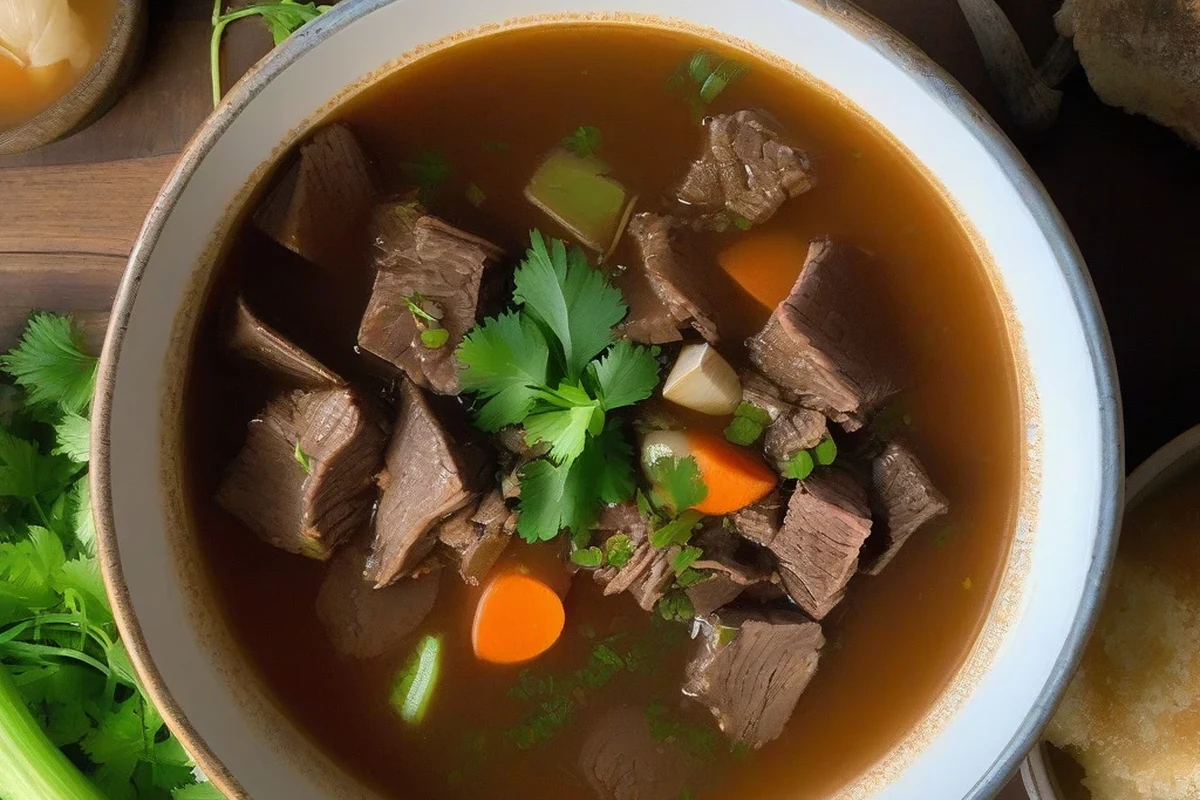
In Belizean kitchens, the soup is often the heart of the home. Beef soup bones are the structural pieces—typically cut from the leg or joint—that contain marrow, connective tissue, and sometimes small amounts of meat. Unlike standard cuts of steak, these bones are specifically valued for what they release during a long, slow simmer: collagen. As this collagen breaks down into gelatin, it gives the broth a luxurious body that cannot be replicated by store-bought bouillon or stock cubes.
Understanding the Different Types of Beef Soup Bones
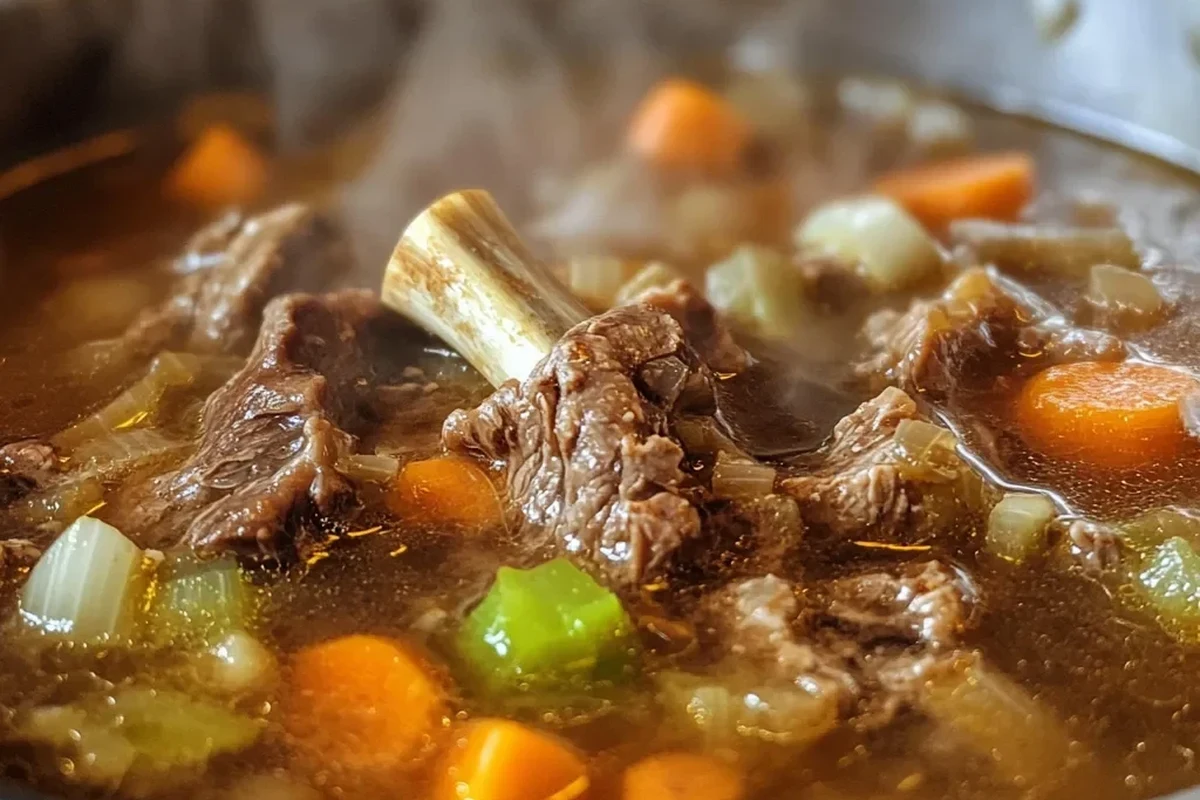
Marrow Bones vs. Knuckle Bones: Which One Do You Need?
Marrow bones are usually cross-cut sections of the femur, exposing the rich, fatty center. These are excellent for adding a creamy, decadent quality to your broth. Knuckle bones, on the other hand, are taken from the joints and are packed with cartilage and tendons. If you want a broth with the most “stick-to-your-ribs” texture, a mixture of both is ideal. Beef Soup Bones
The Role of Connective Tissue and Cartilage in Flavor Extraction
The flavor in a Belizean soup is not just in the meat; it is in the structural components of the bone. Cartilage and connective tissue are the primary sources of gelatin. When simmered over several hours, these tissues dissolve, creating a broth that is both flavorful and soothing. This extraction process is what gives the soup its signature “cohesive” quality, binding the flavors of local spices and ground food together.
How to Select the Best Beef Soup Bones for Your Pot
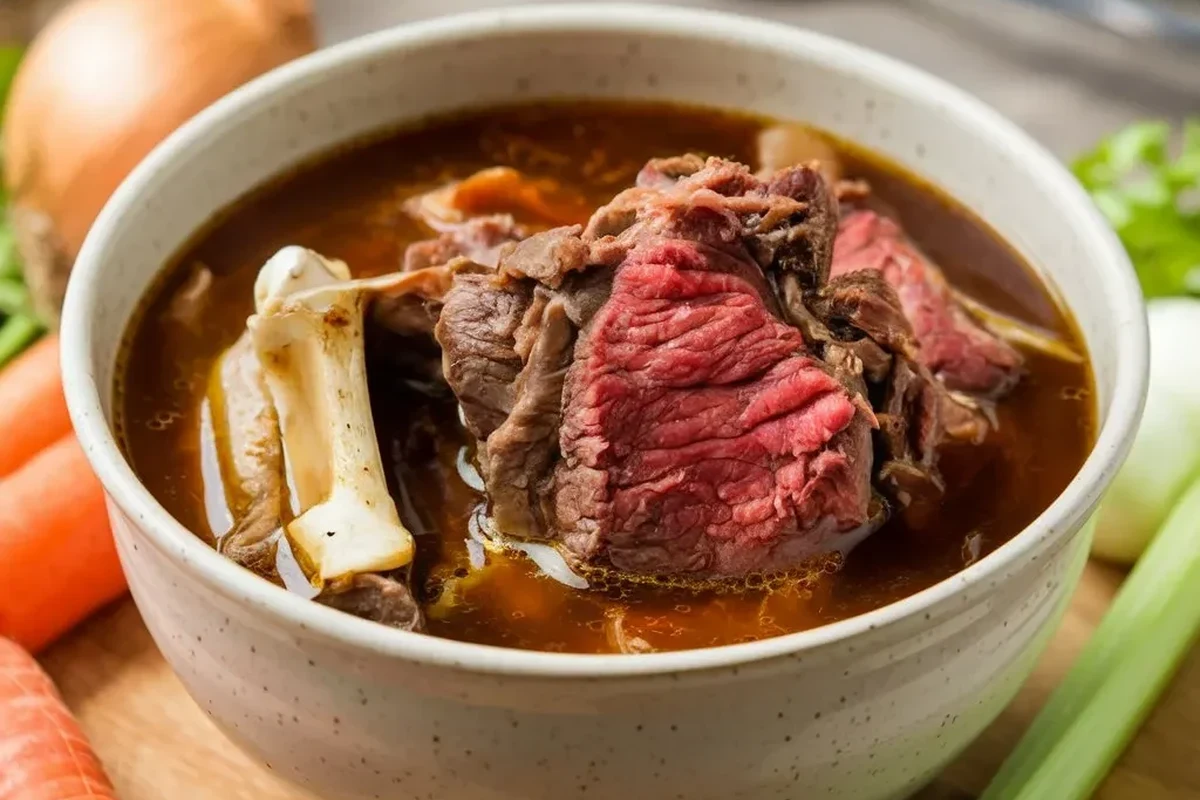
Visual Indicators of Freshness and Quality
When selecting bones, look for a deep, healthy red color in the meat and a creamy, white-to-pale-yellow color in the fat. Avoid any bones that appear gray or dry, as these may have been sitting in the display case too long. A fresh bone should have a clean, neutral scent; any sour or off-putting odor is a sign to skip that batch.
The Importance of Grass-Fed vs. Grain-Fed for Broth Depth
While personal preference plays a role, many traditionalists prefer grass-fed beef bones for their distinct, robust flavor profile. Grass-fed beef often contains a different fatty acid composition, which can result in a more nuanced and “beefy” broth. However, grain-fed bones are perfectly acceptable and often provide a milder, cleaner base if you prefer the vegetable flavors in your soup to take center stage. Beef Soup Bones
Where to Buy: Sourcing from Local Butchers vs. Supermarkets
Local butchers are often your best resource for high-quality soup bones, as they can provide specific cuts and ensure the bones are fresh. Supermarkets may offer pre-packaged “soup bones,” but these are often scraps with less marrow or cartilage. Always check the date on the packaging and ensure the bones are properly chilled.
- Check for a fresh, neutral aroma.
- Ensure the bones are cut to a size that fits your largest stockpot.
- Verify that the bones have visible marrow or cartilage.
- Store immediately in the coldest part of your refrigerator if not using right away.
The Art of the Belizean Beef Soup: A Master Recipe Guide
Ingredients Required for an Authentic Belizean Flavor Profile
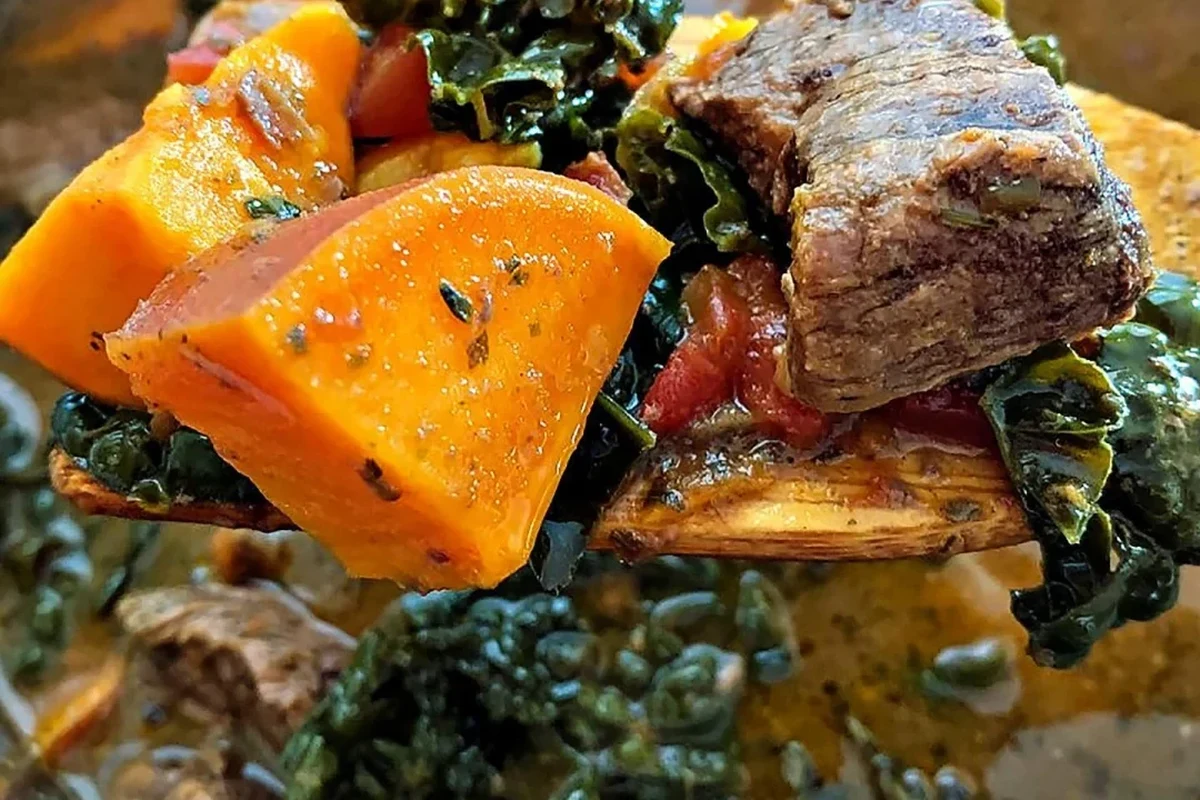
To capture the essence of a Belizean kitchen as of 2026, you will need high-quality beef bones, fresh cilantro, culantro (recado), garlic, onions, and local root vegetables like yam, sweet potato, and “coco” (taro). Seasoning should be kept simple but bold, relying on black pepper, salt, and perhaps a touch of habanero for heat.
Step-by-Step Cooking Technique: The Slow-Simmer Method
Common Mistakes That Ruin Your Broth
The most common error is boiling the soup too aggressively. A rapid boil will emulsify the fat into the broth, resulting in a cloudy, greasy finish. Always maintain a gentle simmer. Another mistake is forgetting to skim the surface; removing the “scum” or foam that rises to the top in the first hour is vital for a clean-tasting soup.
Doneness and Safety Cues: Achieving the Perfect Gelatinous Texture
You know the bones have done their job when the meat is falling off the bone and the cartilage has softened significantly. The broth should have a slight “tackiness” when cooled, which indicates a high gelatin content. Always ensure the internal temperature of any meat attached to the bones reaches a safe level during the long simmer.
Maximizing Value: Storage, Preservation, and Shelf Life
Safe Handling and Hygiene Practices for Raw Bones
Treat raw beef bones with the same caution as any other raw meat. Keep them refrigerated below 40°F (4°C) and ensure they do not come into contact with fresh produce or ready-to-eat foods. Wash hands and surfaces thoroughly after handling raw bones to prevent cross-contamination.
Best Methods for Storing Leftover Soup and Broth
Cool your soup rapidly by placing the pot in an ice bath before moving it to the refrigerator. Once chilled, you can store the broth in glass jars or freezer-safe containers. Properly stored, it will last 3-4 days in the fridge or up to 6 months in the freezer.
Troubleshooting Your Soup: Clarity, Flavor, and Texture Issues
Fixing Cloudy Broth: Techniques for a Clear Finish
If your broth turns out cloudy, it is usually due to boiling too hard or failing to skim. While it won’t affect the taste, if you want a crystal-clear broth, you can strain it through a fine-mesh sieve lined with a clean cheesecloth after it has cooled slightly.
Handling Excessive Fat: Skimming and Degreasing Strategies
A layer of fat will often solidify on top of your broth after it has been refrigerated. This is actually a good thing! You can easily lift this solidified fat off with a spoon and discard or save it for other cooking purposes. This leaves you with a much cleaner, lighter broth.
Substitutions and Alternatives for Beef Soup Bones
When to Use Oxtail or Beef Shanks Instead
If you cannot find dedicated soup bones, oxtail or beef shanks are excellent alternatives. Oxtail provides an incredible amount of gelatin and rich flavor, while beef shanks contain marrow and meat that add depth. These cuts are often more expensive but offer a premium result for special occasions.
Final Verdict: Elevating Your Home Cooking with Quality Bones
Investing in quality beef soup bones is the single most effective way to elevate your home-cooked soups to restaurant-quality status. By understanding the roles of marrow and cartilage, and by practicing the patience required for a slow, gentle simmer, you can create a nutritious, flavorful base that serves as the perfect foundation for any Belizean meal. Whether you opt for affordable knuckle bones or indulgent oxtail, the process remains a rewarding tradition that brings depth and comfort to the dining table.
Frequently Asked Questions
For the best flavor and collagen extraction, simmer beef soup bones for at least 3 to 4 hours. You can even extend this to 6 hours for a deeper, more gelatinous broth.
Yes, you can often get a second, milder extraction from the same bones. Simply add fresh water and aromatics and simmer for another 2-3 hours.
Raw bones should be kept in the coldest part of your refrigerator and used within 2 days. If you need to keep them longer, store them in the freezer for up to 3 months.
Cloudy broth is usually caused by boiling the water too vigorously or failing to skim the foam from the surface. Always keep the heat at a gentle simmer to maintain clarity.
While not strictly necessary, marrow bones add a rich, buttery mouthfeel that significantly improves the quality of the broth. A mix of marrow and knuckle bones is often preferred.
Yes, you can add frozen bones directly to the pot, but you may need to increase the initial heating time. Blanching them once they thaw slightly in the hot water is still recommended for a clean broth.