Turkey Soup with Leftovers: Easy Homemade Turkey Soup Recipe & Tips

Transforming a holiday turkey carcass into a nourishing bowl of soup is a time-honored tradition that maximizes flavor and minimizes kitchen waste. This guide provides a reliable framework for crafting a rich, Belizean-inspired turkey soup that serves as the perfect post-holiday meal for your family in 2026.
- Stock Foundation: Use the carcass, wings, and neck for a collagen-rich, flavorful base.
- Gentle Simmer: Avoid boiling the stock to keep the broth clear and prevent bitterness.
- Timing Matters: Add pre-cooked turkey meat only during the last 20 minutes of cooking.
- Flavor Boost: Enhance your soup with Belizean staples like coconut milk and fresh cilantro.
- Food Safety: Always refrigerate leftovers within two hours to ensure they remain safe to eat.
Turkey Soup with Leftovers: The Ultimate Post-Holiday Comfort
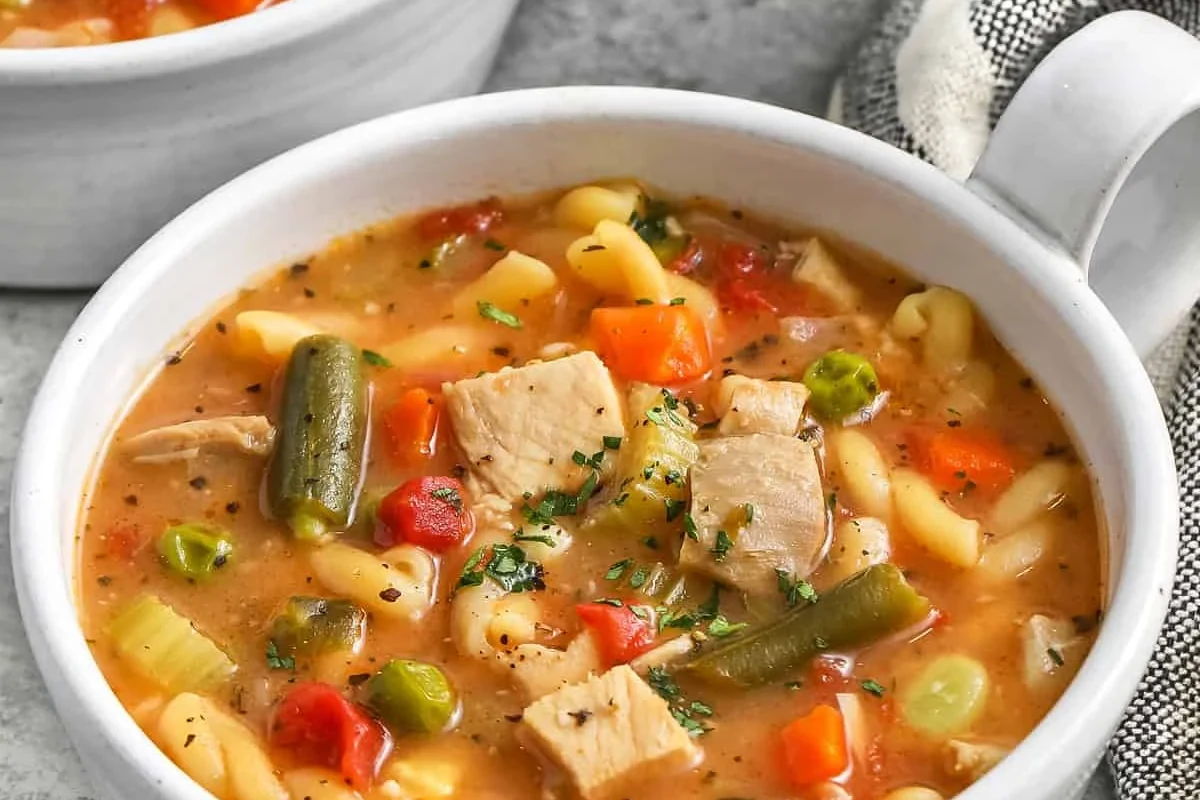
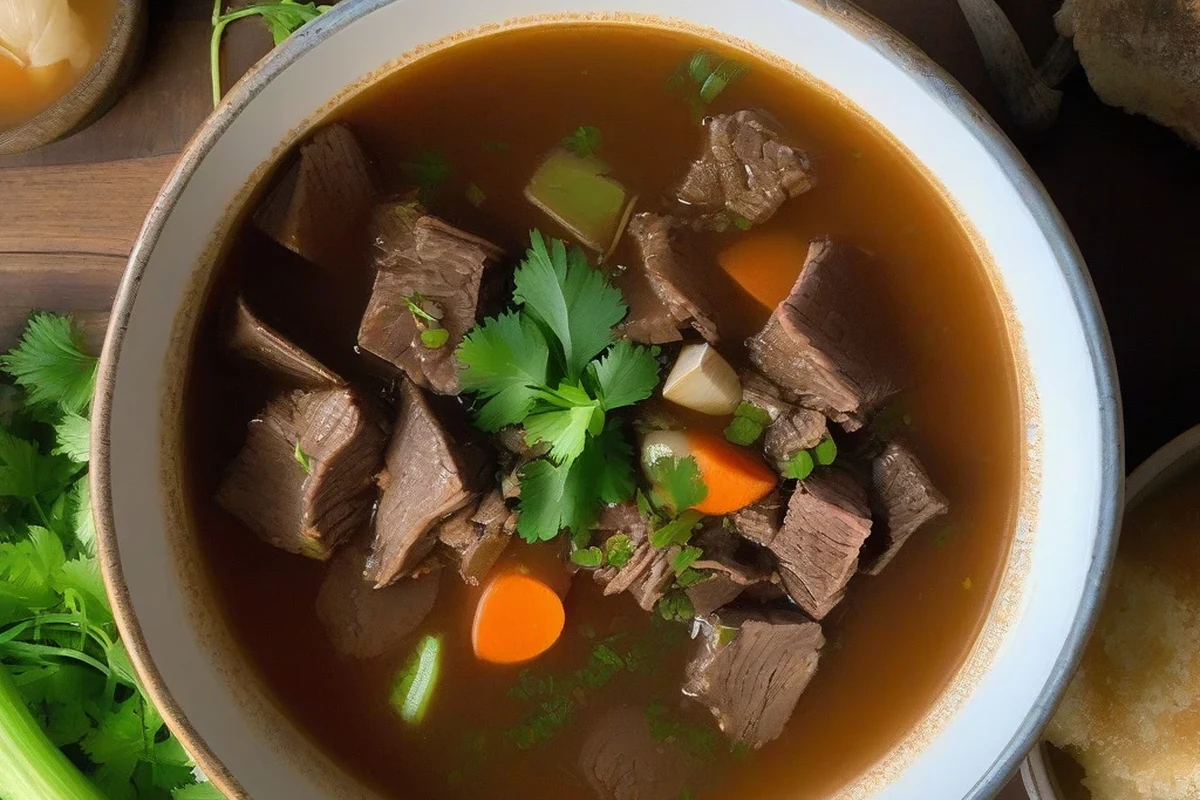
When the festivities conclude, the remaining turkey carcass holds the potential for the most flavorful dish of the season. By simmering the bones with aromatics, you extract gelatin and minerals that create a velvety, restaurant-quality stock right in your own kitchen.
What Makes This Belizean-Style Turkey Soup Special?
The Philosophy of “Waste-Not” Cooking
In many homes, the turkey carcass is the unsung hero of the holiday feast. This method focuses on extracting every ounce of flavor from the bones, skin, and connective tissue, ensuring that your holiday investment provides nourishment for days beyond the main event.
Why This Recipe Fits the Busy 2026 Home Cook
Modern home cooks value efficiency. This approach allows you to prep a large batch of soup that can be portioned out for quick lunches or frozen for future use. It is a forgiving, flexible process that accommodates whatever vegetables you have on hand.
Essential Ingredients for a Flavorful Turkey Stock
Selecting the Right Turkey Carcass and Scraps
The foundation of your soup is the carcass. Ensure it is free of stuffing or heavy sauces, which can make the broth cloudy or overly salty. Include any remaining wing tips, skin, or neck pieces to increase the body and collagen content of your stock.
The Role of Aromatics and Local Seasonings
A classic mirepoix of onions, carrots, and celery forms the base. To lean into a Belizean flavor profile, incorporate fresh garlic, thyme, and bay leaves. These aromatics provide the necessary backbone to balance the richness of the turkey.
Choosing Your Vegetables: Fresh vs. Frozen
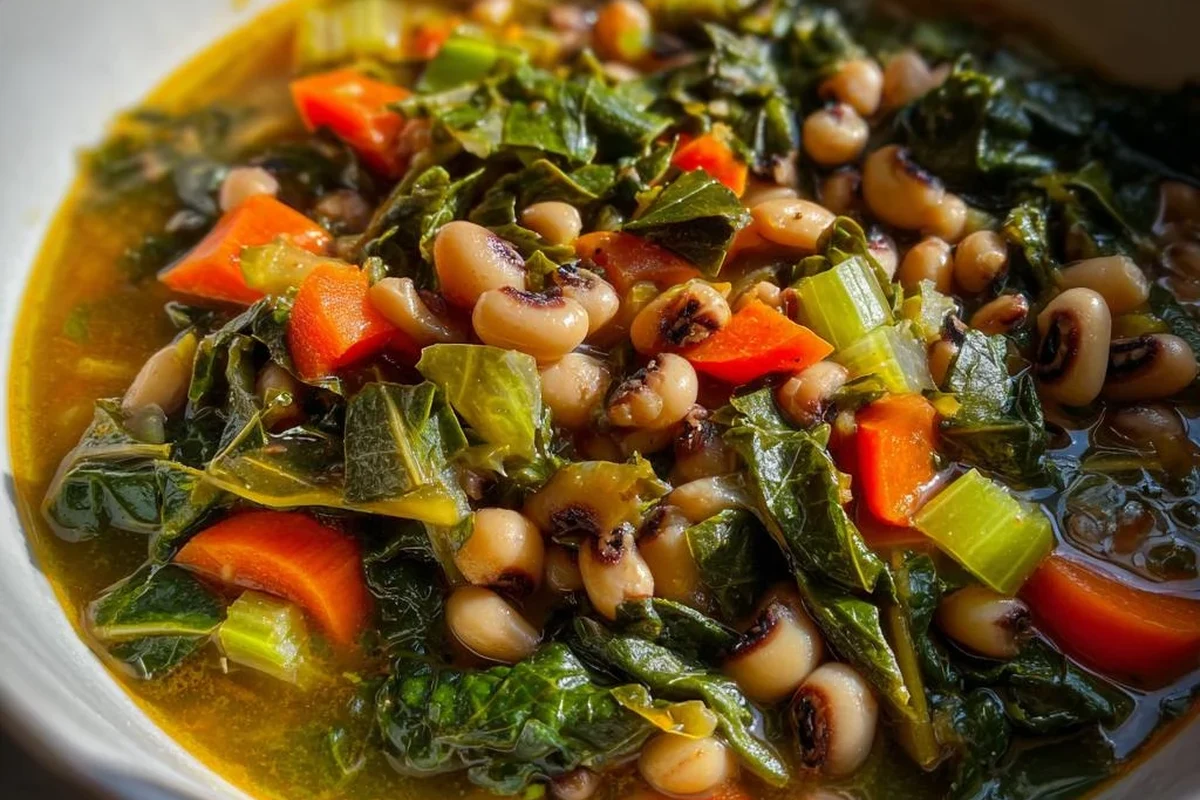
Both fresh and frozen vegetables work well. Fresh vegetables often provide a better texture if added toward the end of the cooking process, while frozen options are an excellent, time-saving choice for adding bulk to the soup base.
- Ensure your turkey carcass has been refrigerated within two hours of serving.
- Gather fresh herbs like cilantro or parsley for a bright, final garnish.
- Verify that your stockpot is large enough to submerge the bones completely.
Step-by-Step Cooking Technique: From Carcass to Comfort
Mastering the Base: Crafting a Robust Turkey Broth
Cover the carcass with cold water, add your aromatics, and bring the pot to a gentle boil before reducing to a simmer. A slow simmer ensures the stock remains clear and flavorful rather than cloudy.
The Art of Simmering: Timing for Maximum Depth
Simmering for 3 to 4 hours is generally sufficient to extract maximum flavor. Avoid high-heat boiling, as this can break down proteins too aggressively and lead to a bitter, cloudy broth.
Incorporating Leftover Meat Without Overcooking
Shredded turkey meat should only be added during the final 15–20 minutes of cooking. This prevents the meat from becoming dry or stringy.
Customizing Your Soup: Substitutions and Additions
Adding Belizean Flavor Profiles: Coconut Milk and Cilantro
For a tropical twist, stir in half a cup of full-fat coconut milk during the final minutes of cooking. This adds a creamy richness that pairs beautifully with fresh, chopped cilantro. turkey soup with leftovers
Hearty Add-ins: Noodles, Dumplings, or Root Vegetables
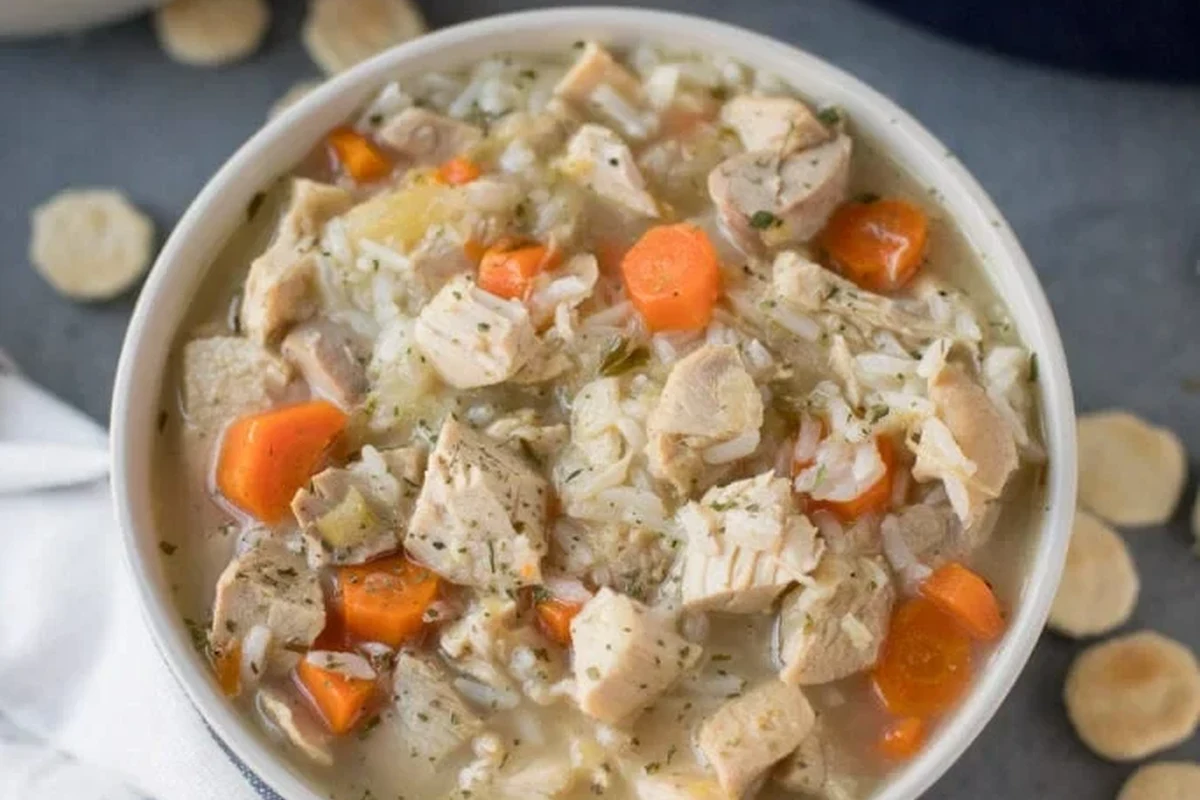
Root vegetables like potatoes, carrots, or cassava provide a hearty texture. If adding noodles or rice, cook them separately and add them to individual bowls to prevent them from soaking up all your delicious broth while in storage.
Gluten-Free and Dairy-Free Adjustments
This recipe is naturally gluten-free if you avoid flour-based thickeners. Use cornstarch or potato starch if you prefer a thicker consistency, and omit dairy entirely for a clean, poultry-forward flavor.
Food Safety Protocols for Leftover Poultry
Safe Handling and Temperature Control
Keep your refrigerator at or below 40°F (4°C). When cooling large batches of stock, distribute the liquid into shallow containers to help it chill more rapidly.
Storage, Reheating, and Shelf Life
Best Practices for Refrigerator Storage
Store your soup in airtight containers. It should be consumed within 3 to 4 days. If the soup forms a solidified layer of fat on top, you can easily skim it off before reheating.
Freezing Your Turkey Soup for Future Meals
Turkey soup freezes exceptionally well. Portion it into freezer-safe bags or containers, leaving room at the top for expansion. It will maintain its best quality for up to 3 months.
Common Mistakes to Avoid When Making Turkey Soup
Over-boiling the Meat and Losing Texture
Boiling the meat for too long will result in a dry, “chalky” texture. Always reserve the meat for the final stage of the process. turkey soup with leftovers
The Dangers of Under-seasoning Your Broth
Stocks require more salt than you might think to bring out the subtle poultry flavors. Season in stages, tasting as you go, especially after adding fresh vegetables or noodles.
Balancing the Soup-to-Solid Ratio
Avoid over-crowding the pot with too many vegetables or starches. A good soup should have a clear, flavorful liquid that isn’t overwhelmed by its own ingredients.
Final Verdict: Why Turkey Soup is the Best Way to Extend Your Holiday Feast
Turkey soup is a versatile, economical, and delicious way to ensure your holiday efforts go further. By focusing on a quality broth and careful timing, you can create a comforting meal that honors the tradition of home cooking. Whether you prefer a simple, clear broth or a rich, coconut-infused Belizean-style stew, this method provides the flexibility to suit any palate while keeping food safety at the forefront of your kitchen routine.
Frequently Asked Questions
Turkey soup should be consumed within 3 to 4 days when stored in an airtight container in the refrigerator.
It is best to freeze the soup base without noodles. Noodles tend to absorb too much broth and become mushy upon reheating.
Keep the stock at a gentle simmer rather than a rapid boil. Boiling causes proteins to emulsify into the liquid, making it cloudy.
You can add coconut milk for creaminess, fresh cilantro for brightness, or even a small amount of habanero or scotch bonnet pepper for authentic heat.
No, do not leave poultry out for more than two hours. If it has been out longer, it should be discarded to prevent foodborne illness.
If the meat begins to shred into very fine, dry strings or loses its structural integrity, it has likely been cooked too long. Add meat only in the final 15-20 minutes of simmering.