Blender Soups: Easy Creamy Soup Recipes & Smooth Blending Guide

Blender soups are a culinary method where cooked vegetables, legumes, or aromatics are processed into a silky, uniform consistency using high-speed blades. By transforming rustic ingredients into elegant, velvety textures, this technique allows home cooks to create restaurant-quality meals with minimal active effort.
- Safety First: Always vent the blender lid when processing hot liquids to prevent pressure build-up.
- Emulsification: The blending process creates a creamy texture by bonding fats and liquids with pulverized.
- Flavor Base: Sauté aromatics thoroughly before simmering to ensure depth of flavor in the final puree.
- Consistency Control: Use starchy vegetables like potatoes or squash to thicken soups without adding flour or.
Blender Soups: The Ultimate Guide to Effortless, Velvety Meals
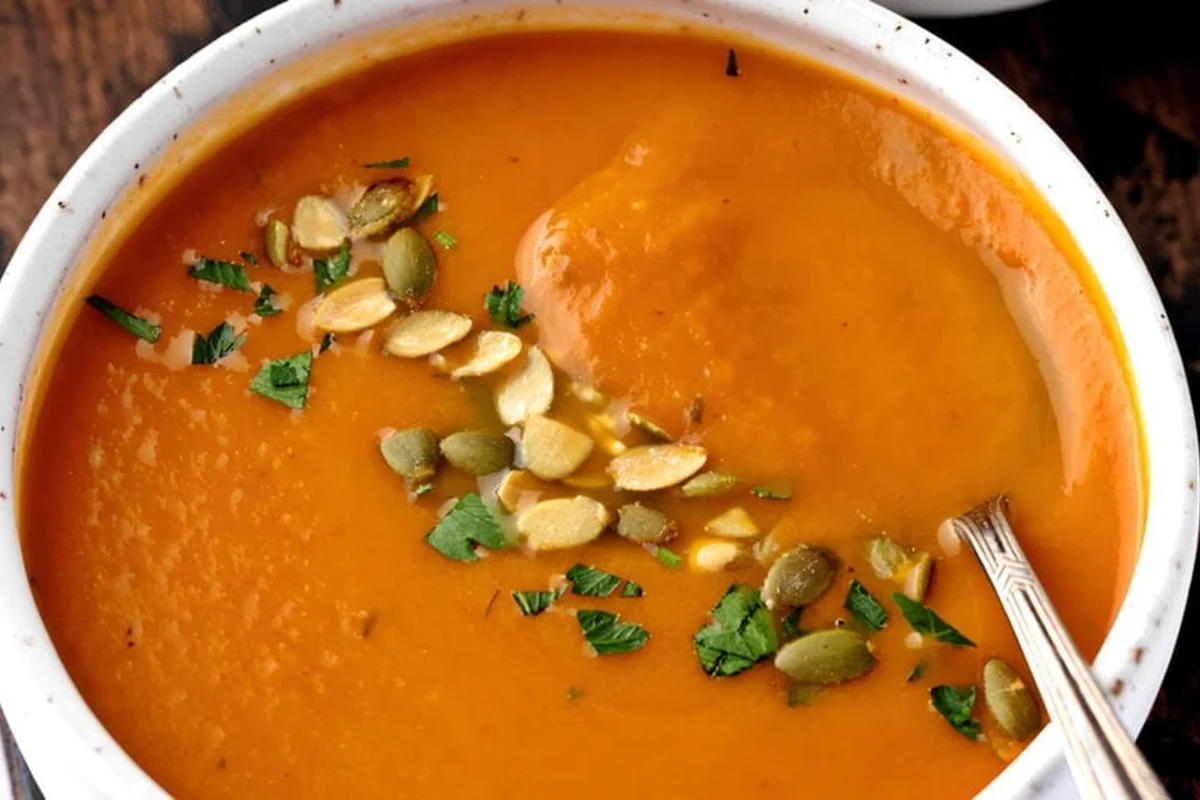
In the professional and home kitchen alike, the blender soup has transcended its reputation as mere “baby food” to become a staple of modern meal preparation. Whether you are looking to utilize seasonal produce or create a nutrient-dense meal, the blending process unlocks flavors by breaking down cell walls and emulsifying fats and liquids into a cohesive, luxurious mouthfeel.
The Science of Emulsification: How Your Blender Transforms Texture
The magic of a blender soup lies in emulsification. When you combine oil, butter, or coconut milk with fibrous vegetables and liquid broth, the high-speed vortex of a blender forces these disparate components together. The blades shear the solids into microscopic particles, while the fats bond with the liquid phase to create a stable, creamy suspension that a simple potato masher or immersion stick cannot replicate.
Who Benefits Most from the Blender Soup Method?
This method is a boon for busy parents needing to hide vegetables in nutritious meals for children, meal preppers looking for efficient batch-cooking, and home cooks aiming for high-impact presentations with low-effort workflows. Because the blender does the heavy lifting, you can focus on building flavor bases rather than tedious chopping.
Read more: Blender Soups
Essential Equipment: Choosing the Right Blender for Hot Liquids
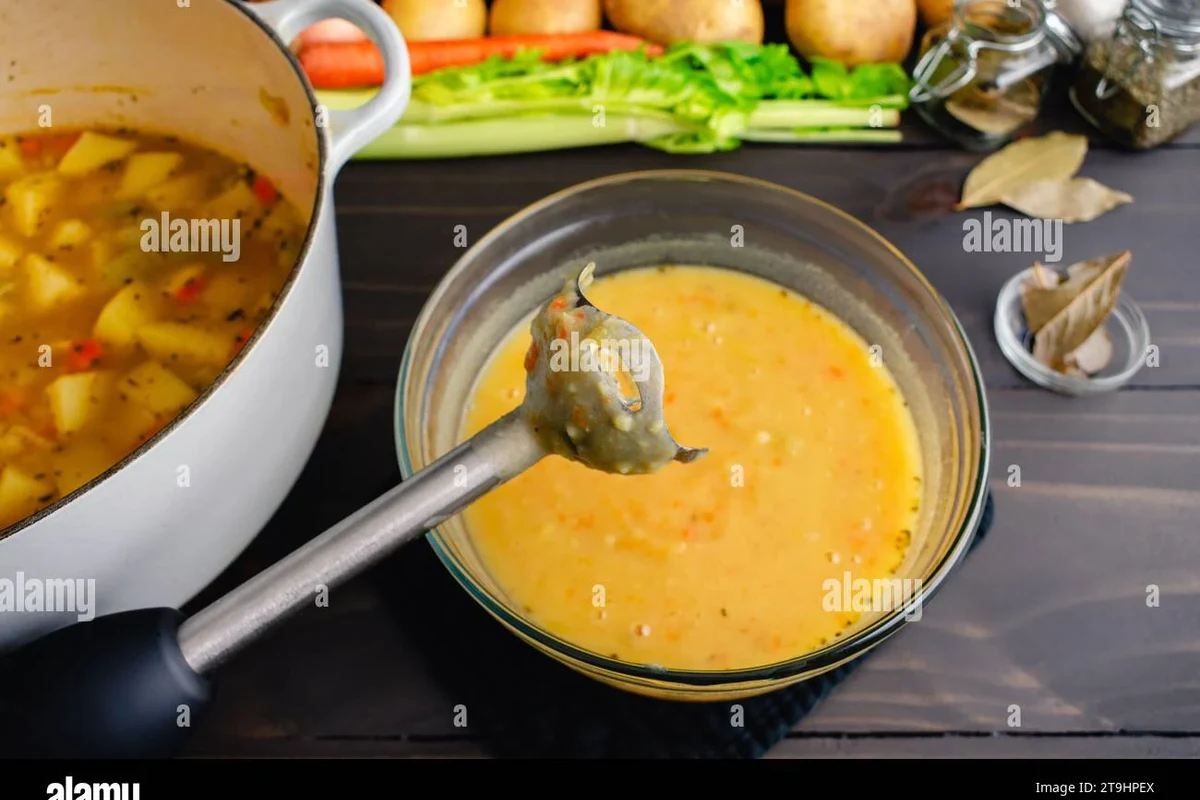
Not all blenders are created equal, especially when handling high-temperature ingredients. Choosing the right tool involves balancing power with safety features.
High-Powered vs. Standard Blenders: Size, Power, and Material Considerations
High-powered blenders are often preferred for their ability to pulverize tough fibers like kale stems or fibrous squash skins into a perfectly smooth puree. Look for jars made of heat-resistant glass or high-grade, BPA-free copolyester. If using a standard blender, you may need to process in smaller batches and spend more time to reach the same level of silkiness.
Safety First: Critical Precautions for Blending Hot Ingredients
Key Ingredients and Flavor Profiles for Belizean-Inspired Blender Soups
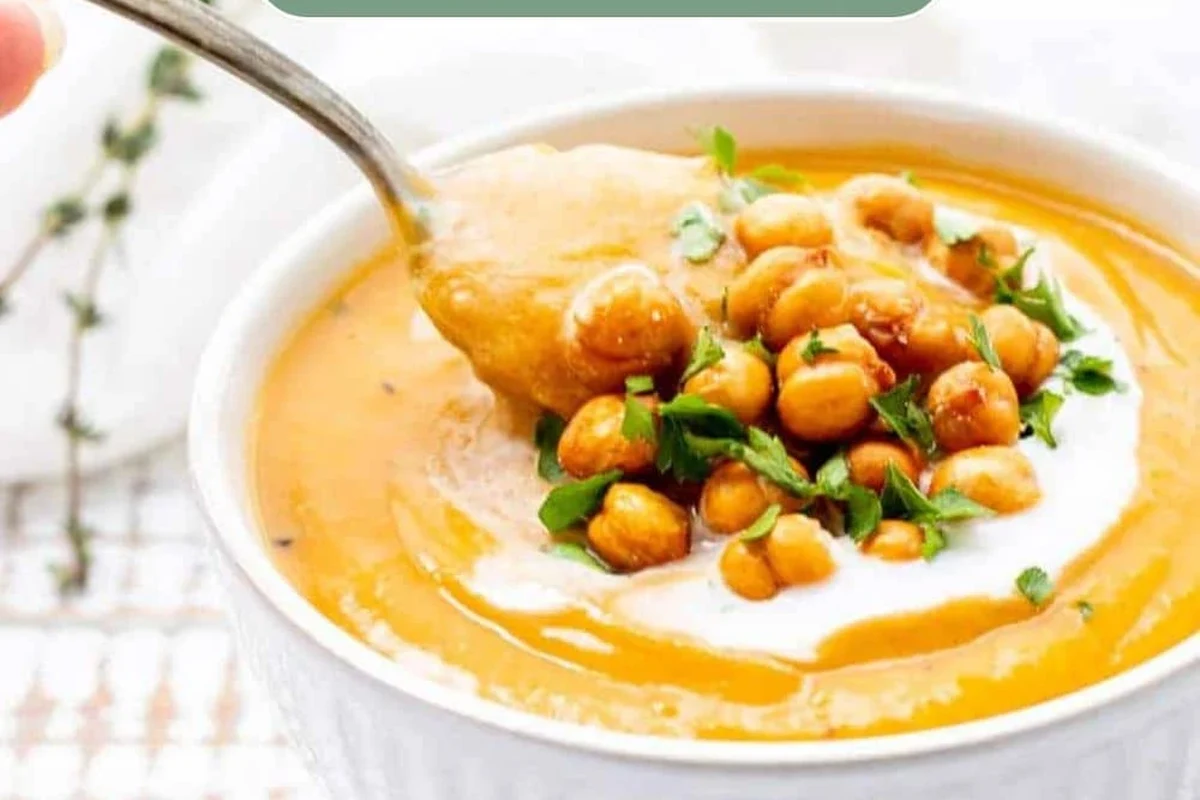
Belizean cuisine thrives on vibrant, tropical flavors. To adapt this to the blender soup format, consider how local staples behave when liquefied.
Building the Base: Aromatics, Broths, and Healthy Fats
Start with a classic mirepoix or a Belizean-style trinity of onion, garlic, and sweet pepper. Sautéing these in coconut oil provides a rich, aromatic foundation. Use a high-quality vegetable or chicken stock as your liquid, and consider adding a splash of fresh lime juice at the end to brighten the final profile.Blender Soups
Superfood Additions: Incorporating Tropical Produce and Local Staples
Sweet potatoes, pumpkin (calabaza), and plantains are excellent candidates for blender soups. They provide natural starch, which helps thicken the soup naturally without the need for flour-based roux. Incorporating coconut milk at the final stage of blending adds a signature tropical creaminess that pairs beautifully with savory spices like cilantro, habanero (used sparingly), and annatto.
Mastering the Technique: Step-by-Step Guide to Perfect Consistency
Achieving the perfect texture requires a systematic approach to cooking and processing.
The Sauté-and-Simmer Method: Building Depth Before the Blend
The flavor of a blender soup is only as good as the sautéed base. Browning onions and garlic releases sugars that provide a necessary sweetness to balance the earthy notes of root vegetables. Do not skip the simmering step; the liquid needs time to infuse with the aromatics before it hits the blades.
Troubleshooting Common Texture Issues: From Grainy to Watery
If your soup is watery, try adding a cooked potato or a handful of white beans; the starch acts as a natural thickener. If it is grainy, the issue is usually undercooked vegetables or a blender that lacks the speed to break down fibrous cells. In 2026, many home cooks are opting for high-torque motors to solve this specific issue.
Recipe Spotlight: Creamy Coconut and Roasted Vegetable Bisque
This bisque utilizes the natural sweetness of roasted squash and the richness of coconut milk.
Ingredients and Prep Requirements
Ingredients include 2 lbs of cubed calabaza or butternut squash, 1 medium onion, 3 cloves of garlic, 1 can of full-fat coconut milk, and 3 cups of vegetable stock. Prepare by roasting the squash with olive oil until caramelized.
The Cooking Process: Techniques for Maximum Flavor Extraction
After roasting, sauté the onion and garlic in a pot, add the roasted squash and stock, and simmer for 10 minutes. This ensures the flavors are fully integrated before adding the coconut milk and blending.
Doneness Cues and Safety Checks
The squash must be soft enough to mash easily with a fork. Before blending, ensure the liquid has cooled slightly or follow the steam-venting safety procedures mentioned earlier.
Storage, Reheating, and Shelf Life Optimization
Soups containing dairy or coconut milk have specific storage requirements to maintain quality.
- Cool the soup to room temperature within two hours of cooking.
- Transfer to airtight glass containers for the best flavor preservation.
- Store in the refrigerator for up to 3–4 days.
- Freeze in individual portions for up to 3 months.
How to Reheat Without Breaking the Emulsion or Compromising Quality
Reheat gently on the stovetop over medium-low heat. Avoid boiling, which can cause the emulsion to “break,” resulting in a separated, oily appearance. Stir frequently during the warming process.
Limitations and Common Mistakes to Avoid
While versatile, blender soups have their boundaries.
- Blend in batches if your jar is small.
- Add fresh herbs after blending for a pop of color.
- Blending extremely starchy ingredients like raw potatoes, which can turn gluey.
- Filling the blender jar to the brim.
Overloading the Jar: Managing Heat Expansion and Pressure
Always keep the liquid level below the “max” line. Hot air expands rapidly; if you fill the jar too high, the pressure will force the lid off, causing a significant kitchen hazard. When in doubt, blend in two smaller batches.
Ingredient Pitfalls: What Ingredients Don’t Blend Well
Avoid blending ingredients that are meant to provide texture, such as chunks of cooked protein or hearty grains like barley. These should be stirred in after the base is blended to maintain a pleasant contrast.
The Verdict: Elevating Your Weeknight Routine with Blender Soups
Blender soups are an essential tool for any kitchen, offering a path to sophisticated, nutrient-dense meals that prioritize flavor and texture. By mastering the balance of aromatics, liquids, and safety techniques, you can transform simple pantry staples into a comforting, velvety experience. Whether you are experimenting with tropical Belizean profiles or classic vegetable combinations, the blender soup remains one of the most reliable methods for consistent, high-quality results in the modern home kitchen.
Frequently Asked Questions
Not all blenders are designed for heat. Ensure your blender jar is made of tempered glass or heat-resistant plastic and always vent the lid to allow steam to escape.
You can add cooked starchy vegetables like potatoes, beans, or even a small amount of cooked rice before blending to achieve a thicker, creamier consistency naturally.
Separation often occurs when the soup is boiled too hard. Reheat your soup slowly over medium-low heat and stir frequently to maintain the emulsion.
Most homemade soups can be safely stored in the refrigerator for 3 to 4 days when kept in an airtight container.
Yes, but coconut milk can sometimes slightly change texture when frozen. Stir the soup vigorously after reheating to help re-emulsify the ingredients.
Never fill the jar past the halfway point when blending hot liquids. Always remove the center cap and cover the opening with a folded towel to vent steam.