Fruitsnacks

Fruitsnacks are a simple Belizean-style fresh fruit snack made for quick eating and easy transport. The best versions use ripe fruit, light seasoning, and careful storage so the texture stays fresh.
Fruitsnacks in Belize are usually a fresh, portable mix of cut fruit, light seasoning, and sometimes a sweet or tangy finish. They are simple to assemble, easy to customize, and best when the fruit is ripe, chilled, and handled carefully.
- Freshness first: Ripe but firm fruit gives the best texture and appearance.
- Keep seasoning light: Lime, salt, or chili should support the fruit, not cover it.
- Handle safely: Clean tools, cold storage, and fast serving matter because cut fruit spoils faster.
- Choose by use: Home snackers, kids, and vendors all need slightly different portion and packaging choices.
What Are Fruitsnacks? A Quick Belizean Answer
In Belizean street food and snack culture, fruitsnacks are a grab-and-go fruit serving built for heat, movement, and convenience. You may see them sold in cups, small bags, trays, or takeaway containers, often with a mix of mango, pineapple, watermelon, papaya, cucumber, orange, or other seasonal fruit.
How fruitsnacks fit into Belizean street food and snack culture
Fruitsnacks fit naturally beside other quick street foods because they are refreshing, affordable in small portions, and easy to eat without much fuss. They work especially well in warm weather, after school, between errands, or as a lighter option when someone wants something sweet without a heavy snack.
Think of fruitsnacks as a flexible street-style fruit serving, not a single fixed recipe. The best version is the one that stays fresh, balanced, and easy to eat on the go.
Who fruitsnacks are best for: kids, commuters, vendors, and home snackers
They are a strong fit for kids when the fruit is cut into safe, bite-size pieces and kept lightly seasoned. Commuters and office workers benefit from the portability, vendors appreciate the low-prep format, and home snackers like the ability to use whatever fruit is already ripe.
Core Ingredients and What to Look For
Fruitsnacks are less about strict rules and more about balance: sweet fruit, a little acid or salt if desired, and a texture that still feels crisp or juicy. Because the dish depends on fresh produce, ingredient quality matters more than complicated technique.
Common fruit choices, sweeteners, spices, and optional add-ins
Common fruit choices include mango, pineapple, watermelon, papaya, cantaloupe, orange segments, apple, and cucumber for a cooler, less sweet profile. Optional add-ins may include lime juice, a pinch of salt, chili powder, tamarind-style seasoning, or a light sweetener if the fruit is not fully ripe.
- Choose fruit that is ripe but not mushy.
- Decide whether you want sweet, tangy, spicy, or plain.
- Check whether any add-ins may affect allergies or heat tolerance.
How to choose ripe, fresh, and budget-friendly fruit
Look for fruit that smells fresh, feels firm enough to cut cleanly, and shows no major bruising, mold, or leakage. For budget planning, seasonal fruit usually gives better value than out-of-season fruit, and imperfect-looking fruit can still work well if the flesh is sound.
Ingredient quality, flavor balance, and texture decisions
The main decision is whether you want a juicy, soft snack or a firmer, more structured one. Mango and papaya bring softness, pineapple brings brightness, watermelon adds hydration, and cucumber can reduce sweetness while keeping the mix refreshing.
If your fruit is very sweet, add a little lime juice or a small pinch of salt to sharpen the flavor instead of adding more sugar.
How to Make Fruitsnacks: Step-by-Step Cooking or Assembly Guide
Fruitsnacks are usually assembled rather than cooked. The goal is to prepare clean, evenly cut fruit, season it lightly if desired, and serve it before the texture breaks down.
Preparation method: washing, peeling, cutting, and portioning
Rinse fruit under clean running water before peeling or cutting, even if the peel will not be eaten.
Remove skins, seeds, and damaged spots. Use a clean knife and cutting board for all prep.
Slice fruit into similar-size pieces so the snack looks neat and eats consistently.
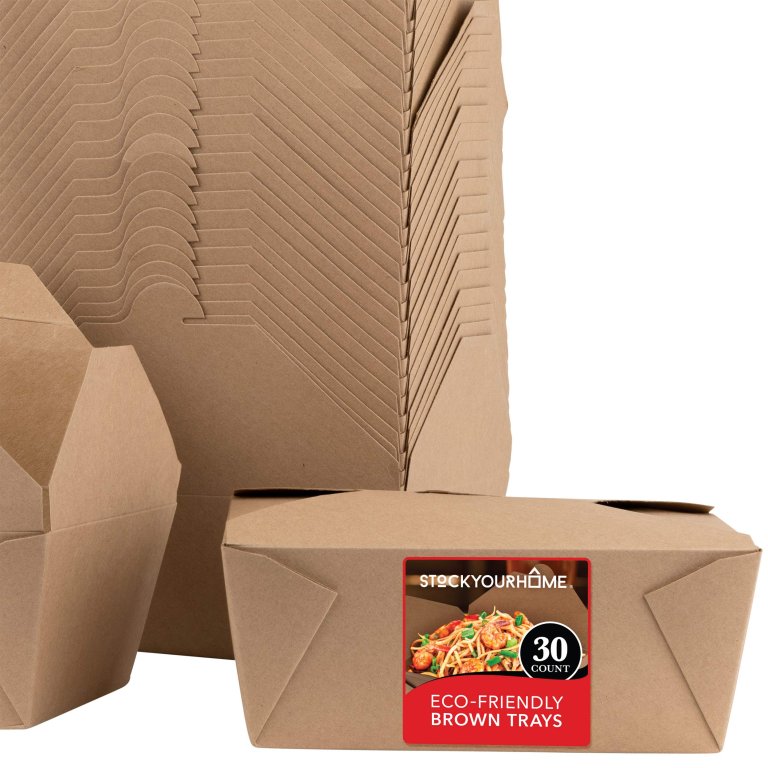
Divide into cups, trays, or containers based on whether the snack is for home, lunch, or sale.
Flavoring method: seasoning, mixing, chilling, or coating
Once the fruit is cut, you can keep it plain or add a light flavoring. A small amount of lime, salt, chili, or a mild sweetener can improve balance, but heavy seasoning can hide the fruit’s natural flavor and make the mix watery.
- Season lightly and taste as you go.
- Chill the fruit briefly before serving if possible.
- Mix only what you expect to serve soon.
- Adding too much liquid seasoning.
- Mixing soft and watery fruit too early.
- Using overripe fruit that falls apart quickly.
Presentation options for street-sale trays, lunchboxes, or home serving
For street-sale trays, keep the fruit arranged neatly and visibly separate if possible so customers can see freshness. For lunchboxes, use a leak-resistant container and keep wetter fruit on top of sturdier fruit to limit sogginess. At home, a simple bowl or chilled cup is usually enough.
Key Technique Tips, Common Mistakes, and Troubleshooting
Most fruitsnacks problems come from texture, not flavor. If the fruit is cut well and served at the right time, the snack usually needs very little else.
How to avoid soggy texture, over-sweetening, and bruised fruit
Use fruit that is ripe but still holds its shape, and dry washed fruit before cutting if excess surface water is an issue. Add sweeteners sparingly, because fruit juice plus sugar can turn the mix syrupy fast. Handle soft fruit gently so it does not bruise or collapse.
Fixes for bland flavor, uneven cutting, and watery fruit mix
If the flavor tastes flat, try a little citrus, a small pinch of salt, or a more aromatic fruit such as pineapple or mango. If pieces are uneven, cut the larger pieces down to match the smaller ones before serving. If the mix becomes watery, drain some liquid and keep the fruit chilled until it is needed.
Cut firmer fruit first and softer fruit last. That keeps the board cleaner and reduces the chance of crushing delicate pieces.
When to stop prep for best freshness and visual appeal
Stop prep as soon as the fruit is cut, seasoned, and portioned for the intended serving window. The longer fruit sits after cutting, the more it can release juice, soften, and lose the clean look that makes fruitsnacks appealing.
Food Safety, Hygiene, and Storage Guide
Because fruitsnacks are usually ready-to-eat, safe handling matters from the moment the fruit is washed to the moment it is served. When in doubt, follow recognized food-safety guidance from your local health authority or major food-safety agencies such as the USDA or FDA.
Safe washing, cutting-board habits, and cross-contamination prevention
Wash hands before prep, use a clean cutting board, and keep raw meat, seafood, and dirty produce away from fruit handling areas. If the board was used for other foods, clean and sanitize it before cutting fruit. Separate clean serving utensils from prep tools so the fruit stays ready-to-eat.
Do not serve fruit that has visible mold, a sour or fermented smell, or a slimy texture. If you are preparing fruit for someone with allergies, check all added seasonings and packaged ingredients carefully.
How long fruitsnacks keep in the fridge and at room temperature
Cut fruit generally keeps best when refrigerated and served soon after prep, but exact safe times depend on the fruit type, how it was handled, and how cold the fridge stays. For room temperature holding, use caution in hot weather and discard fruit that has been left out too long or has warmed noticeably. If you need a precise storage limit for a specific fruit mix, confirm it with a current food-safety source.
Best containers, chilling practices, and signs the fruit should be discarded
Use clean, food-safe containers with tight lids to reduce leaks and odor transfer. Keep the fruit cold until serving time, and avoid repeatedly opening the container if you are selling or meal-prepping. Throw out fruit that shows discoloration, off smells, sliminess, mold, or a texture that has turned mushy in an unusual way.
Discard fruit that shows spoilage signs and follow safe storage-time guidance for cut produce from recognized food-safety authorities.
Substitutions, Variations, and Dietary Fit
One reason fruitsnacks stay popular is that they adapt easily to what is available. You can adjust the fruit, seasoning, and serving style to match season, budget, and dietary needs.
Fruit swaps by season, availability, and price
When mango is expensive or not ripe enough, use pineapple, watermelon, papaya, banana, cucumber, or citrus segments depending on what is fresh. The best swap is usually the one that gives you similar texture and sweetness without forcing you to over-season the mix.
Good when you want flexibility and better value. The limitation is that flavor and texture will vary from batch to batch.
Best for vendors or lunchboxes when consistency matters more than variety. The tradeoff is less visual variety.
Lower-sugar, spicy, tangy, and kid-friendly variations
For a lower-sugar version, skip added sweeteners and lean on naturally sweet fruit plus citrus. For a tangy version, use more lime or a tart fruit like pineapple. For a spicy version, add a light chili seasoning. For kids, keep the seasoning mild and cut fruit into small, easy-to-hold pieces.
How to adapt fruitsnacks for vegan, gluten-free, and allergy-aware diets
Plain fruitsnacks are naturally vegan and gluten-free as long as the added seasonings are also safe for those diets. The main allergy concern is not the fruit itself but cross-contact from shared knives, boards, containers, or seasoning blends that may contain dairy, nuts, or gluten-containing ingredients.
Buying Guide: Value, Portions, and Street-Side Practicality
Whether you are buying fruitsnacks or making them at home, the best value comes from freshness, portion size, and how well the fruit holds up after cutting. A cheap portion is not a good deal if it tastes flat or spoils quickly.
How to judge portion size, freshness, and price per serving
Look at how much edible fruit you are actually getting, not just the size of the container. Freshness is usually visible in color, firmness, cut quality, and the absence of excess liquid. If the fruit looks tired or overhandled, the portion may be less satisfying even if the price seems low.
Benefits and limitations for home prep versus small-selling setups
Home prep gives you more control over ripeness, hygiene, and flavor balance. Small-selling setups benefit from speed and portability, but they also need stronger attention to cold holding, clean containers, and consistent cutting so the snack looks trustworthy and appealing.
Best occasions for serving fruitsnacks in Belizean everyday life
Fruitsnacks make sense for school days, market trips, lunch breaks, road travel, beach outings, and afternoon snacks at home. They are also a useful option when you want something refreshing after heavier meals or during hot weather.
Final Recommendation: When Fruitsnacks Make the Most Sense
Fruitsnacks are at their best when you want a fresh, flexible Belizean snack that is quick to assemble and easy to carry. Start with one or two ripe fruits, keep the seasoning light, and focus on clean cutting, cold storage, and fast serving for the best result.
Best use cases, key takeaways, and the simplest way to start
If you want a simple street-style snack that works for kids, commuters, and home snackers, fruitsnacks are an easy fit. The main limitation is freshness, so choose firm ripe fruit, prep it cleanly, and serve it soon after cutting.
The simplest way to begin is with a small mix of mango or pineapple plus one milder fruit such as watermelon or cucumber. That combination gives you sweetness, freshness, and enough texture to keep the snack balanced without much effort.
Common Questions
Fruitsnacks are usually simpler, more portable, and often lightly seasoned. They are designed for street-style eating or quick snacking.
Yes, but keep them chilled in a sealed container and expect some texture change. Firmer fruit holds up better than very soft fruit.
Avoid fruit that is overripe, bruised, moldy, or leaking too much juice. Very soft fruit can turn mushy quickly.
No, not if the fruit is naturally sweet enough. Many versions are better with just citrus, salt, or mild seasoning.
Yes, if packed cleanly and kept cold until eating time. Use a tight container and cut fruit into age-appropriate pieces.
Frequently Asked Questions
A good mix usually combines one sweet fruit with one firmer or more refreshing fruit. For example, mango or pineapple can pair well with watermelon or cucumber.
Use citrus on fruits that discolor easily, and keep the fruit chilled until serving. Cutting fruit close to eating time also helps it stay bright.
Yes, if you want a tangy-spicy street-style flavor. Add it lightly so the seasoning supports the fruit instead of overpowering it.
Use clean hands, clean tools, and food-safe containers, and keep the fruit cold as long as possible. Follow local health rules and recognized food-safety guidance for ready-to-eat foods.
Discard it if it smells sour, looks moldy, feels slimy, or has an unusual off taste. When the texture or smell seems wrong, it is safer not to serve it.
Start with one or two fruits, such as pineapple and watermelon, and skip heavy seasoning. That keeps prep simple and makes it easier to judge flavor balance.